
A clicking noise when starting a GMC Terrain is a common issue many owners face. This sound usually points to a weak battery or a problem with the starter or its electrical connections. Understanding why the clicking happens can save time and prevent further damage.
Sometimes, corrosion on the battery terminals or a loose connection can cause the problem, even if the battery is not completely dead. In other cases, the starter itself or its wiring may need inspection or repair. Knowing the signs and possible fixes helps drivers tackle the issue more effectively.
This guide will help readers recognize the most likely causes of the clicking noise. It also offers tips on how to diagnose the problem and when it’s best to get professional help.
Key Takeways
- A weak battery is the most common cause of clicking noises when starting.
- Poor electrical connections often lead to no-start and clicking problems.
- Identifying the issue early can prevent more costly repairs later.
Common Causes of GMC Terrain Clicking Noise When Starting
A clicking noise when starting a GMC Terrain usually means the engine is not receiving enough power to crank properly. This problem often relates to electrical components that either fail to provide power or are unable to connect correctly when the key is turned.
Dead or Weak Battery
A dead or weak battery is the most frequent cause of clicking noises during startup. When the battery voltage is low, it cannot supply enough electrical energy to the starter motor. This causes the starter solenoid to click repeatedly but fail to engage the engine.
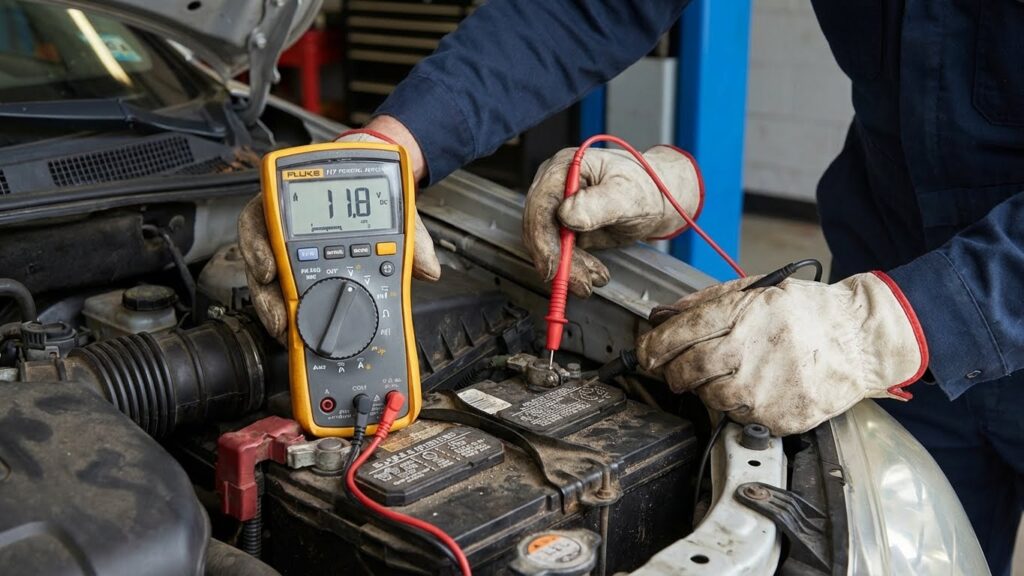
Batteries lose charge over time or can drain quickly if lights or accessories are left on. Cold weather can also reduce battery performance. Testing the battery voltage with a multimeter can confirm if it is the problem. Jump-starting the car often solves the issue temporarily, but replacing the battery may be necessary for a lasting fix.
Faulty Starter Motor
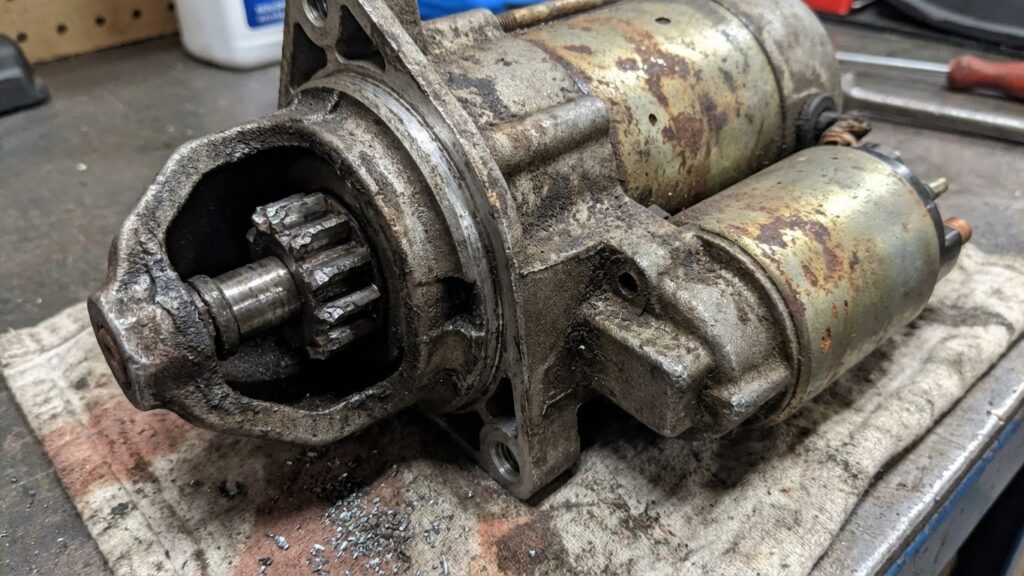
The starter motor is responsible for turning the engine over to begin running. If this motor is faulty, it might produce a clicking noise but fail to crank the engine.
Common signs of a bad starter motor include a single click when turning the key or grinding sounds. Internal motor parts can wear out, or electrical connections inside the starter can fail. Diagnosing the starter motor may require professional inspection, including testing the motor’s current draw and resistance. Replacing a failing starter motor usually resolves the clicking problem.
Bad Starter Relay
The starter relay acts as an electrical switch between the battery and the starter motor. A defective relay can cause insufficient power to reach the starter, resulting in the clicking noise heard at ignition.
Relays may fail due to worn internal contacts or corrosion. Testing involves checking for continuity and voltage output when the ignition is turned on. Sometimes, tapping the relay box can give a clue, but replacement is the most reliable solution. Ensuring the relay is functioning helps maintain proper starter motor operation.
Corroded or Loose Battery Terminals
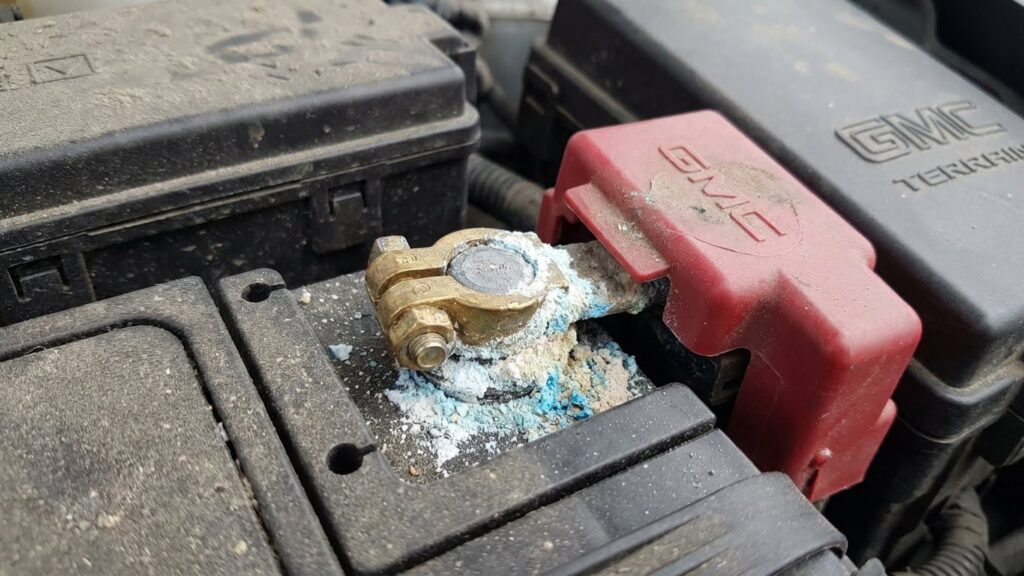
Battery terminals and cables must have a secure, clean connection to allow electricity flow. Corrosion, dirt, or loose terminals can restrict current and cause the starter solenoid to click without turning the engine.
Signs include visible corrosion (white or blue powdery buildup) on terminal clamps or cables that move when touched. Cleaning the terminals with a wire brush and tightening the connections usually restores proper electrical contact. Regular battery maintenance prevents corrosion build-up and starting problems linked to poor connections.
Diagnosing the Source of the Clicking Noise
The clicking noise when starting a GMC Terrain often points to specific electrical or mechanical issues. Identifying the pattern of the clicks and checking related parts carefully can guide the repair process. The battery, cables, starter, and overall electrical health must be examined in detail to find the root cause.
Listening for Single vs. Repeated Clicks
The type of clicking sound matters. A single click usually means the starter solenoid is trying to engage but failing to turn the engine over. This can indicate a problem with the starter motor or its connections.
Repeated clicking is often a sign of a weak battery or poor electrical contact. It happens when the battery does not have enough power to keep the starter working continuously.
Pay attention to whether the clicks come immediately after turning the key or if there is a delay. This timing helps narrow down the problem source.
Inspecting Battery and Cables
The battery is the most common reason for clicking noises during start attempts. Check the battery voltage with a multimeter—it should be around 12.6 volts or more when fully charged. Anything lower could prevent the vehicle from starting.
Battery terminals and cables must be clean and tight. Corroded or loose connections reduce electrical flow and cause clicking. Use a wire brush to clean terminals and check for any frayed or damaged cables.
A quick test is to try jump-starting the vehicle. If it starts without clicking after a jump, the battery or cables likely need replacement or repair.
Testing Starter Circuit
If the battery and cables are in good condition, the next step is to test the starter circuit. This involves checking the starter relay and solenoid for proper function.
Use a test light or multimeter to verify the relay is sending power to the starter when the key is turned. Listen for a click at the relay, which means it is working.
Also, inspect the starter itself. It may need to be removed and bench-tested if there is no response. Sometimes, tapping the starter lightly with a tool can temporarily free a stuck gear and confirm the starter as the issue.
Evaluating Electrical System Health
Beyond the battery and starter, the vehicle’s overall electrical system health can cause starting problems. Check the fuses and fusible links related to the starter and ignition systems.
Battery drain or poor alternator output can also weaken the electrical system. Testing the alternator output while the engine runs ensures it is charging the battery correctly.
Inspect ground wires to the chassis and engine block. Bad grounds reduce voltage and cause voltage drops that lead to clicking and no-start conditions.
Maintenance of these components is key to reliable starting and reducing clicking noises.
Repair Solutions for Clicking Noise Issues
When a GMC Terrain makes a clicking sound on startup, the problem often involves the battery, starter, or electrical connections. Each of these parts can cause the noise and prevent the engine from turning over properly. Addressing these areas methodically helps fix the issue effectively.
Replacing a Faulty Battery
A weak or dead battery is a common cause of clicking noises. When the battery can’t provide enough power, the starter struggles to engage, creating a rapid clicking sound. Signs of a failing battery include dim lights and slow electrical response.
To replace the battery, one should first test its voltage with a multimeter. If it reads below 12.4 volts when the engine is off, it likely needs replacement. A new battery must match the vehicle’s specifications for size and power to ensure proper installation.
Proper disposal of the old battery is important, as automotive batteries contain hazardous materials. After installing a new battery, the vehicle should start without clicking, indicating that the battery supplied enough power to the starter.
Repairing or Replacing the Starter
The starter motor is responsible for turning the engine over during startup. If it becomes faulty, it can produce clicking sounds without actually cranking the engine. The noise often happens because the starter’s solenoid tries to engage but fails.
Testing the starter usually involves checking for voltage at the solenoid and listening for sounds during ignition. If voltage is present but the starter doesn’t turn, the starter is likely at fault and may need replacement.
Replacing the starter includes disconnecting the battery, removing the old starter from the engine block, and installing a new or refurbished unit. Ensuring correct electrical connections during installation is critical to prevent future issues.
Cleaning Battery Terminals
Corrosion or dirt on battery terminals can limit electrical flow, which can cause the clicking noise at startup. Dirty terminals may prevent the starter motor from getting enough power even if the battery itself is in good condition.
Cleaning is simple but effective. First, disconnect the battery terminals—negative cable first. Use a baking soda and water mixture with a wire brush to remove corrosion from the terminals and cable clamps. Rinse and dry thoroughly before reconnecting.
Ensuring tight and clean connections improves the electrical system’s reliability. After cleaning, the clicking noise may disappear as the starter receives full battery power again.
Electrical and Wiring Problems in GMC Terrain
Electrical issues in the GMC Terrain often cause problems starting the vehicle. These problems can involve simple components like fuses or more complex parts like the ignition switch. Identifying the exact electrical fault helps avoid unnecessary repairs and gets the vehicle running smoothly again.
Blown Fuses Affecting the Starter
A blown fuse in the starter circuit is a common reason the GMC Terrain produces a clicking noise but fails to start. Fuses protect electrical components by breaking the circuit if there is too much current.
When a fuse connected to the starter motor blows, the starter won’t receive power. This interrupts the ignition process and causes the clicking sound as the solenoid tries to engage but fails.
Checking the fuse box for blown fuses is a quick first step. Replacing a blown fuse restores power but the underlying cause, such as a short circuit or overloaded wiring, must be addressed to prevent recurrence. Common fuse locations include near the battery and inside the engine compartment fuse box.
Ignition Switch Failures
The ignition switch in the GMC Terrain controls the flow of electricity to important systems, including the starter motor. When the switch wears out or malfunctions, it can cause intermittent or no electrical connection.
Symptoms of ignition switch failure include a clicking noise when turning the key, dashboard lights flickering, or the engine not turning over at all. The switch may work sometimes and fail other times, making the problem unpredictable.
Diagnosing ignition switch problems often requires testing voltage flow with a multimeter. If the switch is faulty, it needs replacement to restore reliable starting. Ignition switch repairs should be performed by a professional due to the complex wiring involved.
When the Clicking Is Not the Starter
Sometimes the clicking noise when starting a GMC Terrain is caused by issues other than the starter itself. Problems with the alternator or engine can also lead to clicking sounds and prevent the engine from starting. It is important to know how these problems affect the vehicle.
Faulty Alternator
A bad alternator can cause a clicking noise even if the starter is working fine. The alternator is responsible for charging the battery while the engine runs. If it fails, the battery doesn’t get enough power, leading to low voltage when starting.
Signs of a faulty alternator include dimming lights and a battery warning light on the dashboard. It may still produce clicking sounds because the battery is weak and can’t give enough current to the starter. Testing the alternator with a multimeter can show if it is charging properly. Replacing a faulty alternator restores battery power and stops the clicking caused by low voltage.
Engine Mechanical Problems
Engine mechanical issues can cause a clicking sound during startup without the starter being the cause. Problems such as a seized engine or seized components prevent the engine from turning over, causing repeated clicking from the starter solenoid.
A seized engine may result from lack of oil, overheating, or internal damage like a broken timing belt or damaged pistons. If the engine cannot rotate freely, the starter motor will click as it tries but fails to engage the engine. Diagnosing mechanical problems requires checking oil levels, listening for unusual noises, and sometimes removing parts to inspect internal damage. Repairs can be extensive and often require professional help.
Prevention and Maintenance Tips
Keeping the electrical system and battery in good condition helps reduce the chance of clicking noises when starting a GMC Terrain. Regular inspections and proper care prevent common issues like corrosion, weak connections, or battery failure.
Regular Electrical System Checks
Inspecting the electrical system frequently is crucial. Battery terminals should be clean and free of corrosion, which can block power flow and cause clicking during startup. Loose or damaged wires in the starter circuit also lead to poor connections and starting problems.
Using a multimeter, technicians can check voltage levels to make sure the battery and starter are getting enough power. Testing the starter relay and solenoid ensures these components engage properly. Any signs of wear or electrical resistance should be addressed immediately. Regular checks reduce unexpected failures and extend the life of the starter system.
Proper Battery Care
The battery is the most common cause of clicking noises when the engine won’t start. Keeping the battery charged and clean is essential. Battery terminals should be checked and cleaned regularly to remove dirt and corrosion.
It’s important to test the battery’s health, especially before cold weather or long trips. Low voltage due to an old or drained battery weakens the power supply to the starter, causing the clicking noise. Replacing an old battery before complete failure can save from being stranded and prevent damage to other components.
When to Seek Professional Help
If the GMC Terrain makes a clicking noise but still fails to start after simple checks, it is time to consult a professional mechanic. A weak battery or loose battery terminals can often be fixed at home, but persistent clicking could signal deeper problems, such as a faulty starter motor or electrical issues.
When the clicking noise happens along with other symptoms like engine stalling, shaking, or loss of power while driving, a professional should inspect the vehicle immediately. These signs may point to serious engine or internal component damage that requires expert diagnosis.
If the clicking noise occurs during cold starts but worsens over time or produces unusual engine sounds, a mechanic can assess if early repairs are needed to prevent further damage. It is especially important when noises come from the engine itself, which could indicate oil or mechanical problems.
Situations that warrant professional attention include:
- Multiple clicks with no engine crank
- Visible corrosion or damage in electrical connections
- Engine knocking or tapping noises while driving
- Clicking sound from the starter motor area
- Recurring issues despite battery or fuse checks
A professional will perform tests like starter motor checks and battery load tests. They can pinpoint the cause and recommend repairs or replacements safely. This avoids guesswork and prevents worsening the problem.
Prompt professional help can save money and keep the GMC Terrain reliable and safe to drive.
FAQs
Why does my GMC Terrain make a clicking noise when starting?
A clicking noise often means the battery is weak or there is a poor electrical connection in the starter system. The starter solenoid may engage, but the motor isn’t turning the engine over. Checking the battery voltage and cleaning the battery terminals can help.
Can a bad starter motor cause clicking without the engine turning?
Yes. A faulty starter motor or solenoid can cause clicking sounds without cranking the engine. Worn brushes, a bad relay, or loose wiring in the starter circuit could be the problem. Testing these parts is important to find the root cause.
Is it safe to drive if the GMC Terrain clicks but starts?
If the clicking is brief and the engine starts normally, it may not be urgent, but it should be checked soon. Persistent clicking or no start usually means a failing battery, starter, or electrical connection. Avoid driving long distances until fixed.
How often should the battery and starter connections be checked?
Regular maintenance every 6 to 12 months is recommended. Cleaning battery terminals and inspecting wiring can prevent common electrical problems. More details on battery care can be found at the Battery University.
What else can cause starting issues with clicking sounds?
Corrosion on battery terminals, a failing starter relay, or poor ground connections may also cause this noise. Diagnostic tools or a professional mechanic can test these components for proper function. The Car Care Council offers guidance on vehicle electrical systems.
Conclusion
A clicking noise when starting a GMC Terrain usually points to issues with the battery, starter motor, or electrical connections. The most common cause is a weak or discharged battery. Corrosion or loose battery terminals can also stop the engine from cranking properly.
If the starter motor or solenoid is faulty, it may produce a clicking sound without turning the engine over. Testing the starter relay and checking wiring connections are important steps. Sometimes, worn starter brushes or a bad relay cause the problem.
Basic checks to consider:
| Issue | Possible Fix |
|---|---|
| Weak battery | Recharge or replace the battery |
| Corroded terminals | Clean battery terminals |
| Faulty starter relay | Test and replace if needed |
| Poor electrical wiring | Inspect and repair connections |
| Worn starter motor | Bench test and replace if necessary |
A clicking noise alone usually means the engine is not damaged but rather the starting system needs attention. Regular maintenance like cleaning terminals and checking cable connections can prevent this issue.
If the clicking sound continues after these steps, the starter motor or related components may require replacement. Diagnosing early can avoid bigger problems and keep the GMC Terrain reliable.