

A clicking noise when starting a Hyundai Sonata usually points to a simple issue like a weak battery or poor electrical connection. The most common cause is a battery that does not have enough power to engage the starter motor fully. Other parts such as the starter motor, solenoid, or corroded battery terminals can also cause this sound.
Many drivers face this problem, and it can be frustrating because the car won’t start despite the clicking noise. Understanding what triggers these clicks helps narrow down the problem quickly, which can save time and money on repairs.
Knowing how to diagnose and fix the issue can get the Sonata running again without unnecessary delays. If basic checks don’t solve the problem, professional help might be needed to look into more complex causes, like faulty wiring or starter components.
Key Takeaways
- A weak battery is the most common reason for clicking noise when starting.
- Corroded terminals or electrical issues often cause starting problems.
- Professional diagnosis is recommended if simple fixes don’t work.
Common Causes of Clicking Noise in Hyundai Sonata When Starting
A clicking noise when trying to start a Hyundai Sonata often points to electrical or mechanical problems. These issues usually involve the power supply or the starter system, which are crucial for engaging the engine properly. Understanding each cause helps in identifying the right fix.
Battery Issues
The most frequent cause of a clicking sound is a weak or dead battery. The battery provides the power needed to turn the starter motor. If the battery voltage is low, the starter solenoid will click rapidly but fail to crank the engine. This usually happens because the battery cannot supply enough current.
Battery terminals may also be corroded or loose, causing poor electrical connection. Cleaning the terminals and checking the cable tightness can often solve this problem. Sometimes, the battery simply needs replacing if it no longer holds a charge.
Starter Motor Problems
A faulty starter motor can also cause clicking noises. The starter motor is what turns the engine over when the ignition is turned on. If it fails internally, the solenoid may click, but the motor won’t spin.
This can be due to worn-out brushes, a damaged armature, or a stuck gear inside the starter. A bad starter means the electricity reaches the solenoid but can’t make the motor turn. In some cases, the starter may need to be tested and replaced.
Faulty Alternator
The alternator charges the battery while the engine runs. If the alternator is failing, the battery does not get charged properly. This drop in battery power eventually causes the clicking noise when attempting to start.
An alternator issue can lead to a gradual loss of power, making the battery weak over time. Checking the alternator’s output with a tester can confirm if it is the root cause. Repair or replacement might be needed to restore proper battery charging.
Worn Out Ignition Switch
A worn or defective ignition switch can interrupt the electrical flow to the starter. When this happens, turning the key or pressing the start button may result in a clicking sound but no engine start.
Ignition switches fail due to wear or internal electrical faults. This prevents the starter from getting the right signal to engage fully. Testing this switch and replacing it if needed can fix the clicking problem caused by faulty ignition controls.
Diagnosing the Source of the Clicking Noise
When a Hyundai Sonata makes a clicking sound during startup, identifying the exact cause requires careful attention. The driver should inspect battery health, listen closely to the type of clicks, and distinguish whether the problem is electrical or mechanical.
Initial Inspection Steps
The first step is to check the battery condition. The battery terminals should be clean and free of corrosion, and the battery voltage should be measured if possible. A weak or dead battery is the most common reason for rapid clicking sounds.
Next, the battery connections and cables should be examined. Loose or damaged wiring can prevent enough current from reaching the starter motor. If the battery and cables look fine, checking the starter motor and its connections follows.
Using a multimeter or a simple test light around the starter can reveal power flow. If no power reaches the starter, the issue is likely electrical. If power is present but the engine still won’t start, the problem might be mechanical.
Listening for Specific Sounds
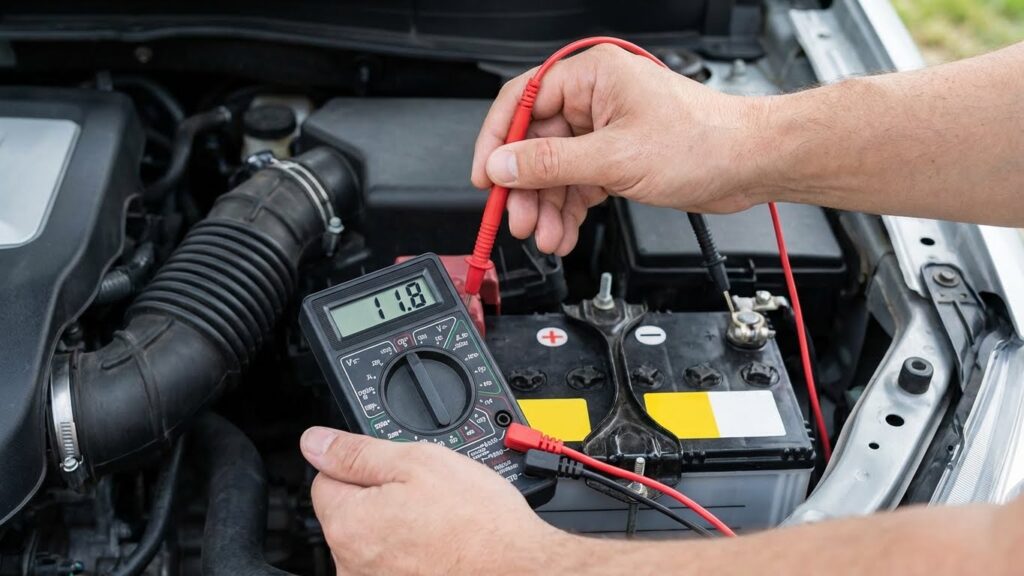
The type of clicking noise can reveal clues. Rapid clicking usually points to insufficient battery power or poor connections preventing the starter from fully engaging.
If the clicks are slower and louder, it may indicate a bad starter solenoid or starter motor. A single click without engine turnover often suggests the solenoid is trying but failing to engage the starter gear.
Pay attention to any accompanying sounds, like a grinding or whirring noise. Grinding can mean the starter motor is spinning without correctly engaging the engine’s flywheel, which is a mechanical issue.
Identifying Electrical Versus Mechanical Causes
Electrical problems are often related to the battery, alternator, wiring, or ignition switch. If the lights dim during clicking or other electrical functions weaken, the battery or charging system is suspect.
Mechanical causes involve the starter motor, solenoid, or engine components. A charged battery with strong electrical connections paired with clicking usually points to mechanical failure.
Testing the battery voltage and performing a starter draw test can separate electrical issues from mechanical ones. Also, inspecting wiring harnesses for damage or corrosion helps confirm the root cause.
Using a checklist of battery condition, electrical flow, and starter function guides the diagnosis to the exact source of the clicking noise.
How to Fix Clicking Noise When Starting Your Hyundai Sonata
A clicking noise when starting a Hyundai Sonata usually points to problems with the battery, starter motor, or electrical connections. Fixing this issue requires checking each of these parts carefully. Cleaning contacts, testing components, and replacing faulty parts can often restore normal function.
Inspecting and Replacing the Battery
The battery is the most common cause of a clicking noise. A weak or dead battery cannot provide enough power to start the engine, causing rapid clicking sounds. The first step is to test the battery voltage using a multimeter.
If the voltage reads below 12.4 volts, the battery might be weak or discharged. Try jump-starting the car to see if the engine turns over. If it does, the battery likely needs charging or replacement.
In many cases, battery terminals are corroded or loose, which blocks the flow of electricity. Cleaning the terminals with a wire brush or steel wool helps improve the connection. Make sure to secure the cable clamps tightly after cleaning.
Addressing Starter Motor Failure
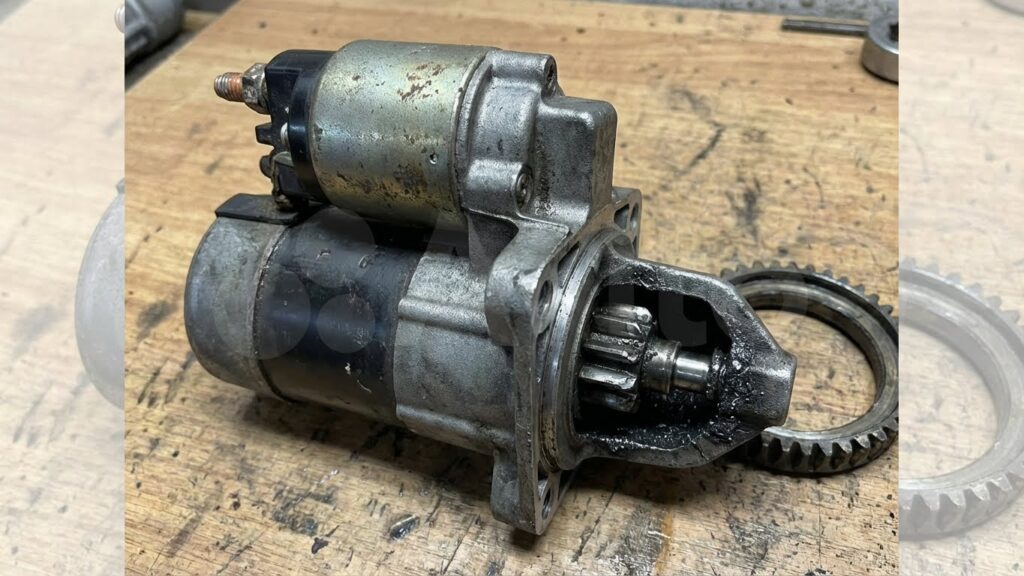
If the battery is in good shape but the clicking continues, the starter motor could be failing. The starter motor uses an internal solenoid to engage the engine’s flywheel. When the solenoid or starter motor fails, it can create clicking noises without starting the engine.
Testing the starter motor usually involves checking for power at its terminals when the key is turned. A mechanic can conduct this test with proper tools. Replacing a bad starter motor or solenoid often fixes the problem completely.
Sometimes tapping the starter lightly with a tool can temporarily free a stuck component. This is only a short-term solution until the starter gets replaced.
Checking Electrical Connections
Poor electrical connections also cause clicking noises. Besides the battery terminals, inspect cables and ground wires for corrosion, damage, or looseness. These faulty connections can disrupt the flow of electrical current needed to start the car.
Start by cleaning and tightening the battery cables and main ground connection to the chassis. Use dielectric grease on terminals to prevent future corrosion.
Next, check wiring to the starter relay and ignition switch for visible damage or loose plugs. Fixing or replacing damaged wires often restores proper electrical flow, which stops the clicking noise.
When to Seek Professional Help for Your Hyundai Sonata
Certain signs show that the clicking noise when starting a Hyundai Sonata could mean a deeper problem. If basic fixes like checking the battery do not work, it is important to know when a professional mechanic should examine the car.
Signs of a Serious Mechanical Issue
If the clicking noise is loud and repeated quickly without the engine turning over, it often points to more than a weak battery. Grinding sounds or a smell of burning are warning signs that the starter motor or flywheel could be damaged.
When the car’s electrical system shows other problems like dim lights or dashboard warning lamps, there could be a failing alternator or wiring fault. If attempts to jump-start the car fail and it still won’t start, this may mean internal engine parts are stuck or failing.
This type of issue needs quick mechanical attention to avoid further damage or getting stranded.
Situations Requiring Expert Diagnosis
If the clicking noise happens alongside other symptoms such as the engine turning on and then dying, it suggests fuel or ignition system problems. Diagnosing these requires professional tools and experience, since the cause could be a bad fuel pump, clogged fuel filter, or faulty ignition switch.
Additionally, if the Sonata starts inconsistently after replacing the battery or checking connections, a deeper electrical or control module fault might exist. Technicians can use diagnostic readers to scan fault codes and identify the exact cause.
In cases involving unusual noises beyond clicking or complex electronic system issues, leaving it to an expert reduces the risk of misdiagnosis and costly repairs.
Preventive Maintenance Tips
Maintaining a Hyundai Sonata to avoid clicking noises when starting focuses on keeping the battery strong and ensuring the electrical system is sound. Failure in these areas is the top cause of starting problems.
Regular Battery Checks
The battery is the most common source of clicking noises during engine start. Regularly checking battery health prevents sudden failures. He or she should inspect for corrosion on battery terminals and clean them if needed. Tight connections are essential.
Testing battery voltage with a multimeter helps monitor charge levels. A fully charged battery should read around 12.6 volts when the car is off. If voltage falls below 12.4 volts, the battery may be weak and could fail under load.
Replacing a battery every 3-5 years is standard, but extreme climates or frequent short drives may reduce its lifespan. Monitoring battery condition frequently helps avoid problems.
Scheduled Electrical System Inspections
The starting system depends on wiring, the starter motor, and the alternator. Scheduled inspections catch issues before they cause clicking sounds and no-start conditions.
Technicians should check for loose or damaged wires around the battery and starter. Corroded or worn connectors reduce power flow and may trigger rapid clicking.
The starter motor and solenoid require testing to confirm proper operation. Additionally, the alternator must charge the battery correctly. A failing alternator can drain the battery and lead to starting issues.
Routine inspections every 12,000 miles or as recommended by the manual ensure all connections remain secure and components work correctly.
Impact of Weather and Driving Conditions
Cold weather often causes a clicking noise when starting a Hyundai Sonata. Low temperatures thicken the engine oil, making it harder for parts to move smoothly at first. This can cause rapid clicking sounds until the engine warms up and the oil flows better.
Humidity and moisture can also affect starting noises. Wet or damp conditions can lead to corrosion or dirt buildup on the battery terminals or electrical connections. This may result in clicks caused by weak electrical contact during startup.
Driving on rough or uneven roads can worsen clicking noises. Worn suspension parts, such as sway bar links, may produce sounds that seem like clicking when the vehicle moves. These noises can be mistaken for starter or engine issues.
| Condition | Possible Effect on Clicking Noise |
|---|---|
| Cold temperatures | Thicker oil causes delayed engine start clicks |
| Damp or humid weather | Corrosion on electrical parts leads to clicks |
| Rough road surfaces | Suspension parts create clicking when moving |
Regular maintenance helps reduce weather-related clicking. Checking the battery, cleaning terminals, and ensuring proper oil type for the climate can prevent many startup noises linked to environment and road conditions.
Understanding Hyundai Sonata Starter System Components
The starter system in a Hyundai Sonata is made up of several key parts that work together to start the engine. The main components include the starter motor, starter solenoid, battery, and ignition switch.
The battery provides the electrical power needed to run the starter motor. If the battery is weak or dead, the starter motor will not get enough power to turn the engine over. This often causes the clicking noise when trying to start the car.
The starter solenoid acts as a switch that controls the flow of electricity from the battery to the starter motor. When the driver turns the key, the solenoid engages and sends power to the starter motor. If the solenoid is faulty, it can cause a rapid clicking sound as it tries to engage but fails.
The starter motor itself is responsible for spinning the engine’s flywheel, which starts the engine. If the starter motor is worn out or damaged, it may fail to turn the engine properly.
The ignition switch sends the signal to the starter solenoid to start the process. Problems here can prevent the entire starting system from working.
| Component | Function |
|---|---|
| Battery | Supplies electrical power |
| Starter Solenoid | Switches power to the starter motor |
| Starter Motor | Spins the engine to start it |
| Ignition Switch | Sends signal to activate the starter system |
Each part plays a crucial role. If one fails, it can cause the clicking noise or prevent the car from starting altogether.
Potential Repair Costs and Warranty Considerations
Repair costs for a Hyundai Sonata with a clicking noise when starting can vary widely. Common repairs include battery replacement, starter motor repair, or electrical system fixes. The average annual maintenance and repair cost for a Sonata is about $458, but starter-related issues may cost more, especially if parts like the starter motor need full replacement.
Hyundai Sonata owners should be aware of warranty options that may cover certain clicking or knocking noises. For example, Hyundai offers an extended warranty on specific models for steering-related noises. This warranty covers some repairs up to 10 years or 100,000 miles, which can reduce out-of-pocket expenses for certain issues.
Costs to expect for starter-related fixes might include:
- Battery replacement: $100 to $200
- Starter motor repair or replacement: $300 to $600
- Electrical repairs (wires, fuses): $50 to $200
Pricing varies based on location and the age of the vehicle. Used Sonatas might have additional hidden costs due to previous repairs. Maintenance history plays a key role in overall expenses.
Regular checks of the battery, starter, and electrical connections are important to prevent costly repairs. Hyundai’s warranty and maintenance schedules can lower some risks but may not cover all issues tied to clicking noises during start-up.
FAQs
Why does a Hyundai Sonata make a clicking noise when starting?
The most common cause is a weak or dead battery. When the battery cannot provide enough power, the starter solenoid clicks rapidly but fails to turn the engine over. Corroded battery terminals or poor electrical connections can also lead to this issue.
Can cleaning the battery terminals fix the clicking sound?
Yes, corrosion or dirt on battery terminals can reduce power flow. Cleaning the terminals often restores a good connection and may stop the clicking noise. It’s a simple first step before replacing parts.
What if the battery is fine but the clicking continues?
If the battery is strong and connections are clean, the problem may lie with the starter motor or solenoid. These components can wear out over time and may need repair or replacement.
Is it safe to keep trying to start the car when it clicks?
Repeated attempts can drain the battery further. It’s better to diagnose the cause or get a jump start. For more safety tips on dealing with a no-start situation, the AAA website offers reliable guidance.
Can a mechanic easily fix this issue?
Yes. A mechanic can quickly test the battery, connections, and starter. Most clicking start issues are straightforward to diagnose and fix.
| Common Causes | Quick Checks |
|---|---|
| Weak or dead battery | Test battery charge |
| Corroded terminals | Clean battery terminals |
| Faulty starter motor | Starter inspection by a pro |
Conclusion
A clicking noise when starting a Hyundai Sonata usually points to electrical issues. The most common cause is a weak or dead battery. This can often be fixed by charging or replacing the battery.
Corroded or loose battery terminals also cause starting problems. Checking and cleaning the terminals can restore a good connection.
In some cases, the starter motor or the starter solenoid might be at fault. If the battery and terminals are fine, these parts should be tested next.
Key points to check:
| Issue | What to Do |
|---|---|
| Weak battery | Charge or replace battery |
| Corroded terminals | Clean and tighten connections |
| Faulty starter motor | Test and replace if needed |
Regular maintenance can reduce the chance of these problems. Battery health checks and inspecting electrical connections are good practices.
If the clicking noise continues after these steps, professional diagnosis is recommended. Ignoring the issue can lead to further vehicle problems over time.