
Many GMC Acadia drivers have experienced a clicking noise when trying to start their vehicle. This clicking sound usually means the engine is not getting enough power to crank, most often due to a weak battery, bad electrical connections, or a faulty starter motor. Knowing what causes this noise can save time and money when fixing the problem.
The issue is common and often easy to diagnose. By checking the battery, cables, and starter components first, many owners can identify the root cause quickly. Understanding these basics helps avoid unnecessary repairs and gets the vehicle running sooner.
This guide explains why the clicking happens and how to approach fixing it safely and effectively. It aims to help drivers spot common issues and know when to seek professional help if needed.
Key Takeways
- Clicking noise often signals power or starter problems.
- Checking battery and electrical connections is essential.
- Proper diagnosis can prevent costly repairs.
Common Causes of GMC Acadia Clicking Noise When Starting
A clicking noise when starting a GMC Acadia usually points to specific issues in the starting system. Most often, it involves problems with power delivery or components that engage the engine. Checking each part carefully helps pinpoint the cause and decide on the correct fix.
Battery-Related Issues
A weak or dead battery is the most frequent cause of clicking noises on startup. If the battery does not have enough charge, it cannot provide sufficient power to the starter motor. This causes the starter solenoid to click repeatedly without turning the engine over.
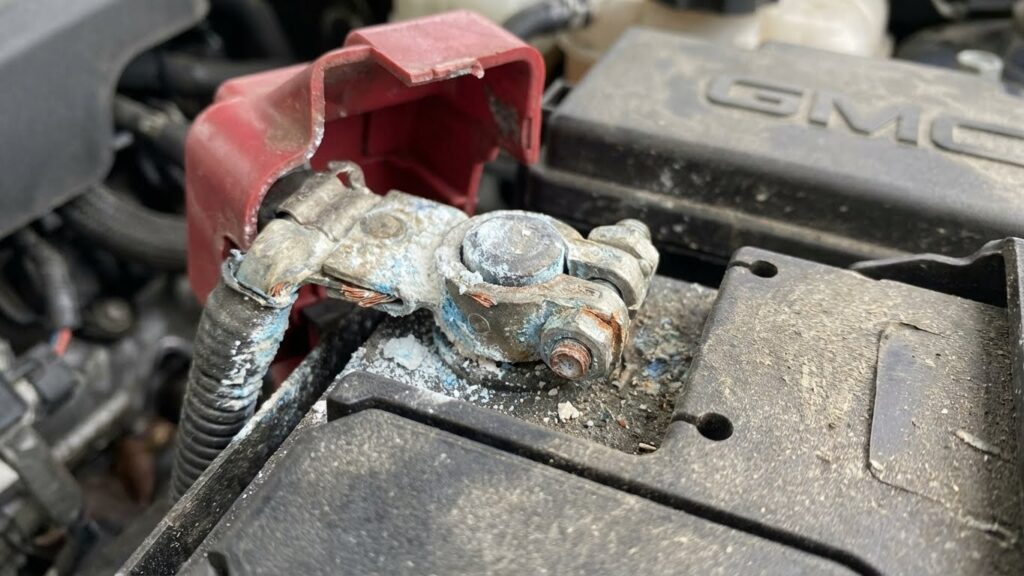
Corrosion or loose battery terminals can also prevent proper electrical flow. Even a fully charged battery may fail to send power if the connections are poor. Cleaning terminals and tightening clamps can often solve the problem quickly.
Sometimes, the battery itself is old or damaged and needs replacement. Testing the battery voltage and load capacity is important before treating other parts of the starting system.
Starter Motor Problems
The starter motor is responsible for cranking the engine. It draws a high current when activated. If it fails internally or suffers mechanical wear, it may click but not engage fully.
Common starter motor issues include worn brushes, a faulty armature, or a bad drive gear that doesn’t catch the engine’s flywheel. These faults produce a rapid clicking sound during starting attempts.
Starter motors can also have poor electrical contacts or a damaged casing that affects performance. Testing the starter motor separately can confirm if it needs repair or replacement.
Faulty Solenoid
The solenoid acts as a switch to transmit power to the starter motor. When it is defective, the ignition key’s signal causes a clicking sound as the solenoid tries to engage but fails to complete the circuit.
Common solenoid problems include worn internal contacts and coils that do not create enough magnetic force to shift the starter drive. A solenoid can also become stuck mechanically, preventing smooth operation.
Replacing the solenoid often fixes clicking starter issues that are not caused by battery or motor problems. Proper testing uses a multimeter or jumper cables to check if the solenoid can complete the circuit.
Electrical System Malfunctions
Electrical issues beyond the battery and starter can cause clicking sounds when starting. Faulty wiring, blown fuses, or bad relays interrupt the flow of electricity to the starter circuit.
Corroded ground wires or loose connectors reduce the current reaching the starter solenoid and motor. This causes insufficient power and the characteristic clicking without engine crank.
Diagnosing electrical faults requires checking all cables, connectors, and control modules involved in the starting system. Repairing damaged wires or replacing failed relays restores normal startup function.
How to Diagnose Clicking Sounds on Startup
Diagnosing clicking noises when starting a GMC Acadia requires careful listening and inspection. Checking the exact location of the sound, the condition of key components, and using the right tools helps pinpoint the issue quickly.
Identifying the Source of the Noise
The clicking usually comes from the engine area, often near the starter motor or battery. A rapid clicking sound often points to weak battery power, while a single loud click may suggest a problem with the starter or its solenoid.
Listening closely is important. If the lights dim when trying to start, the battery might be weak. If the clicking comes with no lights or power, it could be a dead battery or poor connection. Noting the noise pattern helps separate electrical issues from mechanical ones.
Performing Visual Inspections
Start by checking the battery terminals for corrosion or loose connections, which can cause voltage drops. Battery cables should be tight, clean, and free of damage. Corrosion looks like a white or green powder around terminals.
Next, inspect the starter motor area. Look for signs of wear, rust, or loose wiring. The starter relay and fuses should also be checked for damage or burns. If the battery and connections seem fine but clicking continues, the starter or solenoid may need testing or replacement.
Using Diagnostic Tools
A multimeter is key for measuring battery voltage and checking cable continuity. A healthy battery should read about 12.6 volts when off and above 10 volts while cranking. Lower voltage indicates the battery needs charging or replacing.
Jump-starting can quickly test the battery’s role. If the Acadia starts after a jump, the problem likely involves the battery or charging system. Testing the starter relay with a test light or swapping it with a known good relay helps confirm if the relay is faulty.
Using these steps narrows down the cause efficiently, saving time and repair costs.
Battery and Electrical System Troubleshooting
Diagnosing a clicking noise when starting a GMC Acadia often points to issues within the battery and electrical system. Key factors include the battery’s voltage level, the condition of terminals, and the state of cables and connections. Each one plays a critical role in delivering the power needed for the starter motor to crank the engine.
Testing Battery Voltage
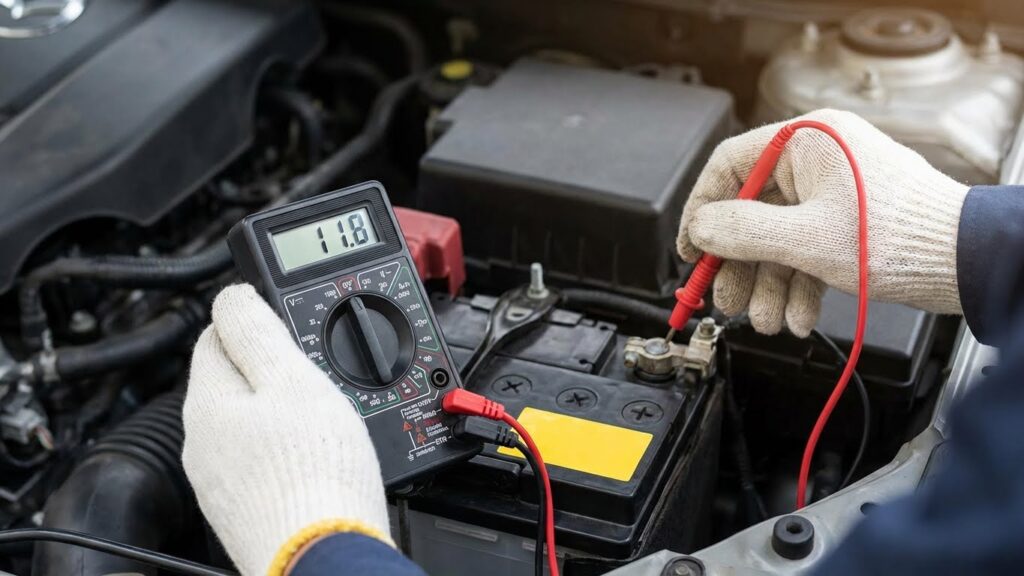
A weak or dead battery is the most common cause of a clicking noise without engine start. Measuring battery voltage gives a direct indication of its health. A fully charged battery should read about 12.6 volts when the engine is off.
If the voltage drops below 12.4 volts, the battery may be undercharged or failing. When the key is turned, the voltage can briefly drop but should not fall below 10 volts during cranking. Using a multimeter is the easiest way to check this.
If the battery voltage is too low, jump-starting or replacing the battery might be necessary. Testing at an auto parts store can confirm if the battery needs replacement.
Checking for Corroded Terminals
Corrosion on battery terminals blocks electrical flow, causing weak power delivery and clicking sounds. Corrosion appears as a white, blue, or green powdery substance around the battery posts.
First, disconnect the battery cables, starting with the negative terminal. Use a wire brush or battery cleaning tool to remove corrosion carefully. Applying a protective spray or grease after cleaning helps prevent further build-up.
Even a small amount of corrosion can create resistance, reducing current flow and preventing the starter from working properly. Regular maintenance of terminals ensures good electrical contact and stable starting.
Inspecting Cables and Connections
Battery cables and ground connections must be tight and intact to supply full power to the starter. Loose, frayed, or damaged cables can cause the clicking noise by interrupting the current flow.
Visually inspect the cables for cracks, bare wiring, or melted spots. Check the tightness of connections at the battery, starter, and grounding points. Wiggle the cables to detect any internal breaks.
Cleaning connectors and tightening bolts often solves the issue. If cables are damaged, replacement is necessary to restore reliable power delivery during startup.
Starter and Solenoid Examination
The clicking noise often points to trouble in the starter motor or the solenoid. Checking these components carefully helps identify if either part is failing or needs replacement.
Assessing Starter Motor Function
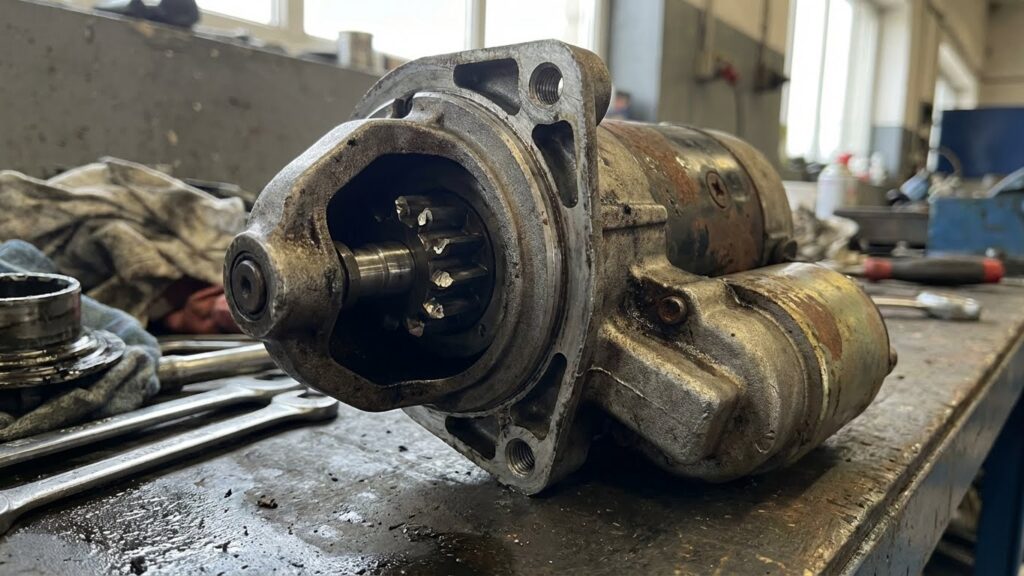
The starter motor is responsible for turning the engine over. If it fails, the engine won’t crank despite hearing clicks. To check it, one needs to test if the starter motor receives power during a start attempt.
A simple way is to measure voltage at the starter motor terminal when the key is turned. If the motor gets full battery voltage but does not turn, the motor is faulty.
Symptoms of a bad starter motor include multiple rapid clicks without engine movement and no grinding sounds. Inspect connections for corrosion or loose wiring before deciding on replacement.
Inspecting the Solenoid Relay
The solenoid relay acts as a switch, sending electrical current from the battery to the starter motor. It produces a single loud click if it activates but fails to provide power.
Signs of a bad solenoid include hearing a click without the engine cranking. Testing involves measuring voltage output at the starter motor while cranking. No voltage at the motor despite the click signals a bad solenoid.
Because solenoids are often attached to the starter, they are replaced as part of the starter assembly. Loose connections or low battery voltage can cause similar clicking sounds, so those should be checked first.
Additional Components That Can Cause Clicking
Several other parts in the GMC Acadia can cause clicking noises during startup. These issues usually relate to electrical systems that control power delivery and ignition.
Alternator Issues
The alternator plays a key role by charging the battery and powering the electrical system when the engine runs. If the alternator is failing, it may not keep the battery fully charged. This leads to a weak battery, which can cause the clicking noise when starting because the starter motor doesn’t get enough power.
Signs of alternator problems include dimming headlights, warning lights on the dashboard, or electrical accessories working poorly. A failing alternator can produce odd noises itself, including clicks or whines due to worn bearings or electrical faults inside.
Regular testing of the alternator’s output voltage helps detect problems early. If voltage is low or unstable, the alternator or its wiring may need repair or replacement to stop the clicking and avoid further starting issues.
Ignition Switch Problems
The ignition switch sends electrical power to the starter motor when the key turns. A faulty ignition switch can cause a clicking noise because it may not complete the circuit needed to engage the starter.
Common signs of ignition switch failure include intermittent clicking, no power to the dashboard, or the vehicle not turning over despite a good battery and starter. The internal contacts can wear out or get dirty, interrupting current flow.
Testing the ignition switch with a voltmeter or swapping it with a known good unit can confirm the issue. Repair or replacement is usually straightforward. Fixing ignition switch problems can eliminate clicking noises and ensure reliable starting.
Preventive Maintenance Tips for Avoiding Startup Noises
Proper care of the battery and electrical system can prevent many common causes of clicking noises when starting a GMC Acadia. Staying on top of these areas helps keep the vehicle reliable and minimizes unexpected problems at startup.
Regular Battery Checks
The battery is often the main source of startup clicking noises. It should be tested regularly, especially before extreme weather seasons. The battery’s voltage and overall condition need to be checked with a multimeter or at an auto shop.
Cleaning the battery terminals is also important. Corrosion builds up over time and can block power flow. Using a battery terminal cleaner or a mix of baking soda and water can remove corrosion safely.
Replacing the battery every 3 to 5 years, depending on use and climate, helps avoid weak charge issues. A failing battery will often cause rapid clicking sound without the engine turning over.
Routine Electrical System Inspection
Inspecting the electrical connections beyond the battery is equally critical. Wiring and fuses should be checked for signs of wear, damage, or corrosion. Loose or broken wires can create clicking noises by interrupting current flow to the starter.
The starter motor and solenoid should be part of this inspection. Faulty solenoids or poor electrical contact within the starter can mimic battery problems but require different repairs.
Keeping the fuse box clean and tightly connected prevents unwanted noise and starting issues. Professional assistance may be needed if wiring issues are complex or hard to spot.
When to Seek Professional Help for GMC Acadia Clicking Noise
If the clicking noise continues after simple checks like tightening battery connections or charging the battery, it is time to consult a professional. Persistent clicking can indicate problems that need detailed inspection, such as a faulty starter motor or a bad solenoid.
When the vehicle fails to start despite a fully charged battery, the issue might lie in the starter system or electrical wiring. These components require skilled diagnosis and repair to prevent further damage.
Other signs to watch for include:
- Multiple clicks with no engine crank
- Flickering dashboard lights alongside the clicking sound
- A sudden onset of noise after a repair or battery replacement
If the clicking noise happens along with other engine problems like stalling, it could signal deeper mechanical or electrical faults. Professionals can use diagnostic tools to pinpoint issues safely.
Trying repairs without the right tools or knowledge may cause more harm. A certified mechanic has the experience to inspect the battery, starter relay, wiring, and related parts accurately.
In summary, if basic fixes don’t stop the clicking, or if the problem worsens, professional help is necessary. Early expert intervention can avoid expensive repairs and keep the Acadia reliable.
Summary and Final Recommendations
If a GMC Acadia makes a clicking noise when starting, the most common cause is a weak or dead battery. It is important to check the battery’s charge first. They should look for corrosion on battery terminals and clean it if needed. Loose or damaged battery cables can also cause this problem.
The starter motor and starter solenoid are other key parts to inspect. A faulty starter or solenoid can cause repeated clicking without the engine turning over. Even with a good battery, poor electrical connections or a bad starter relay might be the reason.
Here are key points to check:
- Battery charge and condition
- Battery terminals and cable connections
- Starter motor and solenoid
- Starter relay and wiring
They should try jump-starting the vehicle first to rule out battery issues. If that does not work, testing or replacing the starter motor or checking wiring for corrosion and damage is advised.
Careful diagnosis is important to avoid unnecessary repairs. Simple battery maintenance often solves the problem. When replacing parts, using correct and quality components ensures lasting results.
FAQs
Why does my GMC Acadia make a clicking noise when I try to start it?
A clicking noise usually points to issues with the battery, starter motor, or electrical connections. A weak or dead battery is the most common reason. Corroded battery terminals or loose cables can also cause this problem.
Can a bad starter cause the clicking sound?
Yes. The starter motor or the starter solenoid might be faulty. If the solenoid fails, it won’t engage the starter properly, resulting in a clicking sound without the engine turning over.
Is it safe to keep trying to start the car when it clicks?
Repeated attempts can harm the starter motor or drain the battery further. It’s best to diagnose or fix the problem quickly. Checking the battery first is a good start.
What should be checked first when the Acadia won’t start but clicks?
Start by inspecting the battery charge level and the condition of its terminals. Also, look at the starter relay, fuses, and wiring for any visible damage or corrosion.
How can regular maintenance help?
Keeping the battery charged, cleaning terminals, and checking starter parts regularly reduces the chance of these issues. Prevention is easier than repair.
For more detailed troubleshooting tips, the official GMC service page offers useful resources. Additionally, the Battery Council International has important battery maintenance advice to follow.
Conclusion
A clicking noise when starting a GMC Acadia usually points to an electrical or mechanical issue. Common causes include a weak or dead battery, corroded battery terminals, or a faulty starter motor. Each of these problems affects the flow of electricity needed to start the engine.
Battery-related issues are often the easiest to check and fix. Cleaning the battery terminals or replacing an old battery can stop the clicking sound. If the battery is strong and connections are good, the problem might lie with the starter motor or solenoid.
The starter motor is a key component. If it or the starter relay fails, the engine may not turn over despite hearing clicking noises. In some cases, wiring or connection problems can disrupt power to the starter, causing the same symptoms.
To identify the exact cause, testing the battery voltage and inspecting electrical connections is recommended. Repair or replacement of parts may be necessary depending on the diagnosis.
Common causes of clicking noise:
| Cause | Description | Possible Fix |
|---|---|---|
| Weak Battery | Insufficient power for starter | Replace or recharge battery |
| Corroded Terminals | Poor electrical connection | Clean terminals |
| Faulty Starter Motor | Starter fails to engage engine | Repair or replace starter motor |
| Bad Starter Relay | Relay fails to send current | Replace starter relay |
Addressing these issues helps restore normal starting function and prevents further damage.