
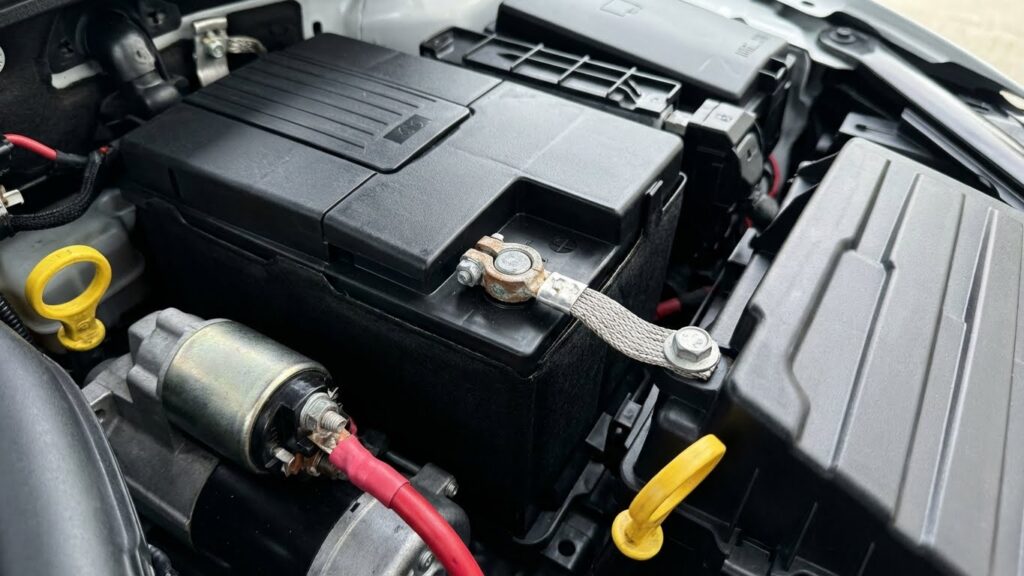
A clicking noise when trying to start a VW Golf is a common issue that often signals a problem with the starting system. The most frequent cause is a weak or dead battery that fails to provide enough power to the starter motor, resulting in the clicking sound without the engine turning over. While this can usually be fixed by charging or replacing the battery, other factors like corroded battery terminals, faulty starter motor, or poor electrical connections can also be responsible.
Sometimes the clicking sound comes from behind the dash or near the glovebox, which can be related to electrical components or relays reacting during the start process. Understanding the exact source of the sound and the reason behind it helps identify the right fix and avoids unnecessary replacements. Knowing how to diagnose the problem can save time and money.
Troubleshooting a VW Golf that clicks but won’t start involves simple checks like testing the battery and inspecting connections. More serious starter or electrical system issues may need professional help. Proper maintenance and early attention to clicking noises can prevent bigger problems down the road.
Key Takeways
- A weak battery is the main reason a VW Golf clicks but won’t start.
- Diagnosing electrical connections helps pinpoint the cause.
- Early maintenance can avoid costly repairs later.
Common Causes of VW Golf Clicking Noise When Starting
A clicking noise when trying to start a VW Golf usually signals an issue with power delivery or mechanical components involved in starting the engine. The most frequent problems arise from electrical faults or worn parts in the starting system. Understanding these causes helps in identifying and fixing the problem quickly.
Battery Issues
The battery is the primary source of power for starting the engine. A weak or dead battery often causes the clicking sound because it can’t supply enough voltage to turn the starter motor. When the battery voltage drops, the starter solenoid clicks rapidly but doesn’t have enough energy to engage the engine.
Corrosion on battery terminals also reduces electrical flow. If the terminals are dirty or loose, the battery’s power can’t reach the starter effectively. Checking the battery’s charge level and cleaning the terminals is a simple first step. In many cases, replacing an old or faulty battery resolves the clicking issue.
Starter Motor Problems
The starter motor controls the mechanical action to turn the engine over. A faulty starter or starter solenoid can cause the clicking noise without the engine actually turning.
If the starter motor’s internal parts, such as the gears or brushes, wear down or break, the motor might not engage properly. Similarly, a failing solenoid might click but fail to push the gear to mesh with the flywheel. This leads to a click instead of a crank.
Sometimes, the starter motor may heat up and fail after repeated attempts, causing intermittent clicking sounds. Testing or replacing the starter motor is often necessary when the battery is healthy, and the clicking persists.
Faulty Relay Switch
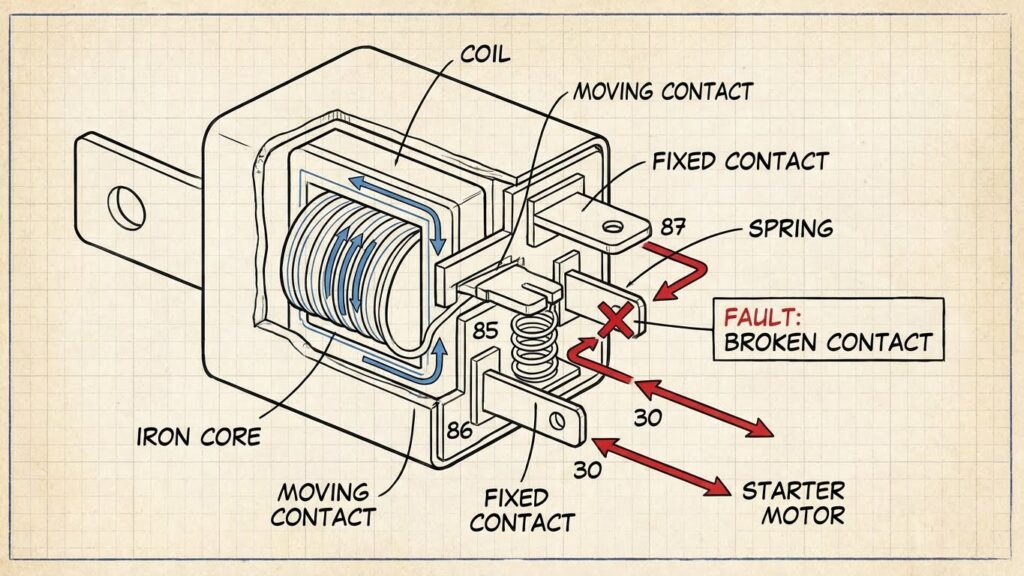
The relay switch acts as an electrical bridge, sending power from the battery to the starter motor. A defective relay can cause intermittent or weak clicks because it prevents the full electrical current from reaching the starter.
If the relay coils or contacts wear out, the relay might click but fail to close the circuit. This stops the starter from receiving enough power to turn over the engine.
Testing the relay with a multimeter helps identify problems. Replacing the relay is usually inexpensive and can fix the clicking sound if other components are functioning normally.
Wiring or Connection Faults
Loose or corroded wiring can stop electrical current from reaching the starter motor efficiently. Connections at key points like the battery terminals, starter, or relay can become loose, worn, or dirty over time.
Damaged wires or poor grounds create resistance that weakens the current flow. This causes the starter solenoid to click without cranking the engine.
Inspecting the wiring harness, cleaning contacts, and tightening connections often fix this issue. In rare cases, damaged wiring may need repair or replacement to restore full electrical function.
Diagnosing Clicking Noises in Your VW Golf
Identifying the cause of a clicking noise when starting a VW Golf requires careful observation and a few simple tests. Key checks include examining the battery and connections, listening closely to the sound patterns, and testing electrical parts related to the starting system.
Initial Visual Inspection
The first step involves checking the battery condition and terminals. Look for corrosion or loose connections, which can reduce electrical flow. A weak or dead battery is often the cause of the clicking noise and failure to start.
Next, inspect the starter motor and related wiring. Damaged or dirty wires can prevent the starter from engaging properly. It’s important to check the grounding points, as bad grounds can interrupt current flow and cause clicking.
Visual checks should also include the battery cables and their attachment points. Any visible wear, cracks, or fraying may indicate a need for replacement.
Listening for Specific Clicking Patterns
Careful listening helps understand the problem better. A rapid, repetitive clicking usually points to a weak battery struggling to supply enough power. If the clicks are spaced out and slower, it could signal a faulty starter solenoid or a poor electrical connection.
Some clicks might come from under the dash or inside the glovebox area, indicating issues with relays or control modules rather than the starter system itself.
Recognizing where and how the clicking sounds occur can narrow down the source. For example, clicks that increase with key turns but stop once driving starts usually tie back to starting components rather than the engine.
Testing Electrical Components
Testing begins with measuring the battery voltage using a multimeter. A fully charged battery should read about 12.6 volts or more when the engine is off. Anything lower may require charging or replacement.
Next, test the starter relay and solenoid by checking for power flow when the key is turned. A lack of voltage or inconsistent readings often means these parts need repair or replacement.
Finally, the starter motor itself can be bench tested to verify operation outside the vehicle. If it spins freely without engaging or produces the clicking sound during the test, replacing the starter is likely necessary.
How to Fix VW Golf Clicking Noise When Starting
The clicking noise when starting a VW Golf often points to issues with the battery, starter motor, or electrical connections. Addressing these areas methodically can restore normal function and prevent further damage.
Replacing or Charging the Battery
A weak or dead battery is the most common cause of the clicking noise. The battery may not have enough power to fully engage the starter motor. First, test the battery voltage with a multimeter; a healthy battery should read around 12.6 volts when the car is off.
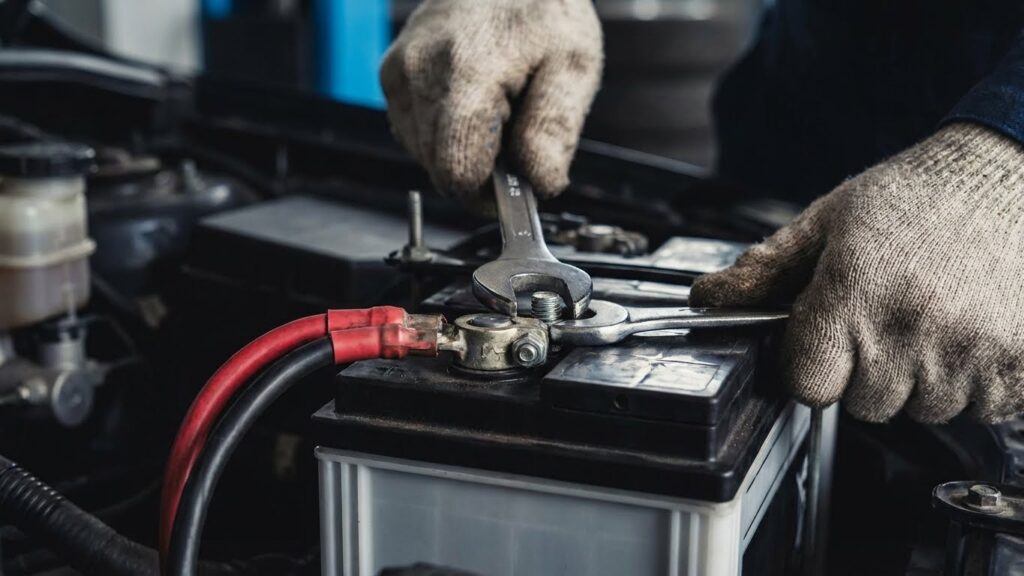
If the voltage is low, charging the battery with an external charger can sometimes fix the problem. If the battery is old or won’t hold a charge, replacement is necessary. Battery terminals should be clean and tight to ensure proper power flow. Corrosion on terminals can mimic a weak battery, so it is important to clean them with a wire brush before concluding the battery needs replacement.
Repairing or Replacing the Starter Motor
If the battery is good but the clicking noise continues, the problem may lie in the starter motor. The starter solenoid makes the clicking sound when it tries to engage but fails to turn the engine. This can happen if the starter gears are worn, the motor itself is faulty, or the solenoid is bad.
Testing the starter motor involves checking voltage at the starter while trying to start. If voltage is present but the motor does not engage, repair or replacement is needed. In some cases, cleaning the contacts or replacing the solenoid can fix the problem. If the starter motor is damaged beyond repair, replacing it with a new or remanufactured unit is the best option.
Securing Loose Connections
Loose or corroded wiring can interrupt power to the starter motor, causing the clicking noise without engine turn-over. Inspect battery cables, starter wires, and ground connections for tightness and corrosion.
Cleaning all electrical contacts with a wire brush and ensuring firm connections is crucial. Poor ground connections between the engine and chassis are a frequent cause of starting issues. After tightening and cleaning connections, re-test the starter. This simple step often solves click-only start problems by restoring reliable electrical flow.
When to Seek Professional Assistance
If the clicking noise continues despite basic checks and fixes, or if other engine problems appear alongside the noise, it is important to get expert help. Knowing when to call a mechanic can save time and prevent further damage.
Persistent Clicking Despite DIY Fixes
When the clicking sound keeps happening after replacing or charging the battery, cleaning terminals, or checking starter connections, professional diagnosis is needed. This may indicate issues with the starter motor, solenoid, or electrical wiring that require specialized tools and skills.
Simple fixes might not solve problems like a failing starter or hidden wiring faults. A mechanic can run tests to find weak spots. Ignoring persistent clicking risks leaving the car unable to start or causing damage to the starter system.
Signs of Additional Engine Issues
If the clicking noise comes with other symptoms, such as dimming lights, grinding sounds, or failure to crank, this could mean deeper engine troubles. Problems with the alternator, battery health, or fuel system might be involved.
Also, strange noises combined with rough idling or stalling suggest mechanical parts may be affected, requiring inspection. A professional can pinpoint the exact cause and prevent costly repairs by addressing early signs of engine failure or electrical faults.
Preventative Maintenance for VW Golf Starting System
Maintaining the starting system helps avoid common issues like clicking noises and failure to start. Regular attention to the battery and electrical connections ensures the engine receives enough power to crank properly.
Routine Battery Checks
The battery is often the main cause of starting problems in a VW Golf. It should be inspected every few months, especially before cold weather seasons. Check for corrosion on the terminals and clean with a battery terminal cleaner or a mixture of baking soda and water.
Use a multimeter to measure the voltage. A fully charged battery typically reads around 12.6 volts. Anything below 12.4 volts could mean the battery is weak and may struggle to start the engine.
Also, ensure the battery is tightly secured. Loose batteries can cause poor electrical connection and lead to a clicking sound when starting. Replacing the battery every 3-5 years is recommended to avoid unexpected failures.
Regular Electrical System Inspections
Electrical connections besides the battery are critical for consistent starting performance. Inspect the cables running to the starter motor for signs of wear or damage. Frayed wires can interrupt the flow of electricity and cause the starter solenoid to click without engaging the engine.
Ground connections should also be clean and tight. Rust or dirt on ground straps will reduce electrical flow and create starting issues. Use a wire brush to clean these connections and apply dielectric grease to prevent future corrosion.
If problems persist, testing the starter motor and alternator can identify faulty parts before they cause a no-start condition.
Potential Long-Term Impacts of Ignoring Clicking Noises
Ignoring clicking noises when starting a VW Golf can lead to several long-term issues. Often, these sounds point to problems like a weak battery, bad starter connections, or corrosion. If left unchecked, these issues may worsen, causing more serious failures.
A weak battery can drain further, making the car harder to start. This may also strain the starter motor, eventually leading to its failure. Replacement parts and repairs will likely cost more if the problem becomes severe.
Corrosion or poor electrical connections interfere with the starter’s function. Over time, this can result in inconsistent starting or complete failure to start. It can also cause additional wear on other electrical components.
Ignoring clicking noises may also damage the battery terminals or wiring. This damage can reduce the overall reliability of the vehicle and create safety risks.
| Problem | Possible Effect | Impact Over Time |
|---|---|---|
| Weak Battery | Difficulty starting car | Battery drains sooner |
| Corroded Terminals | Starter malfunction | Starter failure |
| Poor Connections | Intermittent starts | Electrical system damage |
Regular checks and timely repairs help avoid these long-term consequences. Addressing clicking noises early keeps the vehicle in good working order.
FAQs
Why does the VW Golf make a clicking noise when trying to start?
The clicking sound usually means the starter motor is trying to engage but can’t turn the engine. This often happens due to a weak battery, poor electrical connections, or a failing starter. Corrosion on battery terminals or a bad ground can also cause this issue.
Can a dead battery cause the clicking noise?
Yes. A weak or dead battery is the most common reason for a clicking noise without the engine starting. The starter solenoid clicks but doesn’t get enough power to turn the engine over. Checking the battery’s charge and terminals is a good first step.
What other parts should be checked if the battery is fine?
If the battery is in good condition, the starter motor or its electrical connections might be the problem. Loose or dirty wires can prevent the starter from working properly. Sometimes the starter motor itself needs to be replaced.
Is it safe to keep trying to start the car when it clicks but won’t start?
Repeated attempts to start a car with clicking noises can drain the battery further or strain the starter. It is better to test the battery first and then inspect wiring and the starter to avoid more damage.
Where can someone find more detailed advice?
Drivers can visit resources like the Volkswagen Owners website for guides, or check trusted car repair sites such as AutoZone for step-by-step troubleshooting and part replacements.
Conclusion
A clicking noise when starting a VW Golf usually points to an issue in the electrical or starting system. The most common cause is a weak or discharged battery. Corroded battery terminals or poor connections can also create this sound.
If the battery and its connections check out, the problem may lie with the starter motor or its solenoid. A bad starter can cause repeated clicking without the engine turning over. Sometimes, worn starter gears lead to grinding noises alongside clicks.
It is important to note that a single click or multiple clicks are signals that the engine is not getting enough power to start. Ignoring these signs can lead to more serious issues and potentially leave the vehicle stranded.
A simple checklist can help diagnose the issue:
| Cause | Symptom | Action |
|---|---|---|
| Weak battery | Multiple clicks, no start | Charge or replace battery |
| Corroded terminals | Clicking, poor connection | Clean or tighten terminals |
| Faulty starter motor | Clicking, no engine crank | Inspect or replace starter |
Regular battery maintenance and checking starter connections can reduce the chances of this problem. When in doubt, consulting a professional mechanic is recommended to avoid unnecessary repairs or delays.