
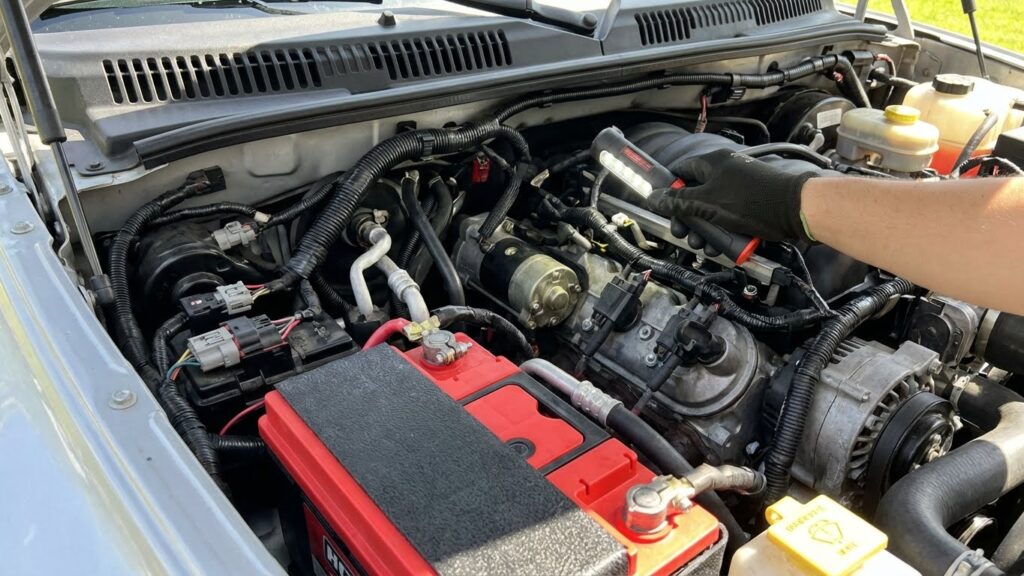
A clicking noise when starting a Dodge Durango often points to an electrical issue within the starting system. The most common cause is a weak or dead battery, followed by poor battery connections or a faulty starter motor. This noise usually means the engine isn’t receiving enough power to start properly, leading to frustration for many drivers.
Other possible reasons include corrosion on battery terminals, wiring problems, or issues within the starter system itself. Understanding these common causes helps make troubleshooting easier and faster. Addressing the problem early can prevent further damage and get the vehicle back on the road without delay.
Key Takeways
- Clicking noises usually indicate an electrical power issue.
- Battery and starter system faults are frequent causes.
- Proper diagnosis helps avoid costly repairs and downtime.
Common Causes of Dodge Durango Clicking Noise When Starting
A clicking noise when starting a Dodge Durango usually points to problems within the electrical or starter systems. Issues in these areas can prevent the engine from cranking and starting properly.
Bad Starter Motor
A faulty starter motor is a frequent cause of the clicking sound. The starter motor’s job is to turn the engine over when the key is turned. If the motor’s internal parts wear out or break, it may fail to engage fully. This results in a repetitive clicking noise but no engine turnover.
Signs of a bad starter motor include a rapid clicking sound and no engine response. Sometimes the starter gear may not engage with the engine’s flywheel at all. Replacing the starter motor often resolves this issue.
Weak or Dead Battery
A weak or dead battery is the most common cause of clicking sounds when the Dodge Durango won’t start. The clicking happens because the battery doesn’t have enough power to turn the starter motor.
Low battery voltage causes the starter solenoid to click rapidly without engaging the motor. Testing the battery’s voltage and charging status can quickly identify this issue. Many times, simply jump-starting or replacing the battery fixes the problem.
Faulty Solenoid
The starter solenoid acts as an electrical switch to send current from the battery to the starter motor. If this solenoid malfunctions, it may produce a single or rapid clicking noise but fail to power the starter motor.
A faulty solenoid can result from worn contacts or electrical faults in the switch. It is usually located near the starter motor and can be tested for proper operation. Replacing the solenoid or the starter assembly may be necessary to fix the clicking noise.
Loose Battery Connections
Battery cables that are loose, corroded, or damaged can also cause a clicking noise when trying to start the Durango. Poor connections reduce the flow of electricity needed to crank the engine.
Inspecting the battery terminals for corrosion or looseness is easy and should be done first. Tightening the clamps and cleaning corrosion can restore proper electrical contact. This simple fix often stops the clicking and allows the car to start normally again.
Diagnosing a Clicking Sound in Your Dodge Durango
A clicking noise when starting often points to an issue with the electrical or starter system. Properly identifying the type of click and checking key components helps narrow down the cause quickly. Listening carefully and testing the battery and connections are crucial first steps.
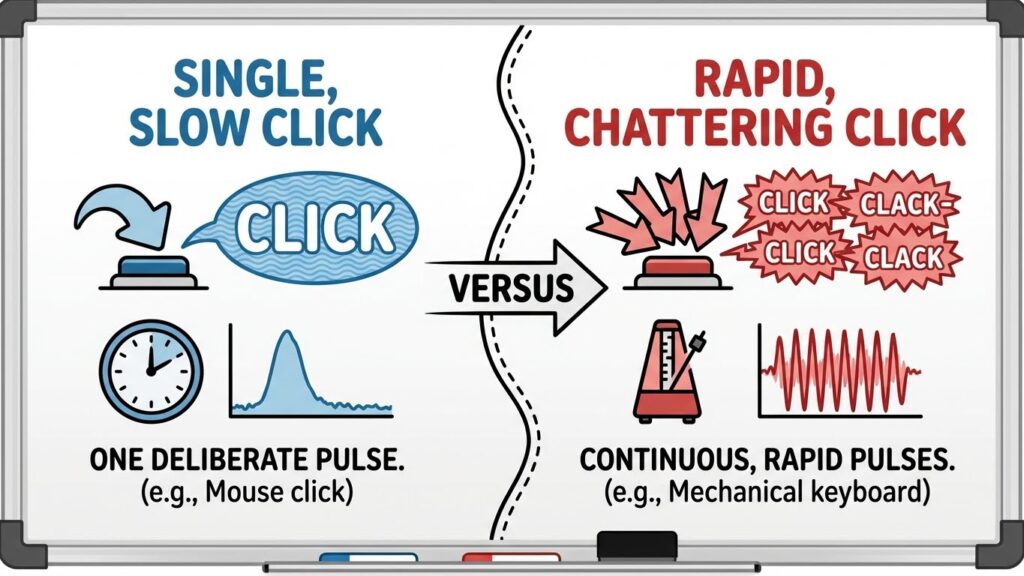
Identifying Single vs. Rapid Clicking
A single click usually means the starter solenoid is trying to engage but the starter motor isn’t turning. This can suggest a weak battery, poor electrical connection, or a faulty starter.
Rapid clicking sounds often indicate the battery doesn’t have enough power to turn the starter motor. This happens when the battery voltage is too low or the battery is old and weak.
The key difference:
- Single click: Possible starter or connection issue
- Rapid clicks: Usually battery-related
Checking Electrical System
Battery health is the top priority. Testing the battery voltage and charging level helps determine if it can support starting the Durango. Clean, tight battery terminals ensure good electrical flow.
Corrosion or loose cables often cause clicking noises. Inspect and clean the battery terminals and cable ends. Also, check the ground connection from the battery to the chassis as a bad ground can stop the starter from working.
Using a multimeter, measure voltage across the battery while attempting to start. If voltage drops significantly below 10 volts, the battery likely needs replacement or charging.
Listening for Relay Clicks
Relays control the flow of current to the starter motor. When the key is turned, the relay should click, sending power to the starter.
Match the clicking sound with the relay location. A relay that clicks without the starter turning may mean the starter motor or solenoid is faulty.
No relay click at all suggests an issue with the ignition switch, relay itself, or wiring.
Careful listening can help distinguish whether the problem starts before or at the starter relay, guiding the next diagnostic steps.
Battery-Related Issues Leading to Clicking Noise
Clicking noises when starting a Dodge Durango often come from problems with the battery or its connections. These issues affect the flow of electrical power needed to start the engine. Attention to battery health and connections can prevent these sounds.
Corroded Battery Terminals
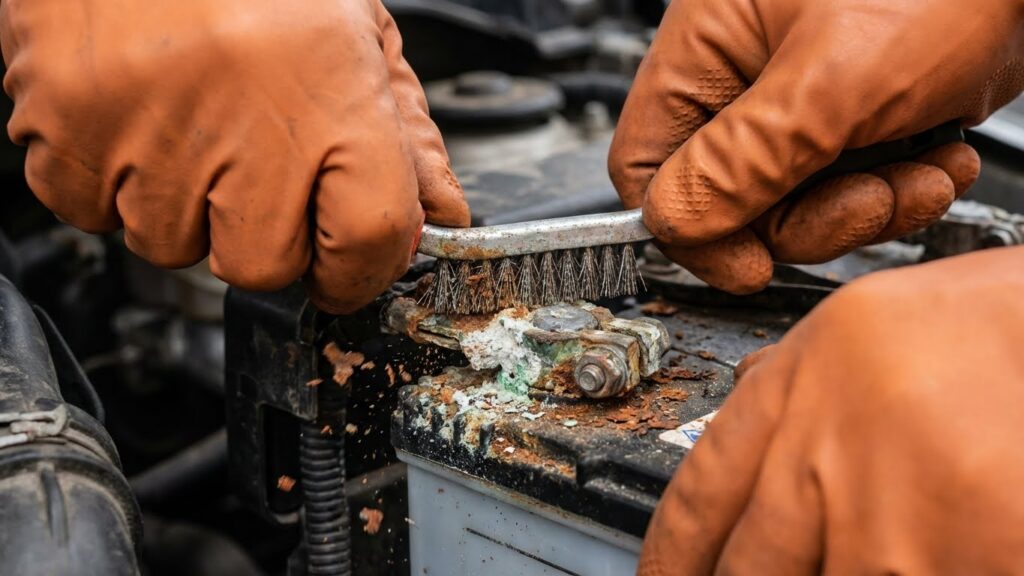
Corrosion on battery terminals is a common cause of poor electrical contact. When terminals get covered in white or greenish powder, it blocks the flow of electricity between the battery and the starter. This weak connection can cause the starter solenoid to click, but not enough power reaches the motor to crank the engine.
Cleaning the terminals regularly helps maintain a good connection. Using a mixture of baking soda and water or a terminal cleaner with a wire brush can remove corrosion. It’s also important to ensure the terminal clamps are tight. Loose clamps, even without corrosion, can cause similar clicking sounds due to intermittent power delivery.
Low Battery Voltage
A weak or discharged battery is the most frequent reason for a clicking noise during startup. The battery must provide a strong surge of electrical power to activate the starter motor. If the voltage is too low, the solenoid clicks rapidly or repeatedly, but the engine does not turn over.
Battery issues can stem from old age, leaving lights on, or a failing charging system. Measuring battery voltage with a multimeter can quickly identify if the charge is below the needed level (usually under 12 volts when the engine is off). Jump-starting or replacing the battery often fixes this problem.
Starter System Problems Specific to Dodge Durango
The clicking noise when starting a Dodge Durango often points to specific issues within the starter system. Two common causes are problems with the starter relay and wear on the starter Bendix. Each fault affects the starting process differently but leads to similar symptoms like repeated clicking or failure to crank.
Starter Relay Malfunction
The starter relay controls the electrical flow from the battery to the starter motor. In a Dodge Durango, a faulty relay can cause the starter to click without engaging. This happens because the relay fails to send enough current to the starter motor coil.
Symptoms include a rapid or single click when turning the key or pressing the start button, while dashboard lights may function normally. Testing the relay involves checking for voltage and listening for the relay’s click. Replacement is often a straightforward fix. Corrosion or loose wiring connected to the relay can also cause intermittent starting issues.
Regular inspection of the relay and its connections can prevent sudden failures.
Worn-Out Starter Bendix
The Bendix is a gear mechanism that engages the starter motor to the engine’s flywheel. Over time, the Bendix on a Dodge Durango starter can wear out or fail to extend properly. This results in the starter motor spinning without turning the engine, often heard as a single click or grinding noise.
A worn Bendix usually means the starter motor needs repair or replacement. Signs include slow starting, repeated clicking, or no engine turnover despite the starter motor running. Addressing Bendix wear early can prevent damage to the flywheel and avoid more costly repairs.
Technicians may inspect the starter by removing it and testing the Bendix’s movement and gear teeth condition.
Electrical Faults and Wiring Concerns
Electrical problems in the Dodge Durango often cause the clicking noise when starting. These issues typically arise from poor connections or damaged wiring that interrupts current flow to the starter. Attention to grounding and cable condition can help pinpoint the problem.
Faulty Ground Connections
A bad ground connection can stop the starter from getting enough electrical current. The ground wire links the battery’s negative terminal to the vehicle chassis. If this connection is loose, corroded, or broken, it creates resistance that causes the clicking noise instead of engine cranking.
Checking the battery ground involves inspecting the wire and cleaning both the terminal and chassis contact points. Tightening the connection or replacing corroded cables usually restores proper grounding. Without a solid ground, the starter motor cannot operate, even if the battery charge is sufficient.
Damaged Cables and Fuses
Damaged battery or starter cables can prevent proper electrical flow, triggering the no-start clicking symptom. Worn, frayed, or corroded cables reduce current and may cause intermittent or no crank issues. Similarly, blown fuses related to the starter circuit can break the power supply.
It’s important to visually inspect cables for signs of wear and test continuity with a multimeter. Replacing damaged cables or fuses often resolves the problem. Ensuring cables are tightly connected to the battery and starter is critical for reliable starting performance.
Engine Component Failures and Unusual Noises
When a Dodge Durango makes a clicking noise on startup, it often points to specific mechanical issues under the hood. Problems can arise from parts inside the engine or electrical components controlling the ignition system.
Seized Engine or Accessories
A seized engine or its accessories can produce a sharp clicking sound when the key is turned. This usually happens if internal engine parts, like pistons or valves, have locked up due to lack of oil or wear. The components cannot move freely, causing the starter to click repeatedly as it struggles to turn the engine over.
Accessories such as the alternator, power steering pump, or water pump can also seize. If one of these parts jams, it adds extra resistance to the engine’s rotation, resulting in clicking sounds when trying to start the vehicle.
Signs to watch for include clicking noises that come in quick succession, difficulty turning the engine manually, or visible damage under the hood. This issue requires immediate mechanical inspection to prevent further damage.
Faulty Ignition Switch
A malfunctioning ignition switch is a common source of clicking noises during startup. The ignition switch sends power from the battery to the starter motor. If it fails to deliver this power correctly, the starter may click without turning the engine.
This problem can appear as intermittent clicking noises or complete failure to start. It often happens due to worn internal contacts or electrical faults inside the switch. Corrosion or loose wiring connected to the ignition switch can also cause similar symptoms.
Testing the ignition switch involves checking the electrical flow to the starter and examining the physical condition of the switch. Repairing or replacing a faulty switch usually restores normal starting function and eliminates the clicking noise.
How to Fix Clicking Noise When Starting a Dodge Durango
The clicking noise when starting a Dodge Durango usually points to an electrical problem. Fixing it involves checking the battery, connections, and starter components carefully. Some fixes can be done quickly at home, while others need a professional’s attention.
Simple Troubleshooting Steps
Start by inspecting the battery. A weak or dead battery is the most common cause of the clicking sound. Testing the battery with a multimeter can show if it holds enough charge. If the voltage is below 12.4 volts, the battery might need charging or replacement.
Next, check the battery terminals and cables. Corroded or loose connections can prevent proper current flow. Clean the terminals with a wire brush and tighten the cable clamps securely.
If the battery is fine, test the starter motor. Sometimes the starter solenoid clicks but doesn’t engage the engine. Tapping the starter gently with a hammer can help free stuck parts temporarily. However, a faulty starter usually requires replacement.
When to Seek Professional Help
If simple checks do not solve the problem, professional help is necessary. A certified mechanic can perform advanced tests on the electrical system, including the starter relay, ignition switch, and wiring.
Complex issues like a failing starter motor or a problem in the engine’s fuel or ignition system often need diagnostic equipment. Mechanics can also ensure proper installation of new parts to avoid further damage.
Avoid repeated attempts to start the vehicle without fixing the root cause, as it may drain the battery or cause damage to the starter system.
Preventative Maintenance to Avoid Starting Issues
Regular maintenance plays a key role in preventing clicking noises when starting a Dodge Durango. Checking the battery condition is a top priority. A weak or dead battery often causes starting problems. People should test the battery voltage and clean terminals to avoid corrosion buildup.
The starter motor and its connections should be inspected regularly. Loose or damaged wiring can cause poor electrical contact, leading to clicking sounds. Ensuring all wiring is secure and free of damage helps maintain a smooth start.
Fuel and ignition systems also need care. Replacing spark plugs and fuel filters at recommended intervals keeps the engine running well. Ignition switches can wear out over time, so they should be tested if issues occur.
Below is a simple checklist for maintenance to reduce starting issues:
| Task | Frequency | Notes |
|---|---|---|
| Battery inspection | Every 6 months | Clean terminals and check charge |
| Starter motor check | Annually | Look for loose wires or wear |
| Spark plug replacement | Every 30,000 miles | Follow manufacturer guidelines |
| Fuel filter replacement | Every 30,000 miles | Prevents clogging |
| Ignition switch test | As needed | Check if starting issues appear |
By following these steps, the risk of clicking noises and other start-up problems decreases. Regular inspections catch small problems before they become bigger. This keeps the Dodge Durango starting reliably.
FAQs
Why does my Dodge Durango make a clicking noise when I try to start it?
The clicking noise usually means the starter motor is trying to engage, but it can’t turn the engine. This is often caused by a weak or dead battery, loose battery connections, or corrosion on the terminals. A failing starter or electrical issue can also cause the click without engine turnover.
Can a bad battery cause the clicking sound but no start?
Yes, a weak or dead battery is the most common cause. When the battery does not supply enough power, the starter solenoid clicks repeatedly. Testing the battery voltage or jump-starting the vehicle can confirm if the battery is the issue. More about battery care can be found on the Battery University website.
What should be checked if the battery is fine?
If the battery is strong, the next step is to check the starter motor and its connections. A faulty starter or wiring problem could cause the clicking. Examining the battery terminals for corrosion and cleaning them often helps. It is also important to inspect the ground wires and fuses.
Is the clicking sound dangerous?
No, the clicking noise by itself is not dangerous. However, it indicates the engine is not starting, so it needs attention. Ignoring the problem could lead to the vehicle not starting at all.
Can cold weather cause the clicking noise?
Yes, cold weather can reduce battery efficiency, making it harder to start. This can lead to the clicking sound. Keeping the battery fully charged and performing regular checks can reduce this issue in winter months.
For more detailed starter and battery troubleshooting tips, the AutoZone Repair Guide is a helpful resource.
Conclusion
A clicking noise when starting a Dodge Durango often points to common electrical or mechanical issues. The most frequent cause is a weak or dead battery. Batteries that lack enough charge or have corroded terminals can prevent the engine from turning over, leading to the clicking sound.
Other possible causes include a faulty starter motor or problems with the starter solenoid. These parts are critical for engaging the engine during startup. If the battery is in good condition, the starter system should be checked next.
Key points to consider:
- Battery health and terminal cleanliness
- Starter motor and solenoid condition
- Electrical connections and wiring integrity
If a grinding noise accompanies the clicking, the issue may involve the starter gear or flywheel, which might need replacement. Regular maintenance and prompt attention to electrical components can reduce the chance of startup problems.
In many cases, diagnosing the cause is straightforward. Testing the battery first saves time and money. If the battery is fine, professional inspection of the starter and electrical system is advised. Understanding these causes can help pinpoint the problem quickly and avoid unnecessary repairs.