
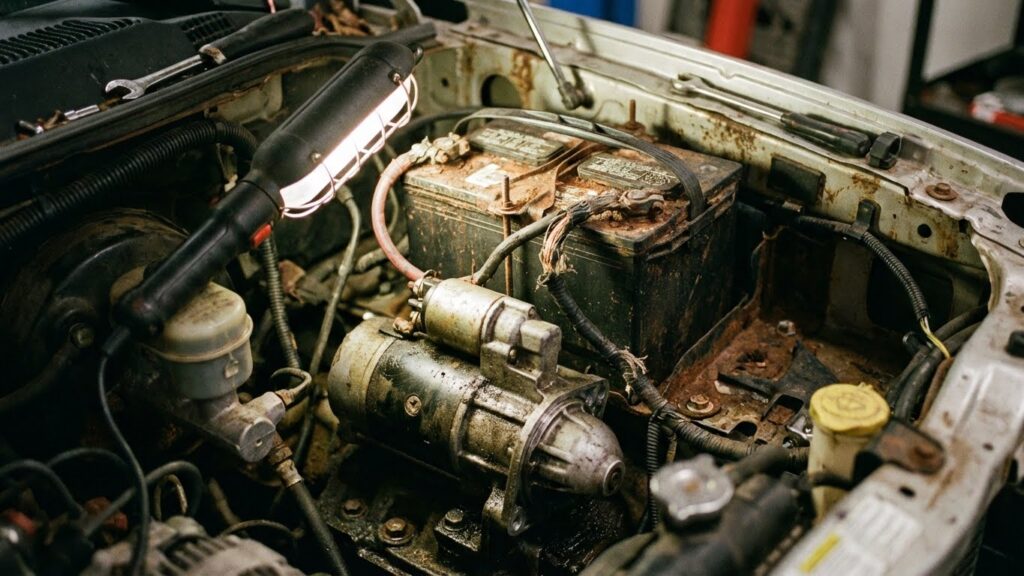
If a Dodge Ram 1500 makes a clicking noise when starting, it usually points to an electrical problem. The most common cause is a weak battery or poor battery connection, which prevents the starter from getting enough power to turn the engine over. Other reasons might include issues with the starter itself, a bad ground connection, or problems in the ignition system.
Sometimes, the clicking noise happens only when the engine is cold and stops after warming up. This can be related to low oil pressure or lifter noises that go away once the engine oil circulates properly. Diagnosing the exact cause early can help avoid bigger repairs and get the truck running smoothly again.
Understanding why the Ram clicks but won’t start helps owners know what to check first. Simple fixes like cleaning battery terminals or replacing the battery can often solve the problem. However, more complex electrical or starter system issues might require professional attention.
Key Takeaways
- Clicking noises usually come from battery or starter problems.
- Cold start clicking can be due to low oil pressure.
- Early diagnosis can prevent costly repairs.
Common Causes of Clicking Noise When Starting a Dodge Ram 1500
When a Dodge Ram 1500 makes a clicking noise on startup, it usually points to electrical or mechanical issues. The problem often involves parts that relate to power delivery and ignition. The most frequent causes include battery problems, starter motor faults, poor electrical connections, and issues with the ignition switch. Each affects the ability to start the engine and creates the clicking sound.
Dead or Weak Battery
A dead or weak battery is the top reason for clicking noises when the Ram 1500 won’t start. The battery might have low voltage or insufficient current to power the starter motor fully. This results in a quick clicking noise from the starter solenoid as it gets a weak electrical signal but cannot turn the engine over.
Battery terminals can corrode over time. Corrosion or loose connections reduce power flow, even if the battery itself is okay. Drivers should check the battery charge level and look for any corrosion or loose clamps. Jump-starting or replacing the battery is often necessary if the battery is dead or too weak to start the truck.
Faulty Starter Motor
A faulty starter motor can cause a clicking noise without the engine turning. The starter motor may fail internally, or its solenoid could be malfunctioning. This solenoid clicks when trying to engage, but a worn starter motor won’t spin the engine.
Sometimes, the starter motor works outside the vehicle but fails under load due to wear or electrical interruptions. Testing the starter alone helps diagnose this issue. If the starter is bad, replacing it will usually fix the clicking and no-start problem.
Bad Electrical Connections
Bad electrical connections in the starting system often cause clicking sounds. Loose, corroded, or damaged wiring to the starter or battery can interrupt electrical flow. Even if the battery and starter are fine, poor connections stop enough power from reaching the starter motor.
Common spots to check include battery terminals, ground wires, and starter connections. Cleaning or tightening these connections restores proper current flow. Ignoring electrical connection issues can cause repeated starting failures or damage to components.
Defective Ignition Switch
A defective ignition switch may cause clicking noises when trying to start the Ram 1500. The ignition switch sends the electrical signal to the starter solenoid. If it fails or has poor electrical contacts inside, the signal may be weak or inconsistent.
This causes the starter solenoid to click but not fully engage the starter motor. Testing the ignition switch’s electrical function can confirm this problem. Replacing a faulty ignition switch often stops the clicking and allows the engine to start normally again.
Diagnosing the Clicking Noise

Identifying the cause of the clicking noise when starting a Dodge Ram 1500 involves careful listening, a close look at the battery and cables, and testing the starter circuit. Each step provides specific clues to narrow down the problem and decide on the right fix.
Listening for Single Vs. Rapid Clicks
The pattern of the clicking sound is important. A single, slow click often points to a starter motor issue, like a faulty solenoid or starter gear. This means the starter tries to engage but fails to turn the engine.
Rapid clicking, in contrast, usually means the battery doesn’t have enough power. The starter solenoid clicks repeatedly because there isn’t enough electrical current to crank the engine. This rapid clicking is often a sign of a weak or dead battery.
Pay attention to whether the clicking happens just once or rapidly repeats. This detail helps distinguish between electrical issues and mechanical faults.
Visual Inspection of Battery and Cables
A simple visual check can reveal common problems. Look for corroded battery terminals, which can block the flow of electricity. White or greenish powder indicates corrosion.
Also check the battery cables for frays, cracks, or loose connections, especially at the terminals. Loose cables can cause poor contact, leading to clicking without starting.
If the battery case looks swollen or damaged, the battery may be failing and will likely need replacement. Checking the battery voltage with a multimeter can confirm its health but a visual inspection is the first step.
Testing the Starter Circuit
Testing the starter circuit shows if the starter is receiving and using power correctly. Use a multimeter to check the voltage at the starter terminals when the key is turned. It should read close to the battery voltage.
If voltage is present but the starter doesn’t turn, the starter or solenoid is likely bad. If no voltage shows up, the issue could be a bad ignition switch, wiring problem, or a faulty relay.
Another quick test is tapping the starter gently with a hammer while someone turns the key. Sometimes this frees a stuck starter gear, allowing the engine to start.
Together, these tests isolate whether the problem is electrical or mechanical, guiding proper repairs.
Battery and Charging System Issues
A clicking noise when starting can often point to problems with the battery or charging system. These issues affect how much power reaches the starter and can prevent the engine from turning over properly.
Corroded Battery Terminals
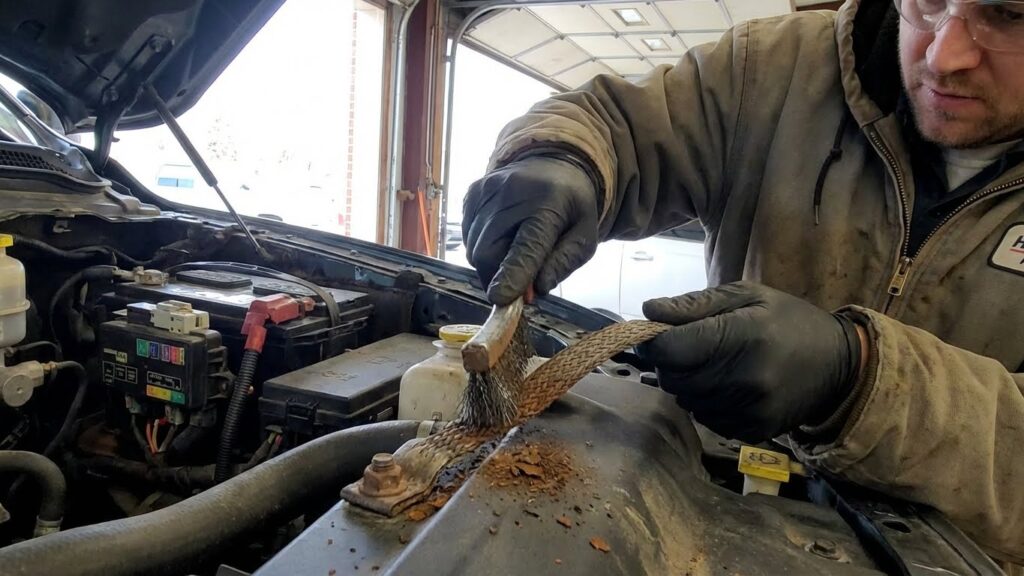
Corroded battery terminals block the flow of electrical current from the battery to the starter. Over time, exposure to moisture and chemicals causes white or greenish buildup on the terminals. This buildup increases resistance in the electrical path, which can cause the clicking noise.
Cleaning the terminals with a wire brush or a battery terminal cleaner can improve conductivity. It’s important to ensure the battery cables are tightly connected after cleaning. Loose or dirty connections can make the battery appear weak, even if it is fully charged. Regular checks can prevent starting problems linked to corrosion.
Alternator Problems
The alternator charges the battery while the engine runs. If the alternator fails or weakens, the battery doesn’t gain enough charge. This can cause the battery voltage to drop to levels insufficient for starting the engine, leading to clicking sounds.
Signs of alternator issues include a dim dashboard light or a battery warning light. Using a multimeter, one can measure voltage output. Ideally, the alternator should maintain above 13.5 volts during operation. If lower, the alternator may not be charging the battery properly, requiring repair or replacement.
Parasitic Battery Drain
Parasitic drain occurs when electrical components continue to use battery power after the engine is off. This slow drain can reduce the battery’s charge enough to cause clicking noises when starting.
Common causes include interior lights left on, faulty relays, or aftermarket accessories that draw power unnecessarily. Testing for parasitic drain requires a multimeter set to measure current. If the drain is above normal levels, the faulty circuit must be identified and fixed to prevent battery discharge and starting failure.
Starter System Problems
Clicking noises when starting often point to issues within the starter system. Problems with the components that help engage the starter can stop the engine from turning over, even if the battery and wiring are fine.
Worn-Out Starter Solenoid
The starter solenoid acts as a switch that sends power to the starter motor. When it wears out, it may click but fail to complete the circuit needed to turn the engine. This can cause a rapid clicking sound when trying to start the vehicle.
A worn solenoid can also cause intermittent starting problems. The connection inside may be weak or corroded, resulting in inconsistent power delivery to the starter. Testing the solenoid for continuity and voltage can confirm the issue.
Replacing the solenoid is often necessary if it no longer reliably closes the circuit. It’s a common fix when the starter motor itself checks out as functional but the truck still won’t start properly.
Damaged Starter Relay
The starter relay manages the electrical flow from the ignition switch to the starter. If it is damaged or fails, it may cause the clicking noise without the starter motor engaging.
A faulty relay often results in no response from the starter, or the starter engaging only briefly. Relay failure can stem from internal contact wear, corrosion, or electrical faults.
Testing the relay involves checking for correct voltage output when the key is turned. Swapping the relay with a known good one is a quick way to diagnose the problem.
Replacing a damaged relay restores proper current flow to the starter, eliminating the clicking sound and allowing the engine to crank normally.
Electrical Component Failures
Issues with electrical parts often cause a Dodge Ram 1500 to click but fail to start. Problems with wiring, switches, or fuses can interrupt the flow of electricity needed to crank the engine. These failures should be checked carefully when diagnosing starting issues.
Blown Fuses
A blown fuse can stop the starter or related electrical systems from working. The starter system relies on various fuses to protect it from power surges or faults. If one of these fuses blows, the starter may get no power, causing the clicking sound without the engine turning over.
Checking fuses is simple: locate the fuse box, usually under the hood or inside the cab, and inspect the starter and ignition fuses. If a fuse is blown, it will look broken or charred inside. Replacing the fuse with one of the same amp rating can restore the circuit. However, if fuses keep blowing, an underlying electrical fault must be found and fixed to avoid repeated failures.
Malfunctioning Neutral Safety Switch
The neutral safety switch stops the Ram from starting unless the gear is in Park or Neutral. If this switch is faulty or misaligned, it may block the starter signal, causing clicking but no start.
Signs of a bad switch include no response when the key turns, or being able to start only in certain gear positions. Testing involves shifting the transmission through gears and trying to start the truck. Replacement or adjustment of the switch usually fixes the issue. This part is critical for safety and must work correctly to allow engine start only in safe conditions.
Solutions for Clicking Noise in Dodge Ram 1500
Fixing the clicking noise when starting a Dodge Ram 1500 often involves addressing common electrical issues. Key steps include checking the battery’s condition and making sure all electrical connections are clean and secure. Both are important to restore proper power flow.
Replacing a Dead Battery
A dead or weak battery is a frequent cause of the clicking noise at startup. When the battery doesn’t have enough charge, it fails to power the starter motor fully. This results in repeated clicks as the starter attempts to engage but can’t turn the engine over.
To fix this, test the battery voltage with a multimeter. A healthy battery should measure about 12.6 volts when the engine is off. Anything below 12 volts often means the battery needs replacement. If the battery is old or has damaged cells, replacing it restores the needed power. After installing a new battery, the clicking noise should stop, allowing the engine to start normally.
Cleaning Electrical Connections
Corrosion or loose connections at the battery terminals and starter wiring can also cause clicking sounds. Poor electrical contact restricts the current flow. This limits the power reaching the starter motor, preventing the engine from turning over.
Cleaning battery terminals and cable connectors is a simple but effective step. Disconnect the battery, then use a wire brush or baking soda solution to remove corrosion. Tighten the cables firmly once clean. It’s also important to check ground wires for solid attachment to the chassis. After cleaning and securing all connections, the electrical system should deliver stable power. This often resolves the clicking noise and start issues in the Dodge Ram 1500.
Preventative Maintenance Tips for Dodge Ram 1500 Owners
Keeping the electrical and starting systems in good shape is key to avoiding issues like clicking noises when starting. Regular checks and timely care can help spot potential problems early and ensure reliable performance.
Regular Battery Testing
The battery is often the first cause of starting problems with a clicking noise. Testing the battery’s voltage and cold cranking amps regularly can reveal if it is weak or failing. A fully charged battery should have around 12.6 volts or more when the engine is off.
Battery terminals must be clean and tight. Corrosion can cause poor electrical contact, leading to weak starts or clicking sounds. Using a battery terminal cleaner or a mix of baking soda and water helps keep connections clean.
Testing frequency depends on climate and usage but generally checking every 6 months is effective. Replacing an old or weak battery before it fails prevents sudden starting problems and damage to other electrical parts.
Inspecting Electrical Components
Electrical components like the starter motor, solenoid, and wiring are crucial for smooth engine starts. Inspecting these parts for wear, loose connections, or corrosion can prevent clicking noises caused by poor electrical flow.
The starter solenoid is a common source of clicking if it fails to engage the starter motor properly. Checking for secure mounting and sound wiring connections can prevent this issue. Look for frayed wires or burnt spots in the starter circuit.
Regular inspection of fuses and relays linked to the starting system ensures they function correctly. Replacing faulty parts early maintains a reliable starting process and reduces the risk of electrical faults sounding like a click at startup.
When to Seek Professional Help
If the clicking noise occurs every time the Dodge Ram 1500 is started and does not go away after the engine warms up, it is a sign to get a professional inspection. Persistent ticking could indicate worn lifters, timing chain issues, or exhaust manifold leaks that need expert diagnosis.
A clicking noise accompanied by the engine failing to start is often linked to electrical problems like a weak battery or poor starter connections. In these cases, quick repair by a technician is important to avoid further damage and ensure reliable starting.
When the clicking noise changes in intensity with engine speed but gets worse over time, it suggests internal engine wear or lubrication problems. A mechanic can check the oil pressure and condition, and assess if parts like lifters or fuel injectors are causing the noise.
If the noise comes from the front end, especially when turning the wheel, it could be related to suspension or axle components rather than the engine. Professional evaluation is necessary to prevent unsafe driving conditions.
Seek help promptly if any of the following occur:
- Clicking noise persists or worsens after warm-up
- Engine fails to start and just clicks
- Noise changes with RPM and grows louder
- Accompanied by vibrations or loss of power
- Noise linked to steering or wheel movement
Timely professional checks can prevent expensive repairs and keep the Ram 1500 running smoothly.
FAQs
Why does my Dodge Ram 1500 make a clicking noise when I try to start it?
The clicking usually means the starter motor is not getting enough power. Common causes include a weak or dead battery, corroded battery terminals, or a bad starter connection. It can also be caused by a poor ground or an issue with the starter solenoid.
Can a fully charged battery still cause the clicking sound?
Yes, even if the battery shows 12 volts, it might not have enough current to turn the starter. Testing with a load tester or checking battery terminals for corrosion can reveal hidden problems.
Is it possible the starter is faulty if it clicks but doesn’t turn the engine?
Yes. Sometimes the starter solenoid clicks, but the starter motor won’t spin. This could mean the starter is bad or the wiring to it is damaged. Removal and bench testing of the starter can help confirm this.
What should be checked first when the engine clicks but won’t start?
Start with the battery and its cable connections. Look for corrosion or loose connections. Next, check the starter motor wiring and ground wires. Symptoms like dimming lights or flickering suggest electrical issues.
Where can more troubleshooting steps be found?
Dodge’s official website or trusted automotive repair sites like AutoZone offer helpful guides on starter and battery testing. Following these can assist in proper diagnosis and repair.
Conclusion
A clicking noise when starting a Dodge Ram 1500 often points to common issues that can be checked quickly. The most frequent causes include a weak battery, poor battery connections, or a faulty starter. These problems are usually easy to diagnose and fix with basic tools.
It is important to check the battery terminals for corrosion and ensure the cables are tight. A failing starter relay or a bad ground connection could also cause the clicking sound without the engine cranking. These electrical parts sometimes fail before more serious damage happens.
In some cases, the noise might come from the engine itself, such as lifter tick or low oil pressure. This kind of ticking typically goes away once the engine warms up and oil pressure stabilizes. If the sound increases with RPM or lasts longer, a mechanic’s inspection is advised.
Steps to try first:
| Check | Reason |
|---|---|
| Battery charge | Weak battery often causes clicks |
| Battery terminals | Corrosion can block power flow |
| Starter and relay | May fail to engage starter motor |
| Ground connections | Poor ground can disrupt circuits |
Routine maintenance and addressing these issues early can save time and money. If simple fixes don’t work, professional help will find the root cause with proper tools.