
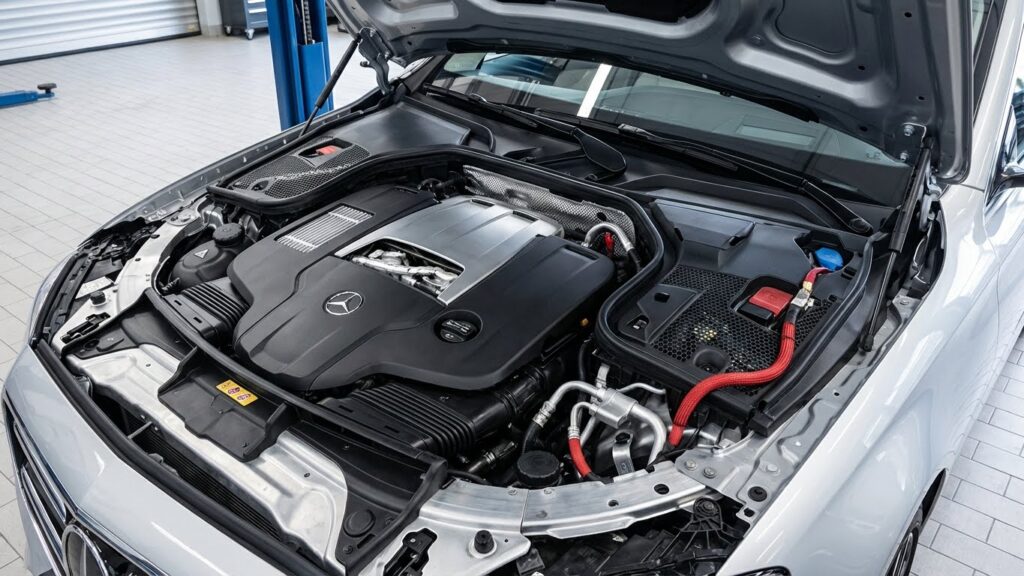
Many Mercedes owners have experienced a clicking noise when trying to start their vehicle. This sound usually points to an electrical problem, with the most common cause being a weak or dead battery. Other typical reasons include a failing starter motor, a faulty starter relay, or issues with the alternator.
A clicking noise when starting a Mercedes often means the starter isn’t getting enough power to turn the engine over, usually because of battery or wiring problems. Understanding this can help owners take the right steps to diagnose and fix the issue quickly. Knowing what to check first can save time and avoid unnecessary repairs.
This guide will explore the common causes of the clicking noise, how to pinpoint the problem, and when to seek professional help. Mercedes vehicles have complex electrical systems, so knowing what to look for is essential for keeping the car running smoothly.
Key Takeways
- A weak battery is the most frequent cause of clicking noises when starting a Mercedes.
- Starter motor or relay faults can also prevent the engine from turning over.
- Checking the electrical system early helps avoid bigger problems later.
Common Causes of a Mercedes Clicking Noise When Starting
A clicking noise when trying to start a Mercedes usually points to electrical or mechanical issues. The sound often means the engine is not turning over properly. Three main causes are linked to this problem: issues with the battery, the starter motor, or the electrical connections.
Weak or Dead Battery
A weak or dead battery is the most frequent cause of a clicking noise during startup. When the battery doesn’t have enough power, the solenoid attempts to engage, creating a rapid clicking sound. However, it fails to crank the engine because there isn’t enough energy to turn the starter motor.
Cold weather, age, or leaving lights on can drain the battery quickly. Batteries usually last 3 to 5 years, so an old battery might struggle. Testing voltage and checking battery terminals for corrosion helps diagnose this issue.
Faulty Starter Motor
If the battery is in good condition but the clicking noise remains, the starter motor may be at fault. The starter motor’s job is to spin the engine when the key turns. Over time, internal parts like brushes and bearings can wear down.
A faulty starter motor may produce repeated clicks as it struggles to engage. Sometimes, tapping the starter lightly can temporarily improve function, but this signals it needs repair or replacement. Ignoring starter issues can lead to complete failure and leave the car unable to start.
Poor Electrical Connections
Loose or corroded electrical connections can disrupt power flow and cause clicking sounds. Corrosion on battery terminals or cables reduces current to the starter motor. Similarly, worn wiring or bad grounds interfere with proper electrical contact.
Inspecting and cleaning terminals, tightening clamps, and replacing damaged wires often resolves this problem. Electrical issues may also cause intermittent clicking instead of a constant sound, making diagnosis slightly more complex but still straightforward to fix with proper maintenance.
How to Diagnose the Clicking Noise
Diagnosing a clicking noise when starting a Mercedes involves careful listening and observation. The sound’s pattern and timing provide important clues. Inspecting key components can reveal visible problems. Using diagnostic tools helps pinpoint issues accurately.
Listening for the Type of Click
The first step is to listen closely to the clicking sound. A rapid, repeated clicking usually points to a weak battery or low voltage. This happens because the starter motor does not get enough power to turn the engine over.
If the clicking noise is slower or only happens once, it might indicate a problem with the starter motor itself. Sometimes, worn or damaged internal parts can cause this kind of sound.
Noticing when the noise occurs—during initial key turn or after a delay—is important. Consistent clicking during startup but no engine turnover suggests electrical issues in the starting system. Different patterns can help narrow down the cause.
Visual Inspection Tips
After listening, a visual check of certain parts can reveal obvious problems. Begin with the battery terminals. Look for corrosion, loose cables, or damaged wiring. Dirty or weak connections often cause clicking noises.
Next, inspect the starter motor for signs of wear or damage. Check for loose bolts or broken wires near the starter. Sometimes small parts like solenoids may be visibly cracked.
It also helps to examine the fuses related to the ignition and starting systems. A blown fuse can interrupt the electrical flow and cause clicking noises.
Using Diagnostic Tools
Using a multimeter or scan tool provides precise data on electrical performance. A multimeter can measure battery voltage, voltage drop across terminals, and current to the starter motor.
If the battery voltage drops below 12 volts during the start attempt, it confirms a weak battery or poor connection. A scan tool can read starter and battery system codes stored in the vehicle’s computer.
These tools can show if the starter motor or related sensors are malfunctioning. They also help verify if there are electrical shorts or wiring issues that cause clicking sounds at startup.
Battery-Related Clicking Issues
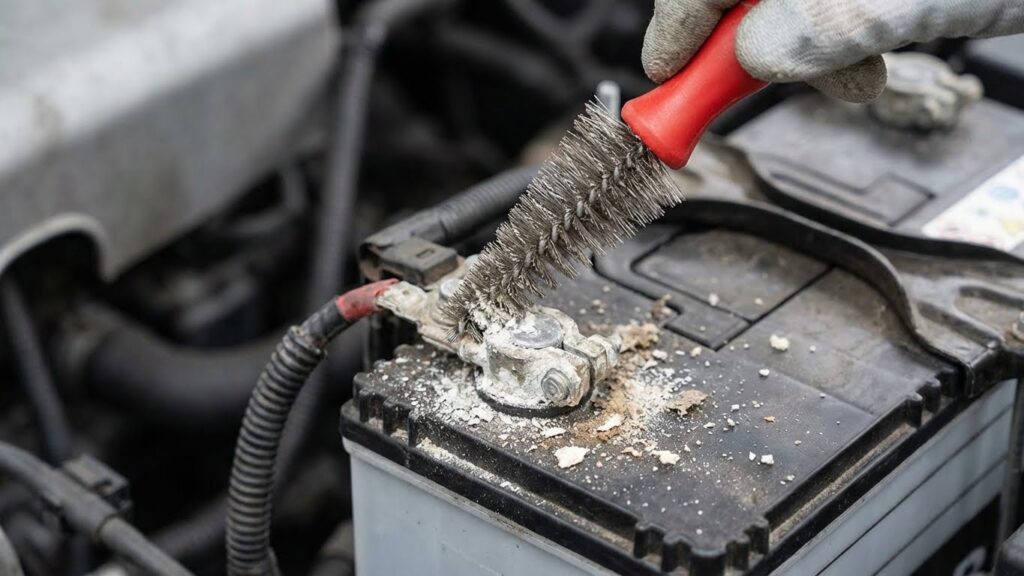
Battery problems are a common cause of clicking noises when starting a Mercedes. These issues usually involve weak power output, poor electrical connections, or a need for testing to confirm battery health.
Identifying Battery Failure
When a Mercedes makes a clicking noise without starting, battery failure is often the first suspect. A weak or dead battery cannot supply enough power to engage the starter motor fully. This results in rapid clicking sounds as the starter’s solenoid tries and fails to activate.
Signs of battery failure include dim or no dashboard lights, slow or no cranking of the engine, and multiple clicks heard when turning the key. If the battery is older than three years, its capacity might be significantly reduced. It’s important to check battery age and symptoms carefully before assuming the starter is the problem.
Corroded Terminals
Corrosion on battery terminals can disrupt electrical flow, causing clicking sounds when the engine won’t start. The corrosion looks like white, blue, or green powder around the battery posts and cable ends. This buildup increases resistance, reducing the power reaching the starter.
Loose connections combined with corrosion worsen starting problems. Cleaning the terminals with a battery brush or a mixture of baking soda and water can restore better contact. Always disconnect the battery before cleaning, and tighten cables securely after. Neglecting terminal corrosion may lead to repeated clicking noises even if the battery is fine.
Battery Testing Methods
Testing the battery is essential to confirm if it’s causing the clicking noise. A common way is using a multimeter to measure voltage. A fully charged battery typically reads about 12.6 volts or higher when the car is off. Anything below 12.4 volts suggests the battery is weak.
Load testing is another method. It simulates starting the engine by applying a heavy drain on the battery to see if it holds voltage under stress. Many auto parts stores offer free battery testing that includes this step. If the battery fails these tests, replacing it is usually the best solution to stop the clicking noise.
Starter Motor and Relay Problems
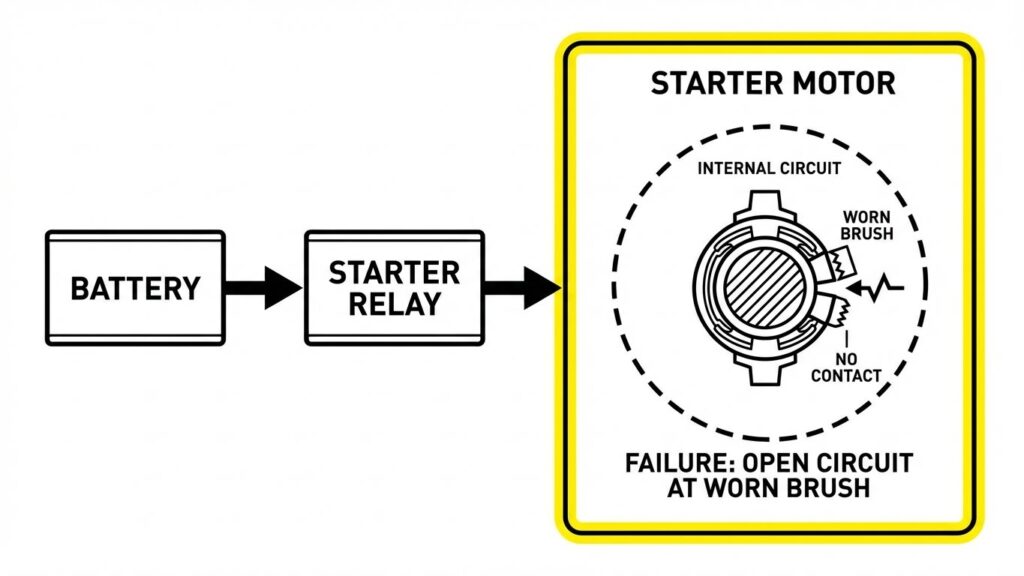
A clicking noise when starting a Mercedes often points to issues within the starter motor or the relay. These parts are essential for the engine to crank and start properly. Problems here can prevent the engine from turning over even if the battery has enough power.
Symptoms of a Bad Starter
When the starter motor fails, the engine may not crank, or it might produce a single click sound without turning over. A clicking noise usually means the starter solenoid is trying to engage but cannot power the motor windings. Other signs include intermittent starting problems, or the engine turning over very slowly. Sometimes, the starter gear may not properly engage with the flywheel, causing the same clicking sound without starting.
Visual checks might reveal worn motor components or loose wiring. If the battery and connections are good, the starter is often the cause.
Starter Relay Issues
A faulty starter relay can cause clicking sounds as it attempts to send current to the starter motor but fails. Symptoms include repeated clicks, no crank, or needing multiple key turns to start the engine. The relay may also cause unusual heating or buzzing noises near the fuse box.
The relay acts like a switch for the starter, so if it fails, power won’t reach the motor. Loose or corroded terminals are common problems that affect relay performance and can mimic starter motor failure. Testing or replacing the relay is often necessary to fix these issues.
Alternator and Charging System Failures
Issues in the alternator and charging system can cause clicking noises when starting a Mercedes. These problems affect the battery’s power and the vehicle’s ability to start and run smoothly.
Alternator Malfunctions
A faulty alternator often causes the battery to lose charge quickly. If the alternator fails to generate enough voltage, the battery will not recharge properly. This leads to a weak or dead battery during startup.
Common signs of alternator malfunction include a clicking sound when turning the key, dimming headlights, or warning lights on the dashboard. Sometimes, belts or wiring connected to the alternator can cause similar noises, so checking these is also important.
Technicians measure alternator output to confirm its condition. A healthy alternator usually produces around 13.6 volts. If the reading falls below this, the alternator likely needs repair or replacement.
Impact on Mercedes Starting System
When the alternator fails, the battery drains fast and can’t supply enough power to the starter motor. This causes the engine to crank slowly or not at all, producing a rapid clicking sound from the starter relay.
A weak battery often results in the starter clicking repeatedly without engaging the engine. Sometimes, the car will start but stall soon after because the alternator is not maintaining the battery’s charge.
This connection between the alternator and battery is crucial. If the alternator doesn’t work properly, the Mercedes will struggle to start and may break down unexpectedly. Checking both components helps avoid these issues.
Other Possible Mechanical or Electrical Faults
When a Mercedes makes a clicking noise at startup, the problem may go beyond a weak battery or starter motor. Faults in the ignition switch or wiring can also cause similar symptoms. These issues affect the electrical flow needed to engage the starter and can prevent the engine from turning over.
Ignition Switch Failures
The ignition switch sends power to the starter motor and other systems when the key is turned. If the switch is faulty, it may fail to send enough power. This can cause a clicking sound as the starter tries to engage but does not get full power.
Signs of ignition switch problems include intermittent starting failures or the dashboard lights flickering when turning the key. Over time, wear or corrosion inside the switch can disrupt electrical contacts. Replacing the ignition switch usually resolves these starting issues.
Wiring Issues
Loose, corroded, or damaged wiring in the starting circuit can cause a clicking noise. Poor connections restrict the electrical current flow necessary for the starter motor to work properly. Common wiring problems involve the battery terminals, starter cable, or ground wires.
To diagnose wiring faults, technicians check for corrosion, broken wires, or loose clamps. They may use a voltmeter to test for voltage drops. Fixing wiring issues involves cleaning connections, tightening terminals, or replacing damaged wires to restore proper power flow.
Step-by-Step Troubleshooting Guide
Diagnosing a clicking noise when starting a Mercedes requires a careful and organized approach. It involves safety measures, testing electrical and mechanical parts, and following clear steps to pinpoint the exact cause. Attention to detail and patience are necessary for an accurate diagnosis.
Safety Precautions
Before starting any tests, it is important to take safety seriously. The battery and starter motor involve electrical currents that can cause shocks or sparks.
First, the car should be parked on a flat surface with the parking brake engaged. Disconnect the negative battery terminal if any wiring will be handled to avoid shorts. Avoid wearing loose clothing or metal jewelry that could accidentally touch battery terminals.
Always use insulated tools when working around the battery and starter. If the vehicle has recently been running, wait for the engine and exhaust parts to cool down to prevent burns.
Wearing safety glasses is recommended to protect eyes from sparks or debris. Following these safety steps minimizes risks and prepares the technician to perform testing more confidently.
Testing Each Component
To find the source of the clicking noise, begin with the battery. Check the battery voltage using a multimeter; it should read about 12.6 volts when the car is off. If voltage is low, recharge or replace the battery.
Next, inspect battery cables and terminals for corrosion, looseness, or damage. Tighten and clean as needed.
Test the starter motor by listening for the click sound when turning the key. If clicking occurs but the engine doesn’t crank, the problem may be a defective starter relay or the motor itself. A diagnostic scan tool or a bench test can verify the starter’s condition.
The alternator should be checked to ensure it charges the battery properly. A failing alternator can cause low battery voltage leading to clicking noises.
Each part should be tested systematically from the battery to the starter system to avoid missing hidden problems.
Best Practices for Effective Diagnosis
Start with simple checks before moving to complex parts. Visual inspection of cables and connections can save time. Use a checklist to track voltage levels, sounds, and test results.
Avoid replacing parts without testing, as this can cause unnecessary costs. If the problem is intermittent, replicate conditions such as weather or temperature changes when testing.
Keeping a repair manual or wiring diagram handy helps understand the circuit design. Using proper tools like a multimeter, battery load tester, and scan tools improves accuracy.
Record findings at each step. Clear notes reduce repeat work and help if professional help is later needed. Effective diagnosis depends on patience and attention to detail rather than rushing fixes.
Professional Repair Solutions
When a Mercedes produces a clicking noise at startup, it often signals an electrical or mechanical issue that requires professional attention. A trained technician will first test the battery voltage to rule out low power as the cause. Weak batteries are a common reason for clicking sounds, and replacing or charging the battery may solve the problem quickly.
If the battery is in good condition, the next step is to inspect the starter motor and relay. Faulty starters or relays can cause rapid or single clicks without engine turnover. Professionals check for worn components and replace them if needed to restore reliable starting function.
Loose or corroded wiring connections are another frequent cause. Mechanics will examine battery terminals, starter wiring, and grounds to ensure all electrical contacts are secure and clean. Tightening or cleaning connections often prevents further issues.
In some cases, the alternator may be at fault. A mechanic will test the alternator’s charging ability because a failing alternator can lead to a weak battery and clicking noises during startup. Repair or replacement of the alternator is recommended when it no longer maintains sufficient battery charge.
| Common Repairs | Purpose |
|---|---|
| Battery Charging/Replacement | Restore full power to starter |
| Starter Motor/Relay Replacement | Fix mechanical starting failure |
| Wiring Inspection and Repair | Ensure proper electrical flow |
| Alternator Testing and Repair | Maintain battery charge |
Professional repair ensures these checks and fixes happen quickly and safely. It prevents damage caused by repeated unsuccessful starting attempts.
Preventive Maintenance Tips for Mercedes Starting Systems
Regular maintenance helps keep the Mercedes starting system working properly and can prevent clicking noises. One of the most important parts to check is the battery. Batteries lose power over time, especially in hot or cold weather. It is best to test the battery voltage and charge it or replace it if needed.
The starter motor and its wiring also deserve attention. Loose or corroded wires can cause poor connections, leading to starting issues. Checking for clean, tight connections reduces the risk of failure. If the starter motor shows signs of wear, replacing it early can avoid sudden breakdowns.
The alternator plays a key role in keeping the battery charged. If it fails, the battery won’t have enough power to start the car. Testing the alternator output during routine service can catch problems before the car makes clicking noises.
Keeping the ignition system clean and functional matters too. Dirt or corrosion on ignition parts can stop the car from starting. Regular inspections and cleaning improve reliability.
Lastly, drivers should pay attention to warning signs like slow engine crank or repeated clicking. These signs mean a professional check is needed soon. Preventive care saves time and money by avoiding costly repairs later.
| Maintenance Item | Suggested Action | Frequency |
|---|---|---|
| Battery | Test and charge/replace | Every 6-12 months |
| Starter motor | Inspect wiring and operation | Annually |
| Alternator | Test charging output | Annually |
| Ignition system | Clean and inspect | Annually |
FAQs
Why does a Mercedes make a clicking noise but won’t start?
This usually points to an electrical issue. Common causes include a weak battery, faulty starter motor, or loose wiring. Sometimes, the alternator may fail to charge the battery properly, leading to low voltage and clicking sounds.
What does the clicking sound mean?
The clicking is the starter solenoid trying to engage. It moves the starter gear to the engine’s flywheel. If it clicks but the engine doesn’t turn over, the starter may be bad or the battery may not have enough power.
Can a low battery cause the clicking noise?
Yes. A weak battery often causes the rapid clicking sound when turning the key. It may still have enough power for dashboard lights but not for starting the engine. Charging or replacing the battery usually fixes this.
Are there any simple checks before going to a mechanic?
They can check battery terminals and cables for corrosion or loosening. Cleaning or tightening connections can solve the issue. Jump-starting the car can confirm if the battery is the cause.
Is the starter motor expensive to replace?
Starter motors vary in price depending on the Mercedes model. Repair cost should be compared with professional advice. Detailed guides on starter problems are available on sites like AutoZone and Mercedes-Benz official resources.
Could other parts cause the clicking sound?
Yes, relays or fuses related to the starting system can cause issues. Sometimes the problem is deeper, such as a faulty ignition switch or safety interlock system.
Conclusion
A clicking noise when starting a Mercedes usually points to an electrical problem. Common causes include a low battery, a faulty starter motor, or loose wiring. Each of these issues stops the engine from turning over properly.
Checking the battery is the first step. If the battery voltage is low or the terminals are corroded, the car may only make a clicking sound without starting. Recharging or replacing the battery often fixes the problem.
If the battery is fine, the starter motor or its relay could be the issue. A defective starter might produce a single loud click or rapid clicking when trying to start the engine. Tightening any loose connections can also help.
Here is a simple checklist to follow:
| Cause | Possible Fix |
|---|---|
| Low battery voltage | Recharge or replace battery |
| Corroded terminals | Clean battery terminals |
| Faulty starter motor | Repair or replace starter |
| Loose wiring | Tighten or replace connections |
If the clicking continues after these steps, the alternator or ignition switch may need to be checked. In many cases, professional evaluation ensures the right part is fixed.
Understanding the source of the clicking sound allows for quicker diagnosis and repair. Ignoring it can lead to further electrical damage or being stranded.