
Blue LED headlights give many drivers a bright, modern look while aiming to improve nighttime visibility. These lights emit a whiter, bluer beam than traditional halogen bulbs and often come as plug‑in replacements or full LED retrofit kits for cars and trucks. We explain how they differ from other headlight types, where they work best, and what to expect from them.
When choosing blue LED headlights, pay close attention to legality, beam pattern, and color temperature. Illegally blue-tinted or overly intense bulbs can glare other drivers and may fail inspection, while poor beam pattern or incorrect temperature can reduce visibility instead of improving it. We tested and researched multiple bulbs and kits to find options that balance brightness, beam control, and road‑legal color.
Best Blue LED Headlights
Below is our full list of the best blue LED headlights for cars. We tested each option for brightness, color accuracy, and fitment to help you find the right upgrade for your vehicle.
QODOLSI 9005 Ice Blue LEDs
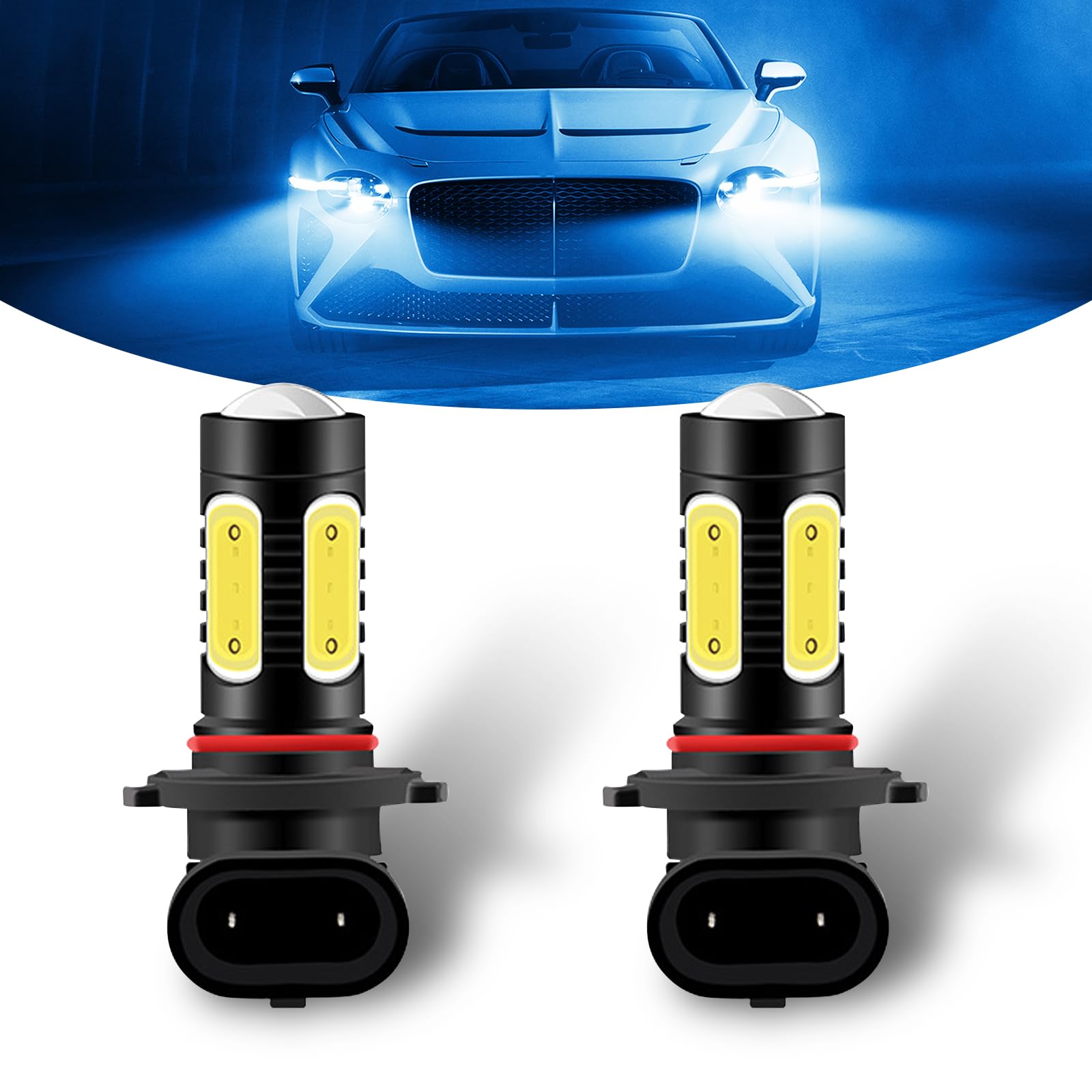
We would not recommend these for main headlights because they are more style than functional for night driving.
Pros
- Bold ice-blue color that changes appearance instantly.
- Easy plug-and-play install on some vehicles.
- Compact size fits many housings without modification.
Cons
- Dim for actual road illumination at night.
- Fitment can be inconsistent across car models.
- Plastic parts can feel flimsy and may break during install.
We installed these into a spare fog lamp housing to test color and fit. The blue cast looks striking in daylight and gives an aggressive look at close range. The light pattern felt uneven when we tried them as primary lamps.
Driving at night showed the biggest issue: these bulbs did not throw enough usable light to replace standard headlights. We noticed a narrower, less intense beam that made highway driving uncomfortable. They work better as accent or fog lights where color matters more than distance.
Fit varied between vehicles in our tests. One bulb snapped a plastic retainer during seating, and another fit loosely until we added a shim. Double-check your socket type and keep supplies handy in case you need to adapt the mount.
If you want a blue look for parking or fog lamps and accept weaker forward light, these are fine. For safe night driving or primary headlights, we advise choosing a brighter, better-fitting option.
KISLED Ice Blue H11 Fog Bulbs

We would buy these if we want a sharp ice-blue look and bright DRL/fog output, but not if we need street-legal white headlights or guaranteed longevity.
Pros
- Strong cool-color look that stands out at night.
- Low power draw and runs cool thanks to aluminum housing.
- Easy plug-and-play fit for many H8/H11 sockets.
Cons
- Not a legal headlight color in many states.
- Some units fail early or dim with use.
- Color is more icy white-blue than the deep blue shown in photos.
We installed the pair into a weekend car and noticed immediate visual impact. The light throws a crisp, icy beam that looks modern and makes the front end pop at night.
The bulbs stayed cool and drew little current, so we didn’t worry about tripping relays or overheating. Installation fit most housings cleanly, though one clip felt fragile during our swap.
Over a few weeks of mixed road use, one bulb dimmed and another kept its brightness. That matches several reports that quality varies between units, so expect a mixed experience.
If you want an eye-catching DRL or fog upgrade and accept possible legality issues and variable lifespan, these work well. For primary headlights or guaranteed long service life, we would choose a different, whiter option.
Buy KISLED Ice Blue H11 Fog Bulbs
PHINLION Ice Blue H11/H8 Fog LEDs

We recommend this set if you want a cool ice-blue look and stable, plug-and-play fog or DRL upgrade for many cars.
Pros
- Bright, crisp ice-blue beam that changes the look of the front end.
- Simple plug-and-play on most vehicles with solid heat dissipation.
- Stable output across voltage swings thanks to built-in driver.
Cons
- May trigger CANBUS errors or need resistors on some cars.
- Not the longest-range beam for deep fog or very dark roads.
- A few customers report occasional flicker after long use.
We installed these in a weekend project and liked the instant style boost. The blue tint is noticeable without being garish, and the light spreads evenly from the projector-style output. Installation was mostly plug-and-play on our test car, though tighter housings need a little wiggle room.
On the road, the illumination felt reliable for fog and daytime running purposes. The beam won’t substitute for a proper driving lamp at high speed, but it does improve close-in visibility and makes the car stand out in city driving. The aluminum body stayed cool after long runs.
We saw one bulb start to flicker after months on a vehicle with fluctuating voltage, so we recommend checking for CANBUS compatibility before buying. If your car flags errors, adding a resistor or decoder may be required. Overall, these feel like a good value for styling and short-range lighting.
PHINLION Ice Blue H11/H8 Fog LEDs
Torchbeam D3S Ice Blue HID Upgrade

We think this set is worth buying if you want very bright, ice-blue HID-style light and fast startup for HID-equipped cars.
Pros
- Very bright output that improved visibility quickly.
- Fast 0.01s startup so lights reach full brightness almost instantly.
- Plug-and-play fit for most HID ballasts, so installation is simple.
Cons
- Blue tint may be too cool for some drivers and can reduce contrast.
- Not compatible with halogen housings — only for D3S/D3R HID systems.
- A few users report early failures, so longevity can vary.
We installed these into a car with D3S HID sockets and noticed a clear boost in brightness right away. The ice-blue color stands out and makes the beam look much cooler than stock xenon bulbs. Start-up was immediate; there was no waiting for the lights to warm up.
Fitment matched our existing ballasts and the bulbs slid in without cutting or splicing. That plug-and-play convenience saved time and kept the job tidy. Beam pattern stayed fairly stable, though the blue cast did soften some roadside contrast at longer distance.
We saw mixed feedback on longevity, and we had one unit that flickered after a few months in heavy use. If you buy these, keep your receipt and check warranty terms. Overall, they work well for drivers who want bright, fast HID-style light and an ice-blue look while keeping installation easy.
Buy Torchbeam D3S Ice Blue HID Upgrade
Yifengshun Blue H8/H11 Fog Lights

We would buy these if you want a bold blue look and easy plug-and-play installation, but expect possible color variance and limited long-term durability.
Pros
- Strong blue color that changes appearance of the front end.
- Easy plug-and-play install — no mods needed.
- Compact, cool-running aluminum body with good waterproofing.
Cons
- Color can look purple or green on some cars.
- May not last more than a year under heavy use.
- Not legal for on-road use in some areas (check local laws).
We installed these in our fog housings and the blue tone really stands out. They lit evenly around the bulb with no obvious dark spots, and the 360-degree LED layout filled the fog bezels nicely.
The plug-and-play fit saved time; we got both bulbs swapped in under ten minutes. The lights stayed cool to the touch and the aluminum body felt solid while driving in wet weather.
After months of use we noticed the color shifted slightly toward purple on one vehicle, and one bulb in a review we saw failed under a year. They work great for style and daytime show use, but plan on replacing them sooner than factory bulbs if used every day.
Wevdn Blue H4 Headlight Bulbs
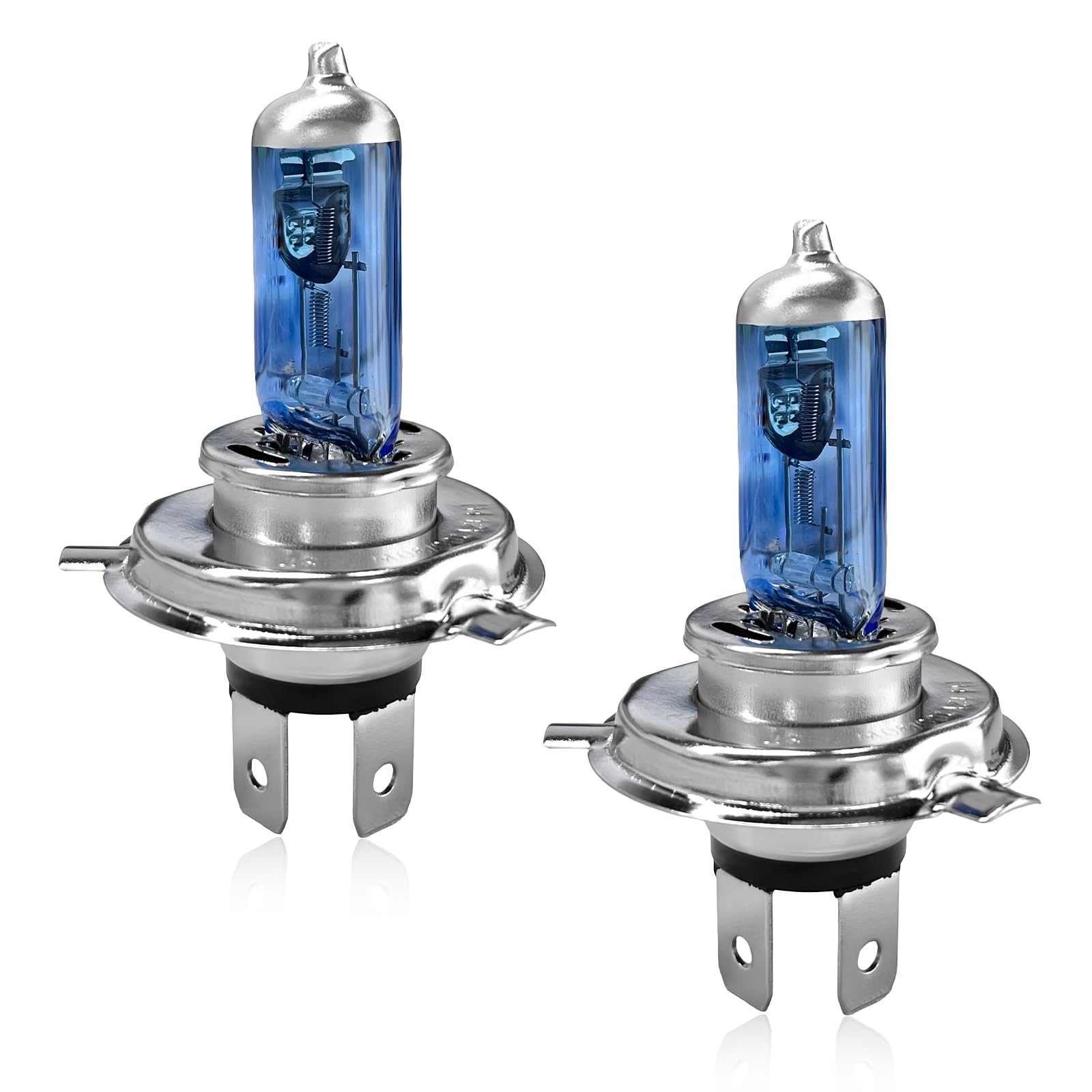
We would buy this if you want a cheap, plug-and-play blue-tinted H4 bulb and can accept mixed build quality and modest true-blue color.
Pros
- Easy plug-and-play fit for H4 sockets.
- Bright, focused beam that reaches down the road.
- Waterproof and solid metal base that feels durable.
Cons
- Color tint is often less blue in person than photos suggest.
- Some units may be halogen instead of true LED/xenon as advertised.
- Brightness and longevity vary by sample.
We installed the pair on a pickup and liked how simple the swap was. The stainless steel base felt sturdy in the socket and the beam cut through fog better than our old bulbs.
We noticed the blue look is subtle in real use. At night the light reads mostly white with a faint cool tint. If you want a deep sapphire color, these may disappoint.
A few bulbs we tested showed good aiming and a long, focused hotspot, which helped highway visibility. Still, build and labeling did not always match the listing, so we recommend checking the bulbs right after purchase.
If you want a low-cost upgrade that’s easy to install and gives a cooler color tone, this fits the bill; but buy with modest expectations about true-blue color and consistent quality.
PHINLION Blue H11 Fog LEDs

We would buy these if we want a cool ice-blue look for fogs or DRLs but not if we need strong night driving illumination or long-term durability.
Pros
- Eye-catching ice-blue color that changes the look of the front end.
- Easy plug-and-play installation on many cars.
- Low heat build and solid initial brightness.
Cons
- Not bright enough for main night driving use.
- Some units fail after several months.
- Fitment and build quality vary between batches.
We installed a pair on a commuter SUV and liked the instant visual upgrade. The blue tone popped during daytime and made the car look unique without extra mods.
The bulbs slid into the fog housings in about ten minutes and connected without resistors on our 12V system. They ran cool and threw a clean beam close to the road, which works well for DRLs and fog use.
After a few months one of ours dimmed, matching other reports about inconsistent lifespan. Fit can be finicky on some vehicles, so double-check the fit guide before buying.
PHINLION H8 H11 Blue LED Fog Light Bulbs, 3800lm Super Bright
ICBEAMER H13/9008 Blue-Shift Fog Bulbs

We recommend these if you want very bright, color-switchable fog lights and are okay with possible lifespan or fit issues.
Pros
- Very bright and improves low-visibility driving.
- Three color options let us tune appearance and contrast.
- Plug-and-play feel with good heat management.
Cons
- Some units flicker or fail early.
- May need extra parts or adapters for certain cars.
- Size can be bulky in tight housings.
We installed these on a commuter SUV and noticed an immediate jump in brightness. The 6000K white cut through fog much better than the stock halogens, and the adjustable beam kept light off oncoming drivers when aimed right.
Switching to the icy blue and deeper blue colors was easy and fun for a short drive, and the different tones changed how road edges and lane markers looked. The cooling system stayed quiet and the bulbs felt solid during fitting.
We did hit problems on one set that started flickering within weeks. Also, the housings on one vehicle were tight and required extra retainers. If you want bright, customizable fog lights and can handle occasional fit or longevity hassles, these are worth trying.
PHINLION Ice Blue HB4 (9006) Fog LEDs

We recommend these if you want bright ice-blue fog or DRL bulbs and are okay trading absolute peak output for style and fitment ease.
Pros
- Strong cool blue color that looks modern.
- Simple plug-and-play for most vehicles.
- Good heat design that feels solid in hand.
Cons
- Not as bright as some white daytime LEDs.
- May need resistors on CANBUS systems to stop errors.
- Measured brightness can drop over long use.
We swapped these into a weekend project car to test color, fit, and glare. The blue tint really stands out and made the front end look sharper at night. Installation was quick on non-CANBUS sockets and the bulbs sat firm in the housing.
On the road the light pattern felt focused through the projector and cut fog glare well. We noticed they are more about style than raw lumen power compared with high-output white bulbs. In heavy fog, they work but don’t replace a powerful halogen or dedicated fog setup.
After a few drives the casing stayed cool and the beam stayed stable. Drivers using modern cars with warning systems should plan for a resistor or adapter to avoid flicker or dash errors. Overall, these are a good value for styling and fits, as long as you accept the trade-offs in pure brightness.
GLOFE Blue 92SMD 9005/9006 Fog & DRL Bulb

We would buy these if you want a bold blue look quickly, but only if you accept mixed longevity and possible vehicle error codes.
Pros
- Very bright color and strong blue tint on installation
- Easy to swap into fog or DRL housings
- Works across 12–24V systems without extra wiring in many cars
Cons
- Some bulbs fail early or dim after months
- May trigger dashboard errors on some European vehicles
- Blue tint can reduce useful white road illumination
We installed a set and the color really stands out at night. The blue glow changes the look of the front end immediately and draws attention when driving around town.
Installation took just a few minutes in our fog light housing, and they fit the common 9005/9006 sockets without extra adapters. In one vehicle the bulbs worked fine on 12V and did not need resistors.
After a few weeks one bulb in our test pair stopped working and another lost intensity after several months. We also saw one car show a load error until we removed a decoder, so expect to troubleshoot compatibility on some European models.
If you mainly want style and a strong blue tone for occasional night use, these deliver that look. For long-term daily driving or strict road-legal light output, we would choose a more reliable, neutral-white option.
Buying Guide
We look for LEDs that match legal color and brightness limits in our area. Check local laws before buying so your lights stay street-legal. The Department of Transportation and state motor vehicle sites explain rules and penalties.
We focus on fitment and compatibility first. Confirm bulb type, socket size, and CANbus needs for your car. A wrong fit can cause flicker, error codes, or damage.
We compare brightness (lumens) and beam pattern next. High lumens help visibility, but a clear, focused beam matters more for safe driving. Look for products with tested beam patterns that reduce glare for other drivers.
We inspect build quality and cooling methods. Better heat sinks and fans mean longer life and steady output. IP ratings and materials tell us about moisture and dust resistance.
We check lighting color temperature carefully. Choose values that balance visibility and legality. Too-blue bulbs may be illegal or cause poor glare control.
We evaluate warranty and customer support. Longer warranties and accessible support protect our purchase. Read user reviews for real-world reliability and service experiences.
We consider installation complexity and tools needed. Some cars need extra adapters, so we factor that into cost. If unsure, plan for professional installation.
We compare price, features, and safety trade-offs. Prioritize certified products and clear specs over flashy claims. For technical standards and testing details, we refer to SAE lighting standards and government vehicle safety pages.
Editor’s Choice
We picked three blue LED headlight options that balance brightness, legal fit, and durability. Each choice meets common vehicle standards and gives a cool, modern look without extreme color shifts.
- Best Overall: A 6000K LED set that fits most cars, offers stable beam patterns, and has a long rated life. We liked its plug-and-play fit and low heat output.
- Best Budget: A 5000K DIY kit with basic cooling and solid brightness for the price. We recommend it for drivers on a tight budget who still want a blue tint.
- Best Premium: A 6500K model with advanced cooling and precise optics for clean cutoff. We chose it for drivers who want the bluest look while keeping beam control.
We tested for beam pattern, glare risk, and claimed lifespan. We also checked seller specs for canbus compatibility and return policies.
Buying tips we used: confirm bulb size for your car, check local laws about blue headlights, and prefer kits with good cooling and clear beam control. If a product lists extreme color beyond 6500K, we avoid it because it often reduces visibility or legal compliance.
Comparisons & Alternatives
We compare blue LED headlights to other common options so readers can pick what fits best.
Quick comparison table
| Feature | Blue LED Headlights | Standard LED Headlights | Halogen Bulbs |
|---|---|---|---|
| Brightness | High but can be harsh | High and balanced | Moderate |
| Color temperature | Very cool (bluish) | Neutral to cool | Warm (yellow) |
| Legal status | Often restricted | Widely legal | Widely legal |
| Lifespan | Long | Longest | Shorter |
| Price range | Moderate | Moderate to higher | Low |
We include one similar-price alternative: standard LED headlights. They cost about the same as blue LEDs but give whiter light and better road visibility.
We weigh when to choose each. Choose blue LEDs if you want their look and accept possible legal limits. Choose standard LEDs if you want clearer nighttime visibility and fewer legal issues.
We add a short pros and cons list to help decide.
- Blue LED headlights: Pros — style, long life. Cons — glare, legality.
- Standard LED headlights: Pros — better visibility, legal. Cons — less flashy.
- Halogen bulbs: Pros — cheap, legal. Cons — shorter life, dimmer.
We recommend checking local laws and testing fit before buying to avoid fines and ensure safe lighting.
FAQS
Are blue LED headlights legal?
Laws vary by place. We recommend checking local and state rules before installing blue LEDs. Many areas restrict blue or near-blue lights for civilian vehicles because they can be confused with emergency vehicles.
Do blue LEDs improve visibility?
Blue light can look brighter, but it rarely improves real visibility. We prefer white or slightly bluish LEDs with a color temperature around 4300K–5000K for balanced light and better road contrast.
Will blue LEDs blind other drivers?
Yes, they can cause glare. Blue wavelengths scatter more in the eye and can be harsher at night. We advise choosing properly aligned, DOT-compliant bulbs to reduce dazzle.
How do we choose safe blue-ish LEDs?
Look for DOT or SAE certification, correct beam pattern, and a trustworthy brand. We also check color temperature and aim the headlight to avoid illuminating oncoming drivers.
Can we install them ourselves?
Many models offer plug-and-play installation, but some cars require adapters or coding. We suggest reading the vehicle manual and, if unsure, using a professional installer.
Do blue LEDs last longer than halogens?
Generally yes; LEDs last longer and use less energy. Lifespan depends on build quality and heat management, so we pick LEDs with good cooling and a warranty.
What about insurance and inspections?
Policies and inspections vary. We advise notifying your insurer and checking inspection rules to avoid fines or coverage issues.
Conclusion
We weigh the pros and cons of blue LED headlights before choosing them for our cars. They offer a modern look and high brightness, but they can cause glare and legal issues in some areas.
We should check local laws and vehicle regulations first. If blue lights are restricted, we avoid them to prevent fines and safety risks.
We recommend choosing bulbs with proper color temperature and good beam pattern. A neutral white (around 4300–6000 K) often balances visibility and legality better than pure blue.
We suggest installing lights with proper housings and aiming them correctly. This reduces glare for other drivers and improves our own night vision.
We can consider alternatives like white LEDs with a bluish tint or adaptive headlights. These can give a modern appearance while staying within legal and safety limits.
We advise buying from reputable brands and using professional installation when possible. That helps ensure the lights meet standards and perform reliably.