

CB radios are a reliable tool for communication, especially when cell service is weak or unavailable. They offer safety benefits by enabling quick contact during emergencies and fostering community among travelers. Whether for road trips or off-road adventures, having a CB radio can be a smart choice.
Contents
- 1 Key Takeaways
- 2 Quick Answers to Common Questions
- 3 📑 Table of Contents
- 4 Introduction
- 5 What Are CB Radios and How Do They Work?
- 6 Communication Benefits of Having a CB Radio
- 7 Safety Advantages of Having a CB Radio
- 8 Practical Tips for Using CB Radios Effectively
- 9 Common Myths and Misconceptions About CB Radios
- 10 Who Should Consider Having a CB Radio?
- 11 Conclusion
- 12 Frequently Asked Questions
- 13 Author
Key Takeaways
- Reliable Communication: CB radios work without cell towers, making them useful in remote areas.
- Emergency Use: They provide a quick way to call for help or alert others during accidents or breakdowns.
- Community Connection: CB radios help connect drivers, truckers, and outdoor enthusiasts for sharing road conditions and tips.
- Cost-Effective: They are affordable and easy to use without monthly fees or subscriptions.
- Simple Technology: No need for smartphones or apps, which can fail due to battery or signal issues.
- Legal and Accessible: CB radios operate on open frequencies that anyone can use without a license in many countries.
- Versatile Uses: Great for camping, off-roading, trucking, and even neighborhood communication.
Quick Answers to Common Questions
Are CB radios still relevant today?
Yes, CB radios remain relevant for reliable communication in areas without cell service and for emergency situations.
Do I need a license to use a CB radio?
In many places, including the US, no license is required to use a CB radio for personal communication.
Can CB radios be used inside a car?
Yes, mobile CB radios are designed to be installed inside vehicles for on-the-go communication.
How far can I talk on a CB radio?
Typical range is 1-5 miles, but with good conditions and equipment, it can reach up to 20 miles or more.
Are CB radios expensive?
No, CB radios are generally affordable, with many models available under $100.
📑 Table of Contents
Introduction
If you’ve ever wondered, “Are CB radios good to have?” you’re not alone. Despite the rise of smartphones and digital communication, CB radios remain a trusted tool for many people. They offer a reliable way to stay connected, especially when cell phone signals drop or disappear entirely.
CB radios are more than just old-fashioned gadgets; they serve important communication and safety purposes. From truck drivers to off-road adventurers, a CB radio can be a lifesaver. In this article, we’ll explore why CB radios are good to have and how they can benefit your communication and safety needs.
What Are CB Radios and How Do They Work?
The Basics of CB Radio Communication
CB stands for “Citizens Band,” a type of radio that operates on 40 channels within the 27 MHz (11 meter) band. Unlike cellular phones, CB radios communicate directly between units using radio waves. This means you don’t need cell towers or internet connections to talk.
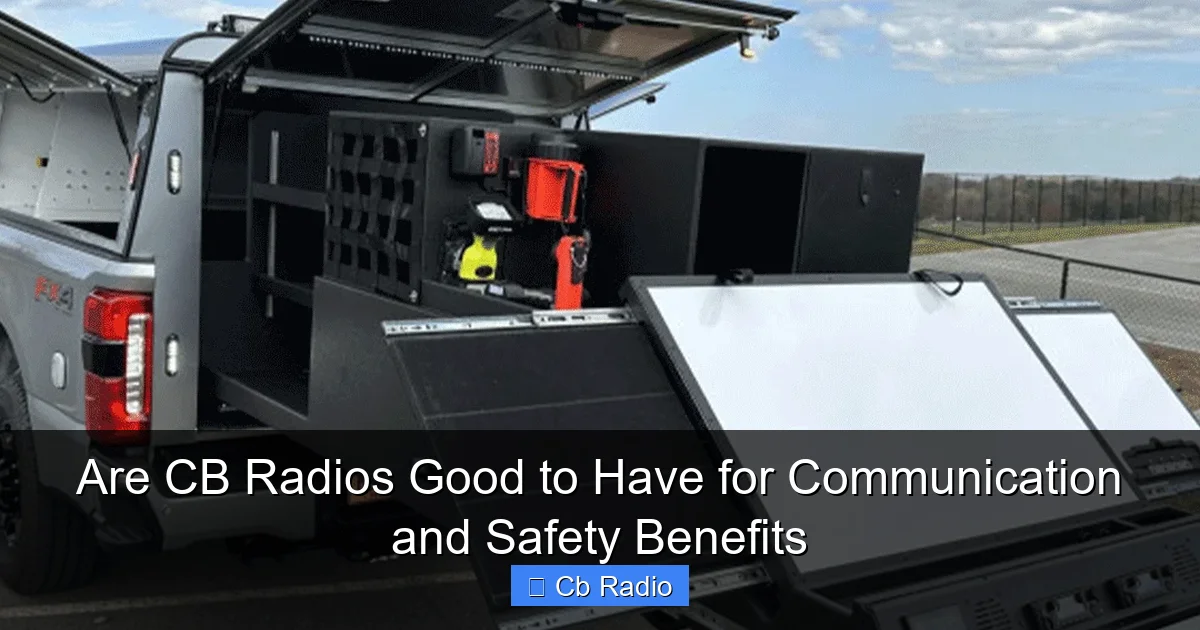
Visual guide about Are CB Radios Good to Have for Communication and Safety Benefits
Image source: alamofleet.com
Types of CB Radios
- Mobile CB Radios: Installed in vehicles, commonly used by truckers and drivers.
- Handheld CB Radios: Portable and useful for hiking, camping, or neighborhood communication.
- Base Station CB Radios: Larger units often used in homes or offices for longer-range communication.
How Far Can CB Radios Communicate?
Typical CB radio range is about 1-5 miles depending on terrain, antenna quality, and power. Under ideal conditions, communication can reach up to 20 miles or more. Although limited compared to cell phones, this range is often enough for roadside communication and local safety alerts.
Communication Benefits of Having a CB Radio
Reliable in Remote Areas
One of the biggest advantages of CB radios is their independence from cell networks. If you’re traveling through rural areas, mountains, or places with poor reception, your cell phone might fail, but your CB radio will still work. This makes it an essential tool for truckers, hikers, and off-roaders.
Instant Group Communication
CB radios allow you to instantly speak with multiple users on the same channel. This is great for convoy driving, coordinating group activities, or simply checking in with others nearby. Unlike phone calls, you don’t have to dial or wait for an answer.
Real-Time Road and Weather Updates
Many drivers use CB radios to share information about traffic jams, accidents, or weather conditions. This kind of real-time communication can help you avoid delays or dangerous situations. Truckers especially rely on this communal knowledge to keep their routes safe and efficient.
Safety Advantages of Having a CB Radio
Emergency Communication
In case of accidents, vehicle breakdowns, or other emergencies, a CB radio can be used to call for help. Many emergency services and roadside assistance providers monitor common CB channels. If your phone is dead or out of range, a CB radio might be your only way to communicate.
Staying Visible to Others
When traveling in groups, CB radios help keep everyone informed about sudden stops, obstacles, or hazards on the road. This reduces the chance of accidents and helps maintain safe driving distances.
Peace of Mind for Solo Travelers
For those who drive or camp alone, having a CB radio means you’re never truly isolated. You can reach out to nearby users or emergency services if you need assistance, which adds a layer of security during solitary trips.
Practical Tips for Using CB Radios Effectively
Choosing the Right Channel
Channel 19 is commonly used by truckers and travelers on highways, but local customs may vary. It’s good to scan channels to find a clear one or one used by your group. Avoid interfering with emergency channels or licensed users.
Proper Radio Etiquette
- Keep Messages Brief: CB radios are shared, so keep calls short and to the point.
- Use Clear Language: Speak slowly and clearly to avoid misunderstandings.
- Avoid Profanity or Spam: Keep communication respectful to maintain a positive community.
Improving Your Radio Setup
A good antenna can significantly boost your CB radio’s range. Mounting your antenna high on your vehicle and using a quality coaxial cable reduces signal loss. Experiment with different setups to find what works best for your environment.
Common Myths and Misconceptions About CB Radios
CB Radios Are Outdated
While smartphones dominate communication, CB radios still excel in areas without coverage. They are simple, robust, and don’t rely on infrastructure, making them relevant today.
CB Radios Are Difficult to Use
Modern CB radios are user-friendly, with straightforward controls. Even beginners can learn the basics in minutes. Many devices include features like channel scanning and noise filters.
You Need a License to Use CB Radios
In many countries, including the US, CB radios are license-free for personal use. Just follow the power and frequency regulations, and you’re good to go.
Who Should Consider Having a CB Radio?
Truck Drivers and Long-Distance Travelers
CB radios provide essential communication for truckers, helping with route updates and emergency alerts.
Outdoor Enthusiasts and Off-Roaders
Hikers, campers, and off-road vehicle users benefit from CB radios to stay connected in areas without cell coverage.
Emergency Preparedness
Having a CB radio in your vehicle or home emergency kit ensures you have a communication tool when other systems fail.
Community and Neighborhood Use
Some neighborhoods use CB radios for local communication, neighborhood watch, and quick alerts.
Conclusion
So, are CB radios good to have? Absolutely. They offer dependable communication and safety benefits that modern devices can’t always guarantee. Whether you’re on the road, exploring the outdoors, or preparing for emergencies, a CB radio is a valuable tool. It’s affordable, easy to use, and can keep you connected when it matters most. If you want peace of mind and a reliable way to communicate, investing in a CB radio is a smart choice.
Frequently Asked Questions
What is the difference between CB radios and walkie-talkies?
CB radios operate on specific frequencies and can reach longer distances, especially when mounted with good antennas. Walkie-talkies usually have shorter range and operate on different radio bands.
Can a CB radio be used during emergencies if my phone dies?
Yes, CB radios do not depend on cell networks or batteries in your phone, making them reliable during emergencies.
Do CB radios require an external antenna?
While some handheld CB radios have built-in antennas, mobile and base station radios typically require an external antenna for better range and clarity.
Is it legal to use CB radios everywhere?
Most countries allow CB radio use without a license, but you should check local regulations to ensure compliance.
Can CB radios interfere with other electronics?
Improperly installed CB radios or antennas can cause interference, but proper setup and use usually prevent issues.
How do I maintain my CB radio?
Regularly check connections, keep the antenna in good condition, and clean your radio to ensure optimal performance.