

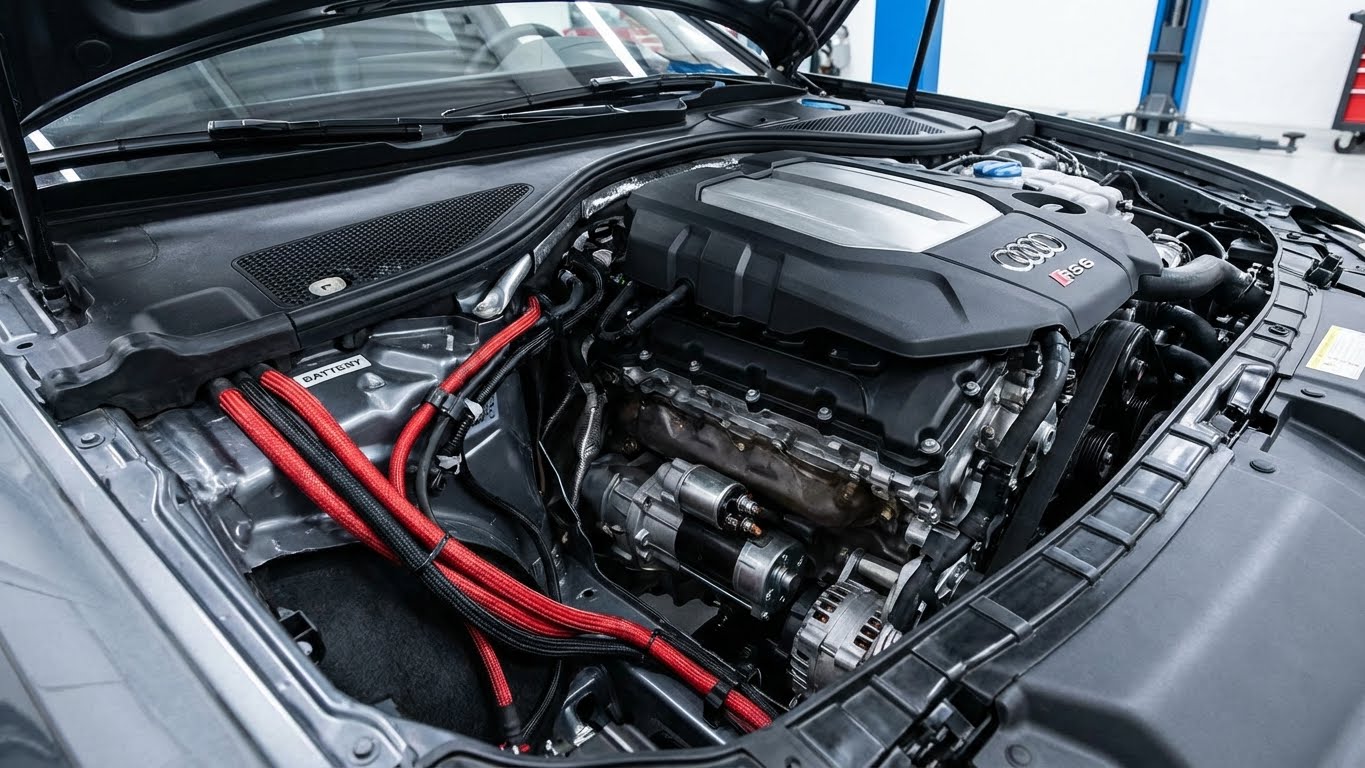
Many Audi owners notice a clicking noise when trying to start their car, which often signals an issue with the vehicle’s electrical or starting system. The most common cause of this clicking sound is a weak or dead battery, which prevents enough power from reaching the starter motor. Other possible reasons include problems with the starter itself or poor electrical connections.
This noise usually means the starter solenoid is trying to engage but can’t fully turn the engine over. While it might clear up temporarily, it is a sign that the car needs attention soon. Understanding these basic causes helps drivers know when they can try simple fixes, like jump-starting, or when to seek professional help.
Dealing with this problem quickly can avoid being stranded or causing further damage. This guide will cover the main reasons behind the clicking and how to identify the root of the problem before it worsens.
Key Takeways
- A weak battery is the main cause of clicking noises when starting an Audi.
- The starter motor and electrical connections should be checked if the battery is fine.
- Early diagnosis and maintenance can prevent costly repairs and breakdowns.
Contents
- 1 Common Causes of Audi Clicking Noise When Starting
- 2 Diagnosing the Problem
- 3 Battery and Alternator Issues
- 4 Starter System Faults
- 5 Electrical System Troubleshooting
- 6 Additional Mechanical Concerns
- 7 When to Seek Professional Help
- 8 Preventive Maintenance Tips
- 9 Potential Costs and Repair Considerations
- 10 FAQs
- 11 Conclusion
Common Causes of Audi Clicking Noise When Starting
When an Audi produces a clicking noise while trying to start, it usually points to specific mechanical or electrical problems. These often involve parts that handle battery power or the engine’s ignition process. Addressing these issues quickly helps avoid being stranded.
Weak or Dead Battery
A weak or dead battery is the most frequent cause of a clicking sound during startup. The click happens because the starter motor does not get enough power to engage fully. This can result from a battery that is old, discharged, or has poor charge.
Battery terminals may also corrode or loosen, reducing electrical flow. Testing the battery voltage or attempting a jump-start can confirm if the battery is the problem. If the battery is weak, replacing it is usually the best solution to restore full starting power.
Faulty Starter Motor
The starter motor is responsible for turning the engine over when the ignition key is turned. A faulty starter motor can cause a clicking noise if it can’t engage properly. This happens when the internal components of the starter wear out or fail.
Common signs include a single loud click, intermittent starting, or no engine crank despite repeated attempts. Replacing the starter motor often solves this problem. It’s important to inspect the starter if the battery is fully functional but the clicking noise persists.
Bad Electrical Connections
Poor electrical connections can mimic the symptoms of battery or starter issues. Corroded battery terminals, loose wiring, or a bad ground connection can interrupt the flow of electricity needed to start the engine.
These issues cause the starter solenoid to click as it tries to engage but won’t receive enough power. Checking and cleaning the terminals, tightening connections, and repairing damaged wires can fix this problem. Proper electrical contact ensures smooth power delivery during startup.
Diagnosing the Problem
Identifying why an Audi makes a clicking noise when starting involves careful listening, a thorough visual check, and sometimes using specific diagnostic tools. Each step helps narrow down whether the issue is electrical, mechanical, or related to the battery.
Listening for the Source of the Clicking
The clicking sound can reveal a lot about the problem. A rapid clicking usually points to a weak or dead battery. This happens when the starter solenoid tries to engage but lacks enough power to turn the engine over.
If the clicking is slower or irregular, the issue might stem from the starter motor failing to engage properly. Sometimes, this sound comes from corroded battery terminals or poor electrical connections.
Listening closely when turning the key helps decide if the noise is coming from the starter, battery, or another component. Noticing if dashboard lights flicker or dim during clicking can also indicate battery problems.
Visual Inspection Steps
A simple visual check can identify obvious problems before more detailed tests. Start by inspecting the battery terminals for corrosion or loose connections. Corroded terminals can block electrical flow and cause clicking sounds.
Next, check the condition of the battery itself. Look for cracks, leaks, or swelling, and use a multimeter to test voltage if possible. A low voltage reading confirms a weak battery.
Inspect the wiring between the battery and starter motor for damage or loose connections. Finally, check the starter motor for signs of wear or damage since a faulty starter often causes clicking without cranking the engine.
Using Diagnostic Tools
Using tools can pinpoint the issue more precisely. A multimeter helps measure battery voltage and check for proper charge levels. Voltage below 12.4 volts usually means the battery is weak or discharged.
A starter current draw test can show if the starter motor is pulling too much power or failing to engage. Excessive draw may indicate mechanical or electrical starter problems.
Scan tools can check for related error codes in the engine control unit, which sometimes logs starter or electrical faults. These tools guide further repairs by providing exact error information instead of guesswork.
Battery and Alternator Issues
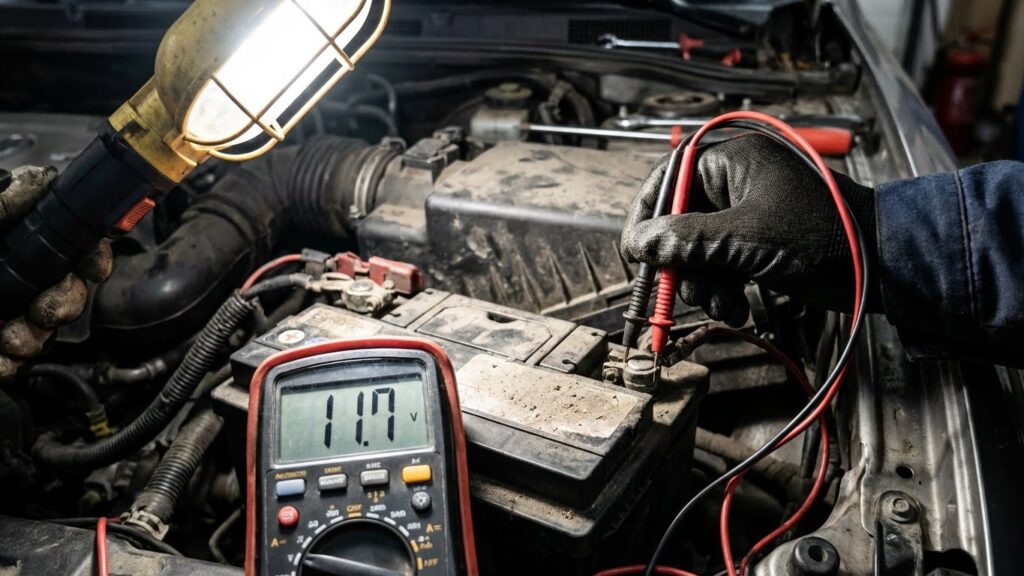
A clicking noise when starting an Audi often points to problems with the battery or alternator. These components work together to provide power to start the engine. Checking their condition helps identify why the car fails to start.
Testing the Battery Voltage
The battery voltage is a critical starting point. A healthy battery should read about 12.6 volts when the car is off. If the voltage is below 12.4 volts, the battery is undercharged or weak.
Using a digital voltmeter makes testing straightforward:
- Turn off the engine and all electrical accessories.
- Connect the positive and negative leads to the corresponding battery terminals.
- Read the voltage displayed.
If the voltage is low, the battery might be dead or unable to hold a charge. Jump-starting can confirm if the battery is the issue. If the car starts after a jump, the battery likely needs replacement or a full charge.
Inspecting Alternator Performance
The alternator keeps the battery charged while the engine runs. If it fails, the battery discharges quickly, causing clicking noises when starting.
Testing the alternator includes:
- Starting the engine and measuring battery voltage again.
- The voltage should rise to 13.5 to 14.5 volts if the alternator is working.
- Inspecting the alternator belt for wear or looseness, as this can reduce charging efficiency.
If the voltage does not increase or the belt is damaged, the alternator may be faulty. Signs like flickering headlights or dashboard warnings might also appear. A professional test can confirm alternator health and whether repairs are needed.
Starter System Faults
Starting issues in an Audi that produce clicking noises often trace back to specific electrical or mechanical failures within the starter system. These include problems related to the starter solenoid and the starter motor itself. Each plays a critical role in turning the engine over, and faults in these parts disrupt the ignition process.
Starter Solenoid Malfunction
The starter solenoid acts as a switch that engages the starter motor when the key is turned. If it malfunctions, it may produce a single or rapid clicking noise without cranking the engine.
Common symptoms include:
- Clicking sound when turning the key
- No engine turnover despite clicking
- Intermittent starting issues
This issue often arises from worn contacts or electrical faults within the solenoid. Corroded or loose wiring can also cause poor electrical flow, preventing the solenoid from sending adequate power to the starter motor. Diagnosing requires checking the solenoid’s electrical connections and voltage output during starting attempts. Repair may involve replacing the solenoid or cleaning connections.
Worn Out Starter Motor Components
A worn starter motor prevents the engine from turning over, even if the solenoid works correctly. Signs include repeated clicking sounds as the motor tries but fails to engage.
The most common causes are:
- Damaged brushes inside the motor
- Faulty armature or bearings
- Burnt out windings in the motor coil
Wear over time weakens the motor’s ability to spin the engine flywheel. This leads to slow cranking, rapid clicks, or no start at all. Mechanical failure inside the motor is often permanent, making replacement the most effective solution. Testing the motor separately can identify if internal parts are failing.
Electrical System Troubleshooting
A clicking noise when starting an Audi often points to issues in the electrical system. Identifying the root cause means carefully examining components that control power flow to the starter motor and engine. This includes fuses, relays, and the grounding points that complete electrical circuits.
Checking Fuses and Relays
Fuses and relays protect and control the electrical flow to the starter system. A blown fuse can stop current from reaching the starter motor, causing a clicking noise when trying to start. Relays act like switches, sending power at the right time.
To check fuses, he should locate the fuse box, often found under the dashboard or in the engine bay. Using a fuse puller or needle nose pliers, inspect the starter-related fuses for any break in the metal filament. Replace any blown fuses with ones of the same amperage.
Relays can be tested by swapping them with identical ones in the fuse box or using a multimeter to check for continuity. Faulty relays often cause intermittent clicking or no start at all. Ensuring these components are functional is crucial for proper starter operation.
Assessing Ground Connections
Ground connections complete the electrical circuit by linking parts to the vehicle’s chassis. Poor ground connections can limit power flow, causing the starter to click without turning the engine.
He should inspect the main battery ground cable first. Look for corrosion, loose bolts, or frayed wires where the cable connects to the battery and chassis. Clean corroded terminals using a wire brush and tighten all connections firmly.
Next, check ground straps, which may run from the engine block to the frame. Damaged or loose straps should be replaced. Proper grounding ensures the starter motor receives enough current to crank the engine, preventing clicking noises tied to electrical faults.
Additional Mechanical Concerns
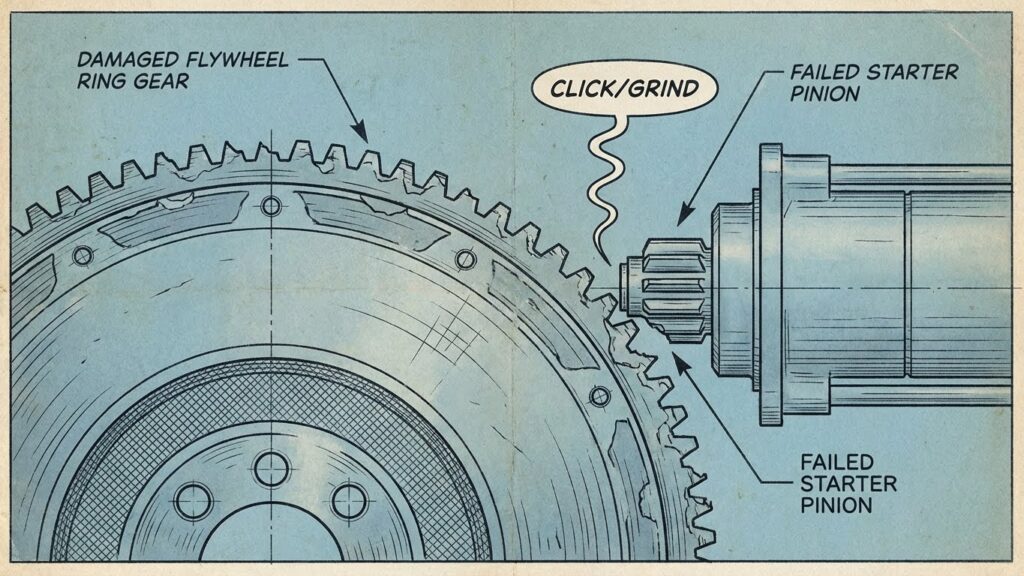
Clicking noises when starting an Audi can sometimes signal deeper mechanical issues. These problems may affect the engine’s function or components connected to the starting system. Understanding these issues helps owners know when urgent repairs are needed.
Engine Seizure Risks
A persistent clicking at startup might suggest a risk of engine seizure. This happens when engine parts fail to move properly due to lack of lubrication, overheating, or internal damage. If oil levels are too low or the oil pump malfunctions, the engine’s moving parts can grind together.
This grinding can cause severe damage in a short time. The clicking sound may come from the starter struggling to turn an engine that is stuck or partially seized. If left unchecked, engine seizure could lead to costly repairs or require a full engine replacement.
Regular oil changes and monitoring engine temperature help reduce seizure risk. However, if the clicking continues and the engine has trouble turning over, professional inspection is necessary immediately.
Damaged Flywheel Teeth
Another possible mechanical cause is damaged teeth on the flywheel. The flywheel is a large, toothed disc that the starter motor engages to crank the engine. If the teeth are worn, chipped, or broken, the starter’s gear cannot grip properly, producing a clicking noise.
This damage often results from repeated failed starts or age-related wear. It causes the starter to repeatedly engage and disengage without turning the engine fully. The clicking is the sound of the starter gear striking damaged flywheel teeth.
Replacing or repairing the flywheel teeth is essential to restore smooth engine starting. Ignoring this issue can lead to starter motor damage or complete failure to start the vehicle over time.
When to Seek Professional Help
Some clicking noises when starting an Audi can indicate simple issues, but others may point to more serious problems. Knowing when to get expert assistance can save time and prevent costly damage.
Identifying Complex Issues
A clicking sound accompanied by slow engine crank or no start may indicate problems beyond a weak battery or loose connections. If the noise continues after checking and charging the battery, it could mean a failing starter motor, faulty solenoid, or internal engine components like lifters or CV joints are damaged.
Persistent clicking despite basic fixes is a clear sign to seek professional diagnosis. Attempting repairs without proper tools or knowledge can worsen the issue or cause safety risks. If the car stops responding as it usually does after the initial click or the noise changes in tone or speed, this also suggests a deeper mechanical or electrical fault.
Choosing a Qualified Audi Technician
Finding the right technician is crucial. Audi vehicles have specific systems and electronic controls that require specialized skills and equipment. A qualified Audi technician will have access to factory diagnostic tools and up-to-date software to pinpoint the source of the clicking sound accurately.
Look for technicians with certifications, Audi dealership experience, or strong reviews focusing on Audi repairs. They can provide a detailed report and recommend the correct repairs without unnecessary replacements. Avoid general mechanics who lack experience with Audi models, as this can lead to misdiagnosis or incomplete repairs.
Preventive Maintenance Tips
Regular maintenance is essential to avoid clicking noises when starting an Audi. It helps catch small issues before they turn into bigger, costlier problems.
First, following Audi’s recommended service intervals keeps the engine and electrical system in good condition. This includes battery checks, starter inspections, and ensuring connections are clean and tight.
The battery should be tested regularly. Weak or dying batteries are a common cause of clicking sounds at startup. Cleaning battery terminals and removing corrosion improves electrical flow.
It is also important to check the starter motor and its wiring. Loose or damaged connections can cause clicking noises and prevent the car from starting. Ensuring proper grounding to the chassis keeps the starter functioning well.
Using jump-start cables properly can help in emergencies, but it’s not a permanent fix. A professional check-up is advised if issues persist.
Key maintenance tasks to prevent clicking noises:
| Task | Frequency | Purpose |
|---|---|---|
| Battery inspection | Every 6 months | Avoid power loss and weak starts |
| Clean battery terminals | As needed | Maintain good electrical contact |
| Starter motor check | Annually | Detect faults early |
| Check wiring and ground | During service | Ensure secure electrical paths |
Following these steps keeps an Audi starting smoothly without clicking sounds. It also extends the life of vital components and avoids unexpected breakdowns.
Potential Costs and Repair Considerations
When an Audi makes a clicking noise while starting, the repair cost depends on the root cause. Common issues include a weak battery, faulty starter motor, or corroded battery terminals.
Replacing a battery usually costs between $100 to $200, including parts and labor. This is often the easiest and fastest fix if the battery is the problem.
If the starter motor is the issue, the repair cost is higher. Starter replacements typically range from $300 to $600. This includes removing the old starter and installing a new one.
Minor repairs, like cleaning battery terminals or tightening electrical connections, cost less, often under $50 if done at a shop.
Some problems might seem small but can lead to bigger issues if ignored. For example, a failing CV joint or worn lifters might cause clicking and can cost more to fix.
Important factors that affect repair costs:
- Labor rates at the repair shop
- Location and model year of the Audi
- Severity of the damage
DIY repairs might be possible for some, like cleaning terminals or jump-starting the car. But for starter or electrical issues, professional diagnosis and repair are recommended to avoid further damage.
FAQs
Why does my Audi make a clicking noise when starting?
This sound usually comes from the starter solenoid trying to engage but failing. It often means the battery is weak, the starter motor is faulty, or there is a poor electrical connection. Checking the battery condition and terminals is a good first step.
Can a clicking noise mean my Audi won’t start soon?
Yes. Frequent clicking can signal that the starter or battery is failing. If the car sometimes starts without problems but other times clicks, the starter might be wearing out. It’s best to have it checked to avoid being stranded.
Is the clicking noise dangerous to ignore?
Ignoring it can lead to a no-start situation. The problem usually starts small but can get worse quickly. Delaying repairs might cause more damage and higher costs.
What should be done if the Audi clicks but doesn’t start?
Try jump-starting with cables from another car. If that doesn’t work, inspect battery terminals for corrosion or loose connections. A mechanic can test the starter and electrical system.
Where can one learn more about car starting issues?
Resources like Les Schwab and Cars.com offer clear guides on diagnosing clicking sounds when starting. They provide useful tips for both beginners and experienced car owners.
Conclusion
A clicking noise when starting an Audi usually points to an issue in the starting system. The most common causes include a weak or dead battery, corroded battery terminals, or a faulty starter motor. These problems prevent the engine from turning over properly.
Owners should check the battery health first. If the battery voltage is low or the terminals are dirty, the car may struggle to start and make a clicking sound. Cleaning terminals or jump-starting the car can sometimes fix the issue temporarily.
If the battery is in good condition, the starter motor might be the culprit. A worn-out starter can cause repeated clicking noises without starting the engine. In that case, professional diagnosis and possible replacement are necessary.
Key points to consider:
| Possible Cause | Signs to Look For | Suggested Action |
|---|---|---|
| Weak or dead battery | Rapid clicking, no crank | Test or replace battery |
| Corroded terminals | Clicking noise, poor start | Clean terminals, secure cables |
| Faulty starter motor | Clicking without starting | Have starter tested/replaced |
Addressing these issues early can prevent further engine or electrical damage. If troubleshooting does not resolve the clicking sound, visiting an authorized Audi dealer or specialist is advisable for a thorough check.