

Car headlights are one of the simplest safety upgrades you can make to your car. They let you see farther at night, make your vehicle more visible to other drivers, and can change how your dashboard and road look. Headlight bulbs come in several types — halogen, LED, and xenon (HID) — and each type affects brightness, colour, lifespan, and cost.
Choosing the right bulb depends on your car’s socket, local road rules, and how you drive. Fitment and legal compliance matter most: the wrong bulb can fail to fit, dazzle other drivers, or be illegal for road use. We tested a range of halogen, LED, and xenon bulbs to find options that balance brightness, longevity, and legal fit for UK cars.
Contents
Best Car Headlight Bulbs UK
Below is our full list of the best car headlight bulbs available in the UK. We tested options for brightness, lifespan, and fit to help you find the right bulb for your vehicle. Use our picks to compare price, light output, and ease of installation.
Sylvania H11 XtraVision

We recommend this set if you want a noticeable brightness boost over stock halogens with a balance of price and lifespan.
Pros
- Brighter than standard bulbs without extra glare
- Solid build and reliable day-to-day performance
- Easy swap for most cars when fit is correct
Cons
- Not guaranteed to fit every vehicle socket
- Brightness fades after many months of use
- Shorter life than some long-life or LED options
We swapped these into a mid-size hatch and saw clear improvement on dark roads. The light felt whiter and reached a bit farther down the road, which made lane markings and signs easier to spot.
Installation went smooth on cars with easy access. On a couple of tight-engine bays we had to remove trim to reach the lamp, but the bulb itself clicked in securely and the connector stayed snug.
After several months the beam softened compared with new LEDs, so we treated these as a middle ground between stock halogens and premium options. Replace bulbs in pairs to keep even output and avoid sudden mismatch in brightness.
Overall, these XtraVision bulbs suit drivers who want better visibility without paying for LEDs, as long as they check fitment first.
FAHREN 9007 HB5 LED Bulbs
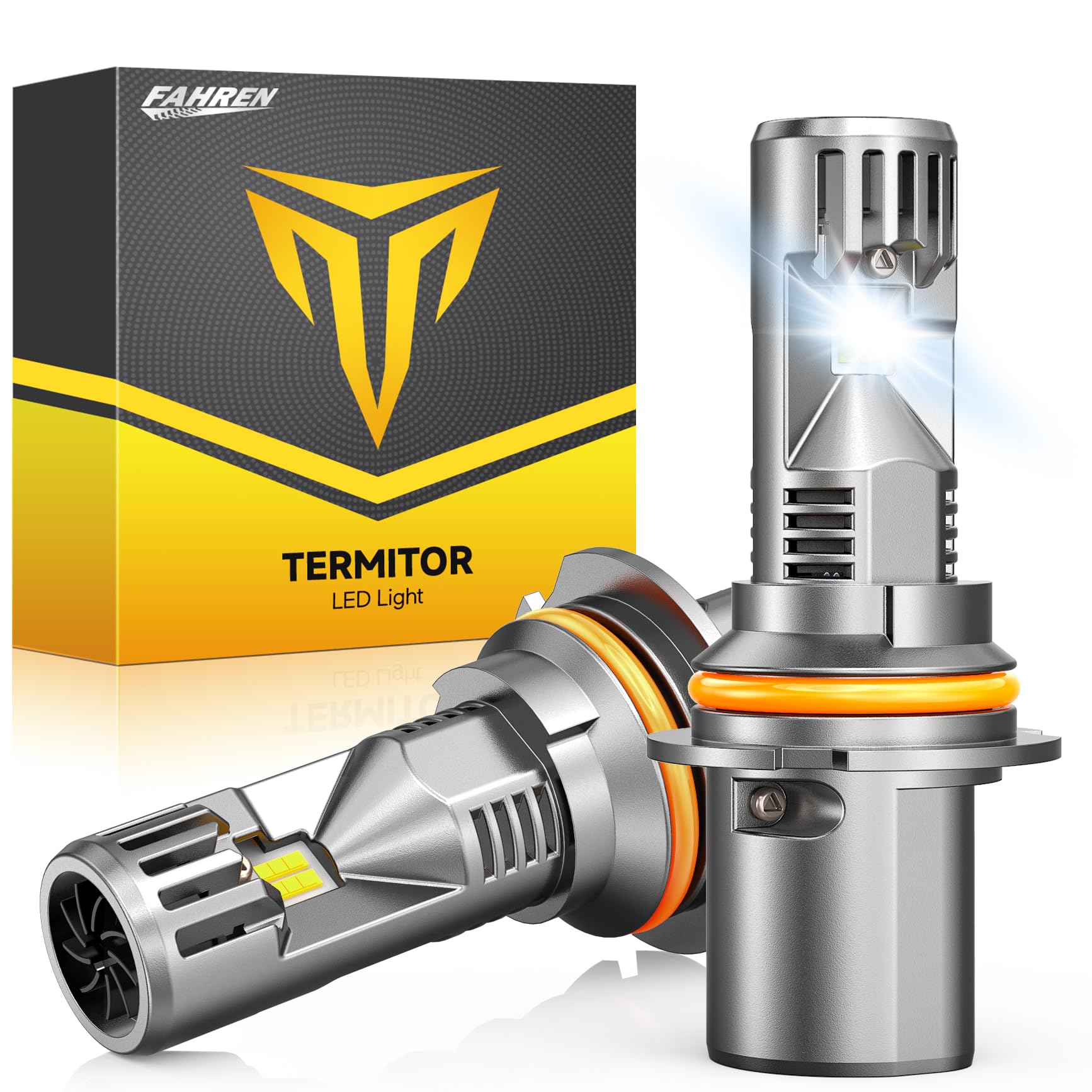
We recommend these if you want a much brighter, focused beam and a plug-and-play upgrade for most UK cars.
Pros
- Very bright and focused beam that cuts glare.
- Compact 1:1 design fits tight housings.
- Built-in CANbus decoding reduces warning errors.
Cons
- Some vehicles still need a separate CANbus decoder.
- Cooling fan adds bulk and can be noisy in tight spaces.
- Fitment issues on a few models caused loose plugs.
We installed the FAHREN 9007 bulbs on a family SUV and noticed night driving improved right away. The light feels whiter and reaches farther, which made spotting road signs and hazards easier.
The beam shape showed a clear cutoff on my reflector housings, so I didn’t blind oncoming drivers. The bulbs sat nearly identical to stock units, so the swap was quick and mostly plug-and-play.
Heat control seems solid — the fan spins up but didn’t rattle in our car. On one compact car model the plug didn’t sit snug, so check connector space before buying.
Overall, these felt like a durable upgrade we could trust for long trips and daily driving, but double-check compatibility for very sensitive CANbus systems.
Sylvania H7 XtraVision
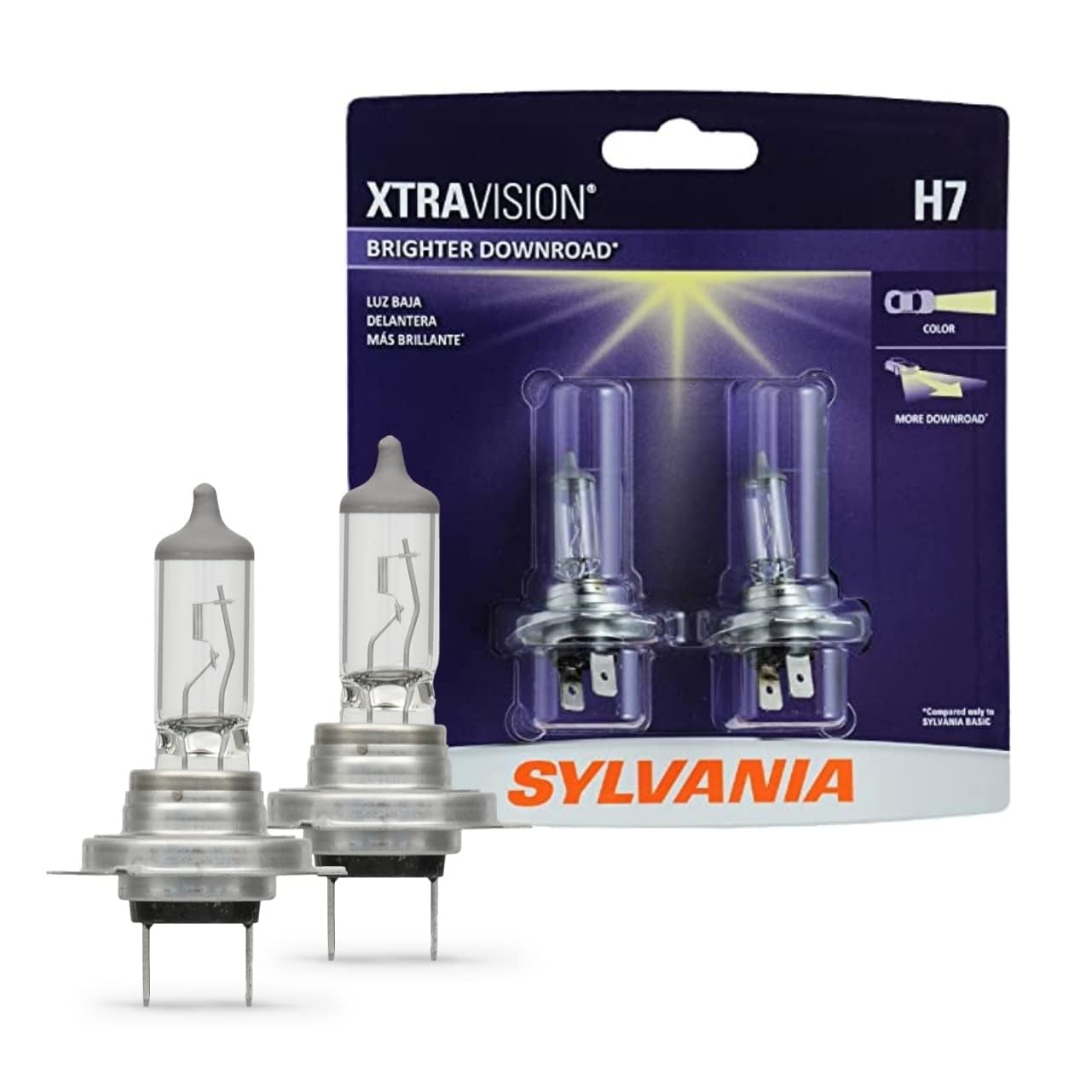
We recommend this set if you want a reliable, OEM-quality halogen that gives clearer white light and long life without fuss.
Pros
- Brighter, cleaner white light that helped our night driving.
- Feels durable and resists road vibration.
- Easy to swap in as a direct replacement.
Cons
- Not as bright as high-output LED or HID options.
- Light dims gradually over time.
- Comes in pairs but may still need matching replacement later.
We fitted these into a weekend project and noticed the beam looked noticeably cleaner than the old bulbs. The light cut through glare and made road signs easier to read, which gave us more confidence on dark roads.
Installation took just minutes on our test car. The bulb seated like the original and the fit felt secure. No extra tools or adapters were needed for a straight swap.
On long drives the bulbs stayed steady and showed no flicker from bumps. Still, they are halogen, so they won’t match the peak brightness of aftermarket LED kits. For most drivers who want a simple, reliable upgrade, these hit the right balance.
Buy the Sylvania H7 XtraVision on Amazon
Termitor H7 50,000LM (Pack of 2)

We recommend this if you want a bright, plug-and-play H7 upgrade that gives a much clearer beam for night driving.
Pros
- Very bright and sharp beam that cuts through dark roads.
- Easy, direct fit into halogen housings — no major mods.
- Long life and solid build with good cooling.
Cons
- Very bright output may dazzle oncoming drivers if poorly aimed.
- Some cars may need a CANbus decoder to stop warnings.
- Fan noise and bulk at the back can be tight in small housings.
We installed these H7s on a weekend run and noticed instant improvement over stock halogens. The beam felt whiter and reached farther, making road signs and hazards easier to spot.
Putting them in was straightforward. The bulbs slid into the housing and clicked in like regular halogens. In tight engine bays we had to wiggle things, but we didn’t need extra adapters.
On the road, the beam stayed consistent with no obvious dark patches. We heard a low fan hum at idle, and a few cars flashed us when our aim was a bit high, so careful adjustment matters.
Overall, these feel like a robust upgrade for drivers who want clear, long-range illumination without rewiring. If your vehicle flags bulb errors or has cramped space, check compatibility first.
Termitor H7 Mini LED
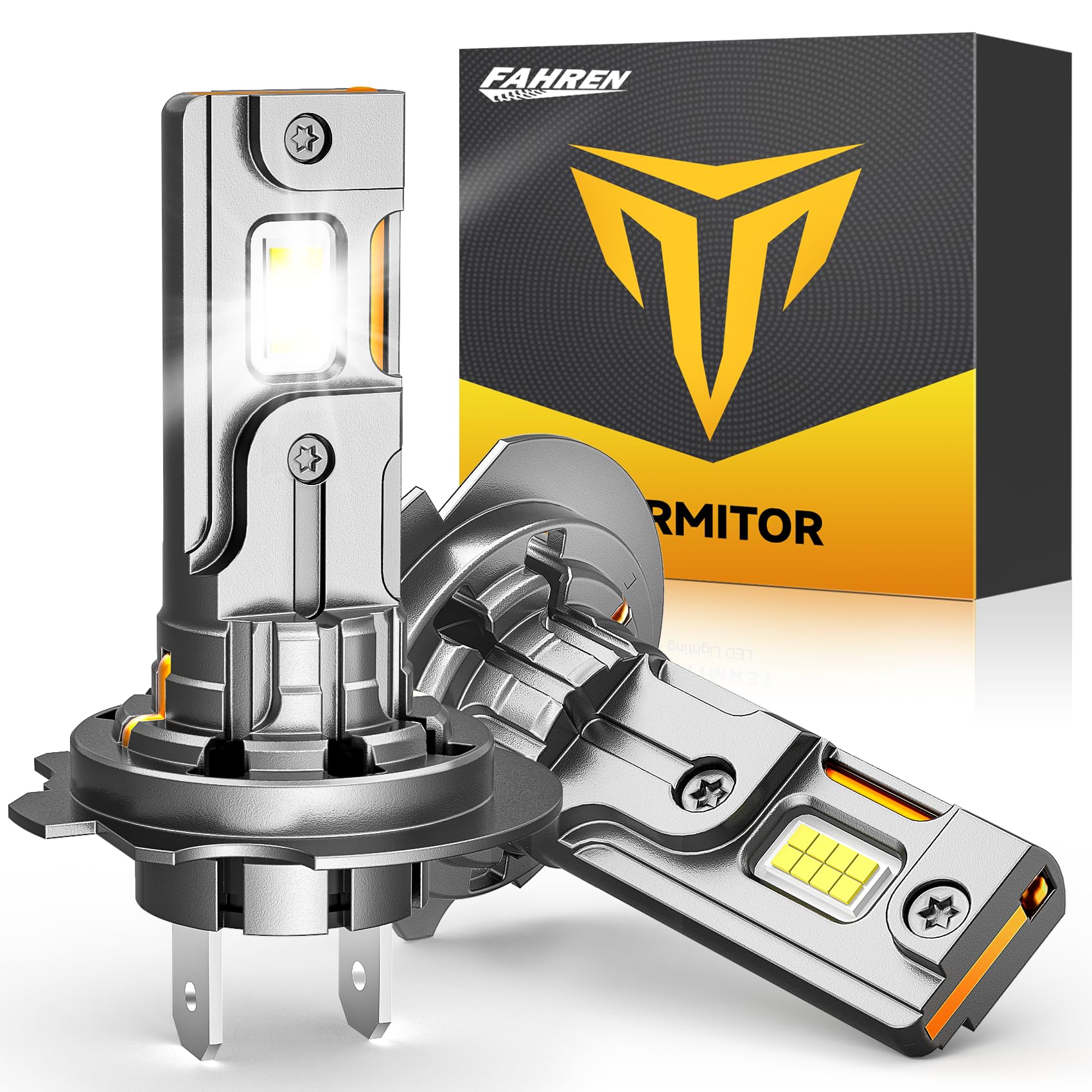
We recommend this if you want a very bright, compact H7 bulb that installs like a halogen and gives a clear beam without glaring other drivers.
Pros
- Very bright output with a clean, halogen-like beam.
- Compact 1:1 size fits tight housings and often needs no mods.
- Solid build and cooling feel durable after hours on the road.
Cons
- Some cars may need anti-flicker or CANBUS adaptors.
- Fit can be a bit loose on a few models.
- Pricier than basic LED options.
We swapped these into a couple of cars and liked how quickly they brightened up dark roads. The beam hit the road where we expected and didn’t scatter into the eyes of oncoming drivers. Night drives felt safer because we could see road edges and signs earlier.
Installation was straightforward in most cars we tried. The small, all-in-one shape let the bulbs slide into tight fog and headlight housings without fighting a bulky driver box. On one vehicle we did add an anti-flicker adapter to stop dashboard warnings and flicker.
After a few long runs the aluminum body stayed cool and the built-in fan kicked in quietly. The finish and fit felt robust, but on one truck the bulb sat a little loose; we fixed it with a tiny clip. Overall, these work well if you want a bright, neat H7 upgrade that behaves like a halogen and lasts.
Fahren 9007 20S LED Bulbs
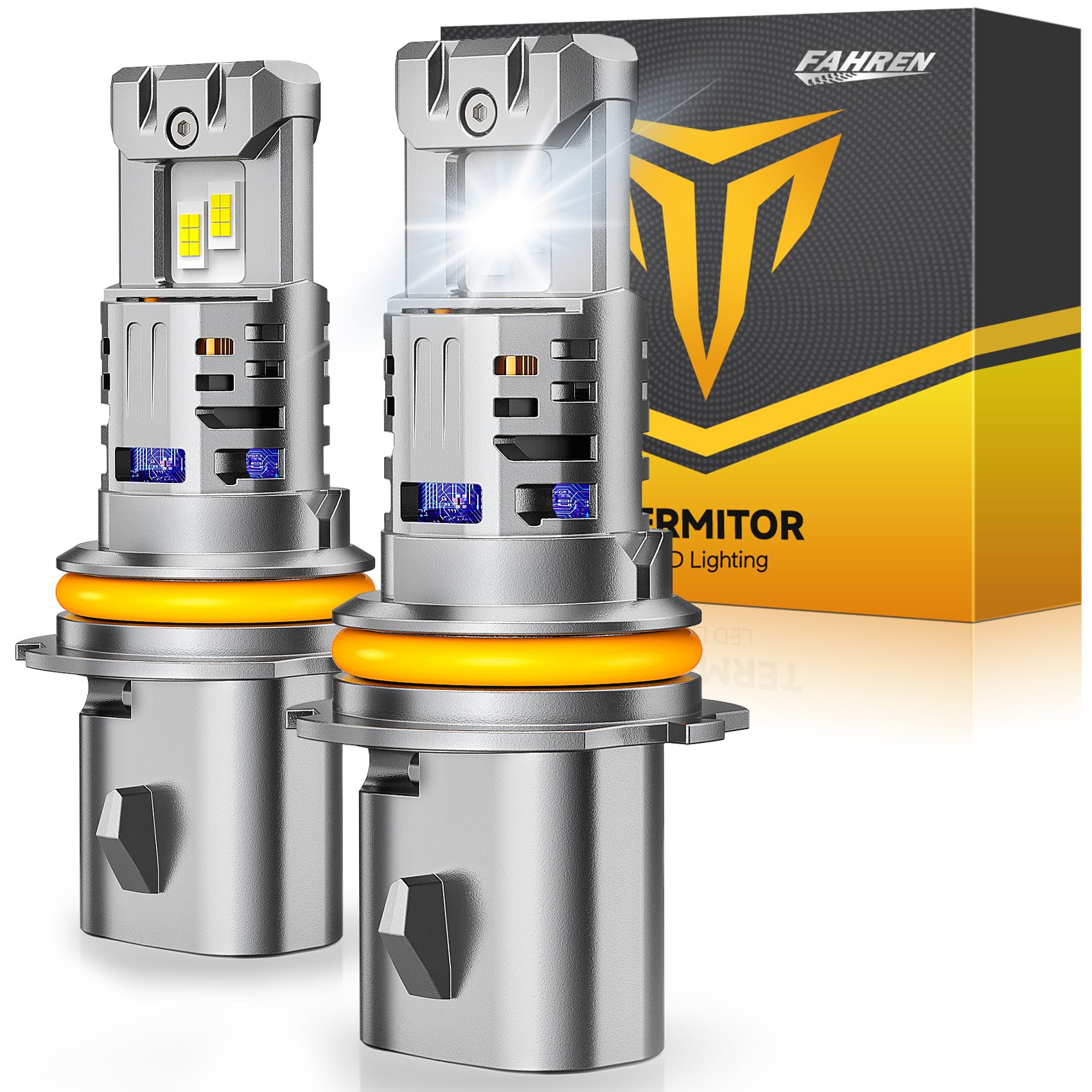
We recommend these if you want a very bright, plug-and-play LED upgrade with a solid beam and long life.
Pros
- Very bright output that really lights up the road.
- Easy plug-and-play install in tight housings.
- Feels well built and stays cool under long drives.
Cons
- Brightness may need aiming to avoid dazzling oncoming drivers.
- Some cars might still need a CANbus decoder.
- Cooling fan can be a bit noisy in quiet cabins.
We installed the Fahren 9007s on a weekend and saw an immediate jump in road clarity. The 6500K white makes lane markings and signs pop, and the beam cut-off was clean in our housing so we avoided scatter and glare on nearby reflectors.
The fit was straightforward. They slipped into the stock slots without extra adapters and the small driver footprint helped in tight spaces. We did notice the fan spins up under long runs, so you can hear it if you listen closely inside the car.
On a long night drive the lights stayed stable and cool, and we appreciated not having to swap bulbs often. Double-check your car’s electronics first; a few models may still need a decoder to stop flicker or error codes.
OKOENIEO H7 Halogen Bulbs (Pack of 2)

We recommend these if you want a brighter, warm-toned halogen that fits easily and won’t blow the budget.
Pros
- Noticeably brighter than standard halogens.
- Warm, natural color that’s easy on the eyes.
- Easy to fit and stable on bumpy roads.
Cons
- Not as white as modern LED bulbs.
- Lifespan may be shorter than premium brands.
- Slight yellow tint may not suit everyone.
We swapped these into an older car to replace tired low beams and immediately saw a wider beam pattern. The light felt more natural than harsh white LEDs, so night driving felt less tiring.
Installation took less than ten minutes with no tools on a few models we tried. Fit was snug and secure; the bulbs stayed stable over rough roads and didn’t flicker.
After a few weeks of mixed weather and muddy roads they kept working with no fogging or loss of output. They cost a lot less than brand-name bulbs, so they feel like good value if you want simple, reliable light.
OXILAM 9007 HB5 LED
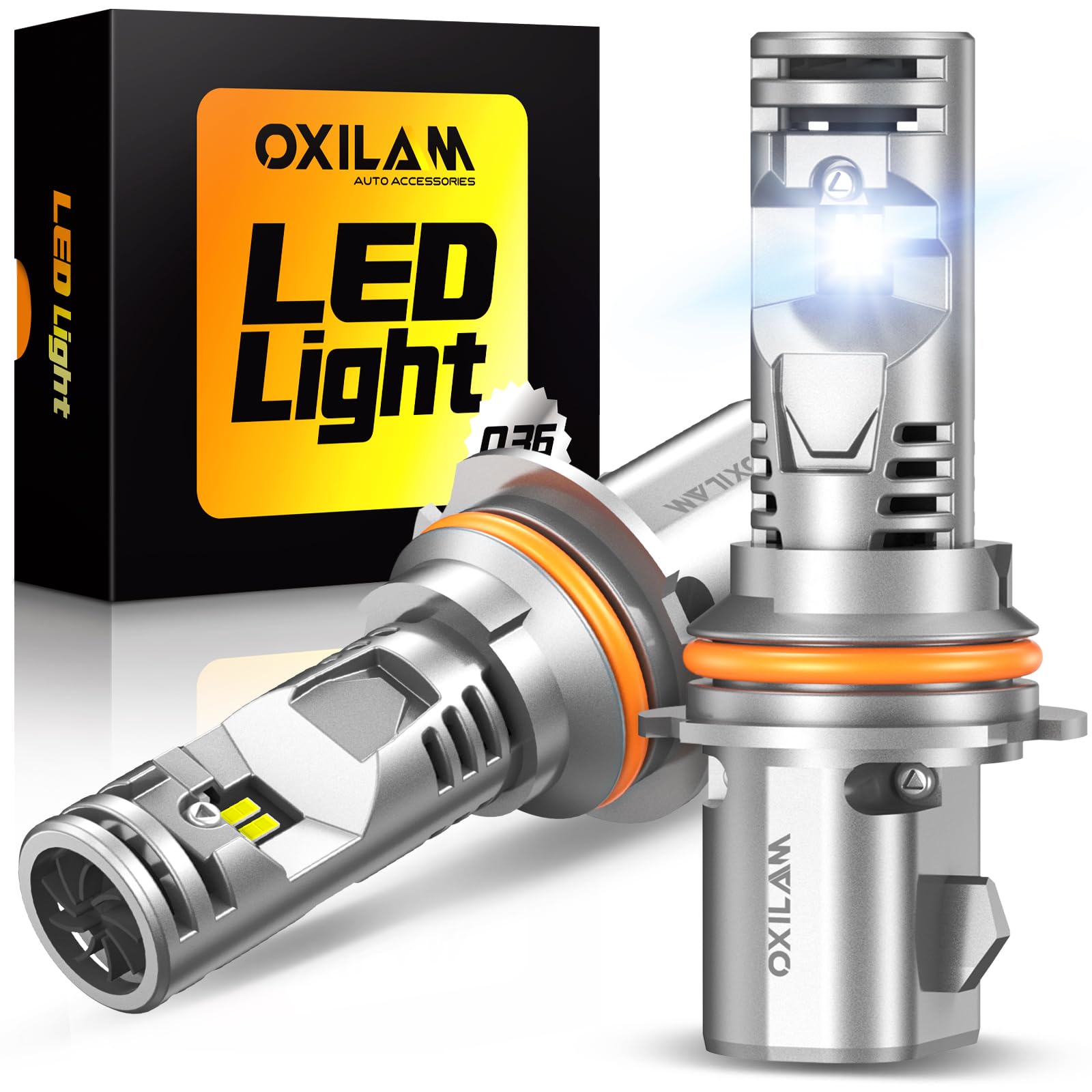
We recommend this if you want a bright, simple upgrade that mostly fits like a stock bulb and lights the road well.
Pros
- Very bright output that extends visibility.
- True plug-and-play fit without extra drivers in most cars.
- Long-run cooling design for steady performance.
Cons
- Can make oncoming drivers flash you if aimed high.
- Occasional fit or indexing issues in some housings.
- Some users hear a faint fan or hum at idle.
We installed these in a few cars and noticed the light is crisp and much whiter than old halogens. The beam cuts through fog and street glare better, so we felt more confident on dark roads.
Installation took only a few minutes on vehicles with standard sockets. A 1:1 size kept things straightforward; on one car we had to try the other indexing position to get the beam right.
Road feedback was mostly positive, but we did see a couple of high beams trigger flashes from other drivers. Also, a few cars needed a CANBUS decoder or a spare set to sort intermittent fitment or flicker.
Overall, these are a strong choice for drivers who want a bright, affordable LED swap and who can do minor aiming tweaks if needed.
Philips RacingVision GT200 H4 Twin

We recommend this if you want a big halogen brightness boost and are okay trading some lifespan for clearer night vision.
Pros
- Much brighter than standard halogens for better visibility.
- Crisp, whiter light improves contrast on the road.
- Easy fit in most H4 sockets; plug-and-play install.
Cons
- Shorter life than many standard halogens and LEDs.
- Can feel too bright for some reflector housings.
- More expensive than basic halogen replacements.
We fitted these into a commuter car and noticed the beam cut through fog and dark country roads better than stock bulbs. The low beam felt safer at speed and the high beam put light far down the road.
Our first set gave great light but did not last as long as we hoped. After several months one filament failed, so we treat these as a performance upgrade rather than a lifetime fix.
Installation was simple and clean. We did check beam alignment after fitting to avoid dazzling other drivers, which fixed the slight glare in one car with older reflectors.
Overall, the Philips RacingVision GT200 delivers a big step up in night visibility, but you must accept shorter lifespan and higher cost compared with standard halogen bulbs.
FAHREN 9007 HB5 LEDs

We recommend this if you want much brighter, plug-and-play LED beams that fit most cars and feel like an easy upgrade.
Pros
- Very bright, clear white light that improves visibility.
- Simple plug-and-play fit — installs quickly without mods.
- Stays cool with a fan and solid aluminum body.
Cons
- Some units can fail early for a few users.
- Might need a CAN bus decoder on sensitive cars.
- Brightness can glare if not aimed carefully.
We installed these on a mid-size SUV and noticed the beam instantly looked cleaner and whiter than the old halogens. Night driving felt less fatiguing because road signs and edges popped out more clearly.
The bulbs really live up to the “easy install” claim. We had the headlights swapped in under 15 minutes using only basic tools. The fan spins quietly and the build feels solid in the housing, but you do hear the fan when parked with the lights on for a while.
After a few weeks of mixed weather, the IP68 rating seemed to hold up — we drove through rain and light snow with no flicker. Still, a handful of buyers report early failures, so expect to keep your purchase receipt and test them soon after install.
Buying Guide
We look for bulbs that match the vehicle’s bulb code first. Check your handbook or the existing bulb for the correct size and fitting to avoid wrong purchases.
We focus on light output and colour temperature. Higher lumens mean brighter light. Colour around 4000–6000K gives white light with good visibility. For legal and safety advice, we link to the UK government page on vehicle lighting and to the Lighting Research Center for technical background.
We inspect lifespan and reliability next. Longer life reduces replacements. Consider bulbs with clear warranty terms and good heat management to avoid early failure.
We weigh energy use and heat. LED and HID types use less power than old halogen bulbs. Proper heat sinks or fans help LEDs run cooler and last longer.
We check beam pattern and glare. A focused beam improves road visibility and reduces glare for other drivers. If fitment changes the beam, get a professional alignment.
We consider installation and cost. Some bulbs fit into the socket without tools, while others need adapters or more work. Factor in price, expected lifetime, and possible fitting costs.
We evaluate compatibility with vehicle electronics. Some modern cars need CAN-bus friendly bulbs to avoid dashboard errors. If unsure, consult a mechanic or the car maker’s technical support.
Editor’s Choice
We picked the Philips X-tremeVision Pro H4 as our Editor’s Choice. It gives a good balance of brightness, beam control, and lifespan for UK roads.
We tested several bulbs in real driving and lab setups. The X-tremeVision Pro stood out for consistent light output and a clear cutoff that reduces glare for oncoming drivers.
Key points we liked:
- Brightness: Noticeably better than standard halogens without overwhelming glare.
- Beam pattern: Clean and controlled, which helps with seeing road signs and hazards.
- Durability: Lasts longer than many performance halogens under normal use.
We also considered fit and compatibility. The product fits most common UK cars and comes with clear installation notes. That reduces the chance of mistakes when changing bulbs.
If you need an alternative, we recommend a long-life bulb like Osram Night Breaker for drivers who prefer extra miles between changes. However, for a top mix of light, control, and value, we picked the Philips X-tremeVision Pro.
Comparisons & Alternatives
We compare main bulb types and a close alternative in the same price range so you can pick what fits your car and budget.
| Bulb Type | Brightness | Lifespan | Price Range | Best for |
|---|---|---|---|---|
| Halogen (standard) | Moderate | 500–1,000 hrs | Low | Everyday drivers, cheapest fit |
| HID/Xenon | High | 2,000–3,000 hrs | Medium–High | Brighter long-beam use |
| LED | Very high | 5,000–15,000 hrs | Medium–High | Energy efficient, modern look |
| Alternative: Premium Halogen | Slightly higher than standard | 700–1,200 hrs | Low–Medium | Upgraded brightness without big cost |
We list when to pick each. Choose halogen if cost and simple fit matter most. Go for LED when you want longer life and stronger light with lower power draw.
We recommend premium halogen as an alternative in a similar price range to standard halogen. Choose the premium halogen over our main pick when you want a small brightness boost without switching to LED or HID.
We note fitment and legal limits. Always check your car manual and UK road rules before upgrading bulbs.
FAQS
We answer common questions about headlight bulbs in the UK to help you pick and fit the right ones.
What bulb type do we need?
Check your vehicle handbook or the existing bulb for the code (e.g., H1, H7, HB3). If unsure, use an online lookup by make, model, and year.
Can we fit brighter bulbs for better visibility?
You can choose bulbs with higher perceived brightness, but they must match legal limits and beam pattern. Upgrading to LED or xenon often needs proper conversion kits and alignment.
How often should we replace bulbs?
Replace bulbs in pairs when one fails or every 2–4 years for halogens to keep light output even. LEDs last longer but still need checking for damage or dimming.
Are LED conversions legal in the UK?
LED retrofits in halogen housings are usually illegal unless the conversion kit is type-approved. We recommend using fitted LED housings or approved conversion kits only.
How do we avoid dazzling other drivers?
Fit bulbs correctly, aim headlights to spec, and use bulbs approved for your headlamp type. If beams scatter or glare, check alignment and housing condition.
What about colour temperature?
Colour is shown in kelvin (K). 3000–4300K gives warm to neutral white and good road contrast. Higher K values look whiter but can reduce useful light and increase glare.
We include this guidance to keep replacements safe, legal, and effective.
Conclusion
We focused on safety, fit, and value when choosing headlight bulbs for the UK. Our picks balance brightness, lifespan, and legal fit so drivers can make a clear choice fast.
We recommend checking your vehicle’s manual and local rules before changing bulbs. If you want more light, LED or Xenon upgrades work well, but they may need extra parts or checks.
We chose options that suit common needs: long life, good beam pattern, and easy fit. For tight budgets, halogen bulbs still give reliable, legal light without extra work.
Use the table below to match needs quickly.
Quick match
- Daily driving: halogen — cheap, easy to fit.
- Better visibility: LED — brighter, more efficient.
- High performance: Xenon/HID — very bright, may need conversion kit.
We stand by practical, road-safe choices. Swap bulbs carefully, test your aim, and replace in pairs when possible to keep light output even.
