

Car window tinting is a popular way to reduce heat, glare, and UV rays inside a vehicle. It also adds privacy and can improve the look of a car. Window tint comes in many types, including dyed, metalized, ceramic, and hybrid films, each offering different levels of protection and durability.
Choosing the best car window tint depends on factors like heat rejection, clarity, and how well it blocks UV rays. Some tints can interfere with electronic signals, while others are nearly invisible and very durable. Local laws also limit how dark your tint can be, so it’s important to pick a tint that is legal in your area.
We looked at many options focusing on which tints offer the best balance of heat protection, clear visibility, and long-term reliability. Next, we’ll explain what to consider when choosing a tint for your car.
Contents
Best Car Window Tinting
We have tested and researched the top car window tinting options to help protect your vehicle from heat and UV rays. Our list covers products that are easy to apply, durable, and offer great value. Below, you will find the best choices for different needs and budgets.
TRUE LINE Automotive Tint Kit
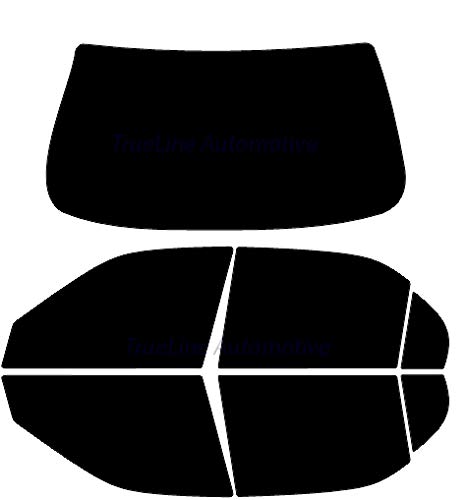
This kit offers a solid DIY option for those wanting custom-tinted side and rear windows with easy installation and good heat blocking.
Pros
- Pre-cut tint fits windows precisely with no trimming needed
- Multiple shade options let us pick the right darkness and heat rejection
- Peel-and-stick method works well if we prepare surfaces carefully
Cons
- Only covers side and back windows, not front windshield
- Installation can be tricky without proper prep and practice
- Some users find the thinner films scratch more easily
When we tested the TRUE LINE Automotive kit, it was clear that the pre-cut film saved us time and guessing. Every piece matched the window shape closely, so no cutting was needed. Having shade options from 5% to 50%, plus choices between dyed, carbon, and ceramic films gave us flexibility based on our needs.
Applying the film required a lot of patience. We needed to spray plenty of water and get bubbles out carefully. The kit’s included release tabs helped separate the layers, which was handy. Preparation mattered a lot here—clean windows and the right soapy water mix made a big difference in results.
While the quality is good, we noticed the thinner films scratched easily if not handled cautiously. This kit focuses on side and back windows only, so you’ll need a different solution for the windshield. Overall, it’s a reliable choice for a personal tinting project if you don’t mind the learning curve.
BLACKGLASS IX Car Window Tint

This tint film is a solid choice for those who want professional-level quality and easy installation at a fair price.
Pros
- Thick, durable film that feels high quality
- Comes with helpful instructions and video guides
- Offers several darkness options to fit different needs
Cons
- Some users report small damages on the roll
- Can look hazy when sunlight hits directly
- Installation still takes patience if you’re new
We found the BLACKGLASS IX tint thick and sturdy, which helped in getting a neat finish without tears or wrinkles. It stood out from thinner films by holding its shape well during installation, making it easier to get smooth edges.
The extra adhesive made sure the film stayed fixed after application, and the scratch resistance gave us confidence it will last. Plus, it did help reduce glare and heat noticeably.
On the downside, the roll did come with a few tiny punctures that made parts tricky to use. Also, it had a slight haze under direct sunlight, so that may not suit all tastes. Overall, it’s a reliable option if you want a pro feel without paying premium prices.
Vepagoo Ceramic Car Window Tint (35% VLT)

This tint film is a solid choice if you want good heat and UV protection with decent privacy and are ready to do a careful DIY install.
Pros
- Blocks most UV rays and reduces heat well
- Offers clear daytime privacy without blurring outside view
- Scratch resistant and adds safety by reinforcing windows
Cons
- Installation can be tricky without patience and practice
- Slight haze can appear when sunlight hits the film
- Nighttime visibility from inside may be reduced
We found the Vepagoo tint cuts down heat inside the car noticeably. It protects skin and keeps the interior from fading, which makes drives more comfortable. The ceramic material felt sturdy and gave our windows a safe, scratch-resistant layer.
Applying the film ourselves took some time, and at first, it was tough to avoid wrinkles. The instructions helped, but trial and error was part of the process. We recommend having a very sharp blade for trimming the edges cleanly.
During the day, the privacy effect was good without blocking the view outside. However, at night, seeing out with interior lights on was not as clear. The slight haze in direct sunlight was also a minor drawback but did not bother us much overall.
Mandark Tinting Kit
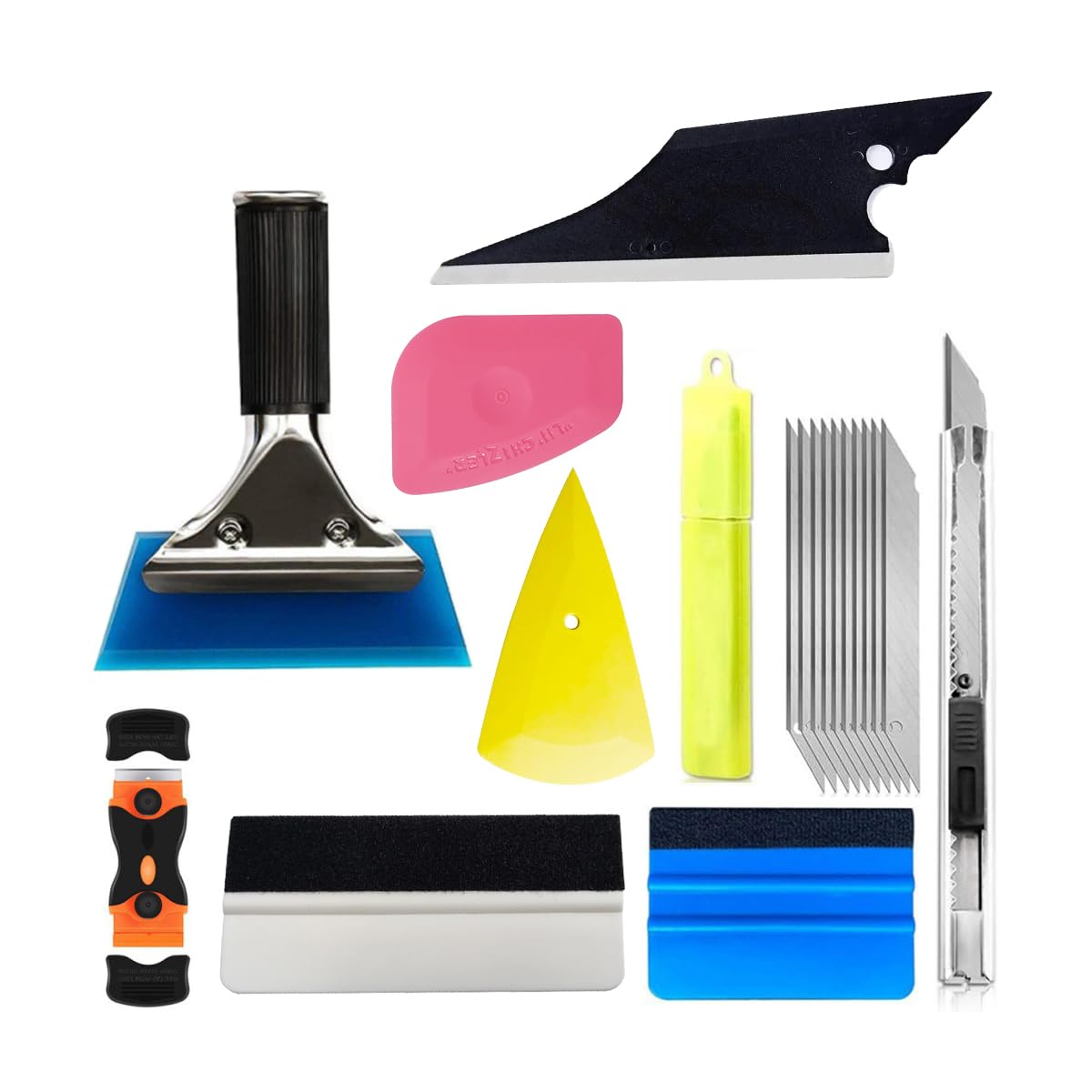
This kit offers everything we need to get clean, smooth window tints with tools designed for both ease and durability.
Pros
- Sturdy metal and soft plastic parts fit curved surfaces well
- Includes many tools for a complete tinting job
- Easy to handle and removes air bubbles effectively
Cons
- Utility knife blade can feel a bit fragile
- Some squeegees might be smaller than preferred
- Not specialized only for car windows, so some tools feel generic
The Mandark kit impressed us with its wide selection of tools for tinting and vinyl work. The blend of plastic and metal parts makes it flexible yet durable enough, especially around tricky curved edges. This helped us avoid scratches and got the film aligned neatly.
Using the sharper metal blade to cut the tint felt precise but the blade’s thickness could sometimes seem too light for heavy-duty tasks. Still, for standard car windows, it worked fine and prevented damage to the glass.
Overall, the kit covers all the basics plus extras like felt and triangular squeegees. These helped push out moisture and air, leaving a flat finish. It feels like a smart buy for anyone handling DIY window tint projects.
ReplaceMyParts Front Side Window Tint Kit

This kit is a solid choice if you only need tint for your front side windows and want a simple, pre-cut option.
Pros
- Pre-cut for a custom fit on most US cars
- Multiple tint shades available to match your preference
- Good UV protection to keep your car cooler
Cons
- Only fits front side windows, not the full car
- Can be tricky to apply without extra hands
- Tint edges may need trimming for a perfect fit
The kit comes with computer-cut pieces that mostly match the front side windows of many sedans and SUVs. We appreciated the choice in tint darkness, which gave us some control over how much light gets blocked.
Applying it did take some patience. The film sticks to itself easily, so peeling off the backing without wrinkles can get frustrating unless two people work on it. Sometimes the pieces arrived a bit bigger than expected, so trimming the edges carefully helped to get a cleaner look.
Overall, this product is useful if you want a quick way to tint your front windows without paying for a full professional job or a kit that covers every window. Just be ready to take your time while installing.
BLACKGLASS IX Car Window Tint
This tint film offers strong coverage and durability, making it a solid choice for anyone wanting professional-grade results without hiring a shop.
Pros
- Thick, easy-to-handle 2-ply film
- Large roll size fits multiple vehicles
- Long-lasting adhesion with good heat and scratch resistance
Cons
- Can be tricky to install perfectly for beginners
- Some rolls might have minor defects on delivery
- Darkest tint may reduce night visibility
We found the BLACKGLASS IX film to be impressively thick and easy to work with once you get the hang of it. The 2-ply design gives it more strength and flexibility than thinner options, which helps during installation and shaping.
The large 20-foot roll size covers plenty of windows, so it’s great for cars, vans, or even trucks. Following the included instructions and videos made the process smoother, but it still takes patience to avoid bubbles or wrinkles.
After applying, the tint stayed firmly in place and handled heat from the sun without fading or peeling. The darkest limo black offers serious privacy and glare reduction, although it does make night driving a bit tougher. Overall, it’s a worthwhile film for those ready to tackle DIY tinting.
Luxiv Tint Tool Kit

This kit is a solid choice for anyone wanting reliable tools to install or remove car window tint without hassle.
Pros
- Comes with many different squeegees for all window shapes
- Includes a spray bottle that’s big enough for multiple windows
- Sturdy tools that hold up well during use
Cons
- Spray bottle could be larger for less refilling
- Some small pieces might be tricky to handle at first
- Not suitable for kids due to small parts
We found the variety of squeegees really helpful for getting into tight corners and curved windows. The mix of soft and firm edges gave us good control while smoothing the tint film. It makes working on different parts of the car easier without needing extra tools.
The spray bottle holds enough water to cover several windows, which saved us time cleaning the glass and applying film. However, refilling midway through a big job was still necessary, so a bigger bottle would have made the job smoother.
Durability stood out as well. The stainless steel handles felt solid, and the blades didn’t wear down quickly, even after doing the whole SUV. Overall, this tool kit made tint work less stressful and gave us a neat finish on every window.
TrayClicks Tint Tool Kit

This kit gives us all the main tools for easy and smooth window tinting, whether we’re beginners or experienced.
Pros
- Includes many useful squeegees for tricky spots
- Tools feel sturdy and last through multiple uses
- Comes with a sharp cutter knife and extra blades
Cons
- No UV protection film included
- Some tools may take time to get used to
- Not meant for professional-only use
When we opened the TrayClicks Tint Tool Kit, we noticed the wide range of squeegees and pads that made fitting tint film much simpler. The long-handle bulldozer squeegee reached awkward window edges without fuss. It worked well on flat and curved surfaces alike, helping remove bubbles gently.
The scrubber paddle with felt edges made cleaning before applying tint fast and effective. We appreciated the cutter knife’s solid feel and precise cuts, which saved us from mistakes during fitting. Though some tools needed a bit of practice to use smoothly, overall the kit handled all steps confidently.
This set feels like a complete starter or upgrade tool kit. Even if you’re just trying tint for the first time, the variety of tools covers most needs well. The kit’s balance of quality and function made the whole tinting process easier and more professional-looking for us.
AUTOTEK Car Window Tint
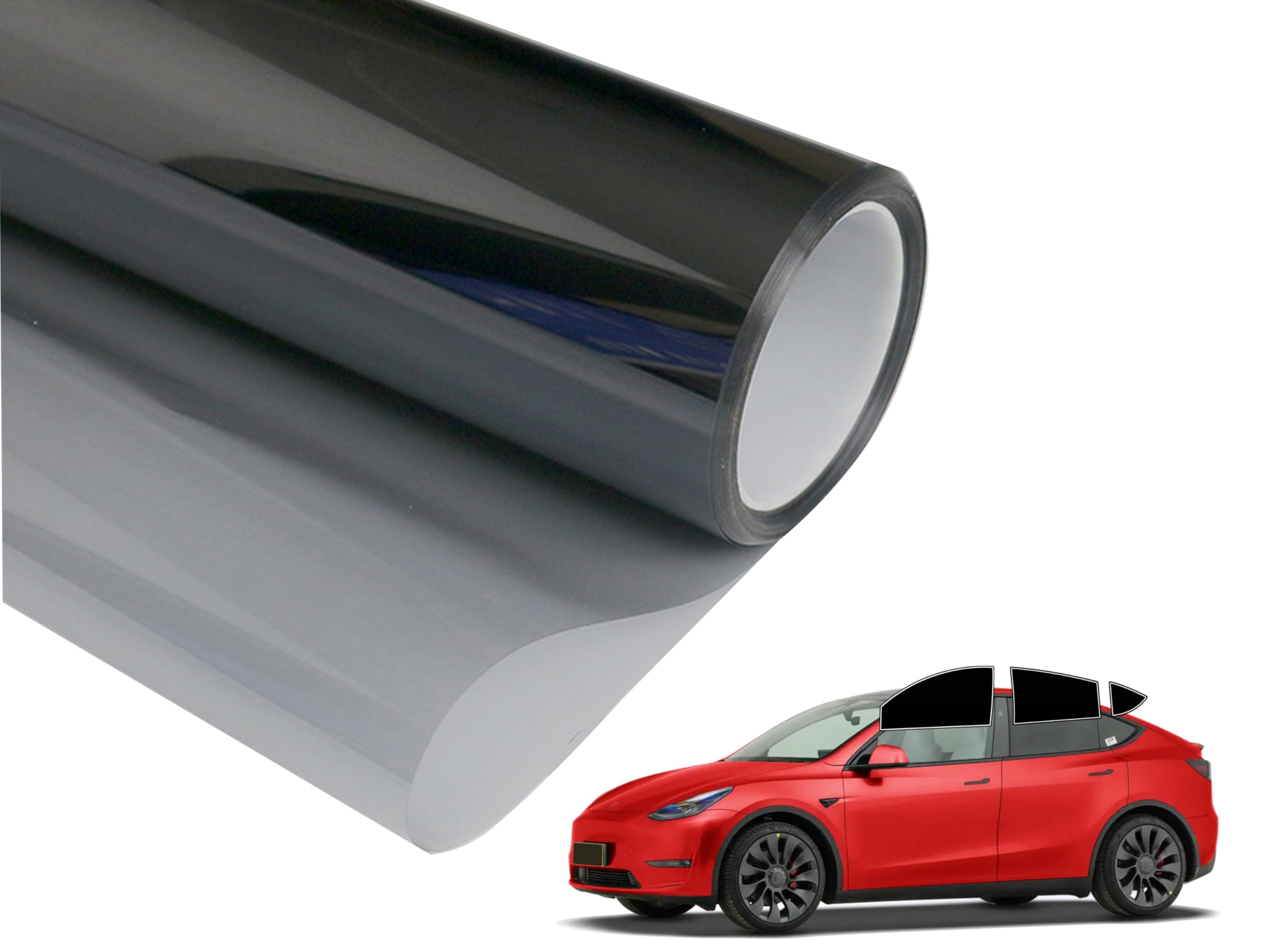
We found this tint works well for basic heat reduction and privacy without costing too much.
Pros
- Blocks UV rays and reduces heat inside the car
- Keeps privacy by darkening the windows from outside
- Easy peel-and-stick installation for most vehicles
Cons
- Film feels thinner than expected and wrinkles when heated
- Can be tricky to apply smoothly without bubbles
- Not ideal if you want a very thick or durable tint
The AUTOTEK tint does a decent job cutting down sunlight and making the car interior more comfortable. We noticed it really helps with glare from other cars at night, which made driving less tiring.
Applying the film took some patience. It’s flexible but a bit fragile, so heating it to shrink must be done carefully to avoid wrinkles or tears. This means a beginner might struggle at first.
Overall, it’s a good choice if balancing price and basic protection is your priority. Just be ready for a bit of a learning curve during installation.
Autotek DIY Tint Kit

This kit offers a convenient, precut tint option for pickup windows but needs careful handling during installation.
Pros
- Comes precut for most pickup side and rear windows
- Blocks UV rays well and reduces interior heat
- Offers some safety by holding broken glass together
Cons
- Doesn’t include installation tools, which can be tricky
- Fit may be slightly off on some models, causing gaps
- Packaged tint can arrive damaged or creased
We used this tint on a recent truck and liked the tailored pieces—it saved us time measuring. The UV protection really cuts down on glare and keeps the cabin cooler, which helped us lower the AC use on hot days.
The tint sticks firmly and adds a decent amount of privacy without looking too dark. We noticed, though, that applying it requires a steady hand. Without professional tools, bubbles and wrinkles can appear easily.
Be prepared for some trial and error if you’re new to tinting. Customer support is responsive, which helped us replace a damaged set quickly. Overall, this kit works well but demands patience during installation.
Buying Guide
When we choose the best car window tint, we need to think about a few key features. First, consider the type of tint film. There are dyed, metalized, and ceramic films. Each offers different benefits like heat rejection or durability.
Next, we look at the Visible Light Transmission (VLT) percentage. This number shows how much light passes through the tint. Lower percentages mean darker tints but may be illegal in some areas. Always check local laws before deciding.
Heat rejection is important if we want to keep our car cool. Good tints block a lot of infrared light to reduce heat inside.
UV protection helps protect our skin and the car’s interior. Most good tints block up to 99% of UV rays.
| Feature | What to Look For | Why It Matters |
|---|---|---|
| Type of Film | Dyed, metalized, ceramic | Durability and heat control |
| VLT Percentage | Depends on legal limits (usually 35-50%) | Amount of light allowed in |
| Heat Rejection | High infrared blocking | Keeps car cooler |
| UV Protection | Up to 99% blocking | Protects skin and interior |
We should also think about ease of installation and if we want to do it ourselves or hire a professional. A good tint lasts for years and doesn’t bubble or fade quickly.
By checking these factors, we make sure our tint looks good and works well for daily driving.
Editor’s Choice
We chose Ceramic Pro Auto Film as our top pick for car window tinting. It offers excellent heat rejection and UV protection without making your windows too dark. This tint keeps the car cooler while still allowing good visibility.
Another great option is 3M Crystalline Series. It has a multi-layer film that blocks up to 99% of infrared light. This helps reduce heat and glare but stays clear enough for daily driving.
Here’s a quick comparison table of our top choices:
| Brand | UV Protection | Heat Rejection | Visible Light Transmission | Price Range |
|---|---|---|---|---|
| Ceramic Pro Auto Film | 99% | High | 35% – 70% | $$ – $$$ |
| 3M Crystalline | 99% | Very High | 40% – 70% | $$$ |
| Llumar CTX | 98% | Medium | 50% – 70% | $ – $$ |
We also considered ease of installation and warranty when picking our favorites. Ceramic Pro and 3M both offer strong warranties and professional installation options.
In our experience, the best tint balances protection, appearance, and price. Both Ceramic Pro and 3M meet these needs well. We suggest choosing based on your local climate and personal preference for window darkness.
Where to Buy – Best Amazon Deals
We find Amazon a top spot for buying car window tinting products. It offers a wide range of options, from DIY kits to professional-grade films. This makes it easy for us to compare prices and features all in one place.
Many sellers offer different tint shades and sizes. So, whether we want to tint just the front windows or the whole car, there’s likely something that fits our needs. Plus, customer reviews help us decide which brands work best.
Here are some of the best deals we found on Amazon:
| Product Name | Tint Percentage | Price Range | Customer Rating |
|---|---|---|---|
| Gila Heat Control | 35%, 50%, 70% | $15–$35 | 4.2 out of 5 |
| VViViD Phantom Film | 20%, 35%, 50% | $20–$40 | 4.3 out of 5 |
| KATUMO DIY Window Tint | 50%, 70%, 85% | $10–$25 | 4.0 out of 5 |
Most products come with detailed installation guides or videos. This helps us apply the tint properly without bubbles or wrinkles. We also find kits with tools included, which saves time.
Amazon often has sales and discounts, especially during holidays. Watching for these deals can help us save money while getting quality window tint films. We suggest checking the return policy before buying, just in case the product doesn’t match our car or preference.
FAQS
We often get questions about car window tinting. Here are some of the most common ones and clear answers to help you understand better.
Is window tinting legal?
Laws vary by state and country. We recommend checking your local rules before tinting. Some states allow darker tints on rear windows but not on the front.
How long does tinting last?
Good quality tint can last 5 to 10 years if cared for properly. Exposure to sun and heat can shorten its life.
Can tinting reduce heat inside the car?
Yes, tinting helps block some heat from the sun. This can keep our car cooler, especially during hot days.
Does tinting affect visibility at night?
A mild or medium tint typically does not lower night visibility much. Very dark tint might make it harder to see in low light.
| Question | Short Answer |
|---|---|
| Does tinting protect from UV rays? | Yes, it blocks up to 99% of UV rays. |
| Can I tint my front windshield? | Usually no, except for the top strip. |
| Is DIY tinting a good idea? | Professional tinting gives better results. |
If we follow these points, tinting can be both safe and useful for our cars.
Conclusion
When choosing the best car window tinting, we need to think about several important factors. Protection from UV rays, heat reduction, and legal limits all play key roles in our decision.
Types of tint include dyed, metalized, and ceramic films. Each has its own benefits and costs. We should pick the one that fits our needs and budget.
Installation quality matters a lot. Even the best tint can fail if not applied properly. We recommend using professional services with strong reviews.
Here is a quick guide to help us choose:
| Factor | What to Consider |
|---|---|
| Protection | UV blocking, heat rejection |
| Appearance | Color, glare reduction |
| Durability | Scratch resistance, fading over time |
| Cost | Price vs. quality balance |
| Legality | Local rules about tint darkness |
By focusing on these points, we can make a smart choice. Good tinting improves comfort, privacy, and car value. It’s an investment worth making carefully.
We encourage researching and comparing options before deciding. That way, our windows stay protected and our drive stays safe.
