

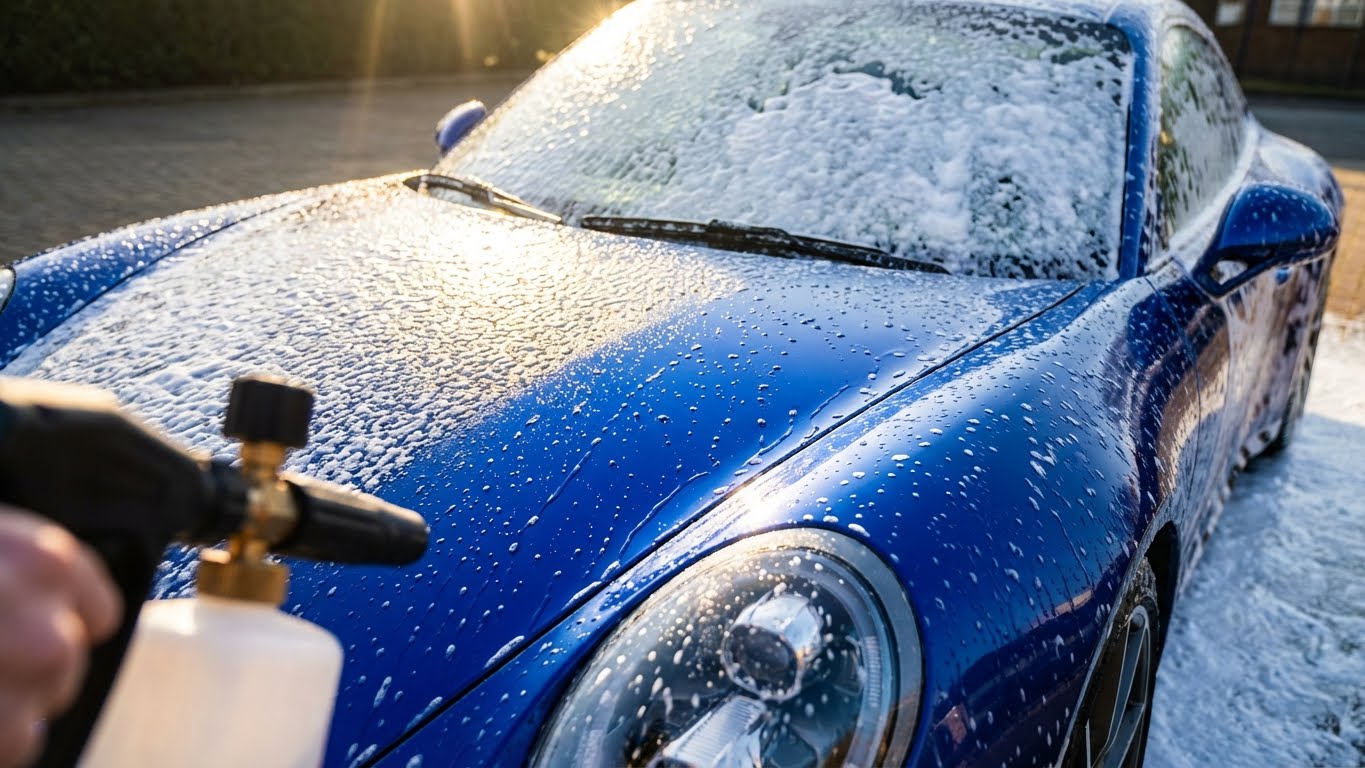
Car washing keeps your car looking good and protects the paint from dirt, road salt, and bird droppings. PH neutral car wash soaps clean grime without stripping wax, sealant, or delicate clear coats, making them a safe choice for regular washing and paint-care routines.
PH neutral formulas are gentle but still need to lift and suspend dirt so it rinses away cleanly. Look for a soap that is pH balanced, produces good lubrication to avoid swirls, and rinses without leaving residue — these traits matter most when choosing a pH neutral car wash.
We tested and compared several pH neutral car wash soaps to find ones that protect finishes while delivering easy washing and rinsing.
Contents
Best pH-Neutral Car Wash Soaps
Below is our full list of the best pH-neutral car wash soaps we recommend. We tested options that protect wax and clear coat while cleaning safely, and we focus on gentle formulas that suit all paint types.
Mr. Pink by Chemical Guys

We recommend this if you want a pH-balanced, foamy car soap that cleans well and is safe on wax and coatings.
Pros
- Creates thick, clingy foam that lifts dirt.
- pH-balanced so it won’t strip wax, sealant, or ceramic coatings.
- Works well with foam cannons, blasters, or bucket washes.
Cons
- Strong candy scent may not suit everyone.
- Can attract bugs if residue remains after drying.
- Some users report variable foaming depending on equipment or dilution.
We used Mr. Pink with a foam cannon and liked how the suds clung to vertical surfaces. The foam made rinsing easier and felt slick, which gave us confidence it reduced swirl risk while we scrubbed.
Cleaning power proved solid on light grime and road film. It rinsed without streaks and left a pleasant gloss. When used with proper dilution the soap didn’t strip existing wax or ceramic protection.
On the downside, the candy smell is noticeable and not everybody will like it. Also, if you don’t rinse fully or dry soon after washing, we noticed more bug attraction on hot days. Overall, it’s a reliable all-purpose pH-neutral wash that performs best when matched to a good foam gun and correct mix.
Turtle Wax Pure Wash
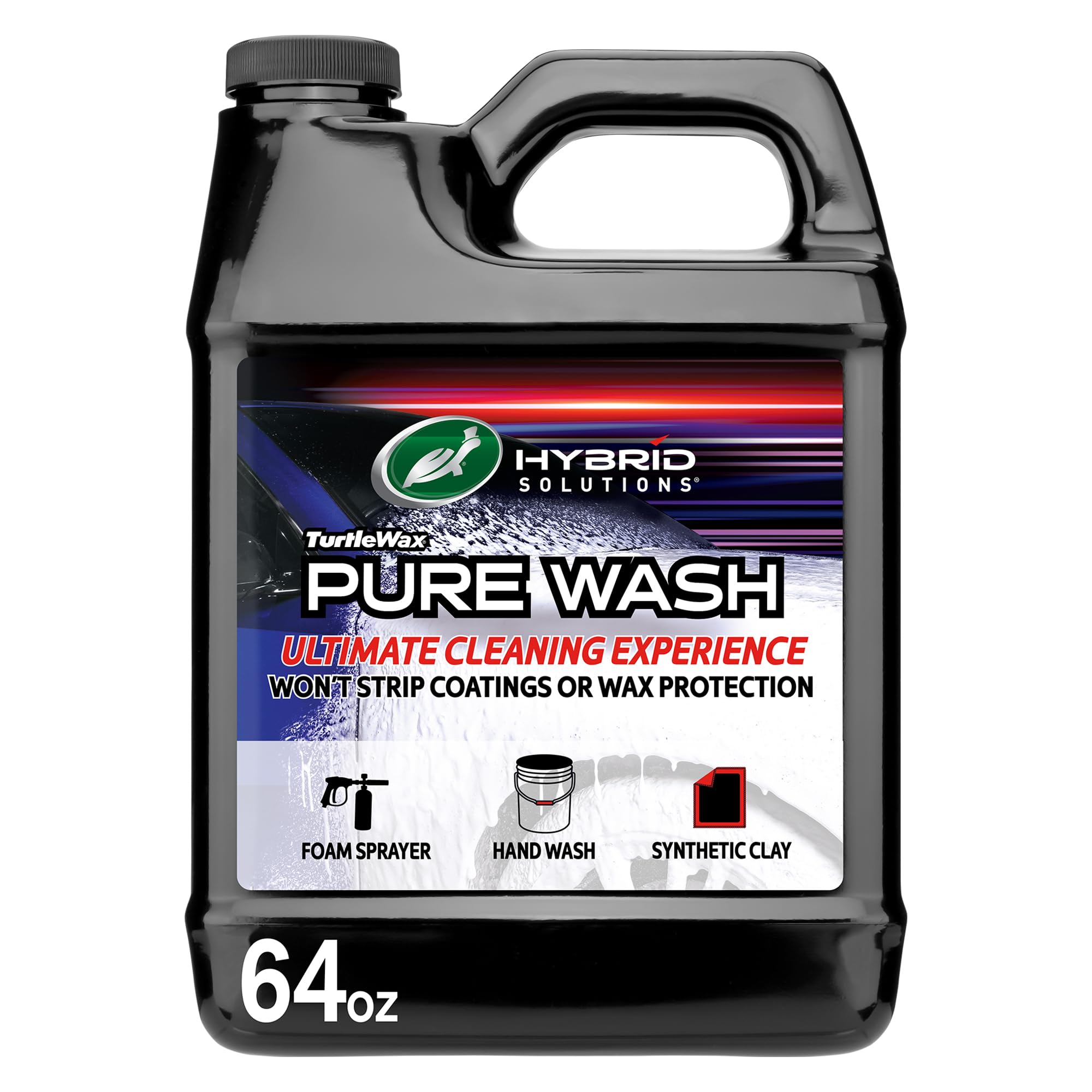
We recommend this if you want a pH-neutral wash that foams well and won’t strip wax or coatings.
Pros
- Gentle on waxes, sealants, and ceramic coatings
- Thick foam that clings and rinses easily
- Doubles as a synthetic clay lubricant for decon work
Cons
- Fragrance may be strong for scent-sensitive users
- Not for use on hot surfaces or in direct sun
- Higher price than basic car soaps
We used this in both a foam cannon and a two-bucket hand wash. It produced rich, long-lasting suds that stuck to vertical panels and loosened grime quickly. Rinsing felt fast and left a slick finish that made drying easier.
When we hand-washed, the slick polymers reduced paint drag and helped the mitt glide over the surface. In the foam cannon the coverage was even and the foam lasted longer than many other shampoos we’ve tried.
We tested it over existing wax and a ceramic sealant and saw no loss of protection. The smell is tropical and pleasant to most of our team, but if you prefer unscented products, this might be noticeable. Overall, it’s a solid pro-level wash for owners who protect their paint.
Buy it on Amazon: Turtle Wax 54320 Hybrid Solutions Slick-N-Slide Pure Wash, 64 oz.
Meguiar’s Gold Class 64 oz
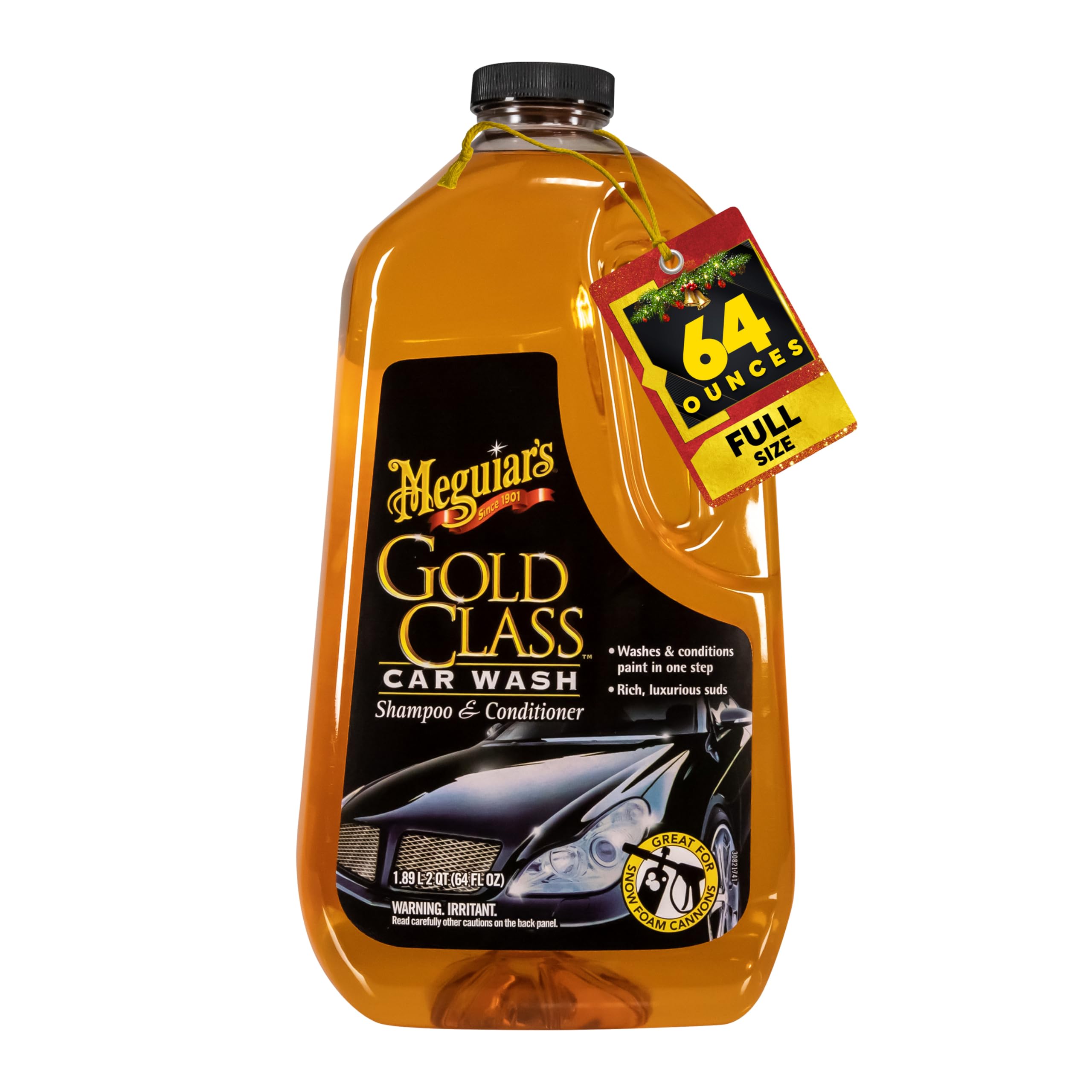
We recommend this if you want an easy, foamy wash that cleans well and keeps wax layers safe.
Pros
- Rich foam that lifts grime without scrubbing hard
- Cleans and conditions in one step to save time
- Works well with foam cannons and bucket washes
Cons
- Fragrance may be strong for sensitive noses
- Bottle size is heavy to pour when full
- Needs correct dilution for best results
We used this on two cars and found the suds clingy and thick. Dirt came off with light rinsing, and the paint felt slick afterwards.
Our wash left a glossy finish without stripping existing wax. We ran it through a foam cannon and by hand; both methods looked great.
Pouring straight from the 64 oz bottle felt awkward, so we mixed into a smaller jug first. The scent is pleasant but noticeable, so rinse well if you prefer neutral smells.
Cerakote FoamMax 16 oz

We recommend this if you want a gentle, high-foaming wash that protects ceramic coatings while rinsing clean.
Pros
- Thick, long-lasting suds that lift dirt easily
- pH neutral and safe on ceramic coatings
- Fresh, subtle citrus scent that isn’t overpowering
Cons
- Small 16 oz bottle may need frequent repurchase for regular use
- Concentrated formula needs careful dilution or it can be too soapy
- Foam performance varies with different foam cannons
We used Cerakote FoamMax with both a foam cannon and a two-bucket wash. It produced a dense, creamy foam that clung to paint and helped loosen grime without scraping. Rinsing was fast and left a clear, streak-free surface.
Our car’s ceramic layer felt slick after drying, which gave us confidence the pH neutral formula did not strip protection. The citrus scent made the wash pleasant, but it faded quickly and never became strong.
Mixing was straightforward; a little goes a long way. We found that dialing back the concentration reduced residue and still gave great cleaning power. Overall, it felt like a reliable maintenance shampoo that keeps ceramic coatings safe while delivering good suds and a clean finish.
P&S Pearl Auto Shampoo

We recommend this if you want a slick, pH-balanced shampoo that’s safe on coatings and smells nice.
Pros
- Very slick feel that helps the wash mitt glide.
- pH-balanced and gentle on waxes, sealants, and ceramic coatings.
- Pleasant lemon scent and biodegradable formula.
Cons
- Foam level can vary with your cannon or dilution.
- Slightly tacky foam that clings—good for cleaning but slower to rinse.
- Pricey compared with basic supermarket soaps.
We used this at the bucket and with a foam cannon and liked how the mitt moved across the paint. Dirt lifted easily and we felt less drag than with cheap soaps. The lemon scent made the job more pleasant without being overpowering.
On a coated vehicle the shampoo felt safe and did not strip protection. Foam stuck to vertical surfaces, which helped dissolve grime but added a little extra rinsing time. It also produced thick suds in the bucket that felt protective under the mitt.
For detailers and enthusiastic owners who want a reliable, finish-safe cleaner, this is a solid pick. It’s not the cheapest option, but the combination of slickness, pH balance, and biodegradability makes it worth considering.
Adam’s Car Wash Shampoo (Gallon)

We recommend this if you want a safe, pH-neutral shampoo that foams well, works in a foam cannon, and won’t strip wax or coatings.
Pros
- Gentle on paint and safe for coatings.
- Thick suds and good lubrication for safe washing.
- Works well in foam cannons and for hand washes.
Cons
- Scent may be too sweet for some users.
- Not a dedicated wheel cleaner, so tough brake dust needs another product.
- Gallon size is bulky to store for some garages.
We used this shampoo on several cars with different finishes and coatings. It rinsed clean, left a slick feel, and didn’t chase water spots when we used it with a foam cannon. We appreciated that it didn’t strip wax or ceramic protection during repeated washes.
On hard water days the product held up better than many shampoos we’ve tried. It created thick foam that clung to panels, which made light rinsing easier and reduced scrubbing. The wildberry scent is noticeable but fades quickly.
If you run a regular maintenance wash routine, this blended formula gives reliable lubrication and decent shine without aggressive detergents. For heavy brake dust or tar, add a wheel/tar cleaner to your kit, but for weekly washes this shampoo handled dirt and road film with low risk to clear coat.
Mr. Pink — Chemical Guys

We recommend this for people who want thick foam that cleans well while protecting wax and coatings.
Pros
- Produces rich, clingy foam that lifts dirt.
- pH-balanced so it won’t strip wax, sealant, or ceramic.
- Works well with foam cannons and bucket washing.
Cons
- Candy scent may be too sweet for some.
- Concentrated bottle means measuring each use.
- A bit pricier than basic car soaps.
We used Mr. Pink with a foam cannon and liked how the suds hugged the panel edges. Dirt came off without heavy scrubbing, and the foam felt slick so our mitt slid over grime instead of grinding it in.
After rinsing, the finish looked glossy and protected. We didn’t notice any dulling of existing wax or coatings, which gave us confidence this won’t strip treatments during regular washes.
The scent made the wash feel more fun, though it’s strong at first. For routine cleaning and safe foam performance, this is a reliable pick.
Adam’s Mega Foam (Gallon)

We recommend this for people who want thick foam that cleans gently and protects existing wax or sealants.
Pros
- Produces massive, clingy foam for easy dirt lift.
- pH neutral so it won’t strip wax, sealants, or ceramic coatings.
- Very concentrated — small amounts go a long way.
Cons
- Pricier than basic car soaps.
- Strong fruity scent may be too sweet for some.
- Needs a foam cannon or gun to get the best results.
We used the gallon with a foam cannon and the suds were impressive. The foam stuck to vertical panels and held grime in suspension so rinsing removed most dirt without heavy scrubbing.
We noticed the finish stayed glossy after washing, which tells us the product didn’t strip wax or sealant. That gave us confidence to use it on cars with recent protective layers.
Mixing was simple because the formula is highly concentrated. For bucket washing it still worked, but the foam performance shined when paired with a cannon or gun.
For a direct look or to buy, visit the product page: Adam’s Mega Foam Car Wash Soap (Gallon) – pH Neutral.
3D Pink Car Soap

We recommend this soap if you want a pH-neutral, high-suds wash that cleans gently and leaves a glossy finish.
Pros
- Foams heavily and lifts dirt so our mitt glides without dragging.
- pH balanced, so it preserves wax and ceramic coatings.
- Rinses clean with minimal streaking and a pleasant cherry scent.
Cons
- Scent might be too strong for some users.
- One-gallon size can be bulky to store.
- Not the cheapest option if you buy from third-party sellers.
We used this on a weekly wash and liked how it felt under the mitt. The suds trapped grit, so we saw fewer swirls when drying. It also left a slick, glossy surface that made the paint pop.
Rinsing proved simple; water sheeted off without leaving a film. The cherry smell made the job more pleasant, though a few of us thought it was a bit sweet. We could still see our wax and sealant holding up after several washes.
Bottle handling was ordinary for a gallon jug and heavier when full. For regular home use it performed very well and kept finishes safe between detailing sessions. If you want a reliable, pH-neutral car soap, this one earned a spot in our rotation.
Meguiar’s Ultimate Wash & Wax (1 gal)
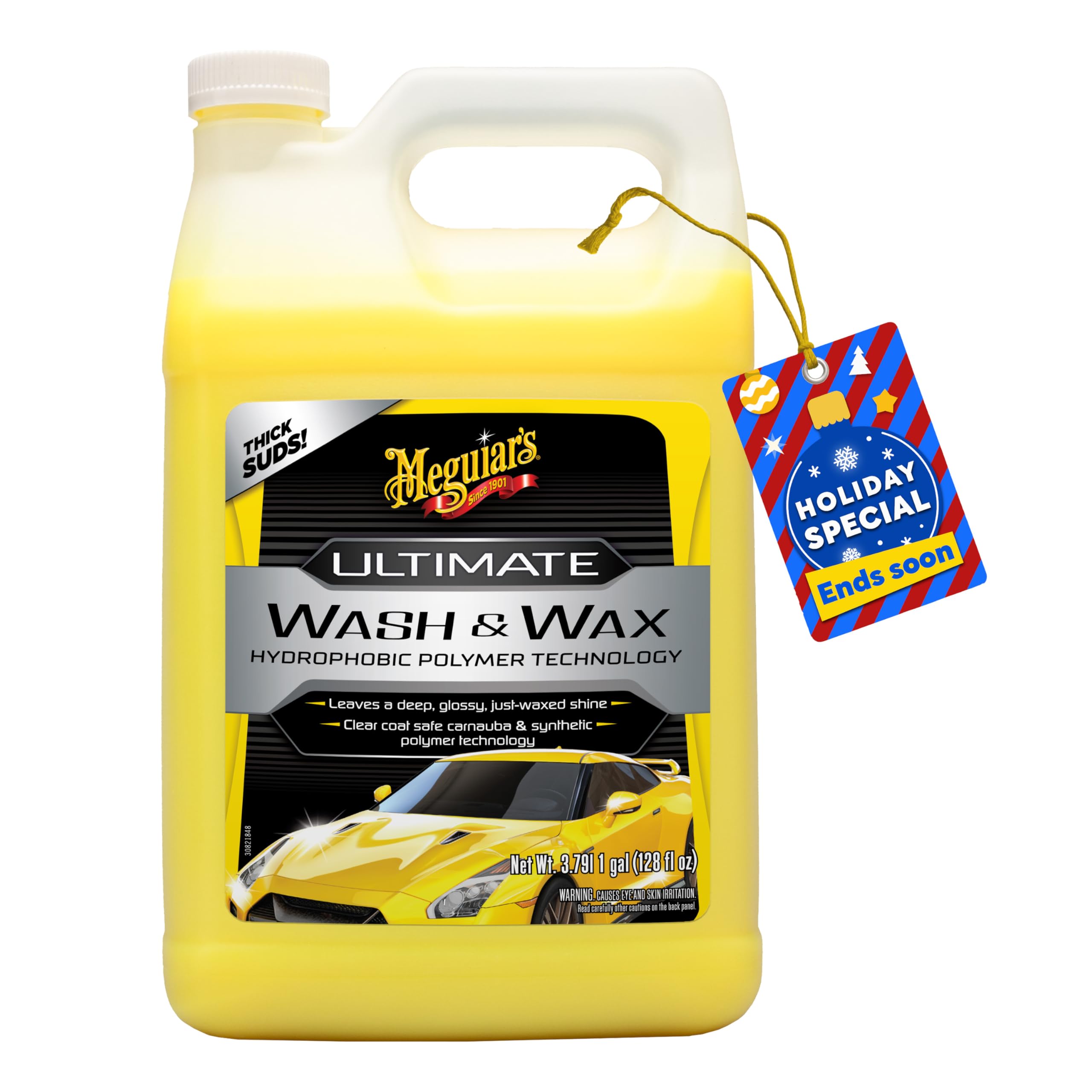
We recommend this if you want a pH-neutral wash that cleans gently and leaves a noticeable shine without a separate waxing step.
Pros
- Leaves a glossy, just-waxed look after rinsing.
- pH-neutral formula that is safe on clear coats and existing wax.
- Produces thick suds and works well in a foam cannon.
Cons
- Scent can be strong for some users.
- Not a substitute for a full protective wax or sealant.
- Large 1-gallon bottle is heavy to handle when full.
We used this in our foam cannon and on a hand wash. It suds up fast, lifts road grime, and rinses clean without leaving streaks. The finish looked glossier than a plain soap wash.
When washing by hand the slick feeling made it easy to move the mitt and reduce swirl risk. It seemed to preserve wax on the car and the water beaded afterward, though the effect doesn’t last as long as a dedicated paste or spray wax.
Mixing directions were straightforward and the product rinsed out without leaving residue. For regular maintenance washes between full waxes this saved time and kept the paint looking sharp.
Buying Guide
We look for products that clean well without stripping wax or sealant. pH neutral soaps (pH ~7) are gentler on paint and trim. Check the label for “pH balanced” or a specific pH number to be sure.
We pay attention to dilution ratio and concentration. A concentrated soap lasts longer and saves money, while an easy-to-mix formula reduces waste. Look for clear mixing instructions on the bottle.
We value safe, non-abrasive surfactants and low-foaming formulas if we use touchless or foam systems. Ingredients lists tell us whether the formula is biodegradable and free of harsh alkalis. For more on safe chemical use, we consult the EPA’s guidance on household products: https://www.epa.gov.
We consider scent, color-safe dyes, and compatibility with polish, wax, or ceramic coatings. Avoid soaps labeled as “stripping” or “degreasing” if we plan to maintain protective layers. Product testing and user manuals can confirm compatibility.
We check packaging and size for storage and frequency of use. A clear measurement cap and sturdy container help prevent spills. For best wash technique and paint care tips, we reference car care best practices from trusted sources like professional detailer guides: https://www.carcare.org.
We compare price per wash, customer reviews, and return policies. Prioritize products with transparent ingredient lists and clear instructions. That helps us choose a safe, effective pH neutral car wash soap.
Editor’s Choice
We picked a top pH neutral car wash soap that balances cleaning power with paint safety. It removes dirt and road grime without stripping wax or sealant, so you get a clean finish and lasting protection.
Features we liked:
- pH neutral formula — gentle on paint, clear coats, and ceramic coatings.
- Good suds and lubricity — reduces swirl risk during washing.
- Concentrated bottle — one small bottle makes many washes, which saves money.
Why we chose it: the soap cleans well on bugs, brake dust, and light tar while staying safe for regular use. It rinses easily and leaves minimal residue, so drying is faster and spotting is reduced.
How to use it: dilute according to the label and use a foam cannon or wash mitt for best results. Work top to bottom and rinse frequently to avoid dragging grit across the paint.
Key specs at a glance:
- pH: neutral (about 7)
- Bottle size: varies (commonly 16–32 oz)
- Suitable for: all paint types, clear coat, ceramic-coated surfaces
We recommend trying it on a small panel first if you have an unusual finish. That gives you confidence before you wash the whole vehicle.
Comparisons & Alternatives
We compare pH-neutral car wash soaps to other types and give one close alternative in price.
| Feature | pH‑Neutral Soap (Our Pick) | High‑Foam Acidic/Alkaline Soaps | Budget pH‑Neutral Alternative |
|---|---|---|---|
| Paint safety | Gentle; safe for clear coats | Can strip wax or sealant if strong | Gentle; similar safety |
| Cleaning power | Good for light to moderate dirt | Stronger on heavy grime | Slightly less suds, similar cleaning |
| Wax/sealant friendly | Preserves protection | May remove protection | Preserves protection |
| Price | Mid-range | Varies; often cheaper | Mid-range, similar price |
| Scent/options | Several scents/sizes | Fewer scent options | Fewer options but effective |
We choose our pH‑neutral soap when we want to protect wax and clear coat while still cleaning well.
We pick a high‑alkaline soap when wheels or very dirty surfaces need heavy duty cleaning first.
We recommend the budget pH‑neutral alternative when cost matters but we still want paint safety.
Pros and cons list:
- Pros of pH‑neutral: safe, preserves coatings, balanced cleaning.
- Cons of pH‑neutral: not the strongest on heavy grease.
- Pros of heavy soaps: powerful on grime and wheel brake dust.
- Cons of heavy soaps: can remove protectants and risk dulling paint.
When comparing, check dilution rates and intended use. We test small areas first and follow manufacturer directions.
FAQs
What does pH neutral mean?
pH neutral means the soap has a pH close to 7. We use it because it is gentle on paint, wax, and sealants.
Will pH neutral soap clean as well as regular soap?
Yes. It removes dirt and grime without stripping protective coatings. For heavy tar or grease, we recommend a dedicated degreaser.
How often should we use pH neutral wash?
We suggest using it for regular washes, about every 1–2 weeks depending on driving conditions. It keeps coatings and waxes intact longer.
Is pH neutral safe for all finishes?
Generally yes. It is safe for clear coats, ceramic coatings, matte finishes, and vinyl wraps. Always check the product label for specific claims.
Do we need special tools with pH neutral soap?
No. A microfiber wash mitt and two-bucket method work well. For best results, use a grit guard to reduce scratches.
How do we measure pH?
We can use test strips or a digital pH meter. Follow the product dilution instructions and test the mixed solution.
Can pH neutral soap remove water spots?
It helps but may not remove mineral stains. For hard water spots, we use a dedicated water-spot remover or a mild acid rinse.
How much soap should we use?
Follow the label dilution rates. Too concentrated can leave residue; too weak may not clean effectively.
Conclusion
We recommend choosing a pH-neutral car wash soap that matches your needs: gentle cleaning for daily use, strong decontamination for occasional deep cleans, or added gloss if you like shine. We value products that protect paint and trim while removing dirt without stripping wax or sealant.
We prefer soaps with clear ingredient lists and safe pH ranges (around 6.5–7.5). They balance cleaning power and paint safety, so we avoid highly acidic or alkaline formulas for regular washing.
When shopping, consider three quick checks:
- pH level on the label or tech sheet
- compatibility with waxes, sealants, and ceramic coatings
- user reviews and brand transparency
We keep a small kit: a good pH-neutral soap, a soft wash mitt, a grit guard, and microfiber towels. This simple setup gives reliable results and lowers the risk of swirl marks and finish damage.
We expect a pH-neutral soap to make routine washing easier and safer. It does not replace proper technique, but it does reduce the chance of harm to paint and protective layers.