

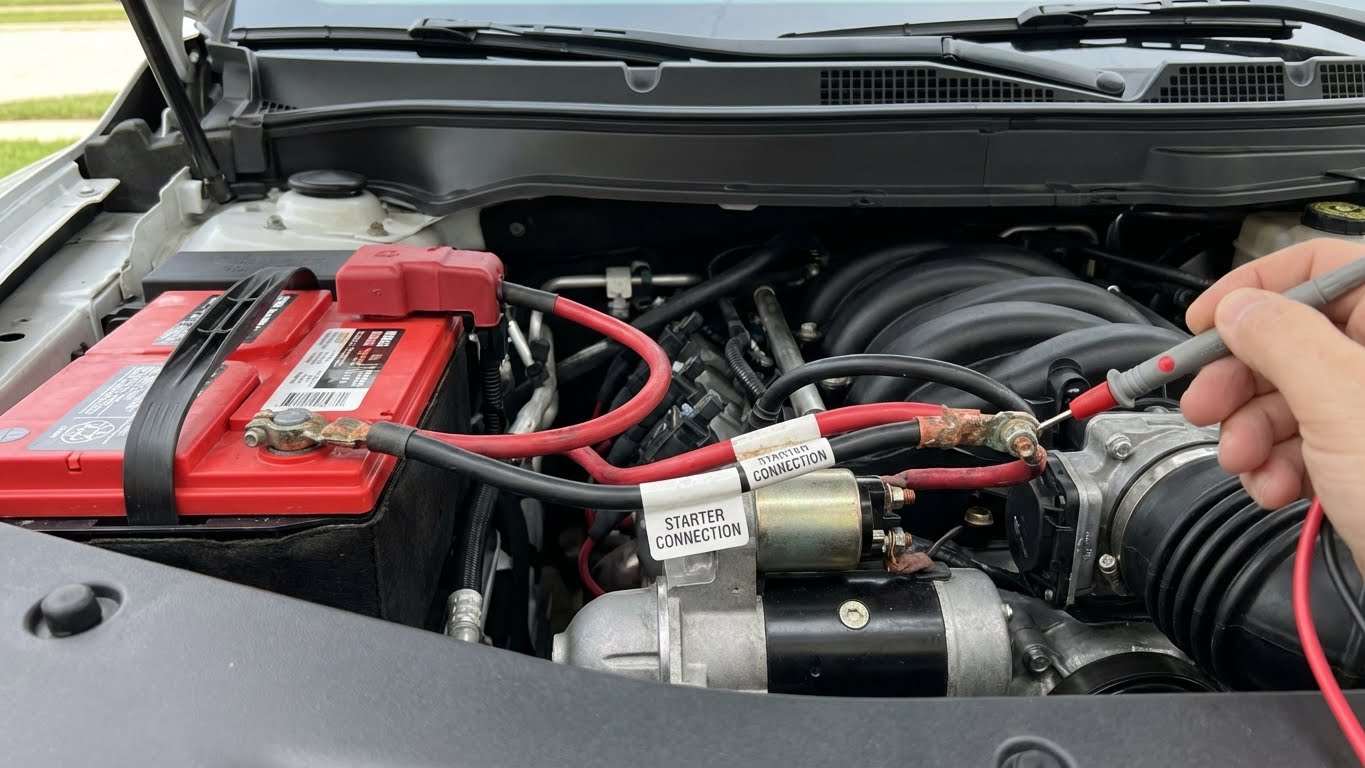
A clicking noise when starting a Buick Enclave often points to issues with the battery or the starter system. The most common cause is a weak or dead battery, poor battery connections, or a failing starter motor. These problems prevent the engine from cranking properly and can usually be diagnosed by simple checks.
While a weak battery is the usual suspect, corrosion on battery terminals, a bad starter relay, or loose wiring can also lead to this clicking sound. Understanding these causes helps pinpoint the problem quickly, saving time and money on repairs. Recognizing what the noise indicates is key to getting the Enclave back on the road without delay.
Key Takeways
- Battery issues are the leading cause of clicking noises when starting.
- Checking battery connections and the starter motor helps identify the problem.
- Timely diagnosis can prevent more serious engine starting failures.
Contents
- 1 Common Causes of Clicking Noise When Starting
- 2 Diagnosing the Clicking Noise in Your Buick Enclave
- 3 How to Fix Clicking Noise When Starting
- 4 Preventative Maintenance Tips
- 5 Understanding Electrical Issues in Buick Enclave
- 6 When to Seek Professional Help
- 7 Potential Long-Term Impacts of Ignoring the Noise
- 8 FAQs
- 9 Conclusion
Common Causes of Clicking Noise When Starting
A clicking noise when starting a Buick Enclave usually signals an issue in the starting or electrical system. It often means the engine is not getting enough power to turn over. Several specific parts can cause this, each with clear signs and fixes.
Faulty Starter Motor
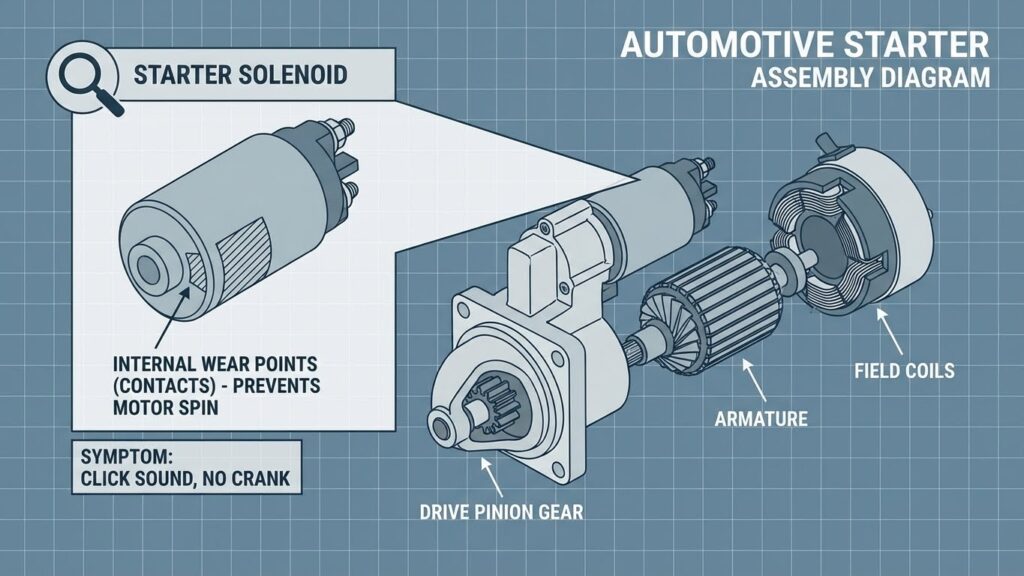
The starter motor is responsible for turning the engine when the key is turned. If it is faulty, it may produce a rapid clicking noise. This happens when the starter motor’s internal parts wear out or the solenoid fails to engage properly.
Symptoms of a bad starter motor include repeated clicking sounds without engine turnover. In some cases, the motor may work intermittently or not at all. Replacing or repairing the starter motor usually solves the problem.
Weak or Dead Battery
A weak battery often causes the clicking noise at startup. When the battery voltage is too low, the starter solenoid clicks, but there is not enough power to turn the engine.
Signs of a weak battery include dim dashboard lights and a slow or no-crank engine. Battery age and cold weather can worsen this condition. Charging the battery or replacing it will fix the issue in most cases.
Electrical System Issues
Problems in the electrical system can cause clicking noises when starting. This can involve the alternator, fuses, or wiring. For example, a failing alternator might not charge the battery properly, weakening the power supply.
Faulty wiring or blown fuses can also prevent the battery from sending enough power to the starter. These issues may cause intermittent clicking noises or no startup response at all. Testing the electrical components can identify these causes.
Poor Battery Connections
Corrosion or loose battery terminals often cause clicking sounds and no-start conditions. Even a fully charged battery with bad connections will fail to deliver power to the starter motor.
Signs of poor connections include visible corrosion on terminals or cracks in cables. Cleaning the terminals and tightening connections restore proper electrical flow. This fix is simple but often overlooked during troubleshooting.
Diagnosing the Clicking Noise in Your Buick Enclave
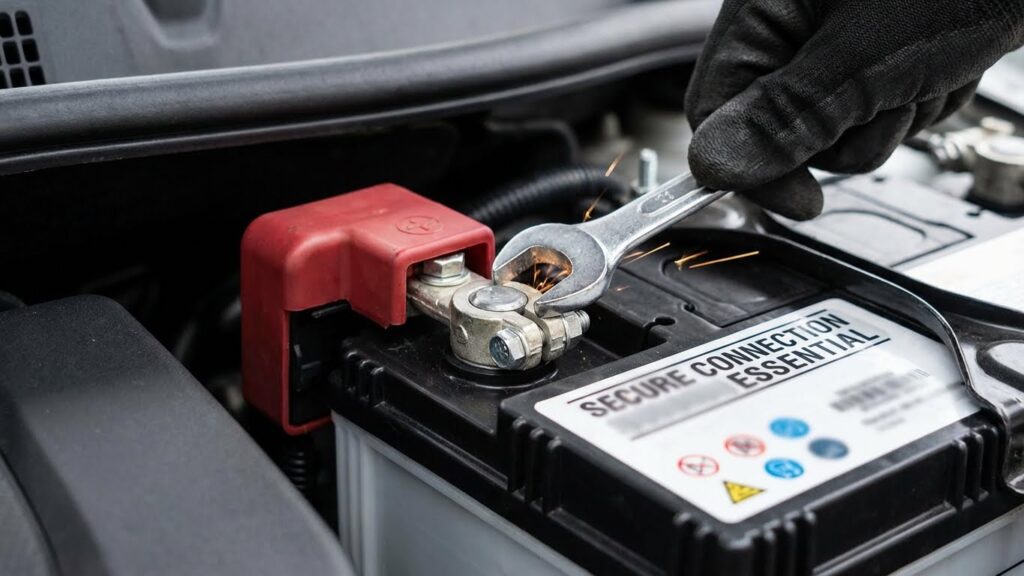
A clicking noise when starting a Buick Enclave usually points to specific issues linked to the battery, starter, or electrical connections. Pinpointing the exact cause requires listening carefully, testing components, and inspecting parts that often fail or get dirty.
Identifying the Source of the Sound
The first step is to locate where the clicking noise is coming from. Most often, the sound comes from under the hood near the battery and starter area. This helps narrow down if the issue is mechanical or electrical.
If the clicks happen rapidly and repeatedly, it often means the starter motor is trying but failing to engage. A single click might indicate a stuck starter solenoid. Listening for changes when turning the key multiple times can reveal if the starter or a related part is malfunctioning.
Visual cues like dim dashboard lights or slow engine crank can also guide diagnosis. Documenting these signs helps in further testing.
Testing the Battery and Starter
A weak or failing battery is the most common cause of starting clicks. Testing the battery voltage with a multimeter should show around 12.6 volts when the vehicle is off. A reading below 12.4 volts usually means the battery is low and needs charging or replacement.
Even with a charged battery, the starter can fail. Testing the starter involves measuring voltage at the starter terminal while trying to start the car. If the voltage is normal but the starter doesn’t turn, the starter motor or solenoid likely needs replacement.
Jump-starting the car can help distinguish battery issues from starter problems. If the car starts after a jump, the battery or connections are suspect.
Checking for Corroded Terminals
Corrosion or loose connections at the battery terminals can block current flow and cause clicking noises. Even a strong battery and good starter won’t work properly if power can’t flow freely.
Inspect the battery terminals for white or greenish buildup, which indicates corrosion. Clean the terminals using a wire brush and a baking soda-water solution to neutralize acid deposits. Tighten the terminal clamps firmly after cleaning.
Corroded cables or connectors beyond the battery also cause starting issues. Checking cables for cracks or wear and ensuring solid connections along the starter circuit is crucial for a reliable start.
How to Fix Clicking Noise When Starting
A clicking noise when starting the Buick Enclave often points to issues with the starter motor or the battery connections. Addressing these specific areas typically resolves the problem quickly and helps restore proper engine function.
Replacing the Starter Motor
If the clicking noise continues after confirming the battery is good, the starter motor might be failing. The starter motor engages the engine to start the car, and worn internal parts can cause it to click without turning over.
Replacing the starter motor involves disconnecting the battery first to prevent electrical shorts. Then, the mechanic removes the starter by loosening bolts and unplugging electrical connectors. A new starter motor is installed in reverse order.
It’s important to choose the correct starter motor model for the Enclave’s year and engine type. A faulty starter often gives multiple quick clicks or a single loud click without the engine turning on. Replacing it usually clears this condition and restores normal starting.
Cleaning or Replacing Battery Cables
Corroded or loose battery cables reduce electrical flow to the starter motor, causing clicking sounds and no start. Cleaning the cables and terminals removes corrosion, ensuring a tight connection.
First, detach the battery cables from both terminals. Use a wire brush or battery terminal cleaner to remove corrosion from the cable ends and battery posts. After cleaning, reconnect the cables firmly, starting with the positive, then the negative terminal.
If cables are damaged or too corroded, replacement is necessary. New cables improve current flow, which can eliminate the clicking noise when the starter motor receives stable power. Checking cable condition regularly helps prevent future starting issues.
Preventative Maintenance Tips
Regular battery care is key to preventing a clicking noise when starting a Buick Enclave. They should check that the battery terminals are clean and free of corrosion. Using a wire brush to clean the terminals can improve electrical flow and avoid starting problems.
It is important to test the battery voltage periodically. A weak battery often causes the starter to click but not turn the engine. Replacing the battery before it fails reduces the chance of no-start issues.
Checking the starter motor and its connections helps keep the starting system reliable. Loose or corroded wires can lead to a weak electrical connection. Tightening connections and inspecting the starter relay can prevent relay clicking sounds that may move around the vehicle.
Using jumper cables can be a quick fix during emergencies. However, relying on jump-starts often signals the need for maintenance. It is recommended to address the root problems rather than repeated jump-starts.
Keeping the vehicle’s electrical system in good shape requires regular visual checks and timely replacements. Following these simple maintenance steps will help the Enclave start smoothly and avoid common no-crank clicks.
Understanding Electrical Issues in Buick Enclave
The Buick Enclave’s electrical system plays a key role in starting the engine. Problems here often cause the clicking noise when the key is turned. Faulty wiring, weak batteries, and relay failures are common sources of these issues, making the car unable to start properly.
Common Electrical Faults
One frequent electrical problem is a weak or dead battery. The battery provides power to the starter motor. If the battery has low voltage, corroded terminals, or loose connections, it cannot deliver enough power. This often causes the clicking noise when trying to start.
In addition, damaged wiring or poor connections in the starting circuit can stop electricity flow. Battery terminal corrosion is especially common and easy to overlook. Dirty or loose terminals reduce current flow and cause repeated clicking sounds without engine cranking.
Signs of Failing Relays
Relays control electrical flow to critical parts like the starter motor. When a relay fails, the starter may not receive power. This leads to clicking noises but no engine turnover.
Symptoms of relay failure include intermittent starting problems and a consistent clicking noise without other electrical issues. Sometimes the vehicle won’t start at all, and the key might get stuck. Testing or replacing the starter relay often resolves the problem.
When to Seek Professional Help
If the Buick Enclave continues to make a clicking noise but still won’t start after checking the battery and connections, it is time to seek professional help. Persistent clicking often points to a worn starter motor or electrical issues that require special tools to diagnose.
A professional mechanic should be called if the battery terminals are clean, and the battery is fully charged, but the problem remains. Loose or corroded wiring, a bad starter relay, or internal starter failure are common causes that need expert attention.
In some cases, the clicking noise may signal deeper engine problems. If clicking comes with unusual engine sounds like tapping, or if the vehicle struggles to turn over beyond the click, a mechanic’s inspection is necessary. They can perform tests to check the starter, alternator, and other components.
Reasons to get professional help:
- Clicking sound persists after basic checks
- Battery and terminals are in good condition
- Engine shows additional noises or poor starting performance
- Issues continue despite replacing or charging the battery
Attempting repairs without proper tools or knowledge can cause more damage. Professionals use diagnostic equipment to pinpoint issues quickly and safely.
If the Buick Enclave starts but makes a clicking or tapping noise afterward, a mechanic can assess if the issue is related to engine components rather than starting systems. This careful diagnosis helps avoid unnecessary repairs and expense.
Potential Long-Term Impacts of Ignoring the Noise
Ignoring the clicking noise when starting a Buick Enclave can lead to several problems. The noise may indicate an issue with the starter motor or electrical connections. If left unchecked, these parts can wear out faster, causing a failure to start the vehicle.
Over time, repeated strain on the starter system can result in costly repairs. A small problem, like loose wiring, may grow into a bigger electrical issue. This can affect the battery and other components linked to the starting process.
Ignoring the noise could also impact the vehicle’s reliability. Unexpected breakdowns may occur, especially in cold weather or during long trips. This affects the driver’s convenience and safety.
Some owners may notice increased strain on the battery and alternator as they try to compensate. This may reduce overall battery life and cause further noise or electrical faults.
In summary, the potential impacts include:
- Starter motor failure
- Electrical system damage
- Battery and alternator wear
- Reduced vehicle reliability
Early diagnosis and repair help avoid these issues. Regular maintenance and paying attention to unusual sounds improve the vehicle’s longevity and performance.
FAQs
Why is my Buick Enclave clicking but not starting?
A clicking noise often means the battery is weak or the connection is bad. Corrosion on battery terminals or a failing starter motor can also cause this issue. Checking the battery and cleaning the terminals is a good first step.
Can a bad starter cause a clicking sound?
Yes. A faulty starter motor may produce a clicking or grinding noise when trying to start. If the starter fails completely, the engine won’t turn over at all.
Is it always the battery when there is clicking?
Not always. While a weak battery is the most common cause, poor electrical connections or a bad starter can also cause clicking sounds. Sometimes relays or wiring issues create similar noises.
What should be checked first?
Start by inspecting the battery terminals for corrosion or looseness. Then, try jump-starting the vehicle. If it still doesn’t start, the starter motor or related electrical parts need to be tested.
How can one test the starter motor?
A mechanic will usually check voltage at the starter and listen for engagement sounds. Diagnosing with a scan tool can reveal error codes related to the starter or electrical system. More info on vehicle starting systems is available at the National Institute for Automotive Service Excellence.
Are there other possible electrical causes?
Yes. Faulty relays, wiring shorts, and security system faults can also cause no-start clicking noises. Sometimes, updated software or parts fixes are necessary, which dealers can provide.
For detailed troubleshooting, resources like AutoZone’s repair guides offer step-by-step advice tailored to specific Buick models.
Conclusion
A clicking noise when starting a Buick Enclave usually points to an issue with the starting system. The most common causes are a weak or dead battery, poor battery connections, or a failing starter motor. Identifying these problems early can prevent further damage.
Battery issues often include low charge or corrosion on the terminals. This can reduce the power flow needed to crank the engine. Checking the battery’s condition and cleaning the terminals can often fix the problem quickly.
If the battery and connections are sound, the starter motor or starter relay may be at fault. Symptoms of a bad starter include repeated clicking sounds, grinding noises, or no response when turning the key. Replacing the starter is typically needed in these cases.
It is important to inspect all related electrical connections. Loose wires or corrosion anywhere in the circuit can cause the clicking noise even if the battery and starter are good.
Key points to check:
- Battery charge and terminal condition
- Starter motor and relay function
- Electrical connections and wiring integrity
Addressing these areas helps ensure the engine will start smoothly and avoid repeated clicking noises. If the issue remains unclear, professional diagnostic testing is recommended.