

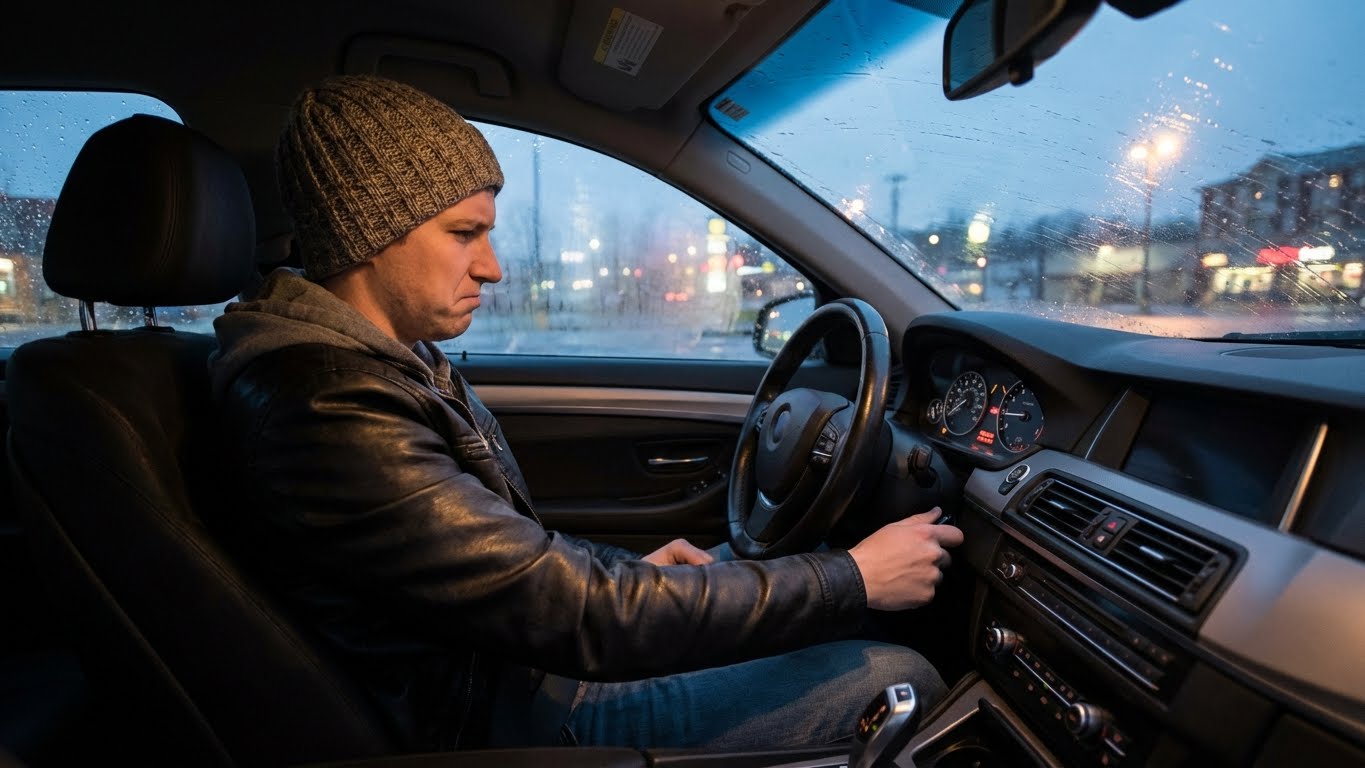
A loud clicking noise when starting a car usually means the battery is weak or dead. This sound happens because the starter motor doesn’t get enough power to turn the engine over. The most common cause is a dead battery, but it can also point to poor battery connections, a bad starter, or other electrical issues.
When the battery can’t supply enough energy, the starter solenoid tries to engage but fails, creating that clicking sound. In some cases, corroded or loose battery terminals block the flow of power. This issue can keep the car from starting even if the battery still has some charge left.
Understanding why the car clicks can help avoid unnecessary repairs. Many clicking problems can be fixed by checking the battery or cleaning its connections. Knowing what to look for can save time and money before calling a mechanic.
Key Takeways
- A weak or dead battery is the most common cause of loud clicking noises.
- Loose or corroded battery connections often lead to starting problems.
- The clicking sound can also indicate starter or electrical system issues.
Contents
- 1 Understanding the Clicking Noise
- 2 Top Causes of Loud Clicking When Starting a Car
- 3 Electrical System Concerns
- 4 Engine and Mechanical Contributors
- 5 Symptoms That Accompany the Clicking Noise
- 6 Diagnostic Steps for Identifying the Problem
- 7 Solutions and Repair Options
- 8 Prevention and Maintenance Tips
- 9 When to Seek Professional Help
- 10 FAQs
- 11 Conclusion
Understanding the Clicking Noise
A loud clicking noise when starting a car usually points to electrical or mechanical issues. The noise’s pattern and timing can help narrow down the cause and the parts that might be failing.
Common Characteristics of Clicking Sounds
Clicking noises when starting the car often sound like repeated rapid clicks or a single loud click. The rapid clicking usually means the starter motor is not getting enough power. This can happen if the battery is weak or the battery terminals are corroded.
A single loud click might come from the solenoid on the starter motor engaging but failing to turn the engine over. The volume and speed of the clicks can give clues about whether the battery needs charging or the starter motor needs repair. The noise usually comes from the engine bay near the battery or starter.
Intermittent vs. Continuous Clicking
Intermittent clicking happens only sometimes. This can mean the battery or starter motor connections are loose or dirty. Cold weather can also cause the battery to lose power temporarily, leading to clicking noises that don’t happen all the time.
Continuous clicking indicates a more persistent power or mechanical issue. It might be caused by a battery that’s close to dead, a failing starter motor, or a faulty electrical connection. If the clicking keeps going without change, it often means the car cannot start until the problem is fixed.
Importance of Identifying the Sound Source
Knowing exactly where the clicking comes from helps identify the problem faster. If the sound is near the battery, it could be a weak battery or corroded terminals. Clicking from the engine block area often points to the starter motor or solenoid.
Using a simple checklist can help:
- Check battery charge and connections
- Listen to whether clicking is fast or slow
- Note if the noise happens only when cold or all the time
Pinpointing the source saves time and avoids unnecessary repairs. It guides the next steps, such as charging the battery or checking the starter motor.
Top Causes of Loud Clicking When Starting a Car
A loud clicking noise when starting a car usually signals an issue with the electrical system that prevents the engine from turning over. The sound often points to problems related to power delivery or the components that engage the engine starter. Addressing these causes quickly can save time and avoid further damage.
Dead or Weak Battery
One of the most common reasons for a loud clicking noise is a dead or weak battery. When the battery lacks enough charge, it cannot provide sufficient electrical power to the starter motor. This causes the starter solenoid to click repeatedly but fail to turn the engine over.
A battery may be weak due to age, leaving interior lights or accessories on, or extreme weather conditions. Even if the dashboard lights work, the battery might not have enough power to start the engine. In many cases, jump-starting the car or replacing the battery will fix the problem.
Faulty Starter Motor
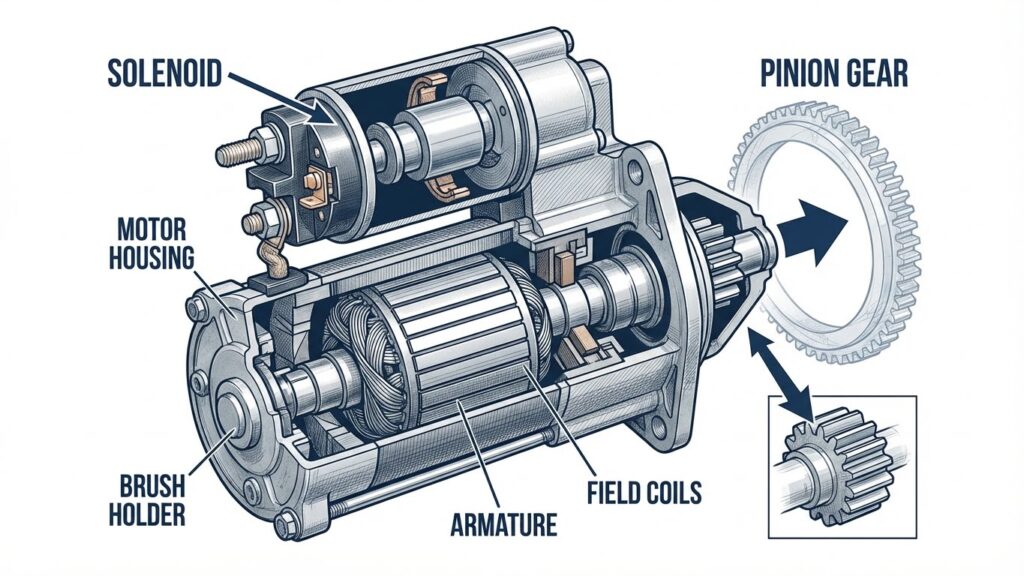
The starter motor is responsible for cranking the engine. If it malfunctions, the driver might hear a loud clicking noise because the starter motor’s internal parts are not engaging properly. This can happen if the starter motor’s gears are worn, the armature is damaged, or the motor has an electrical fault.
A faulty starter motor may receive enough power but fail to crank the engine. The clicking sound occurs when the solenoid attempts to push the starter gear to engage the engine, but the motor cannot turn. Replacing the starter motor is typically required to fix this issue.
Bad Starter Relay
The starter relay sends power from the battery to the starter motor. If the relay is defective or sticking, it might cause a series of clicking noises when the key is turned. This is due to the relay making and breaking contact instead of allowing a steady flow of electricity.
A bad relay can cause intermittent starting problems or prevent the car from starting at all. Testing the relay with a multimeter or swapping it with a known good relay can determine if it needs replacement. Fixing the relay often restores proper electrical flow to the starter motor.
Electrical System Concerns
A loud clicking noise when starting a car often points to problems in the electrical system. Common issues include poor battery connections, damaged cables, and blown fuses. These factors can prevent enough power from reaching the starter, causing the clicking sound.
Loose or Corroded Battery Terminals
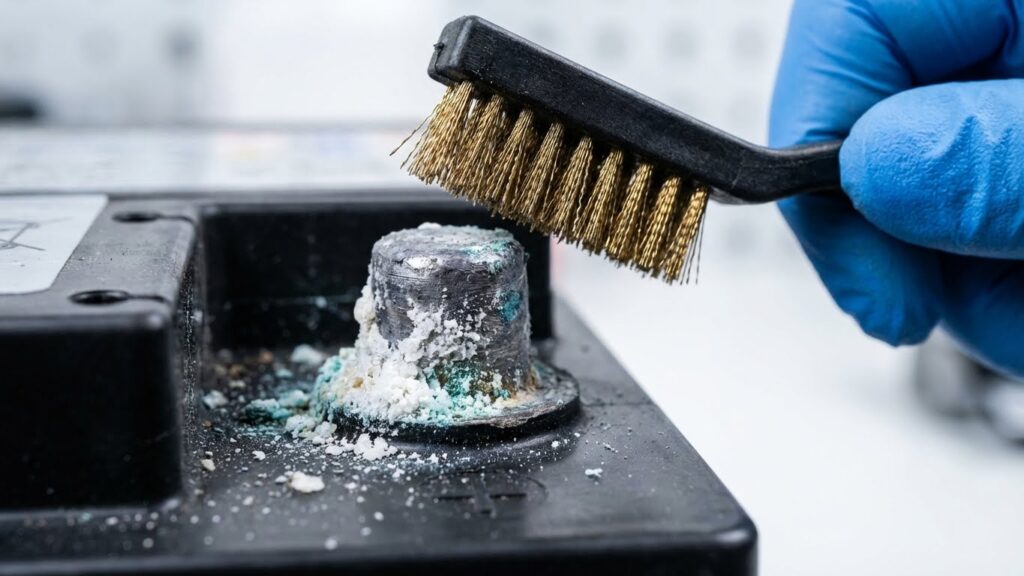
Battery terminals that are loose or corroded can stop the electrical current from flowing properly. Corrosion appears as a white or greenish buildup around the terminals. This layer blocks the connection between the battery and the cables.
If the terminals are not tight enough, the power flow becomes unstable. This can cause the starter to click without turning the engine over. Cleaning the terminals with a wire brush and tightening the connections often fixes the problem. Regular checks help prevent this issue from causing starting trouble.
Issues with Battery Cables
Battery cables connect the battery to the car’s electrical system. Over time, these cables can become worn, cracked, or frayed. Damaged cables reduce the amount of electricity reaching the starter.
If a cable is broken inside the insulation, it may not be visible but still cause problems. Replacing faulty cables is important to restore proper current flow. Mechanics often check cable condition during a no-start diagnosis because bad cables are a common cause of the clicking noise.
Blown Fuses
Fuses protect the car’s wiring by breaking the circuit if there is an overload. A blown fuse means the electrical path to the starter is interrupted. This leads to insufficient power reaching the engine.
Checking fuses related to the starting system is a quick way to find issues. Replacing a blown fuse is simple but necessary. It’s important to use the correct fuse rating to avoid further electrical problems.
Engine and Mechanical Contributors
Several engine and mechanical issues can cause a loud clicking noise when starting a car. These problems often relate to key components that are either worn out or damaged. Identifying the source is crucial to preventing further damage and ensuring reliable starts.
Worn Out Spark Plugs
Spark plugs play a vital role in igniting the fuel-air mixture inside the engine cylinders. When spark plugs wear out or become fouled, they can cause irregular combustion, resulting in a distinct clicking or tapping noise during startup. This sound is usually rhythmic and may worsen in cold weather or under heavy engine load.
Common signs of worn spark plugs include poor acceleration, difficulty starting, and rough idling. Spark plugs should be inspected and replaced according to the manufacturer’s maintenance schedule. Using the wrong type or incorrect installation can also lead to clicking noises, so proper fit and gap settings are important.
Damaged Flywheel Teeth
The flywheel has teeth around its edge that engage with the starter motor’s pinion gear. If these teeth are chipped, worn, or broken, the starter motor may produce a loud clicking noise without fully turning the engine over. This happens because the pinion gear slips or fails to mesh properly.
This type of damage often occurs from repeated failed starts or starter motor issues. Signs include rapid clicking sounds and the engine not cranking. Repair typically requires removing the transmission to replace or resurface the flywheel, which can be labor-intensive and costly.
Alternator Problems
A failing alternator can indirectly cause a clicking noise during startup. Since the alternator charges the battery, a malfunction can lead to low voltage. A weak or discharged battery often produces the classic starter clicking noise when it does not have enough power to crank the engine.
Alternator issues may also cause dimming lights or electrical irregularities while driving. Testing alternator output and battery condition can help isolate the problem. Repairing or replacing the alternator restores proper charging and usually resolves the clicking noise caused by low voltage.
Symptoms That Accompany the Clicking Noise
When a car makes a loud clicking noise while starting, other signs usually appear alongside the sound. These signs help pinpoint the issue and reveal whether the problem lies in the battery, starter, or electrical system. Paying close attention to these symptoms can guide effective troubleshooting.
Dashboard Lights Flickering
One common symptom is flickering or dimming dashboard lights when attempting to start the car. This happens because the battery doesn’t have enough power to fully operate the electrical systems. The flickering often signals a weak or failing battery, poor battery connections, or corroded terminals.
If the lights dim noticeably when the key turns, but turn back to normal afterward, the battery may still be able to start the car but is strained. However, when the dashboard lights barely come on or stay off, it suggests a more serious battery or electrical fault. Checking battery voltage and cleaning terminals can often resolve this issue before deeper repairs are needed.
Slow or Nonexistent Engine Turnover
A slow engine turnover or no movement at all often accompanies the clicking noise. With a weak battery or poor connection, the starter motor doesn’t get enough current to turn the engine effectively. The engine may crank slowly or fail to crank entirely despite the clicking sound.
This symptom is critical because it indicates insufficient power delivery to the starter. If the engine turns slowly, the battery might be drained or faulty. No engine turnover at all often points to the starter motor or wiring problem. Testing battery charge and jump-starting the vehicle can help confirm the cause.
Single Click vs. Repeated Clicking
The pattern of clicking sounds also provides clues. A single loud click typically means the starter solenoid is trying to engage but the starter motor is not turning. This can happen if the motor is faulty or the battery lacks power.
Repeated rapid clicks usually indicate the battery voltage is too low to fully power the starter. The solenoid keeps trying to engage but fails repeatedly. This pattern strongly points to a weak battery or poor electrical connections rather than a starter motor issue. Testing the battery and cleaning terminals are helpful first steps.
Diagnostic Steps for Identifying the Problem
To find the cause of a loud clicking noise when starting a car, it is important to check the engine visually, test the battery’s power, and use diagnostic tools. These steps help narrow down if the issue is electrical, mechanical, or related to the car’s control systems.
Visual Inspection of Engine Bay
A visual check of the engine bay can reveal obvious signs of trouble. The battery terminals should be clean and secure, without corrosion or loose clamps. Corrosion can block current flow and cause clicking when starting.
The starter motor and its wiring should also be examined. Loose wires or damaged insulation might prevent proper current flow to the starter. Look for frayed or disconnected cables.
Additionally, check for debris or oil leaks near the starter area. Foreign objects can block the starter’s mechanism or cause it to malfunction. A clean, dry, and properly connected setup is necessary for smooth operation.
Battery Voltage Testing
Testing the battery’s voltage helps determine if it has enough charge to start the engine. A healthy, fully charged battery should read about 12.6 volts when the engine is off. If the voltage is below 12.4 volts, the battery may be weak or discharged.
The voltage should also be tested while someone tries to start the car. If voltage drops below 10 volts during this test, the battery might not provide enough power to the starter motor.
Using a multimeter or a dedicated battery tester gives precise readings. If the battery fails these tests, charging or replacement is required before checking other systems.
Using an OBD-II Scanner
An OBD-II scanner connects to the car’s onboard computer to read error codes related to the engine and starting system. It can detect faults in sensors, electrical components, and the starter circuit.
By scanning, the user can identify issues like failing starter relays, engine control problems, or battery health warnings. The codes provide specific areas to focus on for repair.
Some scanners also show live data such as voltage and current flow, helping to confirm suspicions found during visual and voltage tests. Using an OBD-II scanner is a modern, efficient way to diagnose hidden problems quickly.
Solutions and Repair Options
Fixing a loud clicking noise when starting a car often involves addressing battery issues, repairing or replacing starter components, or seeking expert help. Each approach focuses on specific causes that may prevent the engine from turning over properly.
Battery Replacement
A weak or failing battery is the most common cause of clicking noises when trying to start a car. If the battery cannot supply enough power, the starter motor pinion will click but not engage fully. Testing the battery’s charge and voltage is the first step.
If the battery is dead or holds a low charge, replacement is usually necessary. New batteries restore consistent electrical supply, ensuring the starter motor can turn the engine. Battery terminals should also be checked for corrosion or loose connections, which can block power flow. Cleaning and tightening the terminals may solve the problem without a new battery.
Starter System Repair
When the battery is in good condition, the issue may lie in the starter system. The starter motor or the solenoid can fail, causing clicking sounds as the motor tries to engage but can’t turn the engine.
Repairs or replacement of the starter system involve testing the motor, solenoid, and connections. Mechanics check whether the starter is receiving power and if the drive gear engages the flywheel properly. Fixing electrical connections or replacing worn parts will restore function.
Professional Mechanic Evaluation
If the problem persists after checking the battery and starter, a professional mechanic’s assessment is necessary. A mechanic can perform a detailed diagnosis of the car’s electrical and mechanical systems.
They use specialized tools to test the battery, starter, alternator, and wiring harnesses. They also inspect the flywheel and engine components that interact with the starter. This evaluation helps avoid unnecessary parts replacement and ensures the correct repair strategy.
Prevention and Maintenance Tips
Keeping a car from making loud clicking noises when starting often comes down to regular attention to the battery, its connections, and scheduled inspections. These actions help catch problems early and avoid sudden failures.
Regular Battery Checks
The battery is the most common cause of clicking noises during startup. It should be tested every few months, especially before extreme weather seasons. A simple battery test measures voltage and cold cranking amps to ensure it can supply enough power.
If the battery voltage drops below 12.4 volts, it could be weak. Regular testing helps identify a failing battery before it completely dies. Also, checking the battery’s age is important; most last 3 to 5 years. Replacing an old battery ahead of time avoids surprise breakdowns.
Using a battery maintainer in vehicles that sit idle for long periods keeps the charge stable. This reduces strain during starting and prevents rapid clicking caused by low power.
Proper Terminal Cleaning
Battery terminals and cable ends often get corrosion from acid and moisture, which blocks electrical flow. This resistance can cause the starter to click without turning the engine.
Cleaning terminals should be done carefully every few months or when corrosion is visible. The process involves:
- Disconnecting the battery cables (negative first)
- Scrubbing terminals and connectors with a brush and baking soda solution
- Rinsing with water and drying completely
- Reconnecting cables tightly (negative last)
Applying a thin coat of petroleum jelly or terminal protector spray helps prevent future corrosion. Loose connections should be tightened during these checks to maintain solid contact.
Scheduling Routine Vehicle Inspections
Regular vehicle inspections by a mechanic help find issues beyond just battery and terminals. Starters, alternators, and wiring can wear down or fail, causing clicking noises.
A thorough inspection every 12 months or 10,000-15,000 miles typically includes:
- Battery and electrical system tests
- Starter motor check
- Wiring and connection assessment
- Engine mechanical review
Early diagnosis leads to timely repairs, avoiding more costly damage. Professional inspections are particularly important if clicking noises happen repeatedly or get louder over time.
When to Seek Professional Help
If the car continues to make a loud clicking noise when trying to start despite basic checks, it is time to contact a mechanic. Persistent clicking often means the issue is more than just a simple battery problem.
A professional should inspect the battery health, starter motor, and electrical system. Weak or dead batteries are common causes, but a failing starter motor or loose wiring can also create clicking sounds.
If jump-starting the car or cleaning the terminals does not stop the clicking, this indicates a deeper issue. Mechanics have the right tools to test the battery voltage and diagnose starter faults accurately.
Sudden or rapid clicking during starting can also signal a malfunctioning starter solenoid or bad connections. At this point, continuing to try starting the car can cause further damage.
Signs to take the car in immediately include:
- Clicking noise with no engine turnover
- Dim or flickering dashboard lights
- Car starts inconsistently or not at all
- Burning smell or smoke near the battery or starter
Delaying repairs can lead to a dead battery or starter failure, making the car unusable. Professional diagnosis saves time and prevents costly repairs later.
In summary, if a loud clicking noise when starting persists after simple fixes, get expert help to avoid bigger problems.
FAQs
Why does my car make a loud clicking noise when I try to start it?
This noise often means the battery is weak or dead. It can also be caused by corroded or loose battery terminals. Sometimes, the starter motor or starter relay might be faulty.
Can a bad battery cause multiple clicks?
Yes. A rapid clicking sound usually comes from the battery not supplying enough power. The starter tries to engage but fails repeatedly because of low voltage.
What if the car clicks once and doesn’t start?
A single loud click could point to a problem with the starter motor or the starter solenoid. If jump-starting the car doesn’t help, the starter might need inspection or replacement.
Are there simple fixes to try before calling a mechanic?
Yes. Checking and cleaning the battery terminals often helps. Jump-starting the car or using a battery charger can restore enough power to start it. Tightening loose connections might fix the issue too.
How can someone tell if the problem is electrical or mechanical?
If the car’s lights and dashboard power up but it only clicks when starting, the issue is likely electrical. If there’s no power at all, the problem could be the battery or wiring. Mechanical problems usually make different noises, like grinding.
Is the ignition switch a common cause?
It is less common but possible. A faulty ignition switch can prevent the starter from receiving power, causing clicking or no response when turning the key.
Conclusion
A loud clicking noise when starting a car usually points to a problem in the starting system. The most common cause is a weak or dead battery. When the battery can’t supply enough power, the starter motor struggles to turn the engine over, causing the click.
Other likely causes include a faulty starter motor or corroded battery terminals. These issues prevent proper electrical flow, leading to the clicking sound. The type of clicking—whether rapid or a single loud click—can help identify the exact problem.
It is important not to ignore clicking noises. They indicate that something is stopping the engine from starting properly. Simple checks like testing the battery charge, cleaning terminals, or inspecting the starter can often fix the problem.
If these steps fail, professional help is recommended. Ignoring the clicks may lead to more serious damage or leave the car stranded. Regular maintenance and early attention to these sounds help keep the car reliable.
Key points to check:
| Cause | Symptom | Action to Take |
|---|---|---|
| Weak Battery | Rapid clicking, engine won’t turn | Test or replace battery |
| Faulty Starter Motor | Single loud click, no engine turn | Inspect or replace starter |
| Corroded Terminals | Poor electrical connection | Clean battery terminals |
Addressing these issues ensures the car starts smoothly and avoids unexpected breakdowns.