


When a car makes a rapid clicking noise when starting, it usually signals an issue with the vehicle’s electrical system. This noise often means the battery is weak, dead, or not delivering enough power to the starter motor. If the battery can’t provide enough energy, the starter cannot engage the engine, causing the clicking sound.
Other causes can include loose or corroded battery connections or problems with the starter itself. Understanding why the clicking happens can help drivers know whether they can fix it themselves or need a mechanic. Knowing the possible reasons saves time and avoids frustration when the car won’t start.
Key Takeaways
- A weak or dead battery is the most common cause of rapid clicking.
- Loose connections or a faulty starter can also cause clicking noises.
- Proper diagnosis helps determine if professional repair is needed.
Contents
- 1 Understanding the Rapid Clicking Noise
- 2 Common Causes of Clicking When Starting a Car
- 3 Electrical System Issues
- 4 Mechanical Problems Related to Starting
- 5 How to Diagnose a Car That Clicks When Starting
- 6 Immediate Steps to Take If Your Car Clicks on Startup
- 7 Preventative Maintenance to Avoid Starting Issues
- 8 When to Seek Professional Help
- 9 FAQs
- 10 Conclusion
Understanding the Rapid Clicking Noise
A rapid clicking noise when starting a car points to specific electrical or mechanical problems. The sound differs from other engine noises and usually happens at a particular moment during the starting process. Recognizing what it signals and when it occurs helps diagnose the issue effectively.
What the Clicking Indicates
Rapid clicking often means the battery is not supplying enough power. This can be due to a dead or weak battery, corrosion on the terminals, or loose cable connections. The clicking sound comes from the starter motor trying to engage but not receiving enough current to turn the engine fully.
Another cause can be a faulty starter solenoid or relay. These parts control power to the starter motor. If they fail, the starter won’t engage properly, causing the clicking noise.
Key points:
- Battery is likely weak or discharged
- Corroded or loose battery terminals limit power flow
- Starter solenoid or relay may be faulty
Difference Between Clicking and Other Noises
A rapid clicking sound is distinct from a single click or grinding noise. A single loud click often means the starter motor itself is faulty or not engaging fully. Grinding usually indicates a mechanical problem with the starter gear and flywheel.
The rapid clicking happens repeatedly and quickly. It signals electrical issues, mainly related to power supply. Other noises are mechanical and usually come after the starter tries but fails to turn the engine.
Summary of noises:
| Noise Type | Likely Cause | Description |
|---|---|---|
| Rapid clicking | Weak battery or loose terminals | Fast, repeated clicking sounds |
| Single click | Faulty starter or relay | One loud snap or click |
| Grinding | Mechanical wear | Harsh grinding or scraping sound |
When the Noise Occurs
The rapid clicking noise happens specifically during the ignition start attempt. When the key turns or the start button is pressed, the starter motor tries to engage the engine. If power is low or components fail, the clicking starts immediately.
This noise does not appear while driving or idling. If clicking happens at other times, it could mean different problems, such as issues with CV joints or engine parts. The starting phase is the key moment to identify this electrical problem.
The noise usually stops when the ignition is turned off. At that point, either the starter gets enough power and starts the engine, or it fails to start altogether while clicking continues as long as starting is attempted.
Common Causes of Clicking When Starting a Car
A rapid clicking noise when starting a car usually signals a problem in the electrical system. It often means the starter motor is not getting enough power to turn the engine over. The most frequent causes include battery issues, problems with the starter motor, and poor battery connections.
Dead or Weak Battery
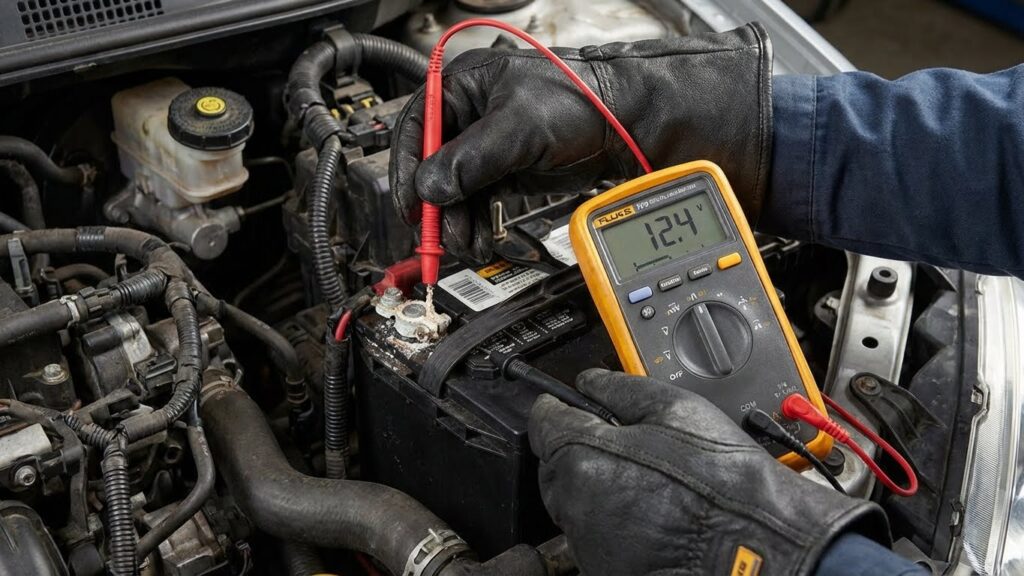
A weak or dead battery is the top reason for rapid clicking when starting a car. The starter motor needs a strong burst of power to crank the engine. If the battery doesn’t have enough charge, it can’t supply the full current. This causes the starter to click rapidly but fail to turn the engine.
Symptoms of a weak battery can include dim headlights or electrical accessories that work poorly. Sometimes, the battery may be old or drained from leaving lights on. Testing the battery voltage or trying a jump start can help find out if the battery is the problem.
Faulty Starter Motor
The starter motor itself might cause clicking noises if it has an internal problem. The starter is responsible for physically turning the engine over when the key is turned. If it’s worn out or damaged, it might not engage the engine properly.
A faulty starter motor can click repeatedly because the solenoid tries to push the motor forward, but the mechanism inside fails. Other signs include grinding noises or the car starting intermittently. Replacing the starter is often necessary if it is confirmed as the cause.
Loose or Corroded Battery Connections
Loose or corroded battery terminals can restrict current flow even if the battery and starter are fine. Corrosion builds up from acid or moisture and creates resistance in the connection. This can cause click sounds due to insufficient power reaching the starter.
Visual inspection often reveals white or green powder around the battery posts. Tightening the cables and cleaning the terminals with a battery brush or vinegar solution usually solves the problem. Maintaining clean and secure connections is important to prevent starting issues.
Electrical System Issues
Problems in a car’s electrical system can cause rapid clicking noises when starting. Often, these issues involve key components that control the electrical flow needed to power the starter motor and ignition system.
Blown Fuses or Relays
A blown fuse or a faulty relay can stop the starter motor from getting enough power. Fuses protect electrical circuits by breaking the connection if there is an overload. When a fuse blows, it creates an open circuit, so electrical current can’t reach the starter or other important parts.
Relays work like switches that control the power sent to the starter motor. If a relay fails, it may cause repeated clicking sounds as the starter tries to engage but does not receive enough power.
To check fuses and relays, a mechanic often inspects the fuse box and tests these parts with a multimeter. Replacing a blown fuse or faulty relay is usually a quick and inexpensive fix.
Damaged Ignition Switch
The ignition switch sends the signal to start the engine when the key is turned or the start button is pressed. If the ignition switch is worn out or damaged, it might fail to send consistent power to the starter.
A damaged ignition switch can cause rapid clicking because the electrical connection is only made intermittently. This weak connection prevents the starter motor from fully engaging but still produces the clicking noise of it trying.
Signs of a bad ignition switch include difficulty in turning the key, the car not starting even though the battery is fine, or electrical accessories not powering up correctly. Testing involves checking for voltage at the ignition switch and replacing it if it shows signs of failure.
Mechanical Problems Related to Starting
Rapid clicking noises when starting a car can often point to specific mechanical faults. These problems usually involve the starter solenoid or the engine itself, making it hard or impossible for the engine to turn over properly.
Worn Out Starter Solenoid
The starter solenoid is an important part of the car’s starting system. It acts like a switch that sends power from the battery to the starter motor. When it wears out, it can fail to hold the connection needed to fully engage the starter motor. This leads to a rapid clicking noise as the solenoid tries to pull in repeatedly but cannot maintain contact.
A worn solenoid can also cause the starter motor to engage intermittently or not at all. Common signs include inconsistent starting and hearing multiple clicks when turning the key. Replacing the solenoid often fixes these issues, but ignoring it may lead to further starter motor damage.
Engine Seized or Locked
An engine that is seized or locked cannot rotate at all. This mechanical failure prevents the starter motor from turning the engine over, causing a rapid clicking sound as the starter tries to work against the blockage.
Seizure can happen due to lack of oil, internal damage, or rust build-up from prolonged inactivity. Attempting to start a seized engine repeatedly can damage the starter motor and drain the battery. Diagnosing this requires checking if the engine can be manually turned and inspecting for signs of mechanical damage or oil problems. If seized, repairs often involve major engine work.
How to Diagnose a Car That Clicks When Starting
A rapid clicking noise when trying to start a car usually points to an electrical issue. Identifying where the noise is coming from and checking the car’s dashboard lights can help narrow down the cause quickly.
Listening for Noise Location
The location of the clicking sound gives important clues. If the clicks come from under the hood near the battery or starter motor, it often means the starter solenoid is trying to engage but lacks enough power. This usually happens when the battery is weak or has poor connections.
A single loud click often signals a problem with the starter itself or the starter relay. Multiple quick clicks typically mean the battery isn’t providing enough electricity.
To isolate the noise, have someone turn the key while another person listens closely near the battery and starter area. If the sound is more distant or inside the cabin, it may relate to electrical switches or relays.
Checking Dashboard Lights
Dashboard lights are a key indicator of battery and electrical system health. If the dashboard lights are dim or flickering when trying to start, the battery is likely weak or failing.
However, if the lights stay bright but the clicking persists, the issue might be with the starter or its wiring instead. Gauge lights that turn off completely during clicking suggest a battery or connection problem.
It is important to inspect battery terminals for corrosion or looseness. Cleaning the terminals and tightening the connections often improves power flow and reduces clicking noises. Testing the battery voltage with a multimeter can confirm if the battery needs replacement or charging.
Immediate Steps to Take If Your Car Clicks on Startup
When a car makes a rapid clicking noise on startup, the problem often relates to the battery or its connections. Checking the battery’s condition and ensuring all cables are secure can help determine if a simple fix will get the car running again.
Inspecting and Replacing the Battery
The most common cause of rapid clicking is a weak or dead battery. The clicking sound happens because the starter motor isn’t getting enough power to turn over the engine. The first step is to test the battery with a battery tester or multimeter.
A healthy battery should read around 12.6 volts when the car is off. If the voltage is significantly lower, the battery may need to be charged or replaced. Swollen or corroded battery cells are signs the battery is failing.
If charging doesn’t help, replacing the battery is the next step. A fresh battery ensures the starter motor gets enough electrical current to work properly.
Tightening Battery Cables
Loose or corroded battery cables can cause poor contact, leading to rapid clicking noises. Check the battery terminals for corrosion, which looks like white or green powder, and clean it with a battery terminal cleaner or a wire brush.
Next, inspect the cable connections. They should be tight and secure without any movement. Loose cables prevent good electrical flow from the battery to the starter.
After cleaning and tightening the cables, try starting the car again. Secure cables often solve the problem without needing a new battery or starter.
Preventative Maintenance to Avoid Starting Issues
Maintaining the key parts of a car’s starting system helps prevent rapid clicking noises. Focusing on the battery’s health and the starter system can keep the vehicle reliable and reduce the chances of failure when starting.
Regular Battery Testing
A car battery is often the main cause of rapid clicking sounds. Regular testing checks its charge level, voltage, and overall condition. It is recommended to test the battery every six months or before extreme weather changes.
Using a multimeter, the voltage should read around 12.6 volts when fully charged. Anything below 12.4 volts may indicate a weak or dying battery. Professional battery testers give a detailed health report, including the battery’s ability to hold a charge.
Cleaning battery terminals is important too. Corrosion and dirt can block the flow of electricity. Using a wire brush and a mix of baking soda and water can remove corrosion safely.
Scheduling these tests and cleaning sessions can avoid unexpected starting problems caused by battery failure.
Starter System Inspection
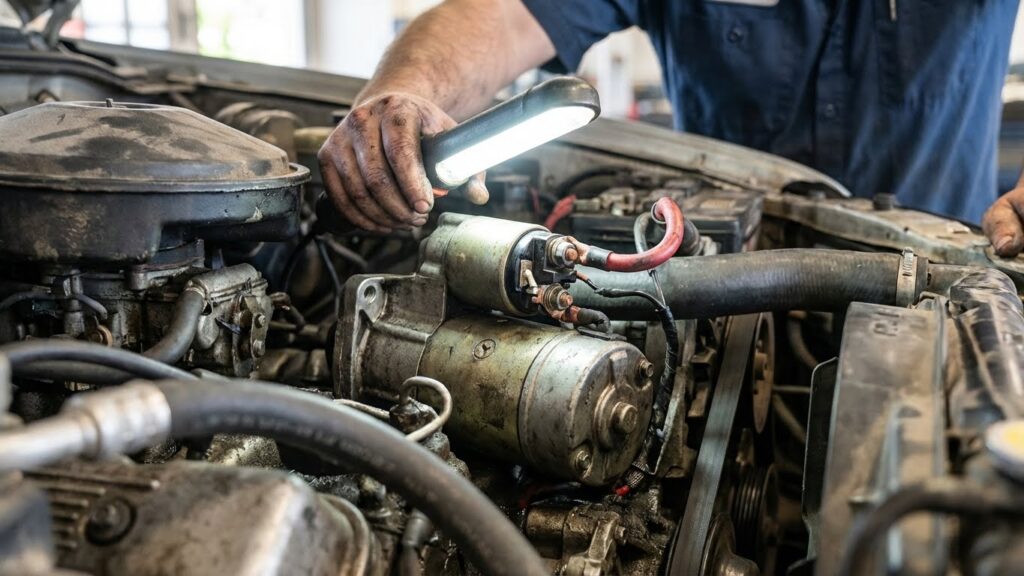
The starter motor and its related parts must work well to turn the engine over. Regular inspection can detect worn brushes, loose wires, or stuck solenoids.
One key point is checking the starter’s electrical connections. Loose or corroded terminals reduce power transfer and often cause the clicking sound. Tightening the connections and cleaning them can solve some issues.
Technicians also listen for abnormal sounds when the starter engages. Grinding or repeated clicking often signals internal damage or wear. Testing the starter relay and solenoid ensures they properly send power to the motor.
By inspecting the starter system annually, potential failures get identified before they cause a no-start situation or rapid clicking sounds.
When to Seek Professional Help
If the rapid clicking noise happens even after jump-starting or replacing the battery, it is time to get professional help. This can mean the problem is beyond a simple battery issue.
A mechanic should inspect the starter motor and solenoid if the car still won’t start. Faulty or worn parts inside the starter can cause the clicking sound. They can also test electrical connections to find loose or corroded terminals.
Use this checklist to decide if professional help is needed:
| Signs to See a Mechanic | Reason |
|---|---|
| Clicking noise continues after jump-start | Possible starter motor or electrical problem |
| Car engine does not turn over | Starter might be failing |
| Battery terminals are clean and fully charged | Issue may be internal to the starting system |
| Other electrical components aren’t working well | Possible wiring or alternator problems |
When the car makes rapid clicks but does not crank, professional diagnosis can prevent further damage. Trying to start the car repeatedly without a fix can wear out parts faster.
It is also important if the car starts but shows strange electrical symptoms. Early professional checks catch hidden faults before they lead to costly repairs.
FAQs
Why does my car make a rapid clicking noise when starting?
This usually means the battery is weak or dead. Rapid clicks often occur because there is not enough electrical power to turn the engine over.
Can a bad starter cause rapid clicking?
Less often. A faulty starter or starter relay may cause a single click or slow clicking sounds, but rapid clicking points more to battery or electrical issues first.
What should be checked first if the car clicks but won’t start?
The battery and its connections should be inspected. Loose, corroded, or damaged battery terminals can block power flow and cause the clicking noises.
Can jump-starting fix the rapid clicking sound?
If the battery is the cause, jump-starting often works. If the noise continues after a jump-start, the starter or other electrical parts may be faulty.
| Common Causes | Description |
|---|---|
| Weak or Dead Battery | Not enough power to start the engine |
| Bad Battery Terminals | Corrosion or loose cables blocking power |
| Faulty Starter | Starter motor or relay fails to engage |
Is it safe to keep trying to start a car that clicks rapidly?
Repeated attempts can drain the battery further. It is better to troubleshoot or call for professional help if quick fixes don’t work.
Conclusion
A rapid clicking noise when starting a car usually points to an electrical issue. The most common cause is a weak or dead battery. If the battery cannot supply enough power, the starter motor fails to turn the engine over, causing the clicking sound.
Other causes include loose or corroded battery terminals and a faulty starter motor or solenoid. These parts are essential for sending the proper current to the engine. Without them working correctly, the engine won’t start.
It is important to check the battery voltage and connections first. Simple fixes like cleaning terminals or jump-starting the battery may solve the problem quickly. If these do not work, testing or replacing the starter motor might be necessary.
Key points to check when hearing rapid clicking:
| Possible Cause | Check or Action |
|---|---|
| Battery charge | Test battery voltage |
| Terminal connections | Tighten and clean terminals |
| Starter motor | Test or replace if faulty |
| Starter solenoid | Inspect for proper function |
Ignoring clicking sounds can lead to bigger problems. Early diagnosis helps avoid costly repairs and keeps the car reliable for daily use.