

If a Chevy Cruze makes a clicking noise when trying to start but the engine won’t turn over, it usually means the starter motor isn’t getting enough power. This clicking sound is often caused by a weak or dead battery, poor electrical connections, or issues with the starter itself. The sound occurs because the starter solenoid is engaging but can’t fully crank the engine.
Many Chevy Cruze owners face this problem, and it often signals simple fixes like charging or replacing the battery, cleaning corrosion on battery terminals, or checking wiring connections. In some cases, the starter motor or its relay may need attention. Understanding these common causes can save time and money, making it easier to diagnose and fix the issue.
Key Takeways
- A weak battery or poor connection is the most common cause of the clicking noise.
- Starter motor and electrical system checks help identify the exact problem.
- Regular maintenance can prevent many starting issues in a Chevy Cruze.
Contents
- 1 Common Causes Of Chevy Cruze Clicking Noise When Starting
- 2 Diagnosing The Source Of The Clicking Noise
- 3 Battery And Power Supply Problems
- 4 Starter System Malfunctions
- 5 Electrical And Wiring Concerns
- 6 How To Fix A Chevy Cruze Clicking Noise When Starting
- 7 When To Seek Professional Assistance
- 8 Preventing Future Starting Issues
- 9 FAQs
- 10 Conclusion
- 11 Author
Common Causes Of Chevy Cruze Clicking Noise When Starting
The clicking noise when starting a Chevy Cruze usually points to electrical or mechanical issues. These problems often involve the battery, the starter motor, or the connections that deliver power. Understanding these can help identify the right fix faster.
Weak Or Dead Battery
A weak or dead battery is the top cause of clicking noises in a Chevy Cruze. When the battery doesn’t have enough power, the starter solenoid clicks repeatedly. This happens because the solenoid tries to engage the engine but can’t get enough current to turn it over.
Battery age, cold weather, or leaving lights on can reduce the battery’s charge. Corrosion on battery terminals can also block power flow. Testing the battery voltage or jump-starting the car often confirms if the battery is the problem.
Faulty Starter Motor
The starter motor itself can cause the clicking if it is failing. Inside the starter motor, the solenoid moves a plunger to push the starter gear to the engine flywheel. If the solenoid or motor is damaged, it may make a clicking noise without turning the engine.
Repeated clicking without the engine starting can signal worn brushes, a bad starter relay, or internal motor failure. Replacement or repair of the starter motor is usually needed if the battery and connections are good.
Electrical Connection Issues
Electrical problems like loose, corroded, or damaged wires affect the starting system. Corroded battery terminals or bad ground wires reduce power flow to the starter solenoid and motor, leading to clicking sounds.
Poor connections between the battery, starter, and ignition switch can stop proper current delivery. Cleaning terminals, tightening cables, and checking wiring for damage often solves this issue. Regular maintenance of battery connections helps prevent these problems.
Diagnosing The Source Of The Clicking Noise
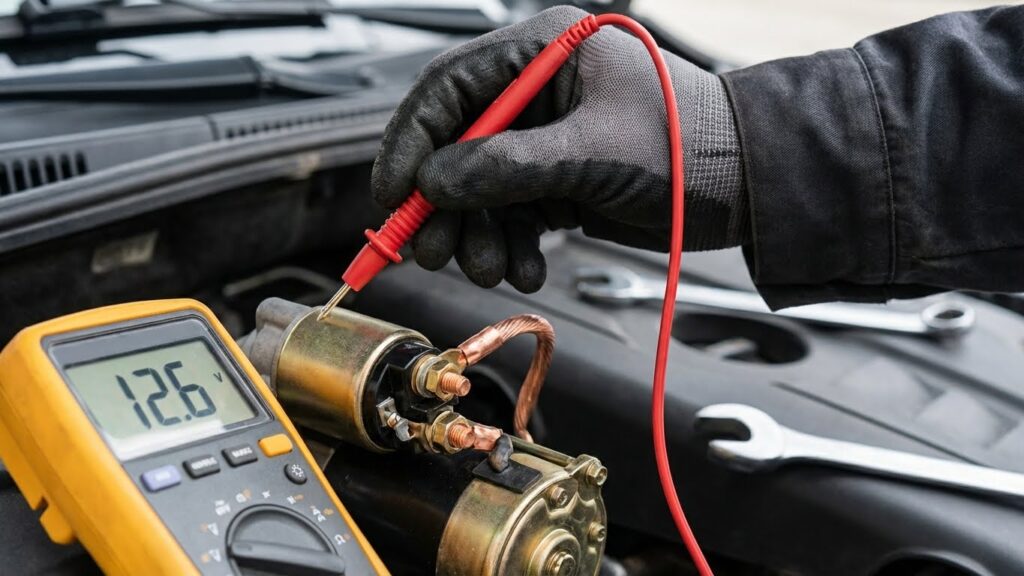
Identifying the source of a clicking noise when starting a Chevy Cruze involves careful listening, examining key engine parts, and using basic diagnostic tools. Each step helps narrow down whether the issue is electrical, mechanical, or related to the battery.
Listening For Single Versus Repetitive Clicks
The pattern of the clicking sound is important. A single click usually points to a problem with the starter motor or the solenoid. It often means the starter is engaging but not turning the engine. Repetitive clicking often signals a weak battery or poor electrical connection. This rapid clicking is caused by the starter solenoid trying to activate repeatedly but failing due to low power.
Noticing when the clicks occur also helps. If the noise appears only when starting, the focus should be on the battery and starter. If clicking happens while idling or during driving, other engine parts might be involved.
Visual Inspection Of Engine Components
A quick visual check can reveal many causes of clicking noises. First, inspect the battery terminals for corrosion or loose connections. Corroded terminals reduce power flow and cause clicking when starting.
Next, look at the starter motor for any signs of damage or wear. Pay attention to wiring connected to the starter and solenoid; loose or damaged cables can interrupt current flow.
Check for any obvious signs of leaks or broken parts near the engine. Sometimes, clicking may come from belt issues or loose components near the engine bay.
Using Diagnostic Tools
Using simple tools can confirm the problem. A voltmeter or multimeter should test the battery voltage. A fully charged battery will read around 12.6 volts or higher. Anything below 12.4 volts is weak and may cause clicking noises.
Test the starter circuit next. Checking for voltage at the starter while turning the key helps verify if power is reaching the starter solenoid.
If available, a diagnostic scanner can read fault codes from the Cruze’s computer. This may reveal electrical or starter system issues, giving clear direction for repairs.
Battery And Power Supply Problems
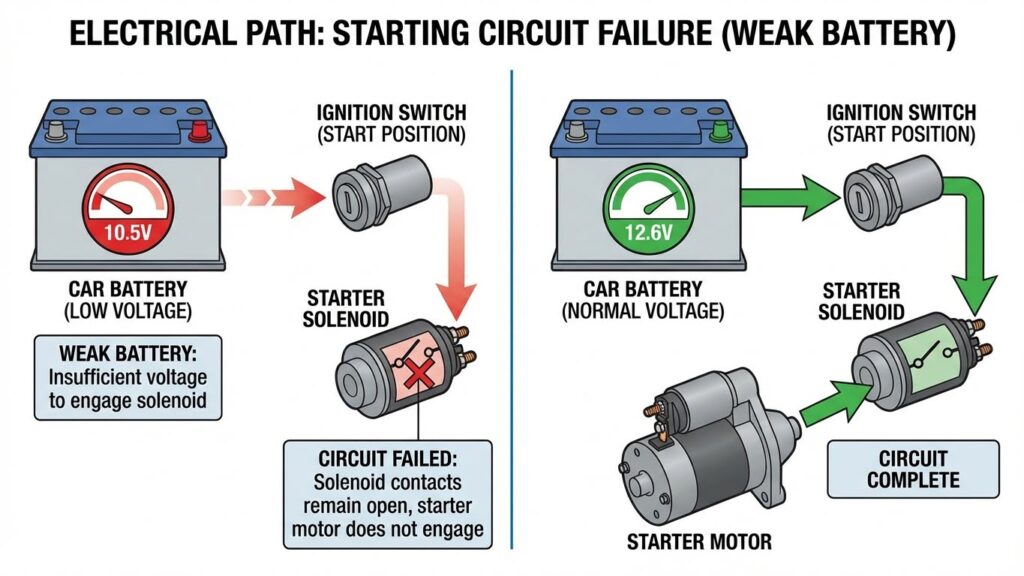
Starting issues with a Chevy Cruze often stem from the battery and how power flows through its connections. Problems with the battery terminals or the battery’s ability to hold voltage can cause the clicking sound during startup.
Corroded Or Loose Battery Terminals
Corrosion on battery terminals can block the flow of electricity needed to start the engine. This corrosion appears as a white or blue powdery substance around the terminals. When terminals are corroded, the electrical connection weakens. As a result, the starter motor may not get enough power, causing the clicking noise.
Loose battery terminals also cause starting issues. If the terminals are not tight, the battery cannot deliver the necessary current for the starter. Cleaning the terminals and tightening the connections often solves this problem. Regular checks of battery terminals help prevent slow electrical drain and maintain a solid connection.
Low Voltage Or Capacity Issues
A weak or nearly dead battery doesn’t supply enough voltage to start the car, even if it looks charged. The starter needs a high power burst to turn the engine over. If the battery voltage is too low, the starter solenoid clicks repeatedly but doesn’t engage the engine fully.
Battery capacity also matters. An old or damaged battery may hold charge poorly, reducing its ability to deliver the required current. Charging the battery or testing it with a voltmeter can identify this issue. In many cases, replacing the battery resolves the no-start clicking noise problem quickly.
Starter System Malfunctions
Starter system problems can cause a clicking noise when starting a Chevy Cruze. These issues often involve electrical parts within the starter mechanism that affect power delivery and engagement with the engine.
Defective Starter Relay
The starter relay is an electrical switch that sends power from the battery to the starter motor. If this relay fails, it can cause a single or repeated clicking noise without turning the engine over.
A faulty relay may have worn internal contacts or electrical shorts. This stops it from properly sending current, which means the starter motor does not get enough power to engage. Testing or replacing the starter relay is usually a simple and affordable step.
Symptoms of a bad relay include clicking sounds when the key is turned, but no engine turnover. Sometimes the relay can work intermittently, causing unpredictable starting issues.
Worn-Out Starter Motor Components
The starter motor contains parts like brushes, solenoid, and gears that can wear out with use. When these components degrade, the motor may click but fail to crank the engine.
Worn brushes or a failing solenoid can prevent the starter motor from generating enough force. The solenoid is responsible for pushing the starter gear to mesh with the engine flywheel. If it sticks or has weak power, the gear may not engage fully.
The result is often a single click or rapid clicking as the motor struggles to start the engine. Repair usually involves replacing the faulty parts or the entire starter motor if damage is severe.
| Common Starter Motor Issues | Effect | Action Recommended |
|---|---|---|
| Worn Brushes | Reduced motor power | Replace brushes or starter |
| Weak/Faulty Solenoid | Starter gear does not engage | Test and replace solenoid |
| Damaged Starter Gears | Starter noise, no cranking | Replace starter motor |
Electrical And Wiring Concerns
Issues in the electrical system can cause a clicking noise when starting a Chevy Cruze. Common problems include damaged wiring that disrupts power flow and faulty fuses or relays that prevent the starter from activating properly. Both can stop the engine from turning over even when the battery is good.
Damaged Or Frayed Wiring
Wiring that is worn, cut, or frayed can cause poor electrical connections in the starting circuit. When wires are damaged, the starter may not receive enough power to engage, resulting in a rapid clicking noise. This happens because the electrical current is interrupted or weakened.
Technicians often check the wiring near the battery, starter motor, and ignition switch. Areas where wiring rubs against metal parts or gets exposed to heat are common damage points. Repairing damaged wiring usually involves replacing or insulating the affected sections to restore proper power flow.
Blown Fuses Or Relays
Fuses and relays control important electrical components, including the starter system. A blown fuse or bad relay can stop the power needed to turn the starter motor on. This failure often causes a clicking sound as the relay tries and fails to send current.
The starter relay is frequently tested because it switches electricity from the battery to the starter motor. Replacing a blown fuse or faulty relay is generally a straightforward fix. It’s important to check these first when diagnosing starting problems, as they are common causes of no-crank clicking noises.
How To Fix A Chevy Cruze Clicking Noise When Starting
Fixing a clicking noise in a Chevy Cruze often involves checking the battery, starter, and electrical connections. Each of these parts plays a key role in starting the car. Addressing issues with them can stop the clicking sound and help the vehicle start properly.
Testing And Replacing The Battery
The battery is the first component to check. A weak or dead battery often causes rapid clicking when trying to start the car. Testing the battery with a multimeter will show if it has enough voltage. A healthy battery usually shows about 12.6 volts when fully charged.
If the voltage is low, the battery should be charged or replaced. Corrosion on the battery terminals can also reduce power delivery. Cleaning terminals with a wire brush and a baking soda-water mix can improve contact. After cleaning, make sure the battery cables are tight. If repeated testing shows poor voltage or the battery fails under load, it needs replacing.
Repairing Or Replacing The Starter
A clicking noise can also mean the starter motor is failing. The starter uses electrical power from the battery to turn the engine over. If it cannot engage properly, it makes a clicking sound.
To diagnose the starter, a mechanic may tap it lightly with a tool to free stuck parts. If this helps, the starter is likely worn out. Sometimes the starter solenoid or other components fail and need repair or replacement.
If the starter keeps clicking without turning the engine, it usually means the unit must be replaced. Removing and installing a new starter requires basic mechanical tools and some car knowledge.
Securing Electrical Connections
Electrical connections between the battery, starter, and other parts must be secure. Loose or corroded wires can cause poor power flow, leading to clicking sounds. Checking connections involves looking for corrosion, frayed wires, or loose nuts.
Cleaning worn or corroded terminals and tightening all bolts improves electrical flow. Sometimes replacing damaged wires or connectors is necessary. Using dielectric grease on connections can also prevent future corrosion. Ensuring all wiring is in good condition helps maintain consistent power delivery for starting.
When To Seek Professional Assistance
Certain starting problems with a Chevy Cruze can point to issues that are not easy to diagnose or fix without proper tools and expertise. Knowing when to get professional help can save time and prevent further damage.
Complex Electrical Issues
If the clicking noise occurs alongside dim or flickering dashboard lights, it may indicate an electrical problem beyond a weak battery. Issues like faulty wiring, a bad starter relay, or a damaged ignition switch require specialized equipment to test.
Professionals use diagnostic tools to check the vehicle’s electrical system thoroughly. Attempting to fix complex wiring or starter motor faults without experience risks making the problem worse or causing safety hazards. If the battery and connections appear fine but the clicking continues, a mechanic’s detailed inspection is necessary to find the exact cause.
Symptoms Of Multiple Failing Components
Sometimes, a clicking noise on startup is a signal that several parts are failing at once. Signs like slow engine cranking combined with dim lights, unusual smells, or sudden power loss suggest multiple issues, such as a weak battery combined with a failing starter motor or alternator.
When a vehicle shows several symptoms, troubleshooting becomes difficult. Professionals can test each component systematically to identify all failing parts. If the clicking occurs with other warning signs, relying on a mechanic to address all problems at once is the safest approach.
Preventing Future Starting Issues
Keeping the Chevy Cruze from clicking and failing to start depends heavily on careful care and checks. Regular attention to the car’s key components helps avoid electrical problems and starter failures.
Routine Maintenance Tips
The Cruze benefits from regular maintenance focused on its electrical system and engine health. Cleaning battery terminals every few months prevents corrosion that can block electrical flow. Using a wire brush and battery cleaner can keep terminals shiny and contacts firm.
Oil changes and air filter replacements support engine efficiency, which indirectly supports smooth starts. Also, inspecting engine belts and wiring harnesses regularly can spot wear or damage early. Faulty wiring might cause voltage drops leading to clicking sounds when starting.
Driving habits matter too. Avoid short trips that don’t fully charge the battery. Allow the alternator to recharge after long drives or heavy electrical use like lights and heating.
Regular Battery And Starter Checks
Checking battery health is vital. Using a multimeter, the battery should show about 12.6 volts when the car is off and at least 13.7-14.7 volts when running. Low voltage signals a weak battery that may cause clicking noises.
The starter motor should be inspected if starting troubles persist. Signs of wear include slow cranking or repeated clicking without engine turnover. Mechanics can test the starter’s electrical draw and mechanical function to confirm its condition.
Battery cables and starter connections also require review. Loose or corroded connectors reduce power flow. Tightening these and ensuring clean contact points can resolve many no-start issues before parts fail completely.
FAQs
Why does my Chevy Cruze make a clicking noise when starting?
A clicking noise usually means there is an issue with the battery or starter. The battery might be weak or dead, or the starter motor might not be getting enough power. Corrosion on battery terminals or loose connections often cause this problem.
Can a bad starter cause the clicking sound?
Yes, a faulty starter motor or a failing starter relay can create a clicking noise. When the starter does not engage properly, you hear rapid clicks instead of the engine turning over.
What should I check first if my Chevy Cruze clicks but won’t start?
Start by inspecting the battery condition and the battery terminals for corrosion. Cleaning the terminals and tightening connections can sometimes fix the problem. If the battery is weak, testing it or jumping the car may help.
Is it a mechanical problem with the engine?
Most of the time, no. The clicking sound generally points to an electrical issue, not a mechanical fault in the engine itself. Issues like a binding steering lock or ignition switch can also cause starting problems but are less common.
Can this issue be fixed at home?
Yes, simple steps like cleaning battery terminals, checking the battery, or jump-starting the car can be done easily. For more complex issues like a bad starter motor, professional repair is recommended.
For more detailed troubleshooting tips, visit the official Chevrolet support site or consult AutoZone’s guide on starting system problems.
Conclusion
A clicking noise when starting a Chevy Cruze usually points to an electrical or battery-related problem. It rarely means a mechanical engine issue. The most common reasons include a weak battery, corrosion on battery terminals, or a poor connection at the starter.
Owners should first check the battery condition and terminals. Cleaning corrosion or tightening connections often fixes the problem. If the battery is old or weak, replacing it can restore normal starting.
If the battery is fine, the starter or its wiring may need attention. A faulty starter can cause repeated clicking without engine turnover. Testing the starter and related electrical parts helps pinpoint the issue.
Here is a quick troubleshooting list for clicking noise when starting a Chevy Cruze:
| Cause | Action |
|---|---|
| Weak or dead battery | Test and replace if needed |
| Corroded battery terminals | Clean and tighten connections |
| Loose starter wiring | Inspect and secure wiring |
| Faulty starter | Test and replace if required |
Taking prompt action can prevent further damage and avoid costly repairs. The clicking noise is a helpful sign that the vehicle’s electrical system needs attention before full failure occurs.
