

A clicking noise when starting a Chevy Trax is often a sign that the starter motor is not receiving enough power to turn the engine over. This issue usually points to a weak or failing battery, poor electrical connections, or sometimes a faulty starter. When you hear this clicking, it means the starter solenoid is trying to engage, but the engine isn’t cranking.
Many drivers find this problem common and fixable with basic checks such as testing the battery voltage and inspecting the battery terminals for corrosion. If the battery and connections are in good condition, the issue may lie with the starter motor itself or its wiring, which can sometimes require professional help.
Understanding what causes the clicking noise and how to diagnose it can save time and money. Readers will learn simple ways to identify the problem and when to seek a mechanic’s assistance, helping to get their Chevy Trax running smoothly again.
Key Takeways
- Clicking noises usually mean the battery or electrical connections need attention.
- Starter motor problems can cause the engine not to crank despite the clicking sound.
- Proper diagnosis helps decide when to fix the issue personally or get professional help.
Contents
- 1 Common Causes of a Chevy Trax Clicking Noise When Starting
- 2 Diagnosing the Clicking Noise Issue
- 3 Electrical System Factors
- 4 Mechanical Problems Associated with Clicking Sounds
- 5 Step-by-Step Troubleshooting Process
- 6 When to Seek Professional Assistance
- 7 Preventative Measures to Avoid Starting Issues
- 8 FAQs
- 9 Conclusion
- 10 Author
Common Causes of a Chevy Trax Clicking Noise When Starting
A clicking noise when starting a Chevy Trax usually points to specific electrical or mechanical issues. The main reasons often involve problems related to the battery, starter motor, or battery connections. Identifying these can help narrow down the exact cause of the no-start condition.
Dead or Weak Battery
A dead or weak battery is the most frequent cause of the clicking noise in a Chevy Trax. The battery might have enough power to activate the starter solenoid but not enough to turn the engine over. This often results in a rapid clicking sound when the key is turned.
Batteries lose charge over time or due to cold weather, leaving insufficient current to start the vehicle. Signs include dim lights or no response when trying to start. Testing the battery voltage or jump-starting the car can confirm if the battery is the problem.
Faulty Starter Motor
The starter motor is responsible for turning the engine when starting the car. A faulty starter can cause a clicking noise if it fails to engage properly. Even if the battery is good, the car won’t start if the starter motor is bad.
Worn gears, damaged solenoids, or internal mechanical failure inside the starter can cause these issues. Replacing or repairing the starter motor is usually required if it is making the clicking noise without starting the engine.
Loose or Corroded Battery Connections
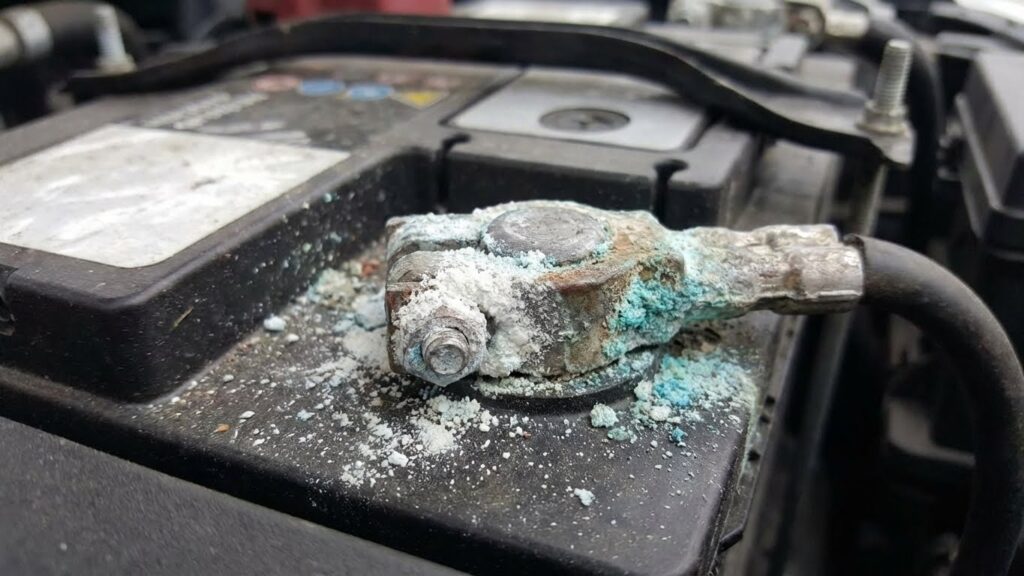
Loose or corroded battery terminals and cables can interrupt the flow of electricity needed to start the Chevy Trax. Corrosion builds up over time, creating resistance that stops enough power from reaching the starter.
Even if the battery is strong, poor connections will cause a clicking sound without engine turnover. Cleaning the terminals and tightening the cable clamps often fixes this issue quickly and prevents further electrical problems.
Diagnosing the Clicking Noise Issue
A clicking noise when starting a Chevy Trax can mean different things depending on various details. Careful listening to the type of clicking and checking for dashboard warnings can help narrow down the cause.
Listening for Single Versus Rapid Clicks
The clicking sound when trying to start the engine can be either a single click or rapid, repeated clicks. A single click often means the starter solenoid is trying to engage but not enough power is reaching the starter motor. This could point to a weak battery or a poor connection.
If the clicking is rapid and repeated, it usually indicates the battery is too weak to crank the engine fully. This rapid clicking happens because the starter motor quickly loses power, causing the solenoid to cycle repeatedly. In this case, testing the battery voltage and checking battery terminals for corrosion is important.
Different types of clicking can suggest either electrical issues or how well the starter motor receives power.
Checking for Dashboard Warning Lights
Dashboard warning lights provide valuable clues. When the Trax makes a clicking noise but won’t start, the battery or charging system light might be on. This can confirm battery or alternator problems.
Other warning lights, like the check engine light, might suggest engine or ignition system issues. If lights are dim or flickering, it often points to battery voltage problems.
Drivers should note which lights are on when the clicking happens and include this information when diagnosing the problem. It helps focus on electrical issues or alerts about engine health that might be causing the no-start condition.
Electrical System Factors
Issues in the electrical system often cause clicking noises when starting a Chevy Trax. These problems can block power flow to the starter motor, stopping the engine from turning over. Identifying the exact electrical cause can save time and avoid unnecessary repairs.
Blown Fuses or Relays
Blown fuses or faulty relays can interrupt power to the starter or other key electrical components. The starter relay controls the high current sent to the starter motor. If this relay fails, the starter won’t engage, causing a clicking sound as the solenoid tries to activate but gets no power.
Fuses protect circuits from overload. A blown fuse in the starting circuit prevents current from reaching the starter. Checking fuses with a tester or visual inspection can quickly determine if one needs replacement. Replacing a fuse or relay is usually inexpensive and can restore normal starting function immediately.
Failed Ignition Switch
The ignition switch sends the signal to start the engine. When it fails, it may let the solenoid click without delivering power to the starter motor. This causes a clicking noise while the engine does not crank.
Signs of a bad ignition switch include intermittent starting problems and loss of electrical power to dashboard components when turning the key. Repair involves testing the switch for continuity and replacing it if defective. Replacing a faulty ignition switch restores reliable power flow, eliminating the clicking sound caused by starting failure.
Mechanical Problems Associated with Clicking Sounds
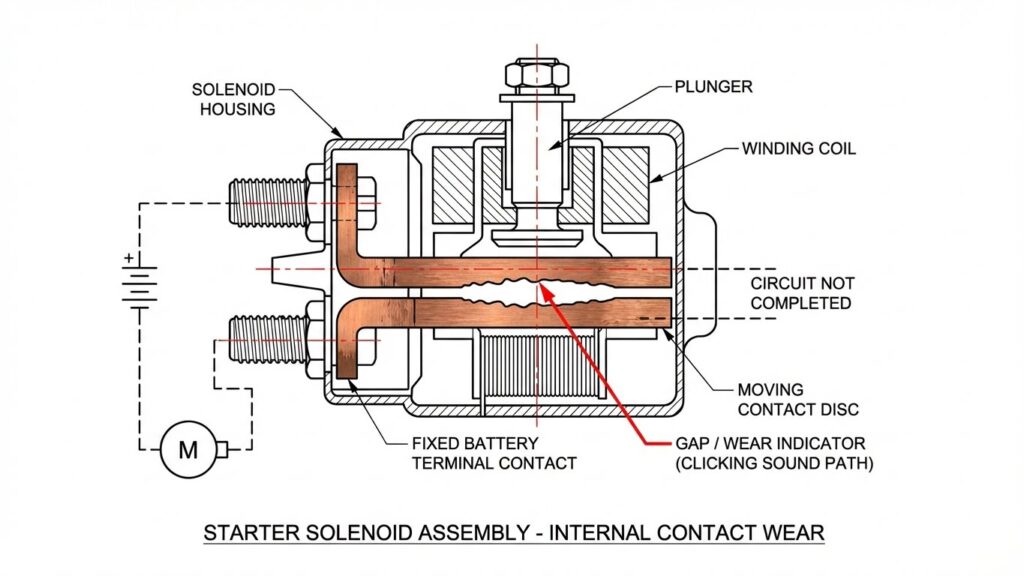
A clicking noise when starting a Chevy Trax can signal serious mechanical issues inside the engine or electrical system. Identifying the exact cause helps avoid further damage and costly repairs.
Seized Engine Components
A seized engine happens when parts inside the engine stop moving freely. This can be due to lack of oil, overheating, or internal damage. When the engine seizes, the starter motor may produce a clicking sound because it tries but fails to turn the engine over.
Signs include a rapid clicking noise with no engine movement. The engine will not crank, and the car won’t start. This issue requires professional inspection since internal engine parts like pistons or bearings might need repair or replacement. Driving the vehicle with a seized engine can cause major damage.
Malfunctioning Starter Relay
The starter relay sends electrical power from the battery to the starter motor. If this relay is faulty, it may cause a clicking noise when the key is turned. The relay might not send enough current to activate the starter fully.
Symptoms of a bad starter relay include a repetitive clicking noise, the dash lights turning on, but the engine not cranking. Testing the relay involves checking electrical connections and replacing it if needed. Fixing a starter relay is often cheaper and quicker than fixing the starter motor itself.
Step-by-Step Troubleshooting Process
The main causes of a clicking noise when starting a Chevy Trax are often related to the battery, electrical connections, and the starter. Checking these parts carefully can help find the problem faster and avoid unnecessary repairs. Below are detailed steps to guide through the process.
Gathering Necessary Tools
Before starting, gather these essential tools: a multimeter, wrench set, wire brush, and jumper cables. The multimeter helps test battery voltage and electrical flow. Wrenches will be needed to loosen and tighten battery terminals and starter connections.
It is important that the work area is safe and the vehicle is parked on a flat surface with the engine off. Wearing gloves and eye protection is recommended to prevent injuries. Having a flashlight can also aid in inspecting tight or dark spaces around the battery and starter.
Preparing these tools and safety gear in advance saves time and makes the troubleshooting process smoother.
Testing the Battery and Connections
Start by testing the battery voltage with the multimeter. A healthy, fully charged battery should read about 12.6 volts or higher when the engine is off. If the reading is below 12.4 volts, the battery may be weak or dead.
Next, inspect the battery terminals and cables for corrosion, dirt, or loose connections. Corrosion appears as a white or blue powdery buildup and can block electrical flow. Use a wire brush to clean the terminals and cable ends fully. Tighten any loose connections.
Check the ground wire from the battery to the chassis as well. Poor grounding can cause clicking noises and prevent the engine from starting. Once cleaned and secured, test battery voltage again.
Inspecting Starter and Related Components
If the battery and connections check out, the next step is the starter motor. First, verify that the starter’s electrical connections are clean and tight. Loose or corroded wires here can cause a clicking sound without cranking the engine.
Tap the starter gently with a hammer while trying to start the car. Sometimes, stuck internal parts can free up temporarily. If the car starts, the starter is likely failing and may need replacement.
Also, inspect the starter relay and fuses. A blown fuse or bad relay will stop electrical current to the starter motor. Replace any faulty parts found during this inspection to restore proper function.
When to Seek Professional Assistance
If a clicking noise continues after basic repairs or if there are signs that internal engine parts might be damaged, it’s important to get expert help. Ignoring these issues can lead to bigger problems and higher repair costs.
Persistent Clicking Despite Repairs
When the clicking noise keeps happening after replacing or charging the battery, cleaning terminals, and checking connections, professional help is needed. This may mean the starter motor or solenoid is failing. Sometimes poor electrical connections inside the starter or wiring can cause repeated clicking.
A mechanic can test the starter and electrical system with special tools to pinpoint the problem. They can also find issues that are hard to detect without experience. Continuing to try and start the car with a faulty starter can damage other components or leave the car stranded unexpectedly.
Signs of Internal Engine Trouble
If the clicking noise comes from the engine itself and not just when starting, it might indicate serious engine damage. Possible causes include failing lifters or low engine oil. These problems can cause permanent engine damage if ignored.
Other signs include engine running rough, loss of power, or unusual vibrations. A professional mechanic can inspect engine parts, check oil pressure, and recommend repairs. Prompt attention can prevent costly engine failure and keep the vehicle safe to drive.
Preventative Measures to Avoid Starting Issues
Proper care of the Chevy Trax’s battery and electrical system helps reduce the chance of a clicking noise when trying to start the engine. Paying close attention to these areas ensures more reliable starts and fewer unexpected problems.
Regular Battery Maintenance
The battery is often the main cause behind a clicking noise on startup. Keeping the battery in good condition is essential. Drivers should check the battery terminals for any signs of corrosion or dirt. Cleaning the terminals with a wire brush and applying a thin layer of petroleum jelly can improve the connection.
Testing the battery voltage regularly, especially before cold seasons, helps spot a weak battery early. A fully charged battery should read around 12.6 volts or higher. If the battery is weak or old, replacing it before failure avoids no-start issues.
It is also important to ensure the battery is securely mounted to prevent damage from vibrations. Loose batteries can lead to poor electrical contact, which causes clicking and failure to start.
Periodic Inspection of Electrical Systems
Inspecting the starter and wiring connections frequently can catch problems before they worsen. Loose or damaged wires between the battery and starter motor may cause clicking sounds due to poor current flow.
Checking battery cables for cracks, corrosion, or worn insulation ensures proper power delivery. Tightening all electrical connections, including ground cables, prevents intermittent starting issues.
It is wise to test the starter relay and solenoid for proper operation during routine inspections. Early detection of faulty parts helps avoid being stranded. Using a multimeter, mechanics can verify if the starter circuit receives correct voltage.
Regular visits to a qualified technician for a full electrical system check can spot hidden faults and keep the Chevy Trax starting smoothly.
FAQs
Why does my Chevy Trax make a clicking noise when trying to start?
The most common reason is a weak or discharged battery. The clicking sound means the battery has enough power to activate the starter solenoid but not enough to turn the engine over. Corroded battery terminals or poor electrical connections may also cause this issue.
Can a bad starter cause the clicking noise?
Yes, a failing starter or starter solenoid can create clicking sounds. If the battery is in good condition but the car won’t start, the starter might need testing or replacement.
What should be checked first if the car clicks but doesn’t start?
He should first inspect the battery charge and the battery terminals for corrosion or loose connections. Checking the battery with a multimeter or jump-starting the vehicle can help identify if the battery is the problem.
Is it safe to keep trying to start the car if it only clicks?
Repeatedly trying to start a car that only clicks can drain the battery further or damage the starter. It is best to diagnose the cause quickly or get professional help.
Where can I learn more about car starting problems?
Trusted sources like the Auto Alliance offer reliable details on battery and starter issues that might help better understand symptoms affecting vehicles like the Chevy Trax.
Could other issues cause the clicking noise?
Less commonly, problems like faulty wiring or fuel system issues might prevent the engine from starting, though these don’t typically cause just a clicking noise. A full diagnostic check is recommended to rule out these causes.
Conclusion
A clicking noise when starting a Chevy Trax usually points to electrical or mechanical issues. The most common cause is a weak or discharged battery. This allows the solenoid to engage but does not provide enough power to crank the engine.
Other possible causes include corroded battery terminals, poor connections in the starter system, or a failing starter motor. These problems can prevent the engine from turning over, producing the clicking sound.
Fuel-related issues or internal engine problems are less common but should not be ruled out if the basic electrical checks do not solve the problem. Proper diagnosis involves checking the battery condition, terminals, and starter before moving on to more complex parts.
It is important to act promptly if a clicking noise occurs during startup. Ignoring it could lead to further damage or leave the vehicle stranded. Regular maintenance, such as battery testing and cleaning connections, reduces the chance of this problem.
A simple checklist for troubleshooting includes:
- Check battery voltage and health
- Inspect battery terminals for corrosion
- Test starter motor function
- Look for loose or damaged wiring
Following these steps helps identify the root cause and guide repairs accurately. In most cases, the fix is straightforward and cost-effective.
