


A clicking noise under the hood when starting a car usually signals a problem in the starting or electrical system. Most often, this sound means the battery is weak or dead, or the starter motor is failing to engage properly. This noise happens because the starter pinion tries to connect with the engine but cannot turn it over.
Sometimes, the clicking can point to loose or corroded battery connections, which block power flow. In other cases, mechanical parts like the starter or flywheel may be damaged. Understanding the source of the clicking helps determine whether a quick fix or professional repair is needed.
Knowing these basics can save time and prevent further damage. The guide breaks down common causes and what steps to take next for anyone facing this problem.
Key Takeways
- Clicking often means a weak battery or starter issue.
- Check battery connections for corrosion or looseness first.
- Some repairs may need a professional mechanic.
Contents
Common Causes of Clicking Noise Under the Hood When Starting a Car
A clicking sound when starting a car usually points to problems with the electrical system that delivers power to the starter motor. This noise often signals difficulty in supplying enough electricity to start the engine. Three main areas tend to cause these clicking noises.
Dead or Weak Battery
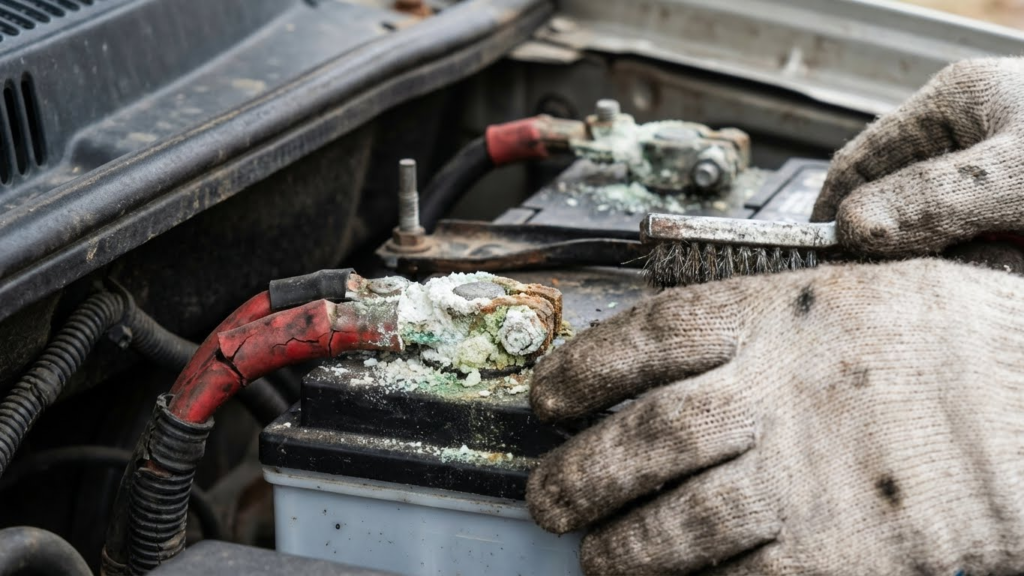
A dead or weak battery is the top reason a car makes a clicking noise when starting. Over time, batteries lose their ability to hold a full charge. Cold weather can make this worse by reducing battery efficiency. When the battery can’t provide enough power, the starter motor won’t engage properly, resulting in repeated clicking sounds.
If a battery is over 3 to 5 years old or shows signs of low voltage, it should be tested or replaced. Maintenance such as keeping terminals clean and avoiding short trips helps save battery life. For more details on car batteries and maintenance, websites like the Battery Council International provide useful tips.
Faulty Starter Motor
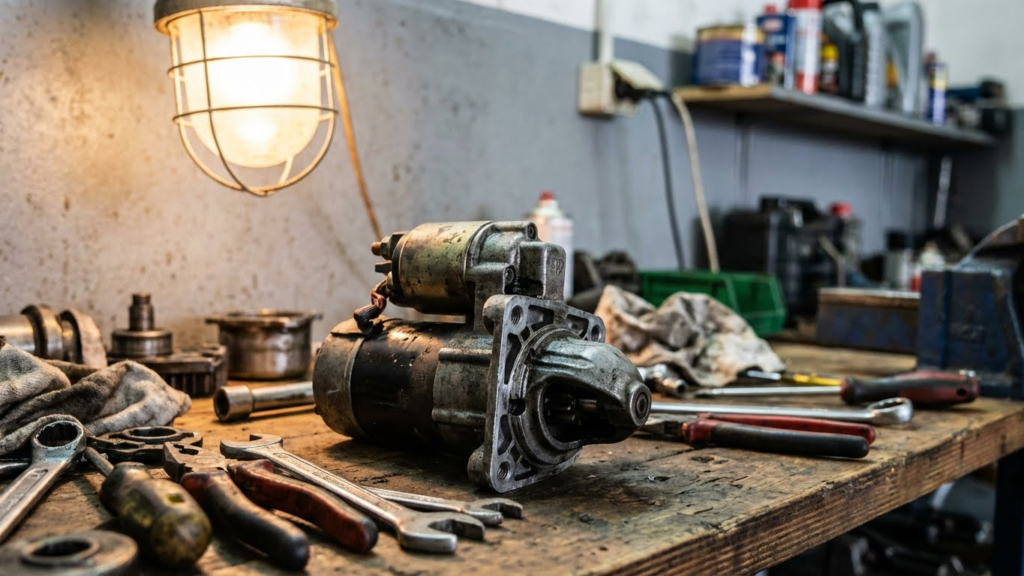
The starter motor itself can cause clicking noises if it is faulty. When the motor’s internal parts wear out, or its solenoid (a small electric switch) fails, it won’t spin the engine fast enough to start the car. This can lead to rapid clicking because the electrical current tries to engage the motor but fails.
A bad starter motor often needs professional diagnosis. It might feel like the battery is fine but the clicking stays. Replacing a faulty starter may be necessary to fix the issue. More on starter motor problems can be found at YourMechanic’s starter repair guide.
Loose or Corroded Battery Connections
Battery terminals that are loose or corroded stop electricity from flowing properly. Even if the battery itself is strong, bad connections can cause a clicking sound when starting. Corrosion looks like white or green powder around the terminals. Loose cables may move when the key is turned, breaking the current path briefly and causing the clicks.
Cleaning battery terminals with a wire brush and tightening the clamps can solve these issues. Checking for corrosion regularly helps prevent problems. It is a simple fix that many car owners overlook, but it can save a lot of time and frustration. Guides on battery cable maintenance are available at AAA’s battery care tips.
Diagnosing the Clicking Noise
Diagnosing a clicking noise when starting a car requires careful listening and testing. The pattern of the clicks, the part of the car where the sound comes from, and certain tools can help pinpoint the problem accurately.
Listening for Single vs Multiple Clicks
Pay attention to whether the car makes a single click or several clicks in a row. A single click usually points to a starter relay or a solenoid issue. It means the starter is trying to engage but fails to turn the engine over.
If there are multiple rapid clicks, this often signals a weak or dead battery. This clicking happens because there is not enough power to turn the starter motor. Sometimes, it can be the battery cables or the connections causing poor power flow.
Noticing the difference between single and multiple clicks helps narrow down whether the problem is electrical or mechanical. It guides the next steps in diagnosis.
Identifying the Sound’s Location
Locating where the clicking noise is loudest under the hood helps identify the faulty part. If the sound comes from the area near the battery and starter, it frequently involves those components.
Clicks near the engine block might suggest an issue with the starter motor or its connections. Clicking coming from the relay box or fuse area can indicate an electrical relay problem.
Moving around the hood and listening carefully while someone turns the key can offer clues. Knowing the exact spot makes inspection and possible repair more focused and efficient.
Using Diagnostic Tools
Using basic diagnostic tools improves accuracy when checking the cause of clicking noises. A multimeter can test battery voltage and check starter relay function.
A test light helps spot bad connections in the starting circuit. Battery chargers or jump starters help verify if a weak battery is the cause by providing a temporary power boost.
In some cases, a mechanical stethoscope or even a screwdriver placed against parts while listening can detect internal starter or engine noises. These tools aid in ruling out possible issues without guessing.
Electrical System Issues
Electrical problems can cause a clicking noise when starting a car. These issues often stop the battery from supplying enough power to the starter motor. Two common sources of electrical trouble are the alternator and fuses or relays.
Failing Alternator
The alternator charges the battery and powers electrical systems while the engine runs. When it starts to fail, it can cause the battery to lose charge. A weak battery won’t have enough power to turn the engine over, leading to a clicking sound.
Signs of a failing alternator include dimming headlights or slow-cranking when starting the car. The battery may also die quickly or need frequent jumpstarts. It is important to test the alternator’s output with a multimeter or have a mechanic check it during routine maintenance.
Blown Fuses or Relays
Fuses and relays protect electrical circuits from damage. If a fuse or relay connected to the starter or battery circuit blows or fails, it can interrupt power flow. This interruption often causes the clicking noise without the engine turning over.
Common signs include no response when turning the key or intermittent starting problems. Checking and replacing blown fuses or faulty relays is a simple fix. The vehicle’s manual usually shows fuse box locations, and replacement parts are inexpensive and easy to swap out.
Mechanical Problems Related to Clicking Sounds
Clicking noises when starting a car often point to specific mechanical issues. These problems usually affect how the engine or starter interacts with key components, which can prevent the car from starting properly. Understanding these issues helps identify when a repair is needed.
Engine Seizure Symptoms
An engine seizure happens when the moving parts inside the engine stop turning. This can create a sharp clicking or ticking noise when trying to start the car. The clicking often comes from the starter motor repeatedly engaging but failing to turn the engine over.
Signs of engine seizure include:
- The engine makes rapid clicking sounds without cranking.
- No engine movement despite attempts to start.
- Possible overheating before the problem occurred.
An engine seizure can result from a lack of oil, severe engine damage, or internal parts locking up. It is a serious condition that requires immediate mechanical inspection. Starting the car repeatedly in this state can lead to further damage.
Damaged Flywheel Teeth
The flywheel is a large gear attached to the engine’s crankshaft. It engages with the starter motor to start the engine. When the teeth on the flywheel are worn or broken, the starter gear cannot grip properly, causing a clicking sound during startup.
This problem usually shows these signs:
- Clicking sound each time the key is turned.
- The engine doesn’t crank or turns irregularly.
- Sometimes a grinding noise with the clicking.
Damaged flywheel teeth often come from frequent starting attempts or normal wear over time. Replacing or repairing the flywheel teeth is necessary to restore the starter’s proper engagement. Ignoring the issue can strain the starter motor or drain the battery.
Temporary Fixes and Immediate Actions
When a clicking noise occurs under the hood while starting the car, certain quick steps can help address the problem temporarily. These actions often involve the battery or its connections, which are common sources of the noise.
Jump Starting the Car
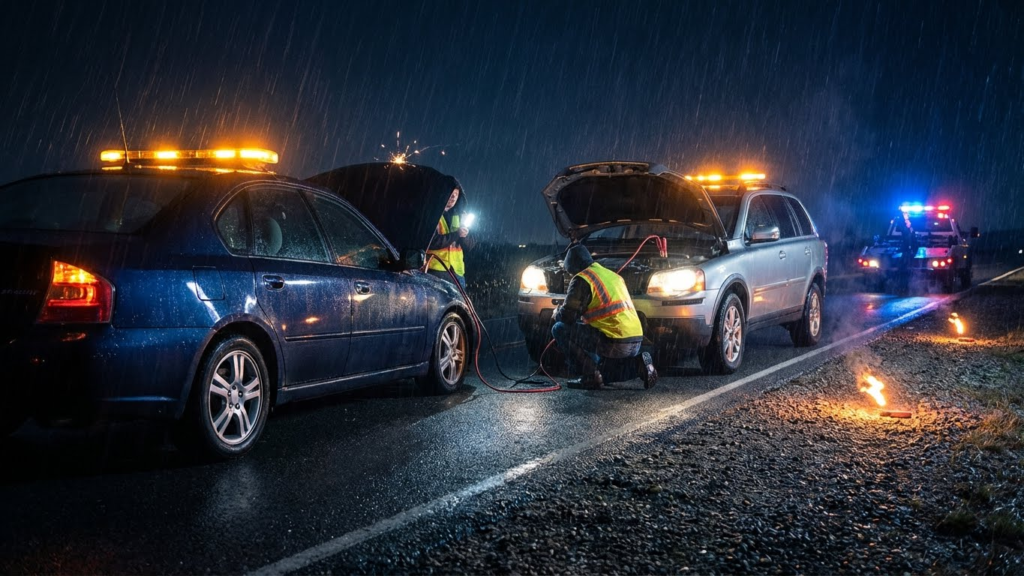
Jump starting is a common immediate response to a clicking noise that happens because the battery is too weak to power the starter. To jump start, one needs jumper cables and a second vehicle with a fully charged battery.
First, connect the red (positive) cable to the positive terminal of the dead battery, then attach the other end to the positive terminal of the good battery. Next, connect the black (negative) cable to the negative terminal of the good battery and then to an unpainted metal surface on the car with the dead battery, away from the battery itself.
Once connected properly, start the working vehicle and run it for a few minutes to charge the dead battery. Then try starting the car with the clicking noise. This can temporarily solve the issue if the battery was the cause. It’s important to remove the cables in the reverse order after the car starts.
Tightening Battery Connections
Loose or corroded battery connections can cause a clicking noise by interrupting the electrical flow. Inspect the battery terminals for any signs of dirt, corrosion, or looseness.
If corrosion is present, cleaning the terminals is necessary. Disconnect the battery cables—always remove the negative (black) cable first—then clean the terminals with a mixture of baking soda and water, scrubbing with a wire brush.
After cleaning, reconnect the cables securely, ensuring they fit tightly on the terminals. Loose connections can prevent the starter from receiving enough power, leading to the clicking noise. Tightening the cables often restores proper electrical contact and can fix the issue temporarily until more permanent repairs or replacements are done.
Preventive Maintenance Tips
Maintaining key parts of the starting system can reduce the chance of hearing a clicking noise when starting the car. Paying attention to specific components and inspecting them regularly helps keep the vehicle reliable and prevents unexpected issues.
Regular Battery Inspection
A weak or failing battery is often the main reason for clicking noises when starting a car. It is important to check the battery’s charge level and overall condition frequently. Batteries generally last 3-5 years, so replacing them within this timeframe can avoid sudden failures.
Cleaning battery terminals yearly is essential. Corrosion on the terminals can block the flow of electricity, leading to a clicking sound from the starter. Use a battery terminal cleaner or a mixture of baking soda and water to remove rust and buildup.
Making sure electrical connections are tight also ensures proper current flow. Finally, avoid leaving lights or accessories on when the engine is off to prevent draining the battery. For detailed battery care tips, sites like the Car Care Council offer valuable guidance.
Checking Starter Components
The starter motor and its related parts should be inspected if the battery is in good shape but the clicking continues. The starter solenoid, which acts like a switch, can wear out or fail, causing the motor not to engage.
Loose or corroded wiring around the starter motor may also cause starting issues. Regular checks include looking for damaged wires and ensuring all connections are secure. In some cases, the starter motor itself may need replacement after years of use.
Testing the starter and solenoid typically requires professional equipment, so scheduling a mechanic’s inspection at recommended intervals is wise. More information on starter maintenance can be found on AutoMD’s starter system page.
When to Seek Professional Help
If the clicking noise continues after checking the battery and connections, it is time to call a mechanic. Persistent clicking can indicate issues that need expert diagnosis, like a failing starter motor or electrical problems.
A professional should be contacted if the car won’t start despite having a fully charged battery. This could point to a faulty starter solenoid or internal engine issues that require specialized tools and knowledge.
Look for these signs when deciding to seek help:
- Clicking noise is rapid or repeated without the engine turning over
- Dashboard lights are dim or flicker when trying to start
- The car has trouble starting even after jump-starting
- Unusual smells or smoke come from under the hood during attempts to start
Regular maintenance can prevent many starting problems, but when the noise is linked to more complex parts, repair is best handled by a technician. They can perform tests to find the exact cause and ensure safe, effective repairs.
Ignoring these signs can lead to more damage and higher repair costs. It is better to get a proper diagnosis early than risk worsening the car’s condition.
FAQs
What does a clicking noise mean when starting a car?
A clicking sound often shows the starter motor is trying to work but can’t fully engage. It may be caused by a weak battery, faulty starter, or poor electrical connection.
Why does the car click rapidly instead of a single click?
Rapid clicking usually points to low battery voltage. The starter motor doesn’t get enough power to turn the engine over, causing multiple clicks.
Can a bad starter cause clicking noises?
Yes. A failed or damaged starter motor can produce a single click when the key is turned. The starter’s pinion gear may not engage the engine properly.
Is the battery always the problem when the car clicks but won’t start?
Not always. While a weak or dead battery is common, poor battery connections, corroded terminals, or a faulty starter can also cause clicking noises.
What should be checked first if there is a clicking noise?
Start by checking the battery’s charge and connections. If those are fine, the starter motor and its wiring should be inspected next.
Can engine oil cause clicking noises under the hood?
If the clicking happens while driving, it may be related to engine lubrication issues, like low oil or worn valve lifters. But this is different from the clicking heard when starting the car.
Conclusion
A clicking noise under the hood when starting a car is a clear signal that something in the starting system is not working properly. This sound often points to issues with the battery, starter motor, or electrical connections. Ignoring the noise can lead to a car that won’t start at all.
Common causes include:
- Weak or dead battery
- Corroded or loose battery terminals
- Faulty starter motor
- Problems with wiring or fuses
Regular maintenance, like checking battery health and cleaning terminals, can prevent many of these issues. When the clicking noise is heard, it is best to test the battery first, then inspect the starter system if needed.
If DIY steps do not fix the problem, consulting a professional mechanic is advisable. Prompt diagnosis and repair help avoid further damage and keep the vehicle reliable.
Using a simple checklist can help pinpoint the problem quickly:
| Step | Action |
|---|---|
| 1. Battery Voltage | Test with a multimeter |
| 2. Battery Terminal | Check for corrosion or looseness |
| 3. Starter Motor | Listen for continuous clicking |
| 4. Wiring/Fuses | Inspect for damage or wear |
Addressing clicking noises early can save time and money while ensuring the car starts smoothly every time.