

A clicking noise when starting a car usually means the starter motor is trying to engage but can’t fully turn the engine over. This sound often points to issues like a weak battery, poor electrical connections, or a failing starter motor. Knowing what causes the clicking can save time and money by helping to quickly identify the problem.
The clicking might be a single sound or rapid clicks, and the difference can help diagnose the issue. Electrical problems are common, but mechanical faults inside the starter or engine can also cause the noise. Understanding the source is key to deciding if professional help is needed or if simple fixes can get the car running again.
Key Takeways
- Clicking noises usually come from electrical or starter motor problems.
- Identifying the pattern of clicks helps narrow down the cause.
- Some problems require simple fixes, while others need professional repairs.
Contents
Common Causes Of Clicking Noise When Starting Car
A clicking noise when trying to start a car usually points to problems with the electrical system that powers the engine. The issue often involves parts that control the flow of electricity and engage the engine’s starting mechanism. Identifying the exact cause can save time and money during repairs.
Weak Or Dead Battery
A weak or dead battery is the most common reason for clicking sounds when starting a car. When the battery doesn’t have enough charge, it can’t provide the power needed to turn the engine over fully. The starter motor tries to engage but fails, producing a clicking noise instead.
If the battery is very low, the car may not start at all. Sometimes, the battery terminals are clean but the battery itself is old and can no longer hold a proper charge. Checking the battery voltage with a tester can quickly show if the battery is the problem.
Starter Motor Issues

The starter motor is responsible for turning the engine to start it. When the starter begins to fail, it may produce one or multiple clicking noises. The clicks occur when the motor’s internal parts, like the gear or brushes, cannot engage or operate smoothly.
A faulty starter motor might still work intermittently, but it usually gets worse over time. If the clicking happens frequently and the battery has been ruled out, inspected or replaced, the starter motor should be checked by a mechanic.
Faulty Solenoid
The solenoid is a small electrical component that controls power from the battery to the starter motor. It acts like a switch. When the solenoid is faulty or damaged, it may fail to deliver full power, causing a rapid clicking sound during starting attempts.
A bad solenoid sometimes causes the starter to click repeatedly without turning the engine. It can also prevent the engine from starting altogether. Diagnosing a solenoid problem involves testing the electrical signals with a multimeter or replacing the solenoid if it shows signs of failure.
Loose Or Corroded Battery Connections
Battery terminals and cable connections need to be tight and free of corrosion to deliver enough power to the starter motor. Loose or dirty connections increase electrical resistance, reducing current flow and causing clicking noises when trying to start the car.
Cleaning the battery terminals and tightening any loose cable clamps often solves this issue. Corrosion appears as a white, green, or blue powdery deposit. Regular battery maintenance helps avoid this problem and ensures a good electrical path for starting.
Diagnosing The Clicking Noise
Identifying the exact cause of a clicking noise when starting a car involves careful listening, inspecting key components, and sometimes using diagnostic tools. Each step provides clues to pinpoint whether the problem lies with the battery, starter, wiring, or other parts.
How To Listen For Specific Sounds
The type of clicking sound can reveal its source. A rapid clicking noise usually signals a weak or dead battery. This happens because there isn’t enough power to engage the starter motor fully.
If there is a single loud click, it often means the starter motor or the starter relay might be faulty. In some cases, intermittent clicking can be caused by a bad ignition switch.
Listening closely in a quiet environment helps. The timing and pattern of the clicks—whether rapid, slow, or just one—are critical details. Noting these specifics can guide further steps in the diagnosis.
Visual Inspection Steps
Visual checks help identify simple problems that might cause the clicking noise. The battery terminals should be the first focus. Look for corrosion, loose or damaged connections, which can block power flow.
Next, examine the battery itself for swelling or leaks. Inspect the starter motor area for loose wires or signs of damage.
Also check the fuses and relays connected to the starting system. If any fuse is blown or relay looks burnt, it may cause starting issues.
A clear, step-by-step visual inspection often uncovers obvious faults quickly.
Using Diagnostic Tools
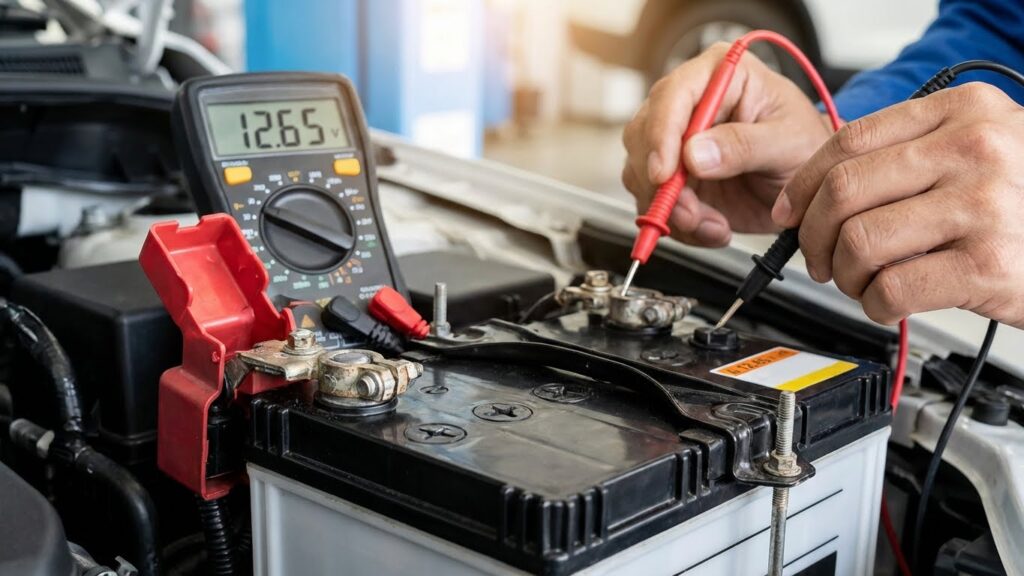
Diagnostic tools provide deeper insights. A multimeter measures battery voltage and tests if the battery has enough charge. A healthy battery should read around 12.6 volts or more when the car is off.
Using a starter draw test can show if the starter motor is drawing too much current, indicating wear or failure.
Some mechanics use scan tools or code readers to check the car’s computer system for error codes related to the starting system.
These tools confirm suspicions from listening and visual checks, making diagnosis more precise.
Electrical System Problems
When a car makes a clicking noise but won’t start, issues with the electrical system often play a major role. Several specific parts can fail or degrade over time, causing the starter motor not to receive the proper voltage needed to turn the engine over.
Worn Out Alternator
The alternator charges the car’s battery while the engine runs. If the alternator is worn out or failing, it won’t supply enough electrical power to keep the battery charged. This leads to a weak or dead battery, which often causes clicking noises when trying to start the car.
Drivers may notice dimming headlights or electrical accessories acting strangely before the car fails to start. Testing the alternator with a multimeter or by a professional mechanic can confirm if it is the source of the problem. Replacing a faulty alternator is vital to restore proper battery charging and prevent repeated starting issues. More details on alternator symptoms and repair tips can be found at AutoZone’s alternator guide.
Blown Fuses And Relays
Fuses and relays protect the car’s electrical circuits, including those for the starter system. A blown fuse or a faulty relay can interrupt power flow to the starter motor, causing it to click but not engage the engine.
Common signs include electrical systems that stop working suddenly or intermittently. Checking the vehicle’s fuse box for blown fuses and testing starter relays can identify these problems. Replacing blown fuses or faulty relays is usually straightforward and inexpensive but crucial for restoring the starting function.
The National Highway Traffic Safety Administration offers helpful information about vehicle electrical system components.
Damaged Wiring
Wiring issues, such as loose connections, corrosion, or frayed wires, can disrupt the flow of electricity to the starter motor. This often results in the clicking noise heard when the starter pinion tries to engage but receives insufficient power.
Wiring problems may be hidden and require careful inspection under the hood. Signs include inconsistent electrical performance or visible damage to cables and connectors. Repairing damaged wiring may involve cleaning terminals, tightening connections, or replacing sections of cable. Proper wiring maintenance ensures reliable starting and overall electrical system health.
Safety precautions are important when working with car wiring; a professional should be consulted if uncertain. Basic wiring troubleshooting tips are available at RockAuto’s repair guide.
Mechanical Faults And Their Impact
Mechanical faults in the engine or its components can cause clicking noises when starting a car. These issues often stop the engine from turning over properly and might need expert inspection or repairs to fix.
Engine Seizure
An engine seizure happens when parts inside the engine lock up, stopping any movement. This can cause a rapid clicking sound as the starter motor tries to turn the engine but fails. Often, overheating, lack of oil, or internal damage causes the seizure.
When an engine seizes, the starter pinion can click against the flywheel without rotating the engine. Signs include no engine movement, unusual noises, and sometimes smoke or burning smells. This problem needs a full engine check and likely major repairs. It is not safe to keep trying to start the car in this condition.
Learn more about engine seizing causes at the Car Care Council.
Seized Pulley Or Accessory
Sometimes, the clicking noise comes from a seized pulley or another engine accessory like the alternator belt or water pump. These parts can lock up due to wear, corrosion, or lack of lubrication.
If the pulley is stuck, the starter motor may struggle and click without properly engaging the engine. This can prevent the car from starting and may lead to damage if left unchecked. A mechanic will need to inspect belts and pulleys and replace or repair the faulty parts.
Keeping these components well maintained helps avoid sudden failures that cause starting problems.
Problems With The Flywheel
The flywheel connects the engine to the starter motor and allows the engine to spin during startup. Damage or wear on the teeth of the flywheel can result in a clicking noise when starting.
If the starter’s pinion gear cannot properly mesh with the flywheel teeth, it may cause repeating clicks without turning the engine. This problem often shows as a consistent clicking sound paired with the engine failing to start.
Repairing this usually means replacing or resurfacing the flywheel, which requires professional service. For more details about flywheel issues and starter gear interaction, visit YourMechanic.
| Issue | Main Symptom | Impact | Needed Action |
|---|---|---|---|
| Engine Seizure | No engine movement, rapid clicks | Engine cannot turn | Full engine inspection |
| Pulley or Accessory | Clicking noise, belt issues | Starter motor strain | Check and repair parts |
| Flywheel Damage | Repeated clicking, no start | Starter pinion won’t engage | Flywheel repair/replacement |
When To Seek Professional Help
A clicking noise when starting a car can mean different things. Sometimes it’s a simple fix, but other times the problem needs a mechanic’s attention. Knowing the right time to see a professional can save the car from more damage and avoid costly repairs.
Signs Of Severe Damage
If the clicking noise happens along with other symptoms, it may show serious damage. For example, if the car makes a rapid series of clicks and still won’t start, the starter motor might be failing.
Another warning sign is if the headlights dim while trying to start the car. This can point to electrical problems like a bad alternator or a deeply drained battery.
Also, unusual smells or smoke near the engine during starting should not be ignored. These signs suggest damage that requires immediate professional inspection to prevent permanent failure.
Persistent Electrical Failures
When simple fixes like charging the battery or cleaning terminals don’t stop the clicking, the problem is likely deeper in the electrical system.
Loose or corroded cables can cause repeated clicking. But if technicians find that connections are solid, it may be a failing starter solenoid or an internal wiring issue.
Anyone facing ongoing clicking noises, despite basic checks, should have their car diagnosed with specialized tools. This helps find problems inside the starter circuit or alternator that are not visible to the naked eye.
Preventive Maintenance Tips
Maintaining key parts of the car helps avoid clicking noises when starting. Focusing on the battery, starter, and electrical connections can keep the car running smoothly and prevent common issues.
Regular Battery Checks
A weak or old battery is a frequent cause of clicking sounds during startup. Checking the battery includes testing its voltage and inspecting its age. Most car batteries last about 3 to 5 years. If a battery is more than five years old or fails voltage tests, it should be replaced to ensure reliable starts.
Additionally, keeping the battery charged and avoiding leaving lights or accessories on with the engine off helps preserve battery life. Many auto shops offer free battery testing, which helps catch problems early. For more details on battery care, visit the Battery Council International.
Inspecting Starter Components
The starter motor engages the engine during ignition. Over time, parts like the starter pinion or solenoid may wear out, causing clicking noises without cranking the engine. Regular inspections should look for loose wiring, worn brushes, or unusual sounds when starting.
If a starter shows signs of failure, replacement is often the best option. Knowing how a starter functions can help diagnose issues faster. Car owners might also find detailed guidance on AutoZone’s starter troubleshooting.
Keeping Electrical Connections Clean
Corrosion or dirt on battery terminals and cable connections can prevent proper electrical flow, leading to clicking noises when starting. Cleaning terminals every year or every 15,000 miles helps maintain solid contact.
Using a wire brush and a battery terminal cleaner prevents buildup and improves conductivity. Tightening loose connections is also crucial, as vibrations can loosen cables over time. Simple upkeep of these parts reduces the chance of electrical failure and helps the car start smoothly every time.
Potential Costs And Repair Options
Clicking noises when starting a car often point to issues that can range from simple to more complex. The cost to fix the problem depends on the exact cause. Choices about repairing or replacing parts can also affect the price and effectiveness of the repair.
Typical Repair Expenses
The most common cause of a clicking noise is a weak or dead battery. A battery replacement usually costs between $50 and $120, including parts and labor. If the battery terminals are corroded, cleaning them is cheaper and can cost around $20 to $50.
If the starter motor is the problem, repair or replacement costs rise sharply. A starter replacement typically runs from $200 to $400, depending on labor rates and the vehicle model. Electrical repairs, like fixing bad connections or wiring, may vary but often fall between $100 and $250.
Replacement Versus Repair Decisions
Choosing whether to repair or replace parts depends on the age and condition of the component. For example, if the starter motor is old and shows signs of wear, replacement is usually better to avoid repeat failures.
Battery repair is less common because they are inexpensive, and full replacement is often the best choice. Cleaning terminals or tightening connections is a low-cost fix if the battery and starter are in good shape.
In some cases, a cheap repair can save money temporarily, but replacement may offer longer reliability. It is important to balance cost with how long the car will remain in use after the fix.
FAQs
What causes a clicking noise when starting a car?
The clicking sound often points to a weak or dead battery, corroded battery terminals, or a faulty starter motor. It can also come from poor electrical connections or a bad ignition switch.
Why does the car click but not start?
When the starter pinion hits the flywheel or flex plate but the engine doesn’t turn over, it usually means the starter motor lacks enough power. This can be due to low battery voltage or a problem with the starter system.
Is a single click different from rapid clicking?
Yes. A single loud click may indicate a starter motor issue or a stuck solenoid. Rapid clicking sounds are often a sign of a battery that doesn’t have enough charge to power the starter fully.
Can a bad battery cause the clicking noise?
Definitely. A weak or dead battery often causes the starter to click without fully engaging. Checking the battery voltage and connections is a good first step.
When should a mechanic be consulted?
If simple fixes like charging or replacing the battery do not stop the clicking, or if the starter motor seems faulty, professional help is needed. They can diagnose electrical problems or replace parts safely.
| Common Causes | Description |
|---|---|
| Weak Battery | Battery voltage too low to start |
| Corroded Terminals | Poor electrical contact |
| Faulty Starter Motor | Starter fails to engage |
| Ignition Switch Issues | Electrical signal doesn’t reach start |
| Poor Connections | Wiring or terminal problems |
Conclusion
A clicking noise when starting a car usually means the starter motor is receiving some power but not enough to turn the engine fully. This sound often points to problems with the battery, starter, or electrical connections.
Common causes include a weak or dead battery, corroded terminals, or a faulty starter motor. Sometimes, the issue might be a poor ignition switch or loose wiring. It is important to check these parts first, as many are easy and cost-effective to fix.
If the car makes one loud click or several rapid clicks, that difference can help narrow down the cause. Rapid clicking often signals a battery issue, while a single click might mean a starter problem.
To address the issue:
- Test the battery voltage.
- Inspect battery connections for corrosion.
- Check the starter motor’s condition.
- Examine the ignition switch and wiring.
Ignoring the clicking noise may lead to more serious failures that can be costlier to repair. When basic checks don’t fix the problem, consulting a professional mechanic is advised. They can diagnose electrical faults and starter system issues safely and accurately.
Understanding what the clicking means and acting on it promptly helps keep the car reliable and prevents unexpected breakdowns.