


If a car makes a clicking noise when trying to start but the radio still works, it usually points to an issue with the electrical system. The most common cause is a weak or dead battery that doesn’t have enough power to start the engine, even though it can still run accessories like the radio. This situation may also involve corroded battery terminals or loose connections that restrict power flow.
Sometimes, the problem may lie with the starter motor or its relay, which can fail to engage properly and cause the clicking sound. Understanding these basic issues helps narrow down the problem and guides effective troubleshooting to get the car running again without unnecessary repair costs.
Key Takeways
- A weak battery often causes clicking noises while the radio works.
- Loose connections or corroded terminals can block power needed to start.
- Starter motor or relay issues also cause the clicking sound when starting.
Contents
- 1 Common Causes of Clicking Noise When Starting Car
- 2 Electrical System Insights
- 3 Diagnosing the Problem
- 4 Addressing Battery-Related Issues
- 5 Starter and Relay Issues
- 6 Alternator and Electrical Connections
- 7 Additional Mechanical and Electrical Causes
- 8 Preventive Maintenance Tips
- 9 When to Consult a Professional Mechanic
- 10 FAQs
- 11 Conclusion
Common Causes of Clicking Noise When Starting Car
A clicking noise when starting a car, while the radio still works, often points to electrical or mechanical issues. These problems usually involve the battery, starter motor, or battery connections. Each of these plays a key role in delivering enough power to start the engine.
Dead or Weak Battery
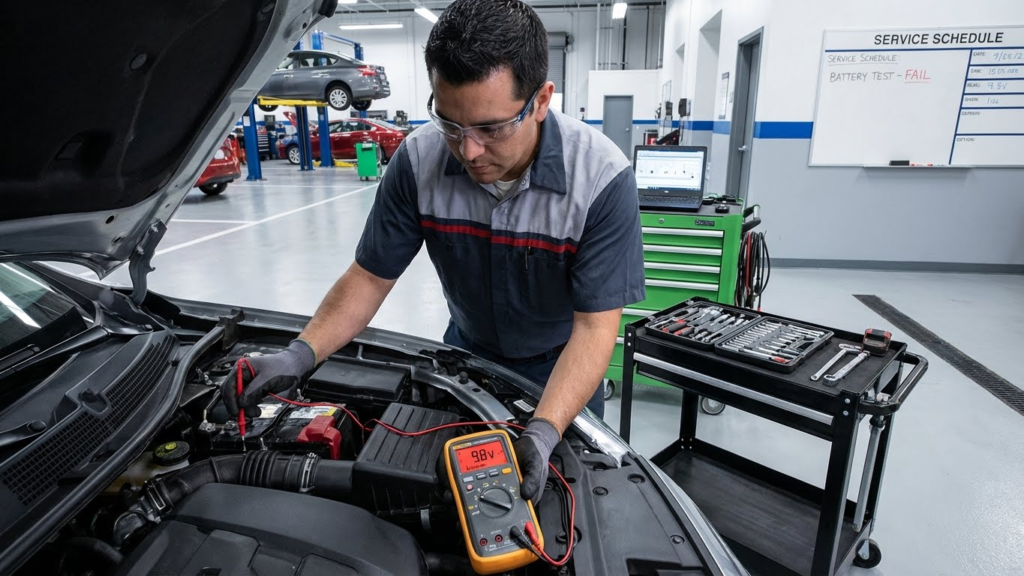
A weak or dead battery is the top reason for clicking noises during ignition. Even if the radio gets power, the battery may not have enough charge to turn the engine over. This causes the starter motor to engage and click repeatedly without cranking the engine.
Low battery voltage means there isn’t enough current to fully activate the starter. The battery might still power small electronics, but starting the car needs much more energy. The issue can occur if the battery is old, drained, or damaged.
Faulty Starter Motor
When the starter motor fails, a clicking sound can be heard during ignition. The starter motor is responsible for turning the engine over to start it. If the motor or its solenoid is defective, it can produce a clicking noise as it tries to engage but can’t spin the engine.
A bad starter motor often means the solenoid clicks but the motor itself doesn’t work. This may be due to worn brushes, damaged wiring, or internal mechanical failure. The click is the solenoid hitting without enough power being sent to the motor.
Loose or Corroded Battery Connections
Loose or corroded battery terminals can stop power from reaching the starter properly. Even if the battery has enough charge, poor connections create resistance, leading to clicking noises as the starter struggles to get enough current.
Corrosion can develop from exposure to moisture and acid leaks. Loose clamps may have slipped. Checking and cleaning the battery terminals and tightening the connections can often fix this issue. Proper contact ensures smooth power flow to the starter.
Electrical System Insights
The starting process relies on key electrical parts working together. The starter motor needs enough power to turn the engine. Meanwhile, other systems like the radio use less power and run on different circuits. Understanding this helps explain why the engine won’t start even though the radio works.
How the Car Starter Circuit Works
The starter circuit begins when the key turns to the start position. This sends a signal to the starter solenoid. The solenoid acts as a switch that connects the car battery to the starter motor. When powered, the starter motor turns the engine’s flywheel to begin the combustion process.
The circuit requires a strong, steady flow of electricity from the battery. If the battery is weak or connections are corroded, the solenoid may click but not supply enough power. This causes the starter motor to fail to spin, stopping the engine from starting.
Why the Radio Works but the Engine Won’t Start
The radio has a lower power demand and connects directly to the battery through a different fuse or circuit. It needs only minimal voltage to operate, so even a drained or weak battery can power it.
In contrast, the starter motor draws much more current. A battery could have enough charge left to power small devices but not the starter. This causes a clicking noise when the starter solenoid engages but the motor doesn’t turn. Corroded battery terminals or loose cables can also isolate the starter from power while leaving the radio circuit intact.
Diagnosing the Problem
Understanding why a car clicks when starting but the radio works requires checking the electrical system closely. The issue often lies with the battery, starter, or connections. Careful testing can reveal which part is causing the failure to start.
Steps to Identify the Source of Clicking Noise
First, check the battery voltage. A weak or dead battery is the most common cause when the radio still powers on but the engine won’t start. Use a multimeter to measure voltage; it should read around 12.6 volts with the car off. If it’s below 12 volts, the battery may be weak or discharged.
Next, inspect battery terminals for corrosion or loose connections. Corroded terminals can block power flow, causing the clicking noise. Tighten or clean the terminals with a wire brush if needed.
Then, listen to the clicking pattern. A single click often points to a bad starter solenoid. Multiple rapid clicks usually indicate insufficient battery power. Finally, try tapping the starter lightly with a tool while someone turns the key. If the engine starts, the starter motor might be failing.
Tools Needed for Troubleshooting
A few basic tools make diagnosing this problem easier:
- Multimeter: Measures battery voltage and helps check electrical flow.
- Wrench or socket set: For loosening and tightening battery terminals.
- Wire brush or sandpaper: Cleans corrosion from battery connections.
- Hammer or screwdriver handle: To gently tap the starter if needed.
A basic car repair guide, such as those from YouCanic, provides step-by-step instructions and safety tips to use these tools correctly. Proper tools and knowledge help avoid common mistakes during testing.
Using these steps and tools ensures the root cause of the clicking noise is found quickly and resolved without unnecessary repairs.
Addressing Battery-Related Issues
When a car clicks but the radio still works, it often points to battery problems. Checking the battery’s voltage and cleaning its terminals can solve many starting issues. These steps ensure the battery delivers enough power and maintains a good connection.
Testing Battery Voltage
Testing the battery voltage is a key step. A healthy 12-volt car battery should read between 12.6 and 12.8 volts when the engine is off. If the voltage is below 12.4 volts, the battery might be weak or discharged.
A multimeter is used for this test. Set it to DC voltage, connect the red lead to the positive terminal and the black lead to the negative terminal. The reading will show if the battery holds enough charge.
If the voltage is low, the battery may need to be charged or replaced. Weak batteries struggle to power the starter motor even when lights or radio function.
Cleaning Battery Terminals
Corroded or dirty battery terminals can block power flow. This can cause clicking sounds even if the battery holds charge. Cleaning the terminals can restore a solid connection.
To clean terminals, disconnect the battery cables starting with the negative (-) side. Use a wire brush or battery terminal cleaner to remove rust, corrosion, and dirt.
After cleaning, reconnect the cables tightly to prevent loose contacts. Applying a thin layer of petroleum jelly or terminal protector spray helps stop future corrosion.
Good terminal connections are essential for full power delivery, especially when starting the engine.
Starter and Relay Issues
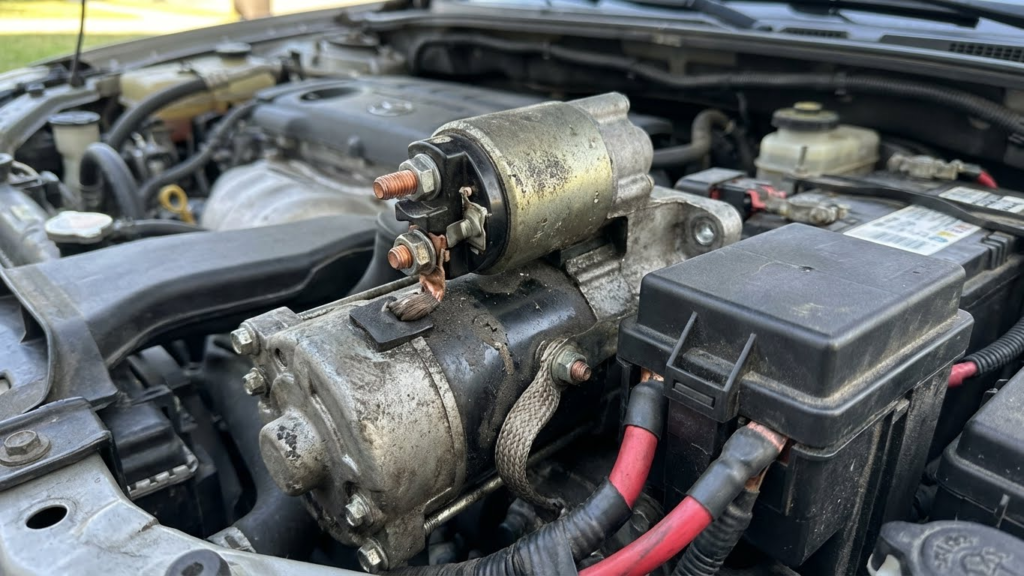
When a car clicks but won’t start while the radio still works, the problem often lies in the starter or its relay. These components control the engine’s cranking, and faults in either can stop the engine from turning over, even if electrical power is present elsewhere.
Signs of a Failing Starter Relay
A starter relay is an electrical switch that sends power to the starter motor. When it starts to fail, several signs may appear. The most common is a distinct clicking noise when turning the key. This noise shows the relay is trying to work but may not be sending enough current to the starter.
Other signs include intermittent starting issues, where the car starts sometimes but not always. A weak or dead relay can also cause the engine not to crank at all, despite the electrical accessories like the radio functioning normally. Testing a relay requires checking for electrical continuity and voltage.
A professional site like AutoZone offers guides on relay testing and replacement steps to help with diagnosis and repair.
Starter Motor Replacement Overview
The starter motor physically turns the engine over to start it. If the motor fails, the car will not crank, even if the battery and relay are fine. Common symptoms of a failing starter motor include a single click noise, no engine turnover, or grinding sounds during start attempts.
Replacing the starter motor involves disconnecting the battery, removing electrical connections to the starter, and unbolting the motor from the engine. It is important to check for corrosion or loose connections before replacement, as these can mimic starter failure.
For safety and accuracy, many drivers choose professional help. Detailed steps on starter replacement can be found at RepairPal, which offers clear guidance on parts and labor.
Alternator and Electrical Connections
The alternator and electrical connections play a key role in starting the car and powering accessories like the radio. Faults in these components can cause clicking noises without the engine turning over. Proper inspection can pinpoint if the alternator or wiring is the problem.
Checking the Alternator’s Role
The alternator charges the battery and powers electrical systems when the engine runs. If it fails, the battery may not have enough power to start the car, even if the radio works briefly on stored battery energy.
To check the alternator:
- Measure the battery voltage with the engine off and then running. Voltage should rise to about 13.5–14.5 volts when the engine runs.
- Look for a worn or loose alternator belt, as this can stop the alternator from charging.
- Listen for unusual noises from the alternator, such as grinding or squealing, indicating bearing or internal issues.
A bad alternator can cause electrical problems that result in clicking noises during starting attempts.
Inspecting Ground Wires and Fuses
Ground wires provide a return path for electrical current and are critical for starting the car. Loose, corroded, or broken ground wires can cause weak connections, leading to starter clicks without cranking.
Check these points:
- Inspect battery ground cable for corrosion or damage.
- Ensure engine block and chassis grounds are clean and tightly connected.
- Test fuses related to the starting system and alternator. Replace any blown fuses.
Using a multimeter, measure resistance in ground connections. High resistance means poor connection, which can cause starting issues even if the radio still gets power.
Maintaining proper ground wiring and fuse integrity supports a strong electrical system and prevents clicking start problems.
Additional Mechanical and Electrical Causes
Sometimes a clicking noise when starting a car, even if the radio works, can point to more specific mechanical or electrical problems. These issues affect the engine’s ability to turn over or the flow of power from the ignition.
Seized Engine or Mechanical Failures
A seized engine happens when internal parts stop moving, often due to lack of oil or serious damage. When the engine is seized, the starter motor tries to turn the crankshaft but cannot. This causes a clicking noise because the starter’s gear engages but cannot rotate the engine.
Mechanical failures can also mean broken or jammed components like the flywheel teeth or timing belt. These prevent the engine from turning over even if the electrical system works. Checking oil levels and listening for unusual engine sounds before the click can help identify mechanical issues.
Ignition Switch Troubles
The ignition switch controls power to the starter and other electrical systems. If the switch is faulty, it might send a weak or intermittent signal. This causes the starter to click but not fully engage.
Worn or damaged ignition switches can create inconsistent power flow. This explains why accessories like the radio might work, but the starter does not get enough current. Testing the ignition switch or wiring for continuity can reveal this problem. Replacing a faulty ignition switch often fixes the clicking start issue.
Preventive Maintenance Tips
Regular maintenance helps prevent a clicking noise when starting a car while the radio still works. One key step is to replace the car battery every 3 to 5 years. Batteries lose their ability to hold a charge over time, which can cause starting problems.
Cleaning the battery terminals and cable connections is also important. Corrosion or dirt can block the flow of electricity, so it should be checked at least once a year or every 15,000 miles. This simple task can improve battery performance and prevent clicking sounds.
Drivers should avoid leaving lights or electronics on when the engine is off. This can drain the battery, making it weak and less able to start the car. Turning off these accessories after use helps keep the battery fully charged.
Scheduling regular inspections with a trusted mechanic can catch early signs of trouble. They can test the battery, starter motor, and electrical system to ensure all parts work properly.
** Summary of preventive tasks:**
| Task | Frequency |
|---|---|
| Battery replacement | Every 3-5 years |
| Clean battery terminals | Annually or every 15,000 miles |
| Turn off accessories | After each use |
| Full electrical system check | During regular service visits |
Following these tips helps maintain a car’s starting system and reduces the chance of hearing a clicking noise when turning the key.
When to Consult a Professional Mechanic
If the car makes a clicking noise when starting but the radio still works, it may indicate an electrical or mechanical problem that needs expert attention. A weak or dead battery is common, but if jump-starting or cleaning terminals doesn’t help, a mechanic should be called.
Signs that require professional help include:
- Multiple rapid clicks with no engine turn-over
- Clicking continues after replacing or charging the battery
- Starter motor or solenoid issues suspected
- Difficulty diagnosing the problem despite basic checks
A mechanic can perform a detailed diagnostic to pinpoint the root cause. This may involve testing the battery’s voltage, inspecting the starter motor, and checking wiring connections. Some problems, like a faulty starter or ignition switch, need specialized tools and skills.
Ignoring persistent clicking noise can lead to further damage. For safety and cost reasons, it is best to let a professional handle repairs beyond simple battery or terminal fixes. They can also recommend if parts need replacement or if the issue is related to the vehicle’s electrical system.
In short, if the clicking noise does not stop after common troubleshooting steps, or if the problem worsens, a mechanic’s expertise becomes necessary to ensure the vehicle starts reliably and safely.
FAQs
Why does the car click but the radio still works?
This usually means the battery has some power but not enough to start the engine. The radio needs less power than the starter motor, so it can work even if the battery is weak.
Can a faulty starter cause the clicking noise?
Yes. If the starter motor or starter solenoid is failing, it can click without turning the engine over. This clicking sound is the starter trying to engage but not working properly.
Is the battery always the problem if the car clicks but won’t start?
Not always, but it’s the most common cause. A weak or partially discharged battery often causes this issue. Loose or corroded battery connections can also prevent enough power from reaching the starter.
How can someone tell if the battery or starter is the issue?
If the headlights and radio are dim or flicker, the battery is likely weak. If the lights are normal but there is clicking, the starter or its wiring might be the problem. Testing with a multimeter or jump-starting the car can help diagnose the cause.
Is it safe to keep trying to start the car when it just clicks?
Repeated attempts can damage the starter motor or drain the battery further. It is better to diagnose the problem or call for help after a few tries.
Should professional help be sought right away?
If simple checks like cleaning terminals or jump-starting don’t work, it’s best to have a mechanic inspect the starter and battery system. Faulty parts may need replacement.
Conclusion
A clicking noise when starting a car, while the radio still works, usually points to an issue with the battery or starter system. The battery may have some charge left, enough to power small electronics like the radio, but not enough to run the starter motor.
Common causes include a weak or partially discharged battery, corroded battery terminals, or a faulty starter motor. Any of these can prevent the engine from turning over even though some electrical components are working.
To diagnose the problem, checking the battery voltage and the condition of the terminals is a good first step. In many cases, cleaning the terminals or jump-starting the battery can fix the issue. If the problem continues, the starter motor or other electrical parts may need professional attention.
| Possible Cause | Symptoms | Suggested Action |
|---|---|---|
| Weak Battery | Clicking, no engine turn | Check, recharge, or replace battery |
| Corroded Terminals | Intermittent clicking | Clean battery terminals |
| Faulty Starter Motor | Repeated clicking | Test and possibly replace starter |
Ignoring clicking noises during startup can lead to bigger problems. Timely diagnosis and repair save time and expense. Clicking noises are clear signals from the car’s electrical system about where to Focus troubleshooting efforts.