

Portable car air conditioners can help cool small cars and cabins, but they have limits. This guide shows how they work, how to choose one, how to install and use it, and whether a portable car air conditioner is worth the cost for you.
Do portable car air conditioners work Are They Worth It
Introduction:
You will learn how portable car air conditioners work. You will learn how to choose one. You will learn how to install and use it. You will learn how to maintain it. You will also learn when they make sense and when they don’t. This guide walks you through each step. It uses plain language and clear tips. It will help you decide if a portable car air conditioner is right for you.
Contents
- 1 Key Takeaways
- 2 How portable car air conditioners work
- 3 Types of portable car air conditioners
- 4 Step 1: Decide what you need
- 5 Step 2: Choose the right model
- 6 Step 3: Install the portable car air conditioner
- 7 Step 4: Use the unit effectively
- 8 Step 5: Maintain your portable car air conditioner
- 9 Practical tips and examples
- 10 Troubleshooting common problems
- 11 Pros and cons at a glance
- 12 Are portable car air conditioners worth it?
- 13 Environment and safety notes
- 14 Final checklist before buying
- 15 Conclusion
- 16 Author
Key Takeaways
- Point 1: Portable car air conditioners can lower cabin temps in short bursts but are not as powerful as factory A/C.
- Point 2: They work best in small spaces or as a supplement when engine A/C is off.
- Point 3: Choose units sized for your car, with proper power delivery and good airflow design.
- Point 4: Proper installation, sealing, and ventilation are key to real cooling performance.
- Point 5: Expect trade-offs: power draw, noise, and water management can limit usefulness.
- Point 6: For occasional use and small vehicles, a quality portable car air conditioner can be worth it.
How portable car air conditioners work
Portable car air conditioners use one of two basic methods to cool air. Some use refrigeration. Others use evaporation. Both move heat away from the air inside the car. But they do it in different ways.
Refrigerant-based systems
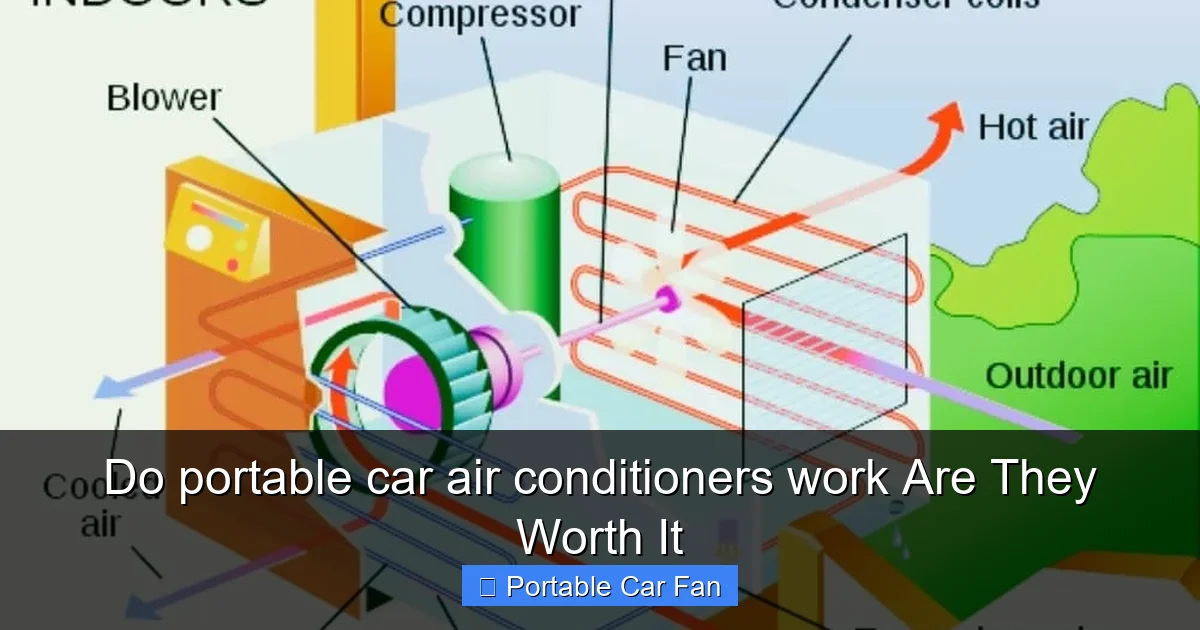
These units have a compressor, condenser, and evaporator. They work like a small home AC. A refrigerant circulates. Heat moves from inside the car to the outside. These units cool well for their size. They need a way to vent hot air out of the car. They also need power from the car battery or an inverter.
Evaporative coolers (swamp coolers)
Evaporative models add moisture to the air. They use a fan and wet pads. Air passes through the pads and cools as water evaporates. These units use less power. They work best in dry climates. In humid areas, they give little cooling. They also increase humidity inside the car.
Types of portable car air conditioners
Knowing types helps you pick the right one. Here are common styles.
Visual guide about Do portable car air conditioners work Are They Worth It
Image source: cielowigle.com
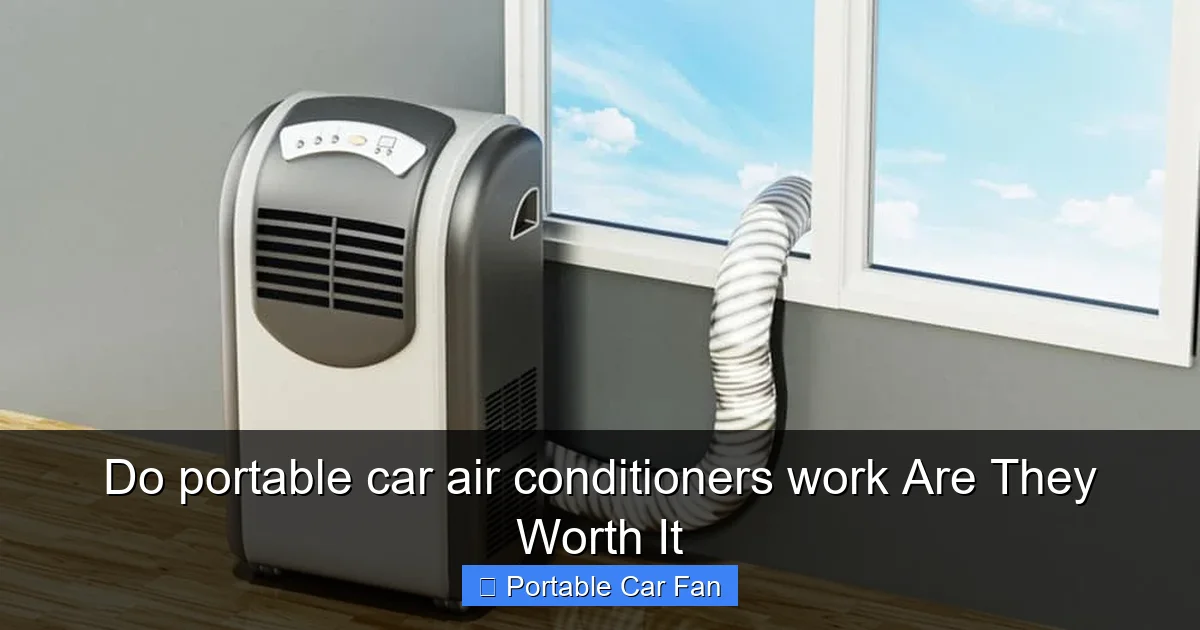
- Window/vent units: Small boxes that sit on a window or in a hatch. They vent heat outside through a hose or a port.
- USB-powered fans with cooling: Very small. They provide limited cooling. They are best for direct personal cooling.
- 12V plug-in units: Designed for car sockets. They are easy to install but have limited output.
- Battery-operated units: Good for short use or when the car is off. Run time is limited by battery capacity.
- Rechargeable evaporative coolers: Lightweight and quiet. Best in dry heat and for short distances.
Step 1: Decide what you need
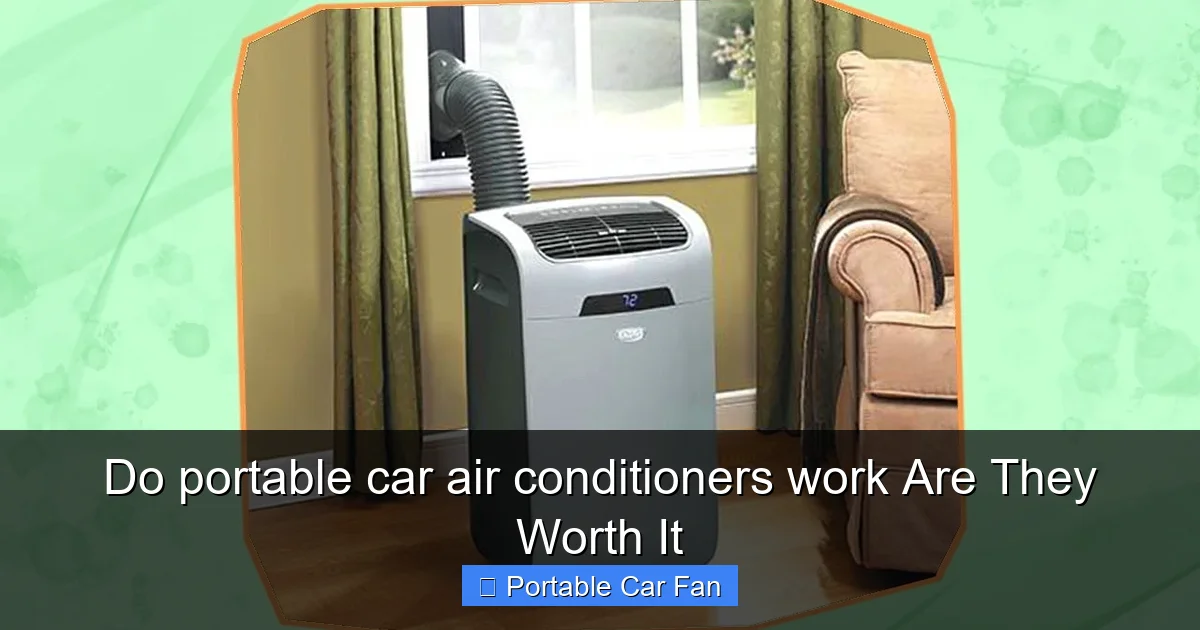
Start by thinking about your use case. Ask simple questions. How big is your car? Where will you use the unit? How long do you need it to run? These answers guide every choice.
Visual guide about Do portable car air conditioners work Are They Worth It
Image source: homesthetics.net
Measure your space
Measure the interior volume. Small cars need less cooling. Trucks and vans need more. Most portable car air conditioners list the space they can cool. Match that to your volume.
Choose the primary use
Do you want to cool the whole cabin? Or just your seat area? For whole cabin cooling, pick stronger refrigeration models. For personal cooling, a small fan or USB model may be enough.
Step 2: Choose the right model
Picking the correct model avoids buyer remorse. Check specs, reviews, and power needs. Look for realistic claims. Avoid models that promise miracle cooling without heat exhaust.
Visual guide about Do portable car air conditioners work Are They Worth It
Image source: thedailythrive.org
Check cooling capacity
Manufacturers sometimes list BTU or cubic feet covered. Higher BTU equals more cooling. But real-world performance varies. Read user reviews from car owners for realistic expectations.
Power requirements
Confirm how the unit draws power. Some use the 12V socket. Others need a true AC outlet and an inverter. Make sure your car’s alternator and battery can handle the load. For heavy units, consider running the engine while using them.
Ventilation and exhaust
Most refrigeration units put hot air outside via hose or vent. Check how the unit vents. A good seal where the hose leaves the cabin matters. Poor venting reduces cooling and raises cabin heat.
Noise level
Check decibel ratings. Cooling units can be noisy. If you drive long trips, noise matters. Look for quiet fans if you talk or sleep in your vehicle.
Step 3: Install the portable car air conditioner
Installation is often simple. Follow the manual. Here are general steps.
Prepare the car
Park on level ground. Turn off the car and set the parking brake. Clean the area where you will place the unit. Remove loose items that block airflow.
Place the unit
Set the unit where it has space for airflow. Keep it close to a power source. If it uses a vent hose, place it near a window or hatch.
Vent the hot air out
Most units include a vent hose. Route the hose out through a window or hatch. Use foam seals or window adapters included with the unit. Seal gaps to keep hot air out and cool air in.
Connect power
Plug into the 12V socket or use an inverter. For large units, plug into a true AC outlet via an inverter. If using an inverter, choose one with enough continuous wattage. Start the engine if the unit draws more than the battery can supply.
Turn on and test
Start the unit and let it run for 10-15 minutes. Feel the air at various vents. Check the temperature change. Adjust fan speed and coolant settings if present.
Step 4: Use the unit effectively
How you use the portable car air conditioner changes results. Follow these tips for best cooling.
Pre-cool your car
Open doors and windows for a minute before starting. This removes hot trapped air. Then close windows and run the portable unit. Cooling happens faster with a pre-cool step.
Seal leaks
Close gaps around doors and windows. Use foam adapters to seal the vent hose. A tight cabin keeps the cool air inside.
Set fan and mode
Use higher fan speeds to move more air. For refrigeration models, set the lowest temp if you want fast cooling. For evaporative models, keep water full for max effect.
Run with the engine when needed
If the unit draws a lot of power, run the engine to avoid draining the battery. This is common for compressor-based portable car air conditioners. Monitor battery voltage if you use it while the engine is off.
Step 5: Maintain your portable car air conditioner
Basic maintenance keeps the unit working well. It also extends life. Do these tasks regularly.
Clean filters
Check and clean air filters monthly. Clogged filters reduce airflow and efficiency. Replace disposable filters when recommended.
Drain water
Evaporative and some refrigeration units collect water. Empty the tray or reservoir regularly. For long trips, check water levels often.
Inspect hoses and seals
Look for cracks or loose fittings. Replace cracked hoses. Reseal window adapters if they wear out. Small leaks reduce cooling dramatically.
Service refrigerant units
If a refrigerant-based unit loses cooling, it may need a recharge or repair. Take it to a professional if you suspect a leak. Do not try to add refrigerant unless you know the correct type and procedure.
Practical tips and examples
Here are real tips from owners and examples that work well in daily life.
- Example 1: A commuter with a small hatchback used a 12V refrigeration unit. It lowered seat temps 10-12°F in 15 minutes. The key was sealing the hatch and running at high fan speed.
- Example 2: A van owner used an evaporative cooler in the desert. It worked well for two people up front. In the rear, it was less effective due to larger volume.
- Tip: Combine shade and a portable unit. Park in shade, use sunshades, then run the unit. The unit works faster in a cooler starting cabin.
- Tip: For sleeping in a vehicle, choose a quiet unit and use a battery with an inverter designed for continuous power.
Troubleshooting common problems
Here are common issues and how to fix them quickly.
No cooling or weak cooling
- Check if the unit is venting hot air outside. If not, re-route the hose and seal gaps.
- Clean or replace filters. Dirty filters block air flow.
- Make sure water tanks (evaporative) are full.
- For refrigerant units, low refrigerant or compressor failure may be the cause. Seek professional service.
Unit won’t power on
- Check the fuse and the car socket. Replace blown fuses.
- Try another socket or use a test device to confirm the outlet works.
- Ensure the inverter, if used, has proper capacity and is turned on.
Excessive noise
- Lower fan settings if noise is too high.
- Place the unit on a soft mat to reduce vibration.
- Check for loose panels or screws and tighten them.
Water leakage
- Empty the condensation tray. Reposition the unit to keep the drain port above floor level.
- Check seals and hoses. Replace cracked parts.
Pros and cons at a glance
Weighing pros and cons helps you decide if a portable car air conditioner is right for you.
- Pros: Easy to install. Portable across vehicles. Lower upfront cost than fixed retrofits. Good for short-term or occasional cooling.
- Cons: Limited cooling power compared to factory A/C. Use more battery or engine power. Need space for vents. Can be noisy and require maintenance.
Are portable car air conditioners worth it?
Short answer: sometimes. They are worth it when needs match strengths. They are not a full replacement for factory systems.
If you drive a small car and need extra cooling occasionally, a portable car air conditioner can be worth it. If you camp, run errands, or sit in traffic, a portable unit helps. If you need sustained, whole-cabin cooling in a large vehicle, a portable unit will struggle. In that case, a professional A/C service or upgrade is a better choice.
Cost matters. A good portable car air conditioner costs anywhere from modest to high. Low-cost units may underperform. Investing in a well-reviewed unit pays off. Read user reviews from drivers who used the unit in cars similar to yours.
Environment and safety notes
Using a portable car air conditioner impacts fuel and battery use. Compressor models draw power. Running the engine for long periods increases fuel use and emissions. Evaporative coolers use water and raise humidity. Consider these trade-offs.
Safety tip: Never block driver visibility with hoses or units. Keep units secure to avoid movement during sudden stops. Do not leave running in closed spaces without proper ventilation.
Final checklist before buying
- Match cooling capacity to your car size.
- Confirm power source and draw.
- Check venting needs and seals.
- Read multiple reviews and watch video tests.
- Consider warranty and parts availability.
Conclusion
Portable car air conditioners work but with limits. They can cool small spaces and provide relief. They need proper venting, power, and a good seal to perform well. For some drivers, they are worth the cost. For others, they are only a short-term fix. Use the steps in this guide to choose, install, and get the most out of your portable car air conditioner. Follow maintenance tips to keep it running. Test it in your car before long trips. Then decide if the comfort gains are worth the trade-offs.
🎥 Related Video: Is a Portable AC worth it?
📺 The Grapevine
Best portable AC in India.
