

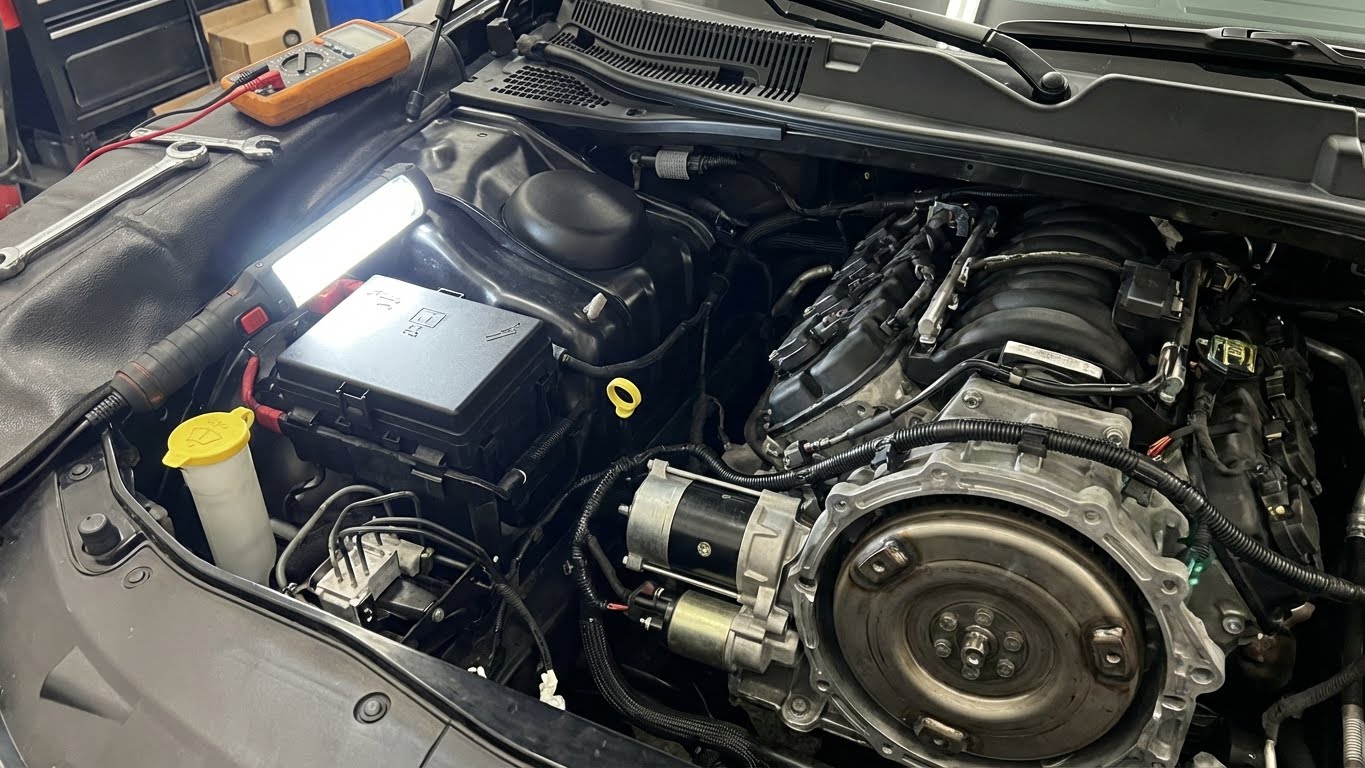
A clicking noise when trying to start a Dodge Charger usually points to a problem with the vehicle’s electrical or starting system. The most common cause is a weak or dead battery, which can produce enough power to make the starter click but not enough to turn the engine over. This issue can happen because of a battery that has lost charge, corroded terminals, or loose connections.
Sometimes, the problem may also involve the starter motor, starter relay, or wiring that connects these components. These parts can fail or become damaged, preventing the engine from starting even though there is an audible clicking sound. Understanding these causes helps drivers know what to check or when to get professional help.
Knowing how to identify the source of the clicking noise and take the appropriate steps can save time and money. This guide will explain the likely reasons behind the clicking sound and offer clear advice on diagnosing and fixing the problem.
Key Takeways
- A weak battery is the main cause of a clicking noise when starting.
- Starter motor and electrical connections also affect starting issues.
- Proper diagnosis is key to solving the no-start clicking problem.
Contents
Common Causes of Dodge Charger Clicking Noise When Starting
A clicking noise when trying to start a Dodge Charger usually points to electrical issues. These problems often involve the battery, starter, or connections that deliver power. Each part plays a key role in getting the engine to turn over.
Weak or Dead Battery
A weak or dead battery is the most frequent cause of a clicking noise during startup. The clicking sound happens because the battery has enough power to make the solenoid click but not enough to crank the engine. This often occurs when the battery is old or has been drained by leaving lights or electronics on.
Testing the battery’s voltage and checking its age are important first steps. Cleaning battery terminals and charging or replacing the battery can resolve the issue. A fully charged battery should read about 12.6 volts at rest.
Faulty Starter Motor
The starter motor is responsible for turning over the engine when the key is turned. If it fails, the car won’t start but may produce a clicking noise as the solenoid tries to engage. This can happen if the starter motor’s internal parts wear out or if it gets stuck.
Signs of a bad starter include intermittent clicking or no sound at all. Replacing the starter motor or repairing its internal components usually fixes the problem. Testing the wiring to the starter can help rule out connection issues before replacement.
Corroded or Loose Battery Terminals
Corrosion or loose connections at the battery terminals can block electrical flow and cause a clicking sound during startup. Corrosion appears as a white or greenish buildup on the terminals and can increase resistance, lowering voltage delivery to the starter.
Tightening the battery terminals and cleaning off corrosion with a wire brush can restore a good electrical connection. This is a quick and easy fix that often resolves the clicking noise without needing to replace parts.
Bad Starter Relay
The starter relay passes electrical current from the battery to the starter motor. If the relay fails, the solenoid may click without the engine starting. Relay failure can be caused by worn contacts or internal shorts.
Testing the relay with a multimeter or swapping it with a known good relay can identify this issue. Replacing a bad starter relay is usually inexpensive and straightforward. Proper relay function is essential for smooth engine startup.
Diagnosing the Problem
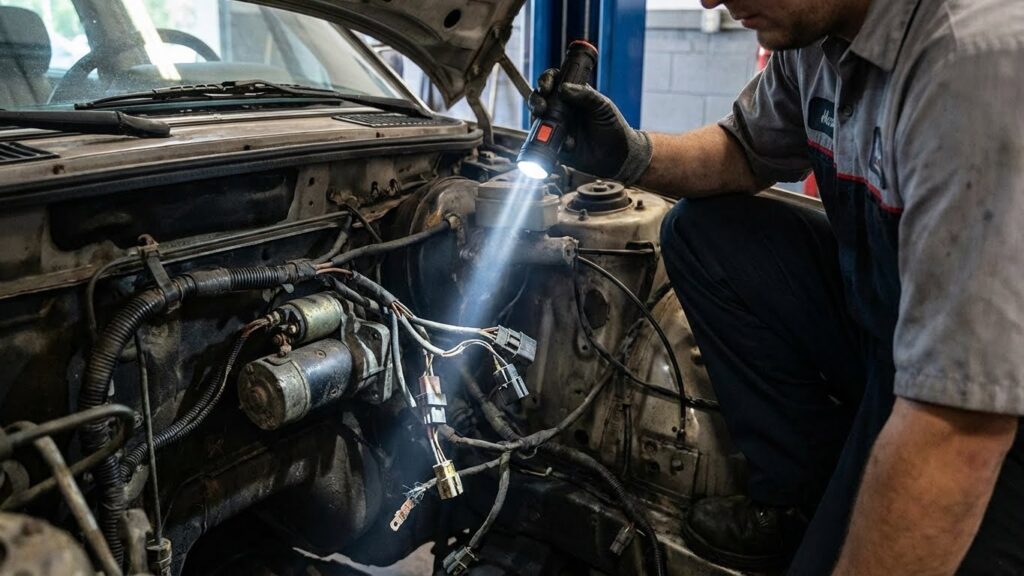
When a Dodge Charger makes a clicking noise but won’t start, the issue often lies in the battery or starter system. It’s important to inspect battery cables, test battery voltage, and check starter connections carefully. These steps help pinpoint common faults like weak power supply or poor electrical contact.
Visual Inspection of Battery Cables
Start by looking at the battery cables for any signs of damage. Corrosion, frayed wires, or loose clamps can block electrical flow. Check both the positive (red) and negative (black) cables carefully.
If corrosion is present, it appears as a white or blue powder around the terminals. This reduces the battery’s ability to send power. Tighten loose clamps and clean any corrosion with a baking soda solution and a wire brush. Damaged cables should be replaced.
Examining the cables is quick and reveals if electrical connection issues are causing the clicking sound.
Testing Battery Voltage
A weak battery is the most common cause of clicking noises during startup. Use a multimeter to test the voltage. A fully charged 12-volt battery should read around 12.6 volts or higher.
If the reading is below 12.4 volts, the battery may be weak or discharged. Below 12 volts usually means the battery can’t supply enough power to start the engine.
Voltage tests should be done with the car off. For a more complete check, test voltage while turning the key to the start position. If voltage drops significantly, the battery may need replacement or charging.
Checking Starter Connections
The starter motor needs a solid electrical connection to work correctly. Inspect the wiring harness and connector attached to the starter for loose pins, corrosion, or broken wires.
A clicking noise often indicates that the starter solenoid is receiving power, but the motor itself isn’t turning due to poor connection or failure.
Ensure the starter relay is functioning and connections at the starter are tight. If all connections are sound, the starter motor or solenoid may be faulty and require testing or replacement.
Electrical System Issues
Electrical problems can cause a clicking noise when trying to start a Dodge Charger. These issues often involve parts that control the flow of power or signal to the starter system. Identifying which part is faulty helps narrow down the repair.
Failing Alternator
The alternator charges the battery while the engine runs. If it starts to fail, the battery may not get enough charge. This leads to low battery voltage, which can cause the starter to click but not turn the engine.
Signs of a bad alternator include a dimming dashboard light or a battery warning light on the dash. The car may also stall or have trouble keeping power to accessories. Testing the alternator output with a voltmeter can confirm if it is working properly.
Blown Fuses
Fuses protect electrical circuits in the car. A blown fuse in the starter or ignition circuit can disrupt power flow, resulting in the clicking sound but no engine start.
The fuse box should be checked for any blown fuses, especially those labeled for the starter, ignition, or engine control. Replacing a blown fuse is often a quick fix but the underlying cause of the blown fuse should be investigated to avoid repeat problems.
Key Fob or Ignition Switch Problems
Sometimes the issue is not in the engine but in how the car recognizes the start signal. A weak key fob battery can prevent the car’s security system from releasing the starter. This causes the clicking noise without starting.
In other cases, a faulty ignition switch can fail to send the proper electrical signal to the starter relay. Checking the key fob battery and testing the ignition switch can help rule these problems out. Replacing the key fob battery or ignition switch often restores normal starting function.
Engine and Mechanical Considerations
Clicking noises when starting a Dodge Charger can sometimes point to internal engine or mechanical problems. These issues often involve parts that affect how the engine turns over or engages.
Seized Engine Components
When engine parts like the pistons, valves, or bearings seize, they prevent the engine from rotating smoothly. This can cause a rapid clicking or ticking sound when trying to start the car. Seized components may result from lack of oil, overheating, or wear over time.
If the engine is seized, the starter motor struggles to turn the engine. This leads to repeated clicking because the starter solenoid repeatedly engages but cannot complete the crank cycle. It can damage the starter if the problem is not addressed quickly.
Repair usually requires a mechanic to inspect the engine closely. Sometimes, seized parts need replacing, or in severe cases, the entire engine might need rebuilding.
Damaged Flywheel Teeth
The flywheel is a large, toothed wheel attached to the engine’s crankshaft. The starter motor’s gear must engage these teeth to turn the engine over. If the teeth are damaged or missing, the starter gear cannot grip properly.
Damaged flywheel teeth often produce a clicking noise during starting because the starter motor spins but fails to catch and turn the engine. This issue is common when the starter makes a rapid series of clicks without the engine responding.
Fixing this requires removing the transmission to access the flywheel. The damaged flywheel teeth might need replacing or resurfacing. In some cases, replacing the flywheel is necessary for reliable starting.
How to Fix Clicking Noise When Starting Dodge Charger
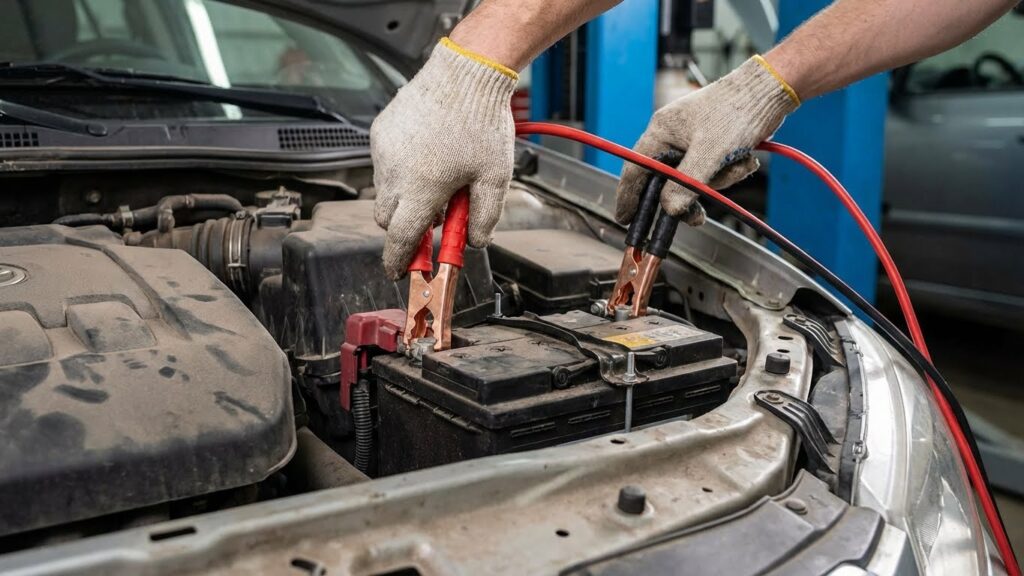
The clicking noise when starting a Dodge Charger often points to electrical or mechanical issues. Fixing it involves checking the battery, electrical connections, and sometimes replacing parts like the starter. Simple cleaning and jump-starting can also solve the problem in many cases.
Replacing Faulty Parts
If the clicking noise continues after testing the battery, the starter motor or starter relay may be faulty. The starter motor is responsible for turning the engine over, and when it fails, it can cause a clicking sound without starting the car.
Technicians recommend inspecting the wiring to the starter for damage or poor connections. If the wiring is fine, replacing the starter motor or relay often solves the issue. Using the exact replacement parts designed for the Dodge Charger model year is important for proper function.
Ignoring a faulty starter can worsen the problem, potentially leaving the vehicle stuck and unable to start.
Cleaning Battery Terminals
Corrosion on battery terminals is a common cause of clicking noises when starting a Dodge Charger. Corroded or loose terminals prevent proper electrical flow to the starter motor.
To fix this, disconnect the negative and positive battery cables. Use a wire brush or battery terminal cleaner to remove corrosion from both the terminals and cable ends. After cleaning, reconnect the cables tightly to ensure a secure connection.
Regular maintenance like this can prevent starting problems and extend battery life. Checking terminals every few months is a good practice to avoid electrical issues.
Jump Starting Procedures
A weak or dead battery is the most frequent cause of clicking noises on startup. Jump starting can quickly restore power and help determine if the battery is the problem.
To jump-start a Dodge Charger:
- Position a charged vehicle with working battery nearby.
- Connect positive (+) jumper cable to positive battery terminals on both cars.
- Connect negative (-) cable to the good battery’s negative terminal and the other end to a metal ground on the Charger’s engine block.
- Start the assisting vehicle and let it charge the Charger’s battery for a few minutes.
- Try starting the Dodge Charger.
If the vehicle starts, the battery likely needs a replacement or further testing. If it still clicks, the problem lies elsewhere. Always follow safety guidelines when jump starting to avoid damage or injury.
When to Seek Professional Help
If the clicking noise continues after replacing or charging the battery, it may be time to see a professional. Persistent clicking often points to issues beyond a weak battery, such as a faulty starter or electrical connection.
When the engine does not crank despite multiple attempts and the clicking sound remains, a mechanic should inspect the starter motor and wiring. Damage or wear in these parts can prevent the engine from starting properly.
Also, if there are additional warning lights on the dashboard or strange electrical behaviors, professional diagnostics are recommended. Electrical problems can be complex and require proper tools and knowledge to fix safely.
In cases where the clicking comes from under the dash or inside the engine bay rather than the starter area, it might be related to other components. A technician can pinpoint the exact cause using specialized equipment.
If the noise worsens or is accompanied by other symptoms like smoke, burning smell, or unusual vibrations, immediate professional attention is needed to avoid further damage.
| Signs to Seek Help | Possible Causes |
|---|---|
| Continuous clicking noise | Faulty starter, bad wiring |
| Engine does not crank | Dead starter, electrical failure |
| Warning lights on dashboard | Battery or electrical issues |
| Noise from inside dash or engine bay | Mechanical or electrical faults |
| Accompanied by smoke or burning smell | Serious engine or wiring problem |
Professional inspection can save time and money by diagnosing the real issue quickly and accurately.
Preventive Maintenance Tips
Regular maintenance helps avoid clicking noises when starting a Dodge Charger. The battery is a key component to check often. Keeping the battery terminals clean and free from corrosion ensures a good electrical connection.
It is important to inspect the battery’s charge level frequently. A weak or dying battery often causes clicking sounds during startup. Using a multimeter or visiting a mechanic can help test the battery’s health.
Starter motor and wiring should also be examined. Loose or damaged wiring can lead to poor electrical flow, causing the starter not to engage properly. Tightening connections and replacing worn wires can prevent these issues.
Routine checks of the vehicle’s electrical system are recommended. This includes fuses and relays linked to the ignition and starting process. Replacing faulty parts avoids unexpected failures.
Below is a simple checklist for maintaining the starting system:
| Task | Frequency | Notes |
|---|---|---|
| Battery terminal cleaning | Every 3 months | Use a wire brush or terminal cleaner |
| Battery charge test | Twice a year | Test voltage and load |
| Starter wiring check | Every 6 months | Look for frays or loose ends |
| Fuse and relay check | Annually | Replace any defective parts |
Following these prevention steps reduces the chances of hearing clicking noises and facing starting problems.
FAQs
What causes a Dodge Charger to make a clicking noise when starting?
The most common cause is a weak or dead battery. The clicking sound usually means the starter solenoid is trying to engage but lacks enough power to start the engine. Corrosion on battery terminals or loose connections can also cause this issue.
Can a bad starter cause clicking but no start?
Yes. If the starter or starter relay is faulty, it might click without turning the engine over. It is important to check the starter and its wiring to rule out electrical issues.
Why does the clicking stop after several attempts to start?
Repeated attempts can drain the battery further, making the clicking noise weaker or disappear. It could also mean the solenoid is overheating and temporarily failing.
Is it safe to keep trying to start a car that only clicks?
No. Continuous attempts can damage the starter or battery. It’s best to diagnose the problem quickly and avoid excessive use of the ignition.
Where can you find more help on this issue?
Reliable resources like AutoZone’s Battery and Starter Guide offer detailed info. Additionally, the Car Care Council provides tips for diagnosing and maintaining vehicle electrical systems.
What should be checked first?
Start with the battery voltage and connections. If the battery is strong and connections are clean, then check the starter and related electrical parts.
Conclusion
A clicking noise when starting a Dodge Charger usually points to an issue with the electrical system. The most common cause is a weak or dead battery. If the battery does not have enough power, it can activate the solenoid, causing the clicking sound, but won’t turn the engine over.
Other possible causes include a faulty starter or poor electrical connections, such as corroded battery terminals or bad wiring. Sometimes, the starter relay might be the problem if the car clicks but doesn’t start.
To troubleshoot, check the battery first. Testing or charging the battery often solves the problem. If the battery is fine, inspect the starter and the wiring to it. Cleaning battery terminals and ensuring solid connections can also help.
Key points to remember:
- Weak battery → common cause
- Corroded terminals → can block power
- Faulty starter → might need replacement
- Starter relay or wiring → possible issues
Proper diagnosis is important to avoid unnecessary repairs. Starting with the simplest checks can save time and money before moving on to more complex parts like the starter.