

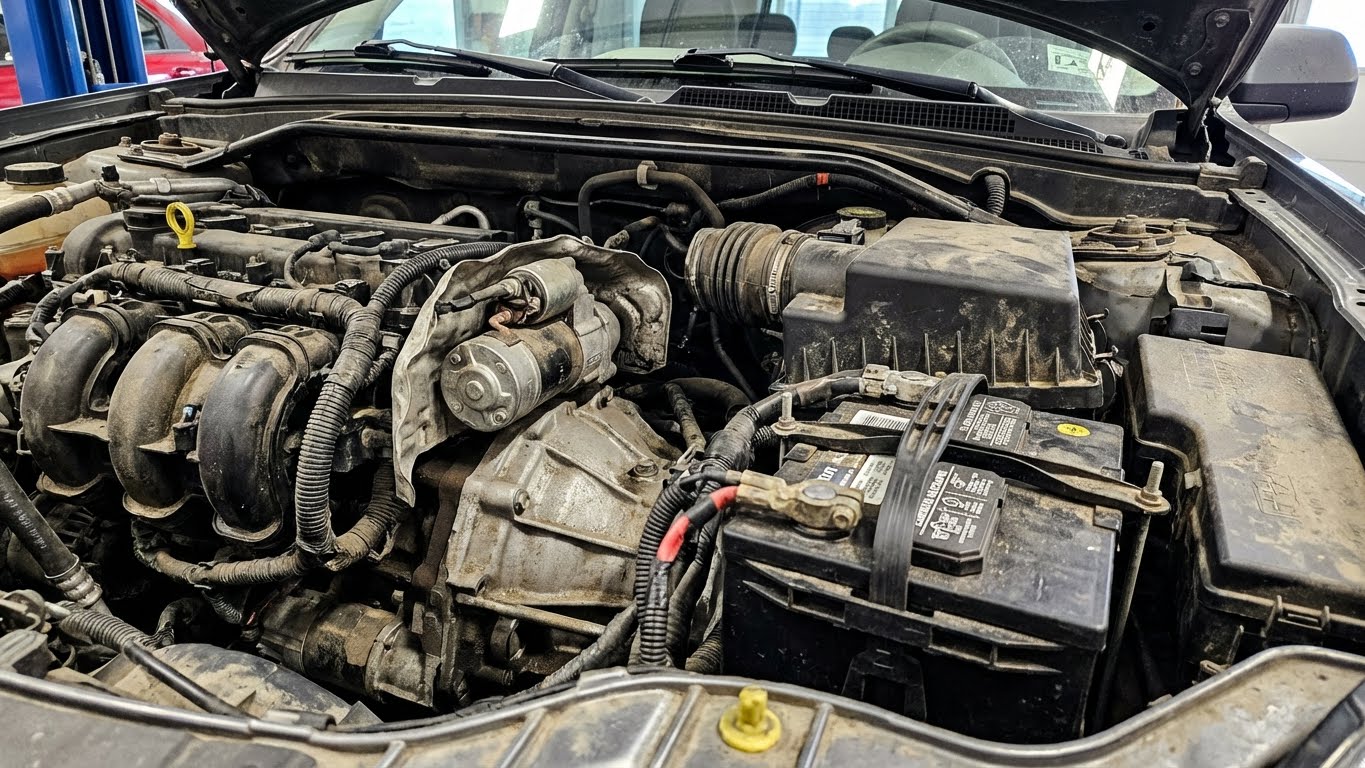
A clicking noise when starting a Ford Escape usually means the engine isn’t turning over properly. This often points to issues with the battery, electrical connections, or the starter system. Many owners experience this problem, and it can sometimes be fixed with simple steps like checking the battery charge or cleaning the terminals.
The cause can vary from a weak battery to a faulty starter motor or relay. It’s important to understand what the clicking sound means to avoid unnecessary repairs. Knowing how to diagnose and address these common issues can save time and money while keeping the vehicle reliable.
Learning the potential reasons behind the clicking noise helps drivers know when to try quick fixes or seek professional help. This guide will explain what to check first and what actions to take to get the Ford Escape starting smoothly again.
Key Takeaways
- A clicking sound often indicates an electrical or starter motor issue.
- Checking the battery and connections is a crucial first step.
- Proper diagnosis can prevent costly repairs and improve reliability.
Contents
- 1 Common Causes of Clicking Noise in Ford Escape
- 2 Diagnosing the Clicking Noise
- 3 Battery and Electrical System Concerns
- 4 Starter System and Relay Problems
- 5 Ignition and Fuel System Checks
- 6 Preventative Measures to Avoid Clicking Noises
- 7 When to Replace Parts in Ford Escape
- 8 Cost of Repairs and Professional Solutions
- 9 FAQs
- 10 Conclusion
Common Causes of Clicking Noise in Ford Escape
A clicking noise when starting a Ford Escape indicates that the engine is trying to turn over but cannot. This sound usually comes from electrical or mechanical parts that are either weak or failing.
Battery Issues
A weak or dead battery is the most frequent cause of clicking noises. When the battery lacks enough power, it cannot supply the starter motor with the required current. This leads to rapid clicking sounds as the starter relay repeatedly attempts to engage.
Corroded or loose battery terminals also cause poor electrical connection, which reduces current flow. Cleaning the terminals and tightening connections often fixes the problem.
Jump-starting the vehicle can confirm a battery issue. If the Escape starts with a jump, the battery or its connections are likely the root cause. Replacing the battery may be needed if it cannot hold a charge.
Starter Motor Problems
The starter motor itself may cause the clicking noise if it is failing. The motor requires a strong electrical connection to engage the flywheel and crank the engine.
Worn brushes inside the starter or a bad starter solenoid often cause intermittent or no engagement. This results in a solitary or repeated clicking sound without the engine turning over.
Faulty starter wiring or poor ground connections can also lead to this issue. Testing the starter motor with proper tools can identify if it needs repair or replacement.
Engine Component Malfunctions
Less commonly, clicking noises when starting point to engine parts like a stuck valve lifter or timing chain problems. These mechanical issues can prevent the engine from turning smoothly.
While these noises are usually different from electrical clicks, they might be mistaken for starter noise. If battery tests and starter repairs do not help, a mechanic should inspect engine components.
Some owner reports mention clicking sounds coming from the engine area related to worn parts or low oil pressure, which can affect engine start-up.
Diagnosing the Clicking Noise
To diagnose a clicking noise when starting a Ford Escape, attention to the sound’s timing and pattern is crucial. The process involves careful listening, checking key components, and knowing when to get expert help for accurate diagnosis and repair.
How to Listen for the Noise
The clicking noise usually happens when the key is turned to start the engine. It can be a single click or a rapid series of clicks. The sound often comes from under the hood, near the battery or starter motor.
Listening carefully helps pinpoint if the noise comes from the electrical system or mechanical parts. A quick clicking usually points to battery or starter issues. If the sound is intermittent or different when the car is in motion, it may involve other components like the drivetrain.
Using a second person or a recording device can help hear the sound more clearly. It’s important to listen in a quiet environment and note whether the clicking changes with attempts to restart the vehicle.
Step-by-Step Diagnostic Process
Start by checking the battery voltage and condition. Low battery power is a common cause of clicking without the engine turning over. Clean any corrosion on the battery terminals and ensure tight connections.
Next, test the starter motor and its wiring. A weak or failing starter can cause clicking noises. Inspect the starter relay and fuses for faults.
If the battery and starter check out, examine ground connections to make sure there is proper electrical flow. Also, check for any loose or damaged cables.
If these steps don’t fix the issue, a scan tool can help check for error codes that might identify electrical or engine problems.
| Diagnostic Step | What to Look For | Tools Needed |
|---|---|---|
| Battery Check | Voltage level, corrosion | Multimeter, brush |
| Starter & Wiring | Clicking noise, worn parts | Visual check, test light |
| Ground Connections | Loose or corroded terminals | Multimeter |
| Relay & Fuse | Blown fuses or faulty relay | Fuse tester |
When to Seek Professional Help
If the clicking persists after basic checks, or if the engine still won’t start, it is best to consult a mechanic. Complex electrical issues or a failing starter may require specialized diagnostic tools.
Professional technicians can pinpoint problems hidden from simple inspection. They can also safely test and replace parts like the starter motor, battery, or solenoid.
Additionally, if unusual noises occur during driving or turning, it may indicate drivetrain or suspension issues that need expert attention.
Seeking professional help early can prevent further damage and avoid costly repairs later.
Battery and Electrical System Concerns

Starting problems with a Ford Escape often link to issues in the battery and electrical system. Problems here can cause the clicking noise when the engine fails to crank. Attention to battery connections and power levels is critical for diagnosing the root cause.
Corroded or Loose Battery Terminals
Corrosion on battery terminals creates resistance that limits electrical flow to the starter. This resistance can cause the clicking noise as the starter relay struggles to engage the motor. Loose terminals have a similar effect, causing intermittent or weak electrical signals.
To check this, inspect the battery terminals for white or greenish deposits. Cleaning the terminals with a wire brush and applying a protective spray helps restore a strong connection. Tightening loose clamps will also improve contact. Faulty connections can mimic battery failure symptoms even if the battery itself is healthy. Proper terminal maintenance is an easy fix that often solves no-start issues linked to clicking noises.
Dead or Weak Battery
A dead or weak battery is the most common cause of clicking noises in the Ford Escape during startup attempts. If the battery lacks enough power, the starter motor receives insufficient current to turn the engine over. The relay clicks as it tries to engage but won’t succeed.
Signs of a weak battery include dim headlights, slow accessory functions, and a rapid clicking sound when turning the key. Jump-starting the vehicle often confirms this is the issue. Battery health can be tested with a voltmeter; a resting voltage below 12.4 volts indicates a weak battery. Regular charging or replacement is necessary to prevent no-start conditions caused by low battery power.
Starter System and Relay Problems
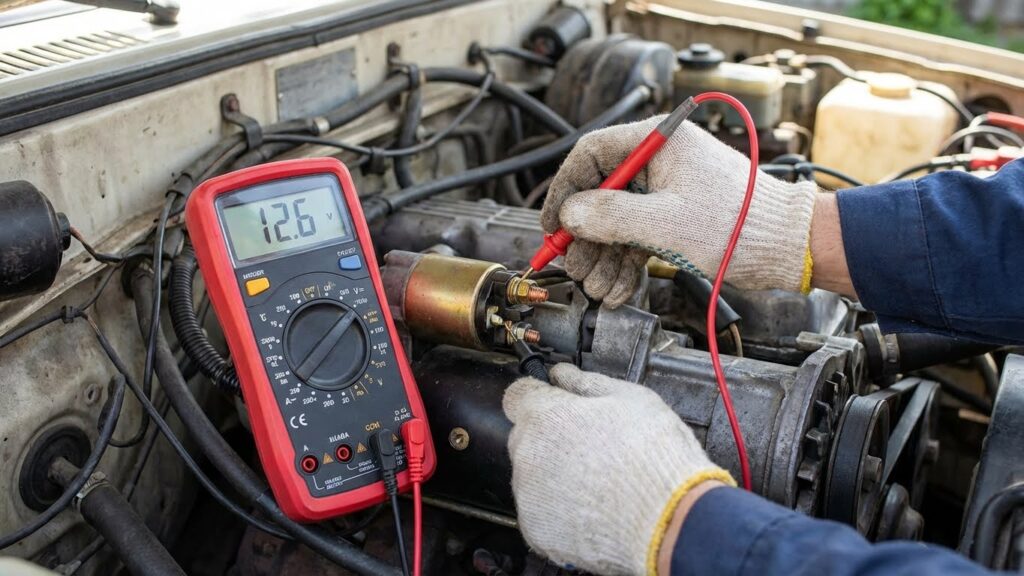
Issues in the starter system or its relay can cause the Ford Escape to click but not start. These components control the flow of electrical current needed to engage the engine. When they fail, the engine may not crank despite hearing a clicking noise.
Faulty Starter Relay
The starter relay acts as a switch, sending power from the battery to the starter motor when the ignition key is turned. If the relay is faulty, it may fail to complete this circuit. This can cause a clicking sound, as the relay tries but cannot send enough current.
Signs of a bad starter relay include repeated clicking noises without the engine turning over, or no noise at all when starting. Testing the relay involves checking for continuity with a multimeter or swapping it with a known good relay. Sometimes, relay failure is due to worn contacts or internal corrosion. Replacing the relay is generally straightforward and inexpensive.
Worn Starter Solenoid
The starter solenoid is an electromagnet mounted on the starter motor. Its job is to push the starter gear forward and connect the motor to the engine’s flywheel. When it wears out, the solenoid might click but fail to engage fully.
A worn solenoid can cause intermittent starts or a rapid clicking sound. It often results from electrical wear or mechanical binding inside the solenoid. Testing includes checking for voltage on the solenoid terminals when the key is turned. If the solenoid doesn’t engage, it may need cleaning or replacement.
Both the relay and solenoid are critical for starting. Problems in either part disrupt electric flow and prevent the engine from cranking properly.
Ignition and Fuel System Checks
When a Ford Escape makes a clicking noise but won’t start, the problem may lie in the ignition or the fuel system. Both systems must work correctly to ensure the engine cranks and runs smoothly.
Ignition Switch Failure
The ignition switch sends a signal to start the engine. If it fails, the signal may not reach the starter motor. This can cause a clicking noise when the key is turned but no engine crank. Signs of a bad ignition switch include dashboard lights that flicker, dim, or don’t come on at all.
A faulty ignition switch can also prevent power from reaching essential systems. Testing the switch requires checking for voltage at the starter relay when the key is turned. Repair or replacement may be needed if the switch is confirmed faulty.
Fuel Pump Issues
The fuel pump supplies fuel from the tank to the engine. If it fails, the engine may not start even if it cranks. A common sign of a bad fuel pump is the absence of a humming noise from the pump when turning the key to the “on” position.
Fuel pump failure can be tested by listening for this sound or using a fuel pressure gauge. If the pump doesn’t deliver fuel at the right pressure, the engine won’t start. Replacing a failed fuel pump usually fixes the issue.
Preventative Measures to Avoid Clicking Noises
Maintaining a Ford Escape to prevent clicking noises on startup involves specific checks and care. Paying attention to electrical system health and understanding early warning signs can help avoid problems before they start.
Routine Maintenance Tips
Regular battery checks are essential. The battery should be tested for voltage and inspected for corrosion on terminals, which can block electrical flow. Cleaning battery terminals with a wire brush and applying terminal protectant can reduce corrosion buildup.
It’s important to ensure all cables connecting the battery to the starter are tight and free of damage. Loose or worn cables can cause poor electrical connections, leading to clicking sounds when starting.
Inspecting the starter motor and its electrical connections should be part of periodic maintenance. If the starter shows signs of wear or slow response, professional diagnostic testing is recommended.
Signs to Watch For
Early signs of electrical problems include dimming dashboard lights or slower engine crank during startup. These subtle symptoms often appear before the clicking noise starts.
Repeated or rapid clicking sounds when turning the key indicate low battery voltage or a faulty starter relay. If these sounds occur, immediate action, like jump-starting or professional inspection, can prevent a complete failure.
Other signs include irregular noises while driving, like rattling or flapping, which could point to issues beyond the battery—such as failing CV joints—but monitoring these sounds helps with early diagnosis.
When to Replace Parts in Ford Escape
If the Ford Escape makes a clicking noise when starting, the first parts to check are the battery and the starter. A weak or dead battery often causes rapid clicking without the engine turning over. If jump-starting the battery works, it may be time to replace the battery soon.
The starter motor is another common cause of clicking noises. If the battery is good but the clicking continues, the starter might be failing. Signs to replace it include repeated clicking sounds, engine not cranking, or no response when turning the key.
Corroded or loose battery terminals can also cause clicking. Cleaning or tightening these connections might stop the noise. If corrosion is severe or cables are damaged, replacing cables is necessary.
In some cases, the CV joints might make a clicking noise, but this happens during turning, not at startup. Worn CV joints or axles should be replaced if the clicking occurs during driving.
| Part to Check | When to Replace | Common Signs |
|---|---|---|
| Battery | When it fails a load test or won’t hold charge | Clicking noise, no start |
| Starter Motor | If battery is good but clicking continues | Rapid clicking, no crank |
| Battery Terminals/Cables | When corroded or damaged | Intermittent clicking noise |
| CV Joints/Axles | When clicking occurs during turns | Clicking when steering |
Replacing these parts promptly helps avoid more serious issues and keeps the Escape reliable.
Cost of Repairs and Professional Solutions
The cost to fix a clicking noise when starting a Ford Escape varies depending on the cause and location. On average, an inspection for this issue costs about $95, mostly covering labor. Parts may not always be needed, but if they are, costs can increase.
If the problem is related to the electrical system or starter, a detailed noise diagnosis may range from $122 to $179. This helps pinpoint the exact cause, such as a weak battery, corroded terminals, or a failing starter motor.
Common repairs include:
- Replacing or charging the battery
- Cleaning or replacing battery terminals
- Repairing electrical connections
- Fixing or replacing the starter motor
Battery-related fixes are usually the least expensive. Starter motor repairs or replacements can cost more due to parts and labor.
Many owners try jump-starting the vehicle first. When this does not work, professional service is recommended to avoid further damage. Mechanics use specialized tools to test the battery, starter, and electrical wiring.
Here is a quick cost overview:
| Service | Estimated Cost |
|---|---|
| Inspection | ~$95 |
| Noise Diagnosis | $122 – $179 |
| Battery Replacement | $50 – $200 (varies) |
| Starter Motor Repair/Replace | $300 – $600 or more |
Professional help ensures proper diagnosis and repair, which reduces the risk of recurring problems.
FAQs
Why does my Ford Escape make a clicking noise but won’t start?
This is usually caused by a weak or dead battery. If the battery doesn’t have enough power, the starter motor won’t crank the engine, leading to a clicking sound. Corroded battery terminals or poor electrical connections can also cause this issue.
Can a bad starter cause the clicking sound?
Yes. A failing starter or faulty starter relay can create clicking noises when trying to start the car. The starter may not engage properly, so the engine won’t turn over. Checking the starter and its electrical connections can help diagnose this.
How can I fix the clicking noise on my Ford Escape?
Jump-starting the vehicle is a common first step. Cleaning battery terminals and ensuring cable connections are tight can improve electrical contact. If these do not fix the problem, a mechanic might need to inspect the starter or electrical system further.
Is it safe to keep trying to start the car if it clicks?
Repeated attempts can drain the battery or lead to further damage. It is best to check the battery voltage or seek professional help to avoid worsening the issue. More detailed diagnostic advice can be found on sites like AutoZone or CarTalk.
What other noises might indicate a starter problem?
Grinding noises or slow cranking are signs the starter is wearing out. Intermittent starting issues, where the car sometimes starts and sometimes doesn’t, also point to a possible starter or relay fault.
Conclusion
A clicking noise when starting a Ford Escape often points to electrical issues. The most frequent causes include a weak or dead battery, corroded battery terminals, or a poor connection to the starter. These problems can prevent the engine from cranking properly.
In some cases, the starter motor or relay may be faulty. This can cause repeated clicking sounds without the engine turning over. It is important to test the battery voltage and check all electrical connections before assuming the starter is the problem.
If the battery is low, jump-starting the vehicle can be a quick and effective way to get it started. Cleaning battery terminals and ensuring a good ground connection often solves the issue as well.
When simple fixes do not work, professional diagnosis is recommended. A mechanic can inspect the starter system and other components to find less obvious problems. Timely attention can prevent further damage to the vehicle’s electrical system.
Key steps to address clicking noise at startup:
| Step | Action | Purpose |
|---|---|---|
| 1. | Test battery voltage | Check if battery is weak |
| 2. | Clean battery terminals | Remove corrosion & improve connection |
| 3. | Inspect starter connections | Ensure proper electrical flow |
| 4. | Try jump-starting | Confirm if battery issue |
| 5. | Consult a mechanic | Diagnose starter or relay faults |
Following these steps helps identify and fix the cause of the clicking sound, allowing the Ford Escape to start reliably.