

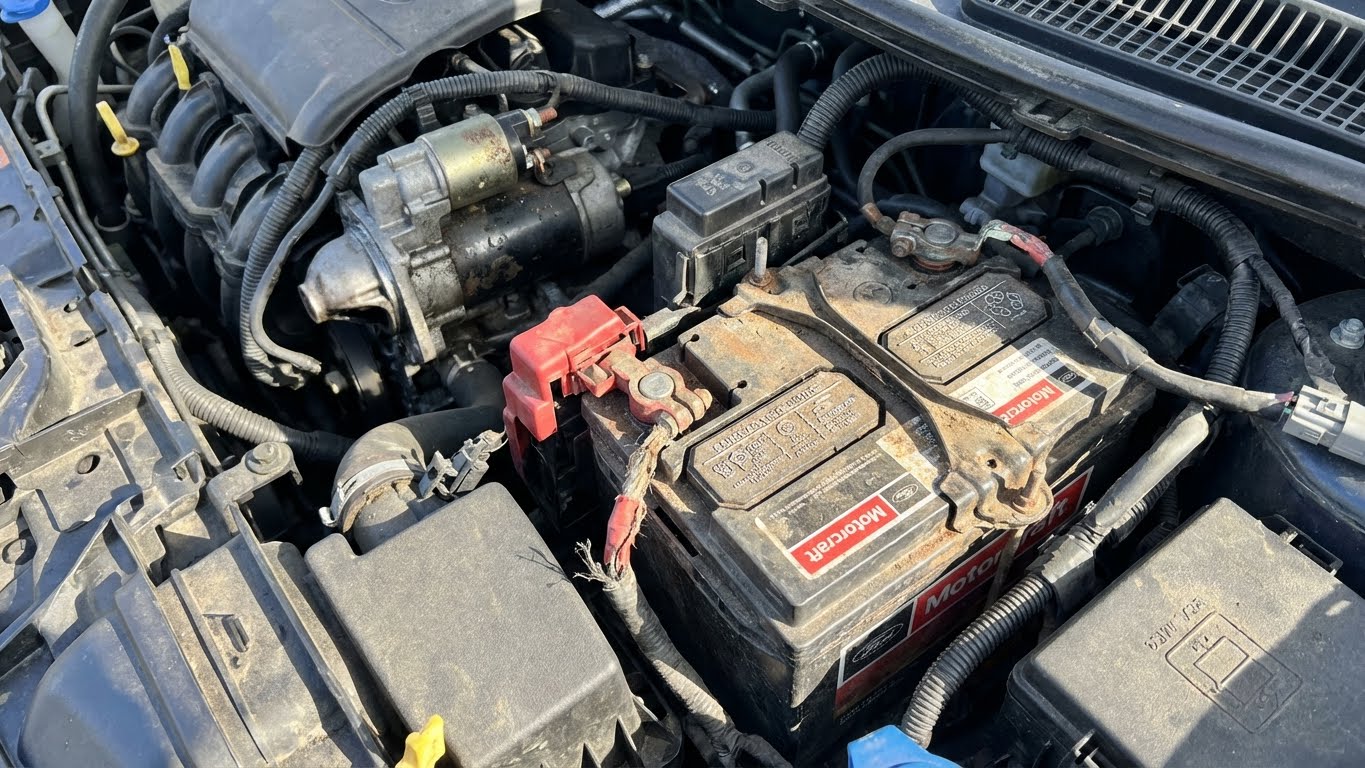
Many Ford Fiesta owners notice a clicking noise when they try to start their car. This sound usually means there is an issue with the electrical system, often related to the battery or starter motor. The most common cause of a clicking noise when starting a Ford Fiesta is a weak or dead battery, poor battery connections, or a failing starter motor.
Sometimes, the clicking comes from a faulty actuator inside the dash, but in most cases, the problem is linked to the engine’s starting system. Understanding what causes the sound and how to check it can help avoid more serious car troubles down the road.
This article will guide readers through the common reasons for this clicking noise and offer simple steps to diagnose and fix the issue. Knowing what to look for can save time and money on repairs.
Key Takeways
- Clicking noises often indicate battery or starter motor problems.
- Checking battery connections and electrical parts can help diagnose the issue.
- Some fixes are simple, but professional help might be needed for complex repairs.
Contents
- 1 Common Causes of Clicking Noise When Starting a Ford Fiesta
- 2 Diagnosing the Source of the Clicking Sound
- 3 How to Fix Battery-Related Clicking in Ford Fiesta
- 4 Addressing Starter Motor and Solenoid Problems
- 5 Other Possible Mechanical Issues
- 6 Preventive Maintenance Tips for Ford Fiesta
- 7 When to Seek Professional Assistance
- 8 Cost Considerations for Repairs
- 9 FAQs
- 10 Conclusion
Common Causes of Clicking Noise When Starting a Ford Fiesta
A clicking noise when starting a Ford Fiesta often points to specific electrical or mechanical problems. The issue usually involves the battery, starter motor, solenoid, or ignition switch. Each part plays a critical role in the starting process and can cause the clicking sound when malfunctioning.
Battery Issues
A weak or dead battery is the most frequent cause of clicking noises in a Ford Fiesta during startup. When the battery cannot deliver enough power, the starter motor fails to engage fully, producing a repeated clicking sound.
Battery terminals can also corrode, which reduces the electrical flow needed to start the engine. In cold weather, battery performance tends to drop, leading to similar symptoms. Simple checks like cleaning battery terminals and measuring the voltage can help diagnose battery problems.
Jump-starting the vehicle often confirms if the battery is the cause. If the car starts with a jump but not on its own, the battery likely needs charging or replacing.
Starter Motor Failure
The starter motor is responsible for turning the engine over. If it is failing, the motor may produce a clicking noise without spinning the engine.
This problem can occur due to worn brushes, damaged gears, or electrical issues inside the motor. A faulty starter motor often requires a professional inspection.
If the clicking sound happens but the engine does not turn over, the starter motor is a potential culprit. Testing the motor for power and resistance helps identify faults.
Faulty Solenoid
The solenoid acts as a switch that sends power from the battery to the starter motor. If it malfunctions, the power flow gets interrupted, causing a clicking noise when the ignition key is turned.
A bad solenoid may create a single click or rapid clicking sounds, depending on the fault. Loose connections or corrosion around the solenoid terminals can also cause problems.
Replacing or repairing the solenoid usually restores normal operation. Checking the wiring and terminals for tightness and cleanliness is important.
Worn Ignition Switch
The ignition switch controls the electrical current to the starter system. When it wears out or develops internal faults, it may fail to send consistent power, causing the clicking sound.
Symptoms include intermittent starting problems and inconsistent clicks. Sometimes the switch may work fine but fail after several attempts.
Testing the ignition switch with a multimeter verifies if it delivers current when turned. Repair or replacement of the switch resolves this issue.
Diagnosing the Source of the Clicking Sound
Identifying why a Ford Fiesta makes a clicking noise when starting requires careful listening, inspecting the engine bay, and checking electrical parts. Each step helps pinpoint whether the issue is with the battery, starter, or electrical connections.
Listening for Specific Clicking Patterns
The clicking noise often comes from the starter solenoid trying to engage but not having enough power to turn the engine. A single or rapid clicking sound usually means the battery charge is too low. If the clicks are slow and spaced out, it might indicate a problem with the starter motor itself.
Pay close attention to whether the clicks happen once, multiple times, or continuously. Multiple clicks generally signal a weak battery or poor connection. A steady click without engine turnover points to the solenoid trying to connect the battery to the starter. Recognizing these patterns helps narrow down the cause quickly.
Visual Inspection of Engine Bay
Examining the engine bay can reveal physical signs of the problem. Start by checking the battery terminals for corrosion, dirt, or loose connections. Corroded terminals block electrical flow, reducing power to the starter. Look for damaged or frayed cables linking the battery to the starter motor.
Also, inspect the starter motor area for loose bolts or worn components. Sometimes the ground connection is dirty or loose, causing weak electrical flow. Any visible damage, corrosion, or loose parts should be cleaned or tightened before further testing.
Testing Electrical Connections
Testing the electrical system requires measuring battery voltage and connection quality. A fully charged battery should read about 12.6 volts when the car is off. When trying to start, voltage drops below 10 volts often cause clicking without starter action.
Use a multimeter to check voltage at battery terminals and starter motor connections. Confirm wires and terminals have solid contact and no resistance. If voltage is good but clicking persists, the starter or solenoid may be faulty. Testing connections ensures the power flow is strong enough to start the engine.
How to Fix Battery-Related Clicking in Ford Fiesta
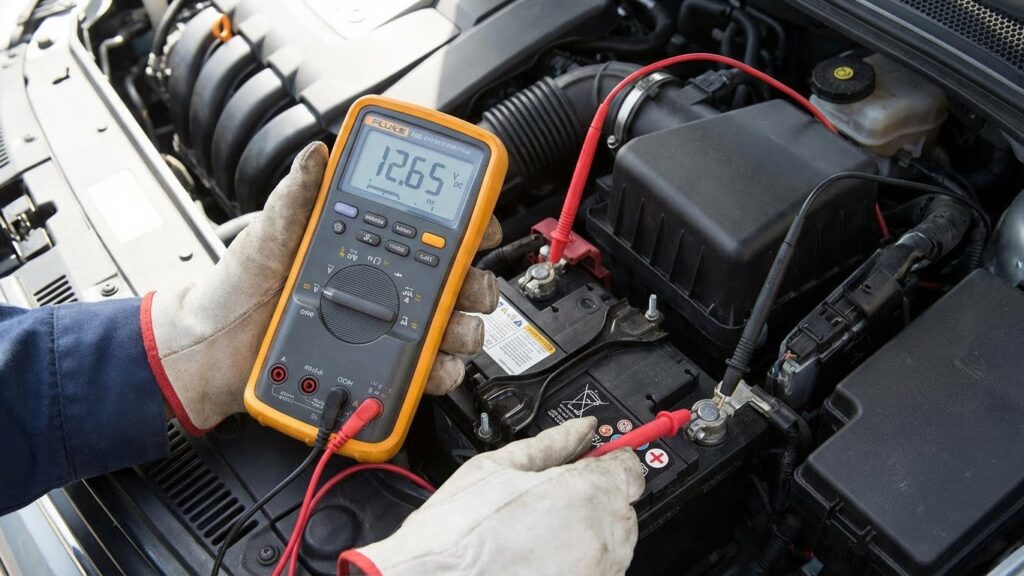
Battery issues often cause the clicking noise when starting a Ford Fiesta. Cleaning connections, replacing the battery if needed, and securing cables are key steps to fix this problem.
Checking for Corroded Terminals
Corroded battery terminals can block electrical flow and cause clicking noises when the car tries to start. The corrosion looks like a white or greenish powder around the terminals.
To fix this, disconnect the battery cables in the order of negative first, then positive. Use a mixture of baking soda and water with a brush or cloth to clean the corrosion off the terminals and cable clamps. After cleaning, rinse with water and dry everything well.
Make sure the terminals are tight and secure when reconnecting. Loose or dirty connections can prevent the battery from delivering enough power.
Replacing a Dead Battery
A dead or severely weakened battery is the most common cause of clicking without the engine starting. Batteries lose charge over time and in cold weather.
First, test the battery voltage with a multimeter. A healthy battery should show about 12.6 volts or higher when the engine is off. Anything below 12 volts means the battery is weak or dead.
If the battery fails the test, replacing it is necessary. Choose a replacement battery that matches the Fiesta’s specifications for size and power rating. After installation, fully charge the new battery before starting the car.
Ensuring Proper Battery Cables
Battery cables must be in good condition and properly connected to deliver power to the starter. Old or damaged cables cause resistance, leading to clicking sounds.
Inspect the cables for cracks, frays, or rust. Replace cables that are damaged or worn out. When reconnecting, attach the positive cable first, then the negative.
Tighten the cable clamps securely. Loose connections should be avoided, as they reduce electrical flow. Proper cable maintenance helps the Fiesta start smoothly without clicking noises.
Addressing Starter Motor and Solenoid Problems
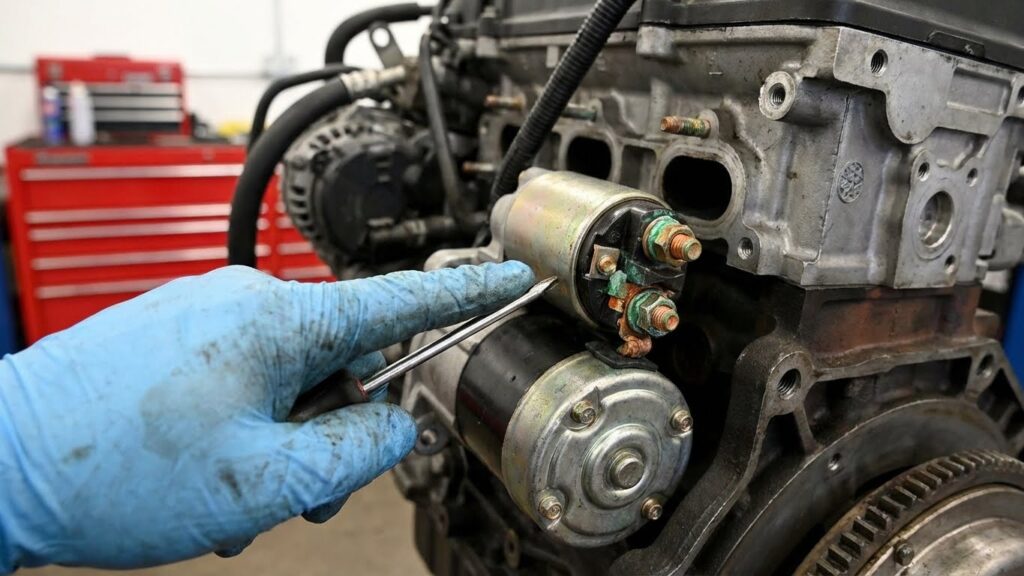
The clicking sound when starting a Ford Fiesta often points to issues with the starter motor or solenoid. These parts work together to engage the engine, but when they fail, the vehicle won’t crank properly. Checking and fixing these components can restore normal operation.
Identifying a Faulty Starter Motor
A faulty starter motor will cause the engine not to turn over despite hearing clicks. One sign is when the starter motor does not spin at all after the key is turned. Sometimes, the motor may work intermittently or make grinding noises.
To identify a bad starter motor, listen carefully for unusual sounds such as whining or grinding. Also, check if the vehicle’s electrical system seems normal otherwise. Another test is to tap the starter lightly with a tool; if it starts working temporarily, the motor is likely failing.
Testing the Starter Solenoid
The starter solenoid acts as a switch that controls the flow of power from the battery to the starter motor. When it clicks but does not send power, the engine won’t crank.
Testing the solenoid involves checking for power at its terminals using a multimeter. If there is power from the battery but none at the motor side, the solenoid may be faulty. Another test is to listen for the solenoid click when turning the key. A lack of click indicates an electrical problem with the solenoid or its connections.
Replacing Starter Components
If either the starter motor or solenoid is defective, replacement is often necessary. Both parts are available separately or as a combined unit.
Before replacement, inspect wiring, battery condition, and connections to avoid unnecessary part changes. When replacing, ensure the vehicle is off, and disconnect the battery. Follow manufacturer instructions for removing and installing the new starter or solenoid. Proper installation reduces the risk of future problems and ensures reliable starting.
Other Possible Mechanical Issues
A clicking noise when starting can point to mechanical problems beyond the battery or starter. These issues often affect how power flows through the car’s systems or the engine’s ability to turn over properly. Identifying these problems early can prevent further damage.
Faulty Alternator
The alternator charges the battery and powers the electrical system when the engine runs. If it fails, the battery may not hold enough charge to start the car, causing a clicking noise when trying to start. A faulty alternator might also cause dim dashboard lights or electrical accessories that don’t work properly.
Symptoms include:
- Battery warning light on the dashboard
- Weak or dead battery despite charging
- Strange whining noises when the engine is running
A mechanic can test the alternator’s output with a multimeter. Replacing a bad alternator is often needed to restore reliable starting and electrical function.
Damaged Flywheel
The flywheel connects the engine to the starter motor. It has teeth that the starter gear engages with to spin the engine. If the flywheel teeth are worn or broken, the starter may click without turning the engine over.
Signs of a damaged flywheel include:
- Repeated clicking but no engine turn
- Grinding noises during starting attempts
- Difficulty shifting gears or unusual vibrations
This issue usually requires professional repair or flywheel replacement. Driving with a damaged flywheel risks more severe engine and starter damage.
Loose Engine Components
Certain loose or worn engine parts can cause unusual clicking noises during startup. Components such as belts, pulleys, or mounts can create sounds if they are not properly secured or have begun to fail.
Common causes are:
- Loose or damaged serpentine belt
- Worn pulley bearings
- Engine mounts that no longer hold the engine firmly
These parts affect engine smoothness and could lead to clicking noises when starting. A visual inspection and tightening or parts replacement often resolves the problem.
Preventive Maintenance Tips for Ford Fiesta
Keeping the Ford Fiesta free from clicking noises when starting involves routine care of key parts. Battery health, electrical connections, and engine condition play important roles in preventing start-up problems.
Regular Battery Checks
The battery is often the main cause of clicking sounds during startup. It should be checked often for voltage levels and general condition. A weak or old battery can fail to provide enough power to start the engine.
Battery terminals must be clean and free from corrosion. Corroded terminals block electrical flow, causing weak starts or clicks. Use a wire brush to clean the terminals and apply a terminal protector to reduce corrosion build-up.
Checking battery health can be done with a multimeter. It should read around 12.6 volts when the car is off. If below 12 volts, the battery may need charging or replacement. Testing the battery load under start-up conditions is also useful.
Inspecting Electrical Systems
Electrical issues beyond the battery can cause clicking at startup. Starter motor connections and ground wires should be tight and secure.
Corroded or loose wiring in the starter system reduces current flow and causes the solenoid to click repeatedly. Inspect wiring for fraying, corrosion, or loose connectors. Clean and tighten connections as needed.
A faulty starter solenoid can also cause clicking noises. It is responsible for engaging the starter motor. Testing or replacing the solenoid may be necessary if all wiring checks out.
Electrical fuses related to the starting system should be inspected. A blown fuse can disrupt power to critical components.
Proper Engine Servicing
Regular engine servicing helps avoid complications that can affect starting. Spark plugs should be checked and replaced if worn. Faulty plugs can prevent the engine from firing up smoothly.
Fuel delivery components must be maintained. The fuel pump, fuel filter, and injectors need cleaning or replacement if clogged. Restricted fuel flow can cause hard starts or clicking noises.
Air filters should be replaced when dirty. A clogged air filter limits air supply to the engine, affecting combustion. This can put extra strain on the starter.
Routine oil changes and engine tune-ups ensure all systems function well together, reducing the chance of start-up problems.
When to Seek Professional Assistance
If the clicking noise continues after trying simple fixes like jump-starting or cleaning the battery terminals, it may be time to consult a professional. Persistent clicking can indicate deeper issues that require diagnostic tools and expertise.
Signs to watch for:
- Repeated clicking with no engine crank
- Dashboard warning lights blinking or staying on
- Inconsistent starting or the car sometimes refusing to start
- Visual signs of corrosion or loose wiring that do not improve with cleaning
A mechanic can test the battery strength, starter motor function, and electrical connections. They can also check for problems with the immobilizer system, which might cause starting issues in some Ford Fiesta models.
Attempting complex repairs without proper knowledge can lead to more damage or safety risks. Professionals have the right tools and experience to accurately pinpoint the problem and offer reliable fixes.
For example, a weak starter relay or a faulty ground connection may not be obvious but can stop the car from starting. A trained technician can inspect these components and replace them if needed.
When the clicking noise accompanies other symptoms like engine stalling or frequent battery drain, professional help is especially important. Timely intervention can prevent costly repairs later.
Cost Considerations for Repairs
When a Ford Fiesta makes a clicking noise on startup, the repair costs can vary. The issue often involves the battery, starter motor, or electrical connections. Diagnosing the problem usually costs between $120 and $180.
Battery-related repairs tend to be the least expensive. A weak or dead battery may only need a jump start or replacement, with costs for a new battery typically ranging from $50 to $150 depending on quality and brand. Cleaning or replacing corroded battery terminals costs less but helps prevent further problems.
If the problem lies in the starter motor or its connections, the costs can rise. A starter motor repair or replacement often runs around $300 to $500 due to parts and labor. Electrical connection issues, such as poor grounding or wiring faults, might cost less but require professional inspection.
Labor charges usually make up a large part of the total cost. Typical rates are about $90 to $100 per hour depending on location. Some repair shops also offer inspection services around $95 to determine the cause of the clicking noise before recommending repairs.
| Repair Type | Estimated Cost Range |
|---|---|
| Battery replacement | $50 – $150 |
| Battery terminal cleaning | $20 – $50 |
| Starter motor repair/replacement | $300 – $500 |
| Electrical connections | $100 – $300 |
| Diagnostic inspection | $120 – $180 |
Costs vary by region and the severity of the issue. Early diagnosis can save money by addressing minor problems before they worsen.
FAQs
Why does a Ford Fiesta make a clicking noise when starting?
The clicking sound usually comes from the starter solenoid trying to engage but not getting enough power. This often happens because of a weak battery, corroded battery terminals, or poor electrical connections.
Can a dead battery cause the clicking but no start?
Yes, a weak or dead battery is the most common reason for this issue. If the battery lacks enough charge, the starter motor won’t turn the engine over, causing the clicking noise. Jump-starting or replacing the battery often fixes the problem.
What other parts can cause the clicking noise?
Besides the battery, the starter motor or its wiring might be faulty. Corrosion or loose connections at the battery terminals or starter can interrupt power flow. A bad ground connection can also cause this noise.
Is it safe to keep trying to start the car when it clicks?
Repeated attempts can strain the battery and starter. It’s best to check the battery and connections first. For detailed guidance on car batteries and electrical systems, sites like AutoCare offer useful resources.
What if the clicking noise comes from inside the dash?
A clicking inside the dash could relate to other systems, such as relays or the immobilizer. If the issue isn’t with the battery or starter, a mechanic should diagnose these parts.
How can one prevent this clicking issue?
Regular battery maintenance and cleaning battery terminals can help. Checking electrical connections and replacing old batteries before they fail also reduces chances of no-start situations.
Conclusion
A clicking noise when starting a Ford Fiesta usually points to an electrical issue. The most common causes are a weak battery, corroded battery terminals, or a poor connection to the starter motor.
Checking the battery health is often the first step. Jump-starting the vehicle or replacing the battery can resolve the problem in many cases. Cleaning or tightening battery terminals and cables also helps improve the connection.
If the battery and connections are in good condition, the starter motor or its solenoid may be at fault. These parts may fail to send enough power to turn the engine over, causing the clicking sound.
Regular maintenance such as battery checks and cleaning terminals can prevent this issue. It’s important to address any clicking noises early to avoid being stranded.
By focusing on these areas—battery, connections, and starter—owners can often fix the clicking noise quickly and get their Ford Fiesta running again.