

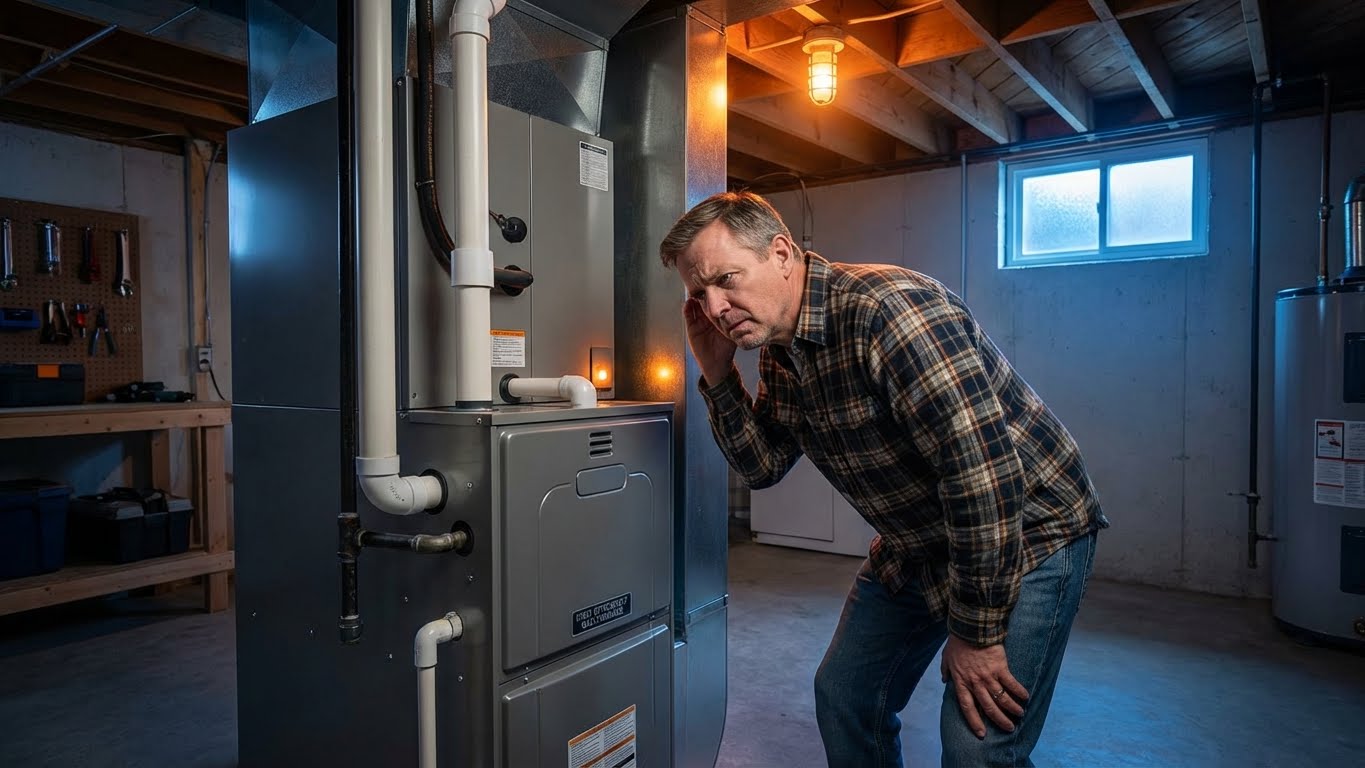
A furnace making a clicking noise when starting is usually a sign that the igniter is trying to light the burner. This clicking sound often points to an ignition issue or a problem with the electrical components inside the furnace. While some clicking is normal during startup, constant clicking without the furnace firing up can mean there is a fault that needs attention.
The noise might also be caused by mechanical reactions like expansion or contraction of metal parts, but persistent or unusual clicking often signals a deeper problem. Understanding why the furnace clicks can help homeowners decide if they can fix it themselves or if they should call a professional to avoid safety risks or more costly repairs.
Key Takeways
- Clicking sounds usually come from the igniter trying to light the furnace.
- Persistent clicking can mean mechanical or electrical problems.
- Early diagnosis helps prevent bigger issues and safety hazards.
Contents
Common Causes of Clicking Noises When Starting
Clicking noises when a furnace starts often point to specific mechanical or electrical issues. These sounds usually come from parts involved in ignition or control processes. Understanding the exact source helps diagnose the problem faster and decide on the right repair.
Ignition System Issues
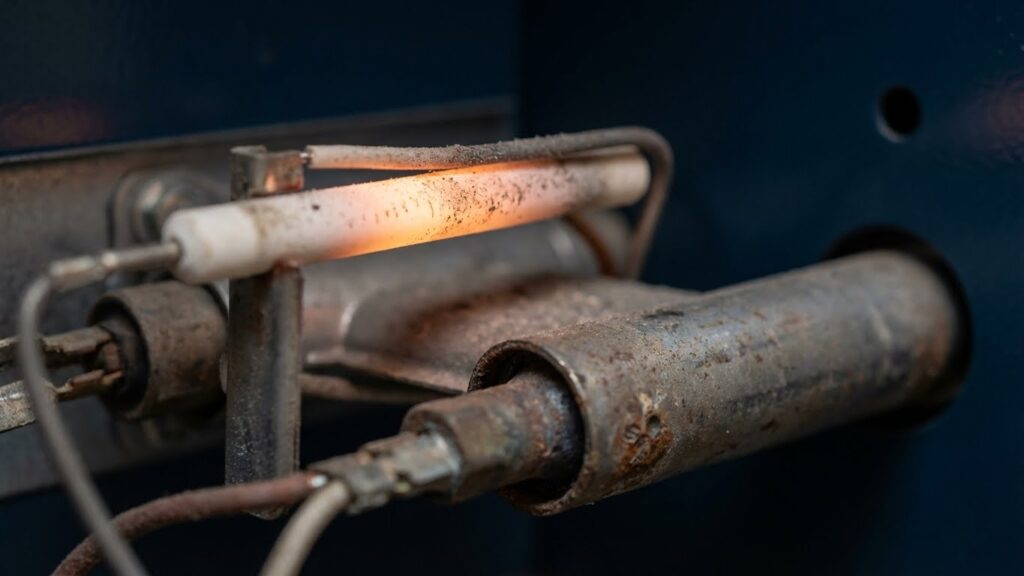
The ignition system is the part responsible for lighting the burner in a gas furnace. When the furnace starts, the igniter creates a spark or heats up to ignite the gas. Clicking noises often mean the igniter is trying to start the burner but is failing repeatedly.
A common cause is a weak or dirty igniter that can’t hold a flame. It may click several times before the burner finally lights or shuts off. Another reason can be a buildup of dirt or dust around the ignition area, which stops the spark. If the igniter is faulty, it usually needs cleaning or replacing to fix the clicking.
Faulty Gas Valve
The gas valve controls the flow of gas into the furnace burners. If it has trouble opening or closing smoothly, it can cause clicking sounds as the system attempts to regulate gas flow. This noise often occurs when the valve sticks or is slow to react.
A faulty valve can prevent the furnace from lighting consistently. It may click repeatedly or make a tapping noise as it tries to open. If the gas valve is damaged, it should be replaced by a technician for safe and proper operation.
Blower Motor Problems
The blower motor circulates warm air through the duct system once the furnace is running. Clicking noises at startup can come from the motor or its parts if they are worn or blocked.
Loose parts, worn bearings, or debris caught inside the motor can cause irregular clicking or knocking sounds. Sometimes, the blower wheel may hit a nearby component if it is bent or misaligned. Regular maintenance and lubrication can prevent these problems. If the motor is damaged, it might need repair or replacement.
Relay or Control Board Malfunctions
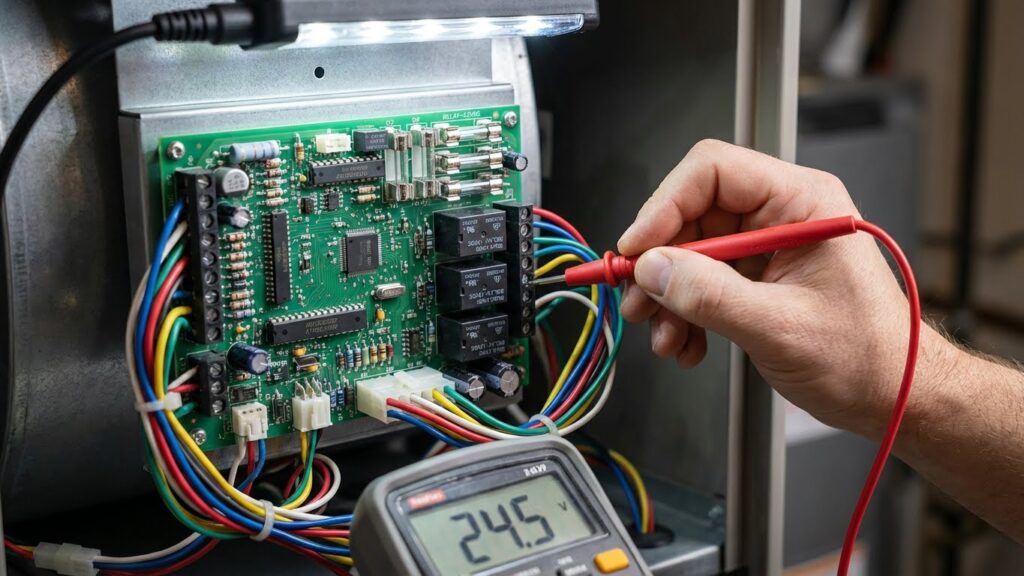
The control board manages the furnace’s various functions, including sending signals to parts like the igniter and blower motor. Relays on the board open and close to complete electrical circuits. Clicking noises often come from relays activating during startup.
If relays stick or the control board malfunctions, the furnace may click repeatedly as it tries to start. Faulty wiring or damaged components on the board can cause inconsistent operation. Diagnosing control board or relay issues usually requires professional tools and expertise. Replacing the control board or relays often resolves the noise and restores proper function.
Diagnosing the Clicking Sound
Understanding where the clicking sound comes from, when it happens, and how to safely check the furnace is key to finding the cause. These steps help narrow down whether the clicks are normal or signs of a problem.
Identifying Noise Location
Pinpointing the exact spot of the clicking noise is the first step. The sound often comes from the furnace’s burner area, ignition system, or ductwork. If it’s near the burners, the igniter or gas valve could be involved. Clicking from the blower fan or motor area may signal mechanical issues.
Using a simple process helps: listen closely as the furnace starts up, and try to isolate the click. If possible, have someone else operate the furnace while the listener stays near different parts. This method clarifies whether the noise is inside the unit or in attached ductwork.
Pattern and Timing of Clicks
The timing of the clicks gives clues to the source. Clicking just before the furnace ignites often relates to the igniter or gas valve trying to start combustion. Repeated clicks without ignition usually point to an ignition failure.
Clicks during the blower’s startup or shutdown can be the metal parts expanding or contracting. Constant clicking or rapid cycles might indicate electrical problems or short cycling, which can strain the furnace.
Noting when and how often the clicks occur is crucial for accurate diagnosis and deciding if professional help is needed.
Safety Precautions Before Inspection
Safety is critical before inspecting or working near the furnace. The furnace should be turned off and unplugged from power to avoid electric shock or injury.
If gas is involved, make sure the area is well-ventilated. Smelling gas requires immediate action: do not inspect the unit and call a professional right away.
Using insulated tools and avoiding contact with wiring or metal parts also reduces risk during inspection. If unsure, it is safer to contact a licensed HVAC technician for further diagnosis.
Potential Mechanical Reasons
Several mechanical issues can cause a furnace to make clicking noises when starting. These include parts that are loose, problems with moving components, and materials expanding or contracting during operation. Understanding these can help identify the cause and decide on the proper action.
Loose Furnace Panels
Loose panels on the furnace can create sharp clicking or rattling sounds when the unit starts. These panels can shift due to vibrations, wear, or poor installation.
The noise happens because the panels move slightly and hit the furnace frame or other parts. Tightening screws or fastening panels properly often stops the clicking.
It is important to check all access panels, especially around the burner and blower areas. If the panels appear bent or damaged, they may need replacement to avoid ongoing noise issues.
Problems With the Fan
The furnace fan can cause clicking when it has mechanical problems. Worn or loose fan blades may hit parts inside the furnace as they spin.
A fan motor that struggles to start or stops suddenly might also create a clicking or clunking sound. This could signal motor wear or electrical issues.
Inspecting the fan and motor for damage, debris buildup, or loose parts can reveal the source. Cleaning and tightening parts or replacing the motor can fix these problems.
Expansion and Contraction of Ductwork
Metal ductwork changes size slightly with temperature shifts during a heating cycle. When the furnace starts, the ducts heat up and expand, causing clicking or popping sounds.
This is normal but can be loud or sudden. It usually happens near joints or bends where metal pieces move against each other.
If the noise is frequent or very loud, adding insulation or adjusting duct supports can reduce movement. However, the clicking from duct expansion is generally harmless and not a sign of a major problem.
Electrical and Component Concerns
Clicking noises from a furnace often come from electrical parts or system components that control safety and operation. These sounds can mean some parts are worn, failing, or reacting to signals incorrectly.
Worn Out Relays
Relays in a furnace act like switches that turn electrical components on and off. When a relay wears out, it can cause repeated clicking noises as it tries to engage but fails to hold the circuit. This issue can lead to the furnace turning on and off too frequently or not running at all.
A worn relay can also create an unsafe condition by causing erratic operation. Visual signs include burnt contacts or a buzzing noise along with clicking. Replacing a faulty relay is usually straightforward and should be done by a professional to avoid electrical hazards.
Limit Switch Issues
Limit switches monitor furnace temperature and act as safety devices to prevent overheating. When a limit switch becomes faulty or stuck, it may cause clicking noises as the furnace cycles on and off erratically.
This noise often happens because the switch opens and closes rapidly, interrupting the heating process. A defective limit switch can cause the furnace to shut down prematurely or fail to start. Testing and replacing limit switches require a trained technician since incorrect handling can affect safety systems.
Thermostat Malfunction
Thermostats control when the furnace starts based on room temperature. If the thermostat is malfunctioning, it can create a clicking sound as it tries to send signals to the furnace but fails to maintain consistent communication.
Common problems include loose wiring or faulty switches inside the thermostat. These issues cause the furnace to start and stop frequently, accompanied by clicking noises. Checking the thermostat’s settings and wiring connections is a useful first step, but replacement may be necessary if the unit is damaged.
When to Call a Professional
Recognizing when a furnace’s clicking noise signals a deeper problem can save time, money, and ensure safety. Some signs clearly show that expert help is needed. Trying to fix certain issues without the right skills can be dangerous and cause more damage.
Signs of Serious Malfunction
If the clicking noise continues for more than a few seconds without the furnace starting, this may indicate an ignition problem or a faulty gas valve. Frequent clicking paired with a lack of heat or the furnace shutting off suddenly also signals a serious issue.
Other signs include the smell of gas, unusual burning odors, or visible sparks. These suggest safety risks like gas leaks or electrical problems. A furnace that won’t light after several attempts or makes a rapid clicking noise usually needs immediate professional inspection. Ignoring these signs can worsen the problem.
Risks of DIY Repairs
Attempting DIY repairs on a furnace with ignition or electrical faults can be risky. Handling gas components or electrical wiring without proper training may cause leaks, fires, or electric shock. Even well-intended fixes might lead to costly damage if done incorrectly.
Additionally, DIY efforts may void warranties or cause missed safety issues only a technician can detect. Professionals have the tools and experience to diagnose problems precisely, ensuring safe and effective repairs. It is better to let experts handle complex or unclear clicking noises to protect the home and its occupants.
Preventative Maintenance for Furnaces
Regular checks and cleaning keep a furnace running smoothly and reduce clicking noises when it starts. Proper care helps catch problems early and keeps parts working as they should.
Regular Inspection Tips
A homeowner or technician should inspect key furnace components at least once a year. This includes checking the ignition system, burner, and heat exchanger for cracks, dirt, or wear.
Look for loose screws or parts that might rattle during startup. Tightening these can stop clicking caused by vibrations. Also, inspect the air filter and vents. Dirty filters cause airflow issues that can trigger unusual noises.
Safety controls and electrical connections should be tested to ensure they operate properly. Faulty sensors or wiring can lead to short cycling or repeated clicks. Scheduling professional inspections before the heating season is a good practice.
Cleaning Procedures
Cleaning a furnace reduces buildup that causes friction or blockages. The burner area, flame sensor, and ignition system need regular cleaning to avoid ignition misfires that can create clicking sounds.
Use a soft brush or vacuum to remove dust and debris from internal parts. Avoid harsh chemicals that might damage sensitive components. The air filter should be replaced or cleaned every 1 to 3 months depending on use.
Clear the blower fan and motor of any dust to prevent noise and improve airflow. Keeping the furnace clean supports efficient operation and can prevent minor noises from becoming bigger issues.
Possible Impact on Home Safety
A furnace making a clicking noise when starting can signal different safety concerns. In some cases, it may be a normal ignition sound. However, persistent or loud clicking could mean problems with electrical components, gas ignition, or mechanical parts. These issues should not be ignored.
Electrical faults inside the furnace may increase the risk of short circuits or sparks. This can be dangerous in homes, especially if there are flammable materials nearby. Ignition problems might lead to delayed gas ignition, creating a small gas buildup that could cause a brief flare or explosion.
Mechanical issues, like failing blower motors or worn bearings, usually do not pose an immediate hazard. But if left unrepaired, they can cause the furnace to overheat or shut down unexpectedly. Overheating may trigger safety devices like the limit switch, but repeated overheating puts extra strain on the system.
Here is a quick list of safety risks linked to clicking noises at startup:
- Electrical shorts or sparks
- Gas ignition delays or flare-ups
- Overheating of furnace parts
- Unexpected furnace shutdowns
It is important to recognize when a clicking noise might indicate a problem. If the clicking is steady or grows louder, it is safer to get a professional HVAC technician to inspect the furnace. Doing so helps keep the home’s heating system safe and functioning properly.
Cost Considerations for Repairs
Repair costs for a furnace making a clicking noise when starting can vary widely. These costs depend mainly on the cause of the issue and how complex the repair is. For example, a simple ignition problem may cost less to fix than a part replacement or electrical repair.
Common causes like a faulty igniter or dirty flame sensor are often inexpensive to address. Cleaning or replacing these parts usually falls within a moderate price range. However, if the problem involves wiring or control boards, the cost can be higher due to labor and parts.
Here is a rough estimate of typical repair costs:
| Issue | Estimated Cost Range |
|---|---|
| Igniter replacement | $100 – $300 |
| Flame sensor cleaning | $75 – $150 |
| Electrical or wiring repair | $150 – $400 |
| Control board replacement | $300 – $600 |
Some repairs might be quick fixes, while others take more time and skill. It is important to get a professional quote before starting repairs. This way, unexpected costs can be avoided, and the right fix can be chosen.
Homeowners should balance cost with safety. Attempting complex repairs without experience can lead to bigger problems or safety risks. Calling a qualified HVAC technician is often the best choice to ensure proper and safe repairs.
FAQs
Why does my furnace make a clicking noise when starting?
The clicking sound usually comes from the igniter trying to light the burner. This is a normal part of the startup process. However, if the clicking continues without the furnace starting, it could mean there is a problem with the ignition system.
Is a clicking noise a sign of a serious problem?
Not always. Sometimes clicking sounds happen because of parts expanding or contracting with heat. But if the noise is constant or happens before the furnace fails to start, it could signal an electrical or ignition issue that needs attention.
Can I fix the clicking sound myself?
Some clicking issues can be fixed by cleaning or resetting the furnace. For example, dirt on the igniter or issues with the control board may cause repeated clicking. However, if a DIY fix does not work, it’s best to contact a professional technician.
What other problems can cause clicking noises?
Ductwork issues, loose wiring, or faulty relays can also make clicking sounds. These issues affect the furnace’s ability to run smoothly and safely.
| Common Causes | Description |
|---|---|
| Ignition system tries to light | Normal startup click; endless clicking signals a problem |
| Expansion and contraction | Metal parts click as they heat or cool |
| Electrical or control faults | Repeated clicking due to wiring or relay failure |
| Ductwork | Noises from airflow or loose ducts |
When should the furnace be serviced?
If clicking lasts longer than a few seconds or the furnace won’t start, service is needed. Regular maintenance can prevent many clicking-related problems.
Conclusion
A furnace making a clicking noise when starting often signals an ignition-related issue. This sound usually comes from the igniter trying to light the burner. If the clicking persists without the furnace turning on, it may mean the igniter or flame sensor is dirty or faulty.
Other possible causes include electrical problems or thermostat malfunctions. These issues can prevent the furnace from starting properly and should not be ignored. Regular maintenance can help spot and fix problems early.
Homeowners should pay attention to the pattern and timing of the clicking noise. Repeated clicking with no heat often means a more serious problem that needs professional repair. On the other hand, occasional clicks during startup can be normal due to metal parts expanding and contracting.
Here are some key points to remember:
- Clicking during ignition is common but should stop once the burner lights.
- Persistent clicking usually indicates an ignition system problem.
- Dirt, faulty components, or electrical issues can cause the noise.
- Regular inspection and cleaning help prevent these problems.
- Safety is important—if unsure, calling a technician is the best option.
Understanding these facts helps homeowners decide whether to try simple fixes or contact a professional. Proper care of the furnace ensures it runs safely and keeps the home warm.