

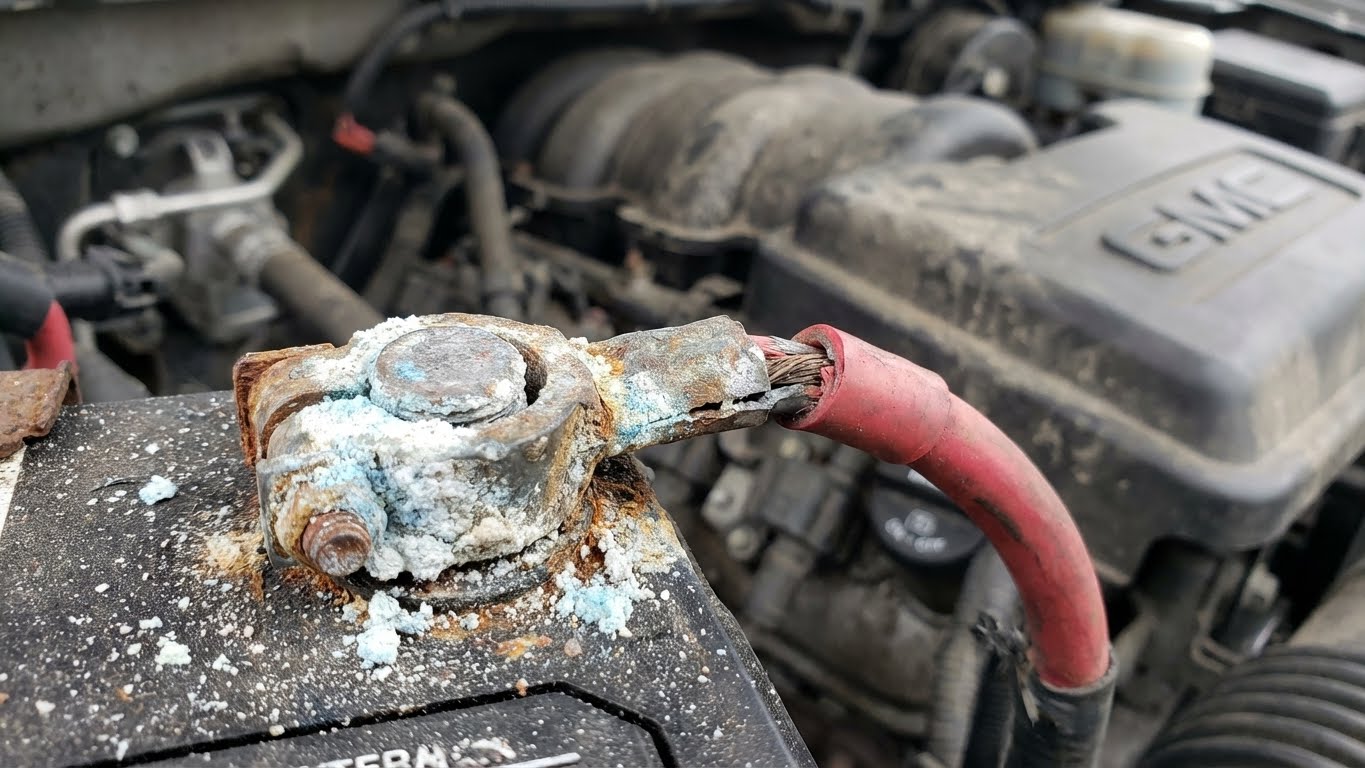
If a GMC Sierra makes a clicking noise when trying to start, it often means the starter motor is trying but can’t turn the engine. The most common cause of this clicking sound is a weak or dead battery, which does not supply enough power to the starter. Other reasons might include corroded battery terminals, a faulty starter, or electrical connection issues.
This clicking noise is usually a sign that the truck won’t start properly, but it can often be fixed without expensive repairs. Understanding why the clicking happens helps owners know whether to try simple fixes like cleaning the battery terminals or when to get professional help. Being aware of the warning signs can save time and money.
Many GMC Sierra owners experience this problem at some point. Knowing the possible causes and solutions can keep the truck reliable and avoid unexpected no-start situations. This guide will help readers quickly identify the issue and learn the best next steps to take.
Key Takeways
- A weak battery is the top reason for clicking noises at startup.
- Checking and fixing electrical connections can often solve the problem.
- Professional diagnostics may be needed if basic fixes don’t work.
Contents
- 1 Common Causes of Clicking Noise When Starting a GMC Sierra
- 2 Diagnosing the Clicking Noise in a GMC Sierra
- 3 Signs and Symptoms Accompanying the Clicking Noise
- 4 How to Fix Clicking Noise Issues During Start
- 5 Preventative Maintenance Tips for GMC Sierra Owners
- 6 When to Seek Professional Help
- 7 Potential Costs Associated With Repairs
- 8 Conclusion
- 9 FAQs
- 10 Conclusion
Common Causes of Clicking Noise When Starting a GMC Sierra
A clicking noise when starting a GMC Sierra often means the engine is not getting enough power to turn over. This sound usually points to issues with the battery, starter motor, electrical system, or wiring connections. Each cause affects the starting process differently and needs specific attention.
Battery Issues
The most common cause of clicking sounds in a GMC Sierra is a weak or dead battery. If the battery cannot provide enough power, the starter solenoid clicks but does not spin the engine. This often happens if the battery is old, discharged, or unable to hold a charge.
Corroded or loose battery terminals can reduce the flow of electricity and lead to the same clicking noise. Batteries left unused for long periods may lose their charge entirely. Testing the battery voltage and cleaning the terminals are key steps to fix this issue.
Starter Motor Failure
Another frequent cause is failure in the starter motor or its solenoid. The starter is responsible for turning the engine over when the key is turned. If the motor is worn out, the solenoid may click without engaging the starter properly.
Signs of a bad starter include rapid clicking noises or no response when the key is turned. Sometimes tapping the starter can temporarily help, but a failing motor often requires replacement to resolve the issue fully.
Electrical System Problems
Issues in the electrical system can cause clicking sounds by interrupting the power supply to the starter. A faulty ignition switch, blown fuses, or bad relays can all stop the current from reaching the starter solenoid.
Electrical faults can also cause intermittent starts or inconsistent clicking sounds. Diagnosing these problems often includes checking the fuse box, relays, and ignition switch for damaged components or loose fitments.
Wiring and Connection Faults
Wiring problems or poor connections are less obvious but common reasons for clicking noises when starting. Damaged wires, worn connectors, or corroded grounds can hinder the flow of electricity to the starter.
Loose battery cables or starter wires may cause clicking by preventing proper contact. Regular inspection and tightening of connectors, along with replacing damaged wires, help maintain solid electrical paths and reduce starting issues.
Diagnosing the Clicking Noise in a GMC Sierra
To find the cause of a clicking sound when starting a GMC Sierra, it is important to carefully listen to the noise and check key components. The battery, alternator, and starter system are often involved, so testing these parts can help narrow down the problem quickly.
Step-by-Step Diagnostic Process
The diagnostic process starts by making sure the truck is safe and the battery has enough charge. Next, the technician will try to start the engine and note any noises. Clicking usually points to electrical or starter issues.
They inspect the starter motor and solenoid for faults. Loose or corroded wiring at the battery, starter, or ground connections are also common problems. Cleaning and tightening these connections can often restore proper function.
If no problem is found there, the ignition switch and related wiring can be tested. Sometimes a weak battery or faulty starter requires replacement after this step-by-step check.
Listening for Distinctive Sounds
The clicking noise when starting can vary and provide clues. A single rapid click usually means the starter gear is not engaging, often due to low power.
Multiple fast clicks often indicate the battery does not have enough energy to turn the starter motor. If the clicking is more mechanical, such as grinding or continuous clicking, it may be a starter motor failure or a problem with the flywheel teeth.
Careful attention to the type, timing, and number of clicks helps pinpoint if the issue is electrical or mechanical and guides further testing or repairs.
Testing the Battery and Alternator
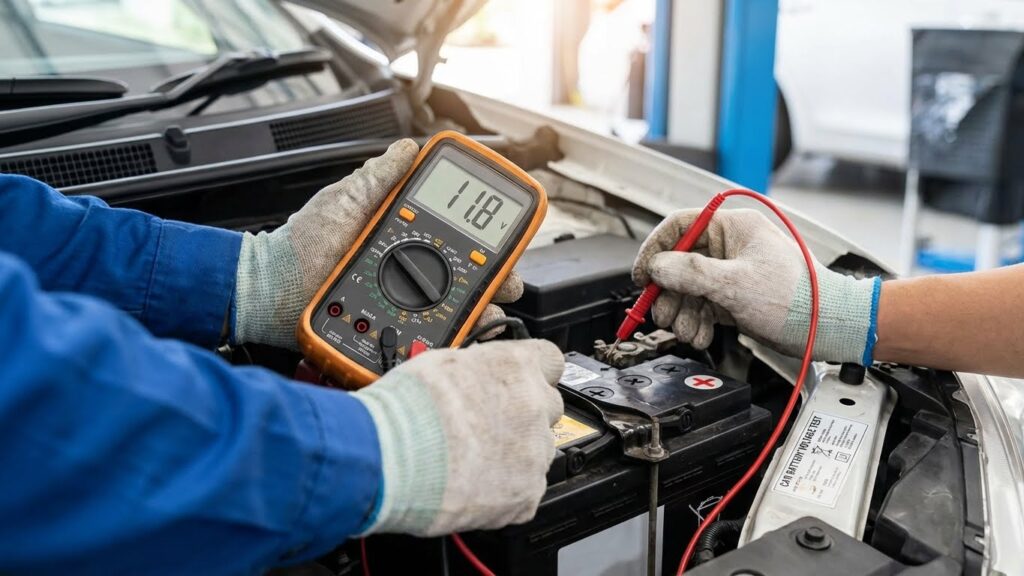
Battery and alternator checks are crucial when diagnosing starting issues. A voltmeter or multimeter measures battery voltage; a healthy battery typically shows about 12.6 volts when off.
During cranking, the voltage should not drop below 9.6 volts. If it does, the battery may be weak or failing. Testing the alternator involves measuring voltage with the engine running. It should read between 13.7 and 14.7 volts to confirm proper charging.
If either fails these tests, the battery or alternator is likely the cause of the clicking and no-start condition and should be repaired or replaced accordingly.
Signs and Symptoms Accompanying the Clicking Noise
A clicking noise when starting a GMC Sierra often comes with clear signs that point to specific problems. These signs show how the vehicle reacts and what might be wrong, helping to focus on the root cause quickly.
Vehicle Fails to Start
When the clicking noise happens, the engine usually fails to turn over. This means the motor doesn’t crank, and the truck won’t start. The cause is often a weak or dead battery that doesn’t provide enough power.
Sometimes, corrosion on the battery terminals or poor connections can stop power from reaching the starter motor. This also results in the clicking noise because the starter engages but doesn’t have enough energy to turn the engine.
In rare cases, the starter motor itself may be faulty. It may produce a clicking sound as it struggles to engage but cannot turn the engine. Testing the battery and starter helps pinpoint the problem quickly.
Dashboard Warning Lights
At the same time as the clicking noise, certain warning lights may appear on the dashboard. The battery light often comes on, indicating low system voltage or a charging problem.
The check engine light may also illuminate, signaling engine or electrical system faults. These warnings suggest that the vehicle is detecting issues that could relate to the starting system or battery health.
Ignoring these lights while hearing clicking noises can lead to more severe electrical or engine problems. Drivers should pay close attention to the dashboard as an early alert system.
Dimming Headlights
Headlights that dim or flicker when trying to start the truck are another common symptom. Dimming occurs because the battery voltage drops as the starter tries to crank the engine.
This voltage drop affects other electrical components. Dimming headlights during the start attempt usually point to a weak battery or poor battery connections.
If headlights remain dim after the vehicle starts, that could signal a failing alternator or electrical fault. However, if the dimming happens only during the clicking noise and no-start, the battery is the likely culprit.
How to Fix Clicking Noise Issues During Start
Fixing a clicking noise when starting a GMC Sierra involves checking power delivery and electrical components. Key steps include ensuring the battery is strong, the starter motor works correctly, and all fuses and relays are in good condition.
Replacing a Faulty Battery
A weak or dead battery is the most common cause of clicking noises during startup. The clicking often means the starter solenoid does not get enough power. First, test the battery voltage with a multimeter. It should read around 12.6 volts when fully charged.
If the battery is weak, replace it with one that matches the Sierra’s specifications. Make sure battery terminals are clean and tight to prevent power loss. Corrosion or loose connections can prevent the starter from receiving full power. It is also important to check battery cables for damage.
After installing a new battery, test the ignition again. If the clicking continues, then the battery may not be the only issue.
Repairing Starter Motor Components
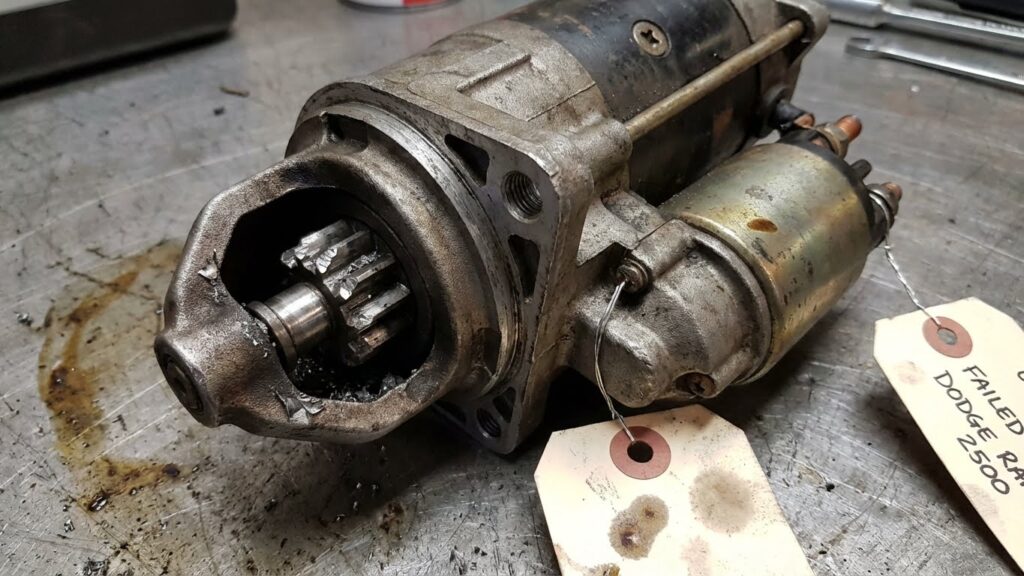
The starter motor or its solenoid can fail, causing the clicking noise. If the battery is fine, the starter might be faulty or have poor electrical connections. First, inspect the starter wiring for corrosion or loose ends.
If the connections look fine, the starter motor may need testing. A bench test can verify if it spins and engages properly. Replacing a worn starter motor or solenoid usually solves the problem.
Sometimes, tapping lightly on the starter with a tool while someone turns the key can temporarily fix a stuck starter gear. However, a replacement is the more permanent fix.
Inspecting Fuses and Relays
Electrical fuses and relays control power delivery to the starter circuit. A blown fuse or bad relay can cause the clicking noise by stopping the starter from getting enough current.
Check the vehicle’s fuse box for any fuses related to the starting system. Replace any that are blown. Also, test the starter relay by swapping it with a similar relay in the box if available.
If the relay clicks but does not engage the starter, replace it. Proper function of fuses and relays is critical for starting the engine without clicking sounds.
Preventative Maintenance Tips for GMC Sierra Owners
Keeping the GMC Sierra’s starting system in good shape involves checking key components regularly. Maintaining the electrical system, caring for the battery, and inspecting the starter help prevent issues like clicking noises when starting. These steps ensure the truck starts reliably and avoids unexpected breakdowns.
Regular Electrical System Checks
The electrical system powers the starter and other ignition components. It is crucial to inspect wiring connections and fuses frequently. Loose or corroded connections can cause poor contact and lead to clicking sounds without proper engine turnover.
Owners should look for damaged wires, burnt terminals, or corrosion around battery terminals. Cleaning terminals with a wire brush and tightening clamps prevents voltage drops. Testing the alternator and charging system with a multimeter confirms the electrical system is supplying adequate power.
Carrying out these checks every 6 months or during scheduled maintenance helps catch issues early. Faulty wiring or poor electrical flow is often the cause of a clicking noise when starting the GMC Sierra.
Proper Battery Care
The battery is the main power source for the starting system. A weak or failing battery commonly causes clicking noises during start attempts. Regular battery health checks are needed to avoid this.
Owners should test voltage under load and ensure terminals are clean and tight. Many use battery testers or visit shops for assessment. Replacing the battery every 3-5 years matches its typical lifespan and prevents sudden failure.
Keeping the battery fully charged and free of corrosion improves starting performance. Also, avoid leaving the truck unused for long periods, as this drains battery power and weakens it. Proper battery care reduces the chance of starter clicking issues.
Routine Starter Inspection
The starter engages the engine when the ignition key turns. Over time, the starter motor or solenoid can wear out or get dirty. This can create the clicking noise without starting the engine.
It is important to visually inspect the starter for any loose bolts, damaged wires, or signs of wear. Cleaning electrical contacts and checking the heat shield can prevent overheating. Some owners may hear slow cranking before clicking, which signals starter wear.
If problems persist, the starter might need repair or replacement. Incorporating starter inspection into regular maintenance helps find early signs of failure and keeps starting smooth.
When to Seek Professional Help
If the GMC Sierra makes a clicking noise when starting and simple fixes don’t work, it is time to get professional help. Persistent clicking sounds often point to deeper electrical or mechanical problems that need expert attention.
A weak battery or corroded battery terminals are common causes. If jump-starting or cleaning the terminals doesn’t solve the issue, a mechanic should check the battery health and charging system.
When the clicking comes with no engine crank or the noise grows louder, this could mean a failing starter motor or solenoid. Professionals can test these parts safely and replace them if needed.
If the noise continues after fixing the electrical parts, the problem might be inside the engine. Issues like worn lifters, damaged pushrods, or valve train problems can cause ticking or tapping that requires a mechanic’s tools and knowledge.
Signs that need quick professional diagnosis include:
- Clicking despite a strong battery
- Repeated no-crank start attempts
- Additional engine noises along with clicking
- Any smoke, burning smell, or warning lights
Trying to ignore or fix complex clicking problems without proper tools can risk more damage. Taking the vehicle to a qualified technician ensures accurate diagnosis and safe repairs.
Potential Costs Associated With Repairs
Repair costs for a GMC Sierra making a clicking noise when starting can vary based on the root cause. The most common cause is a weak or dead battery. Replacing a battery typically costs between $50 and $200, depending on the brand and type chosen.
If the issue comes from the starter motor, the cost will be higher. Starter replacement can range from $150 to $400 or more, including parts and labor. Labor charges usually make up a significant part of the total price.
Corroded or loose battery terminals are another frequent cause. Cleaning or repairing the terminals often costs less, usually under $100, since it mainly involves labor. Sometimes terminals or cables need replacement, which could raise the cost slightly.
An inspection to diagnose the clicking noise generally costs around $90 to $110, depending on location and service center. This fee covers finding the exact problem to avoid unnecessary repairs.
| Repair Type | Cost Range | Notes |
|---|---|---|
| Battery replacement | $50 – $200 | Depends on battery quality |
| Starter motor repair | $150 – $400+ | Includes parts and labor |
| Terminal cleaning | Under $100 | Mostly labor costs |
| Diagnostic inspection | $90 – $110 | Helps identify exact issue |
Costs may vary based on location and the specific model year of the Sierra. It’s important to get a detailed estimate before approving repairs.
Conclusion
A clicking noise when starting a GMC Sierra usually points to a few common issues. Most often, it is caused by a weak battery or corrosion on the battery terminals. These problems are simple to check and fix.
If the battery and terminals are in good condition, the starter motor or its electrical connections may be the cause. A faulty starter can produce clicking sounds without turning the engine over.
In some cases, the noise may be related to engine or motor mount issues. Unusual sounds during startup could also hint at internal engine problems, but these are less common than battery or starter faults.
Key points to check:
| Possible Cause | What to Look For | Typical Fix |
|---|---|---|
| Weak Battery | Dim lights, slow cranking noise | Replace or recharge battery |
| Corroded Terminals | White or green buildup on terminals | Clean terminals and reconnect |
| Starter Motor Issues | Clicking sound, engine won’t crank | Repair or replace starter |
| Engine or Mount Noise | Clunking or tapping at startup | Inspect mounts or engine parts |
Correct diagnosis can save time and money. Addressing the root cause quickly helps the Sierra start properly and avoids further damage.
Regular maintenance, such as battery care and inspection of starter components, reduces the chance of these noises. If unsure, consulting a professional mechanic ensures a safe repair.
FAQs
Why does my GMC Sierra make a clicking noise when starting?
The clicking sound usually means the starter motor is trying to engage but isn’t getting enough power. This often points to a weak or dead battery, corrosion on the battery terminals, or a loose connection. It can also be caused by a worn-out starter motor.
Can a bad battery cause this clicking noise?
Yes. A weak battery is the most common cause. If the battery voltage is low, the starter won’t get enough power to turn over the engine. Checking the battery’s charge and cleaning the terminals can often fix the problem.
What should be checked besides the battery?
The starter motor and electrical connections should be inspected. Corrosion or loose cables on the battery or starter can cause the clicking noise and stopping it from starting. The ignition switch might also be a factor if power isn’t reaching the starter.
| Common Causes | Description |
|---|---|
| Weak Battery | Battery doesn’t have enough charge |
| Corroded Terminals | Dirt or rust on battery or cable ends |
| Faulty Starter Motor | Starter gear or solenoid may be damaged |
| Loose Connections | Poor contact in wiring |
Is it safe to keep trying to start the truck when it clicks?
Repeated attempts might stress the starter motor or drain the battery further. It’s better to diagnose the cause soon to avoid more damage. For detailed guidance on battery care, visit the Battery University website.
When should a professional mechanic be called?
If cleaning and charging the battery don’t fix the clicking, or if the starter motor seems faulty, professional help is recommended. They can run proper tests to pinpoint the exact issue. For troubleshooting steps, sites like AutoZone offer useful resources.
Conclusion
A clicking noise when starting a GMC Sierra often points to issues with the battery or starter. The most common reasons include a weak battery, corroded battery terminals, or loose wiring. These problems are usually easy to check and fix.
Many times, simply cleaning the battery terminals or tightening the cables can restore proper power flow. A weak or drained battery may need charging or replacement. If these steps don’t stop the clicking, the starter motor might be faulty and require inspection.
It helps to remember:
| Cause | Description | Solution |
|---|---|---|
| Weak Battery | Not enough power to start engine | Charge or replace battery |
| Corroded Terminals | Poor electrical connection | Clean terminals and cables |
| Loose Wiring | Interrupted connection | Tighten or replace cables |
| Faulty Starter Motor | Unable to engage engine properly | Repair or replace starter |
Regular maintenance prevents many starting issues. Checking the battery condition and clean connections ensures reliable starts. If the clicking sound continues after these checks, professional service may be required.
Being able to identify these basic causes saves time and money. The clicking noise acts as a clue to what needs attention before more serious problems develop.