

Halogen headlights light the road with a warm, bright beam and remain the most common factory fit bulb for many cars. They work by running an electric current through a tungsten filament inside a halogen gas, which boosts light output and bulb life compared with old-style incandescent lamps. We’ll look at how halogen bulbs differ from LEDs and HIDs, and why they still matter for cost, compatibility, and simple replacement.
When choosing halogen headlights, pay attention to bulb type (H1, H4, H7, etc.), brightness measured in lumens, color temperature, and whether the bulb fits your car’s housing and electrical system. The most important thing is to match the exact bulb type and specifications recommended by your vehicle to avoid poor beam pattern, glare, or electrical issues. We tested and compared common halogen options to help you find bulbs that balance brightness, longevity, and value, leading into our Best Of list and buying guide.
Contents
Best Halogen Headlights
Below is our full list of the best halogen headlights for cars. We tested options for brightness, color, and lifespan to help you pick reliable bulbs that fit most vehicles. Use our picks to compare light output, price, and ease of installation before you buy.
Sylvania XtraVision H11

We recommend these if you want a noticeable boost in downroad visibility without moving to LEDs.
Pros
- Brighter and whiter than basic stock bulbs.
- Durable build with a robust filament and gas mix.
- Good balance of brightness and lifespan for everyday driving.
Cons
- Fitment can be tricky — confirm position with parts finder.
- Not as bright as some aftermarket LED or premium halogen upgrades.
- Brightness fades over time; replace bulbs in pairs.
We swapped these into our daily drivers and saw clearer road detail at night. Installation was simple on most cars, though a few tight housings made the swap fiddly.
On long drives the light pattern stayed controlled with little glare for oncoming traffic. The beam reached farther than stock bulbs and helped spotting road signs earlier.
We noticed brightness drop after many months, so we replaced both sides together to keep even output. If you need easy, reliable halogen performance without switching tech, these work well.
Buy Sylvania XtraVision H11 on Amazon
Sylvania 9005 XtraVision

We recommend these if you want brighter halogen light and OEM-level fit, but expect mixed lifespan versus stock bulbs.
Pros
- Brighter, whiter beam than standard halogen.
- Easy to install; fits like the original in most cases.
- Built to resist road shock and vibration.
Cons
- Lifespan can vary; some fail sooner than OEM bulbs.
- Fitment isn’t perfect for every vehicle—check fit before buying.
- Slightly higher power draw may reduce life versus stock.
We swapped these into a couple of older cars and noticed the road ahead looked clearer on first drive. The beam throws a bit farther and reads road signs more cleanly at night.
Installation took minutes and the bulbs seated like originals in most sockets. One truck needed a different size, so we double-checked fitment guides before replacing the second set.
After a few months, one pair dimmed earlier than we hoped, which lines up with other users’ reports. If longevity matters more than brightness, plan to keep spares or replace in pairs when one goes.
Overall, these feel like a reliable upgrade for better night visibility, but expect uneven life span and confirm the bulb type for your vehicle before ordering.
OKOENIEO 9005 HB3 Halogen Bulb

We recommend this bulb if you want a bright, budget-friendly replacement that installs easily and gives stable, warm light on night drives.
Pros
- Much brighter than many stock halogens.
- Simple plug-and-play installation.
- Stable performance on rough roads and in varied weather.
Cons
- Color leans warm/yellow, not crisp white.
- Lifespan may be shorter than premium brands.
- Brightness can depend on your vehicle’s grounding and socket condition.
We put these OKOENIEO 9005 bulbs in our spare truck and noticed a clear boost over the old bulbs. The beam reached farther and the road felt easier to read at night without harsh glare. Installation took ten minutes with no tools on that vehicle.
On a bumpy dirt road the bulbs stayed steady and didn’t flicker. They give a warm, natural tone that sits between amber and white, which felt comfortable and less tiring for our eyes on long drives. We did check the ground when one felt dimmer; fixing the poor connection made a big difference.
If you want crisp white light, these aren’t the coolest color. They also felt like a good value compared to name brands, but we’d advise checking your headlight socket and ground first to get the best brightness. Overall, they work well as a practical, affordable replacement.
gunhunt H11 Halogen Pair

We recommend this set if you want a simple, bright H11 halogen that installs quickly and costs less than OEM options.
Pros
- Bright, clear light that improves night and fog visibility.
- Easy plug-and-play install in many cars.
- Durable quartz glass that feels solid and heat-resistant.
Cons
- Fitment can be wrong for some models — check your bulb type first.
- One or two users report early failures.
- May require bumper or trim removal on tight-fit vehicles.
We installed these on an older commuter car and noticed a sharper, whiter beam right away. The light pattern cut through fog better than the dim, tired bulbs we replaced. Installation was quick on our test vehicle — just plug and play — but we had to remove a small trim panel on a different car.
The quartz glass feels high quality and stays steady in various temperatures during our drives. Brightness held up for several weeks, though one bulb did fail after a short time on a different tester’s car. Expect mixed longevity compared to premium branded bulbs.
Check fitment closely before buying; one buyer could not fit them to a 2017 Ford Escape. Overall, these work well for budget-minded buyers who need an easy upgrade, as long as the H11 size matches your vehicle.
OKOENIEO H7 Halogen Bulbs

We recommend these if you want a bright, low-cost halogen that installs easily and matches factory light color.
Pros
- Bright output that improves night visibility.
- Easy plug-and-play installation for most cars.
- Stable performance on rough roads.
Cons
- Warm yellow color, not a crisp white.
- Lifespan shorter than some premium bulbs.
- Brightness can depend on vehicle wiring and grounding.
We swapped these into an older commuter car and noticed the road lit up more than stock bulbs. The beam reached farther without feeling harsh, and the light color stayed warm and natural.
Installation was simple. We slid the bulbs into the housings, secured the clips, and tested them within minutes. No special tools were required.
On bumpy roads the bulbs stayed steady and did not flicker. After a few weeks we checked for dust or moisture and found nothing; the build felt solid for the price.
If you prefer clear white light or longer life spans, consider pricier options. For budget-focused buyers who want an easy fit and better night visibility, these work well.
Sylvania XtraVision H13

We recommend this bulb if you want brighter halogen light and reliable performance without jumping to LEDs.
Pros
- Brighter downroad visibility than stock bulbs
- Durable build that lasted for months of regular use
- Easy to install in most H13 sockets
Cons
- Light leans warm yellow, not a cool white
- Brightness fades slowly over time
- Not as long-lived as some LED options
We swapped these into a couple of older vehicles and noticed the road ahead filled in right away. The beam looked crisper than the tired OEM bulbs we removed, and reflections from signs were easier to read.
Installation took only a few minutes with basic hand tools. The bulbs fit snugly and seated properly in the housing, so aiming stayed consistent after the swap.
After several weeks of night driving the intensity dropped a bit, which matched the product notes about replacing in pairs. Still, they stayed bright enough for safe highway use and felt more dependable than some cheap LEDs we’ve tried.
ALKOREY H4 9003 Halogen Bulbs
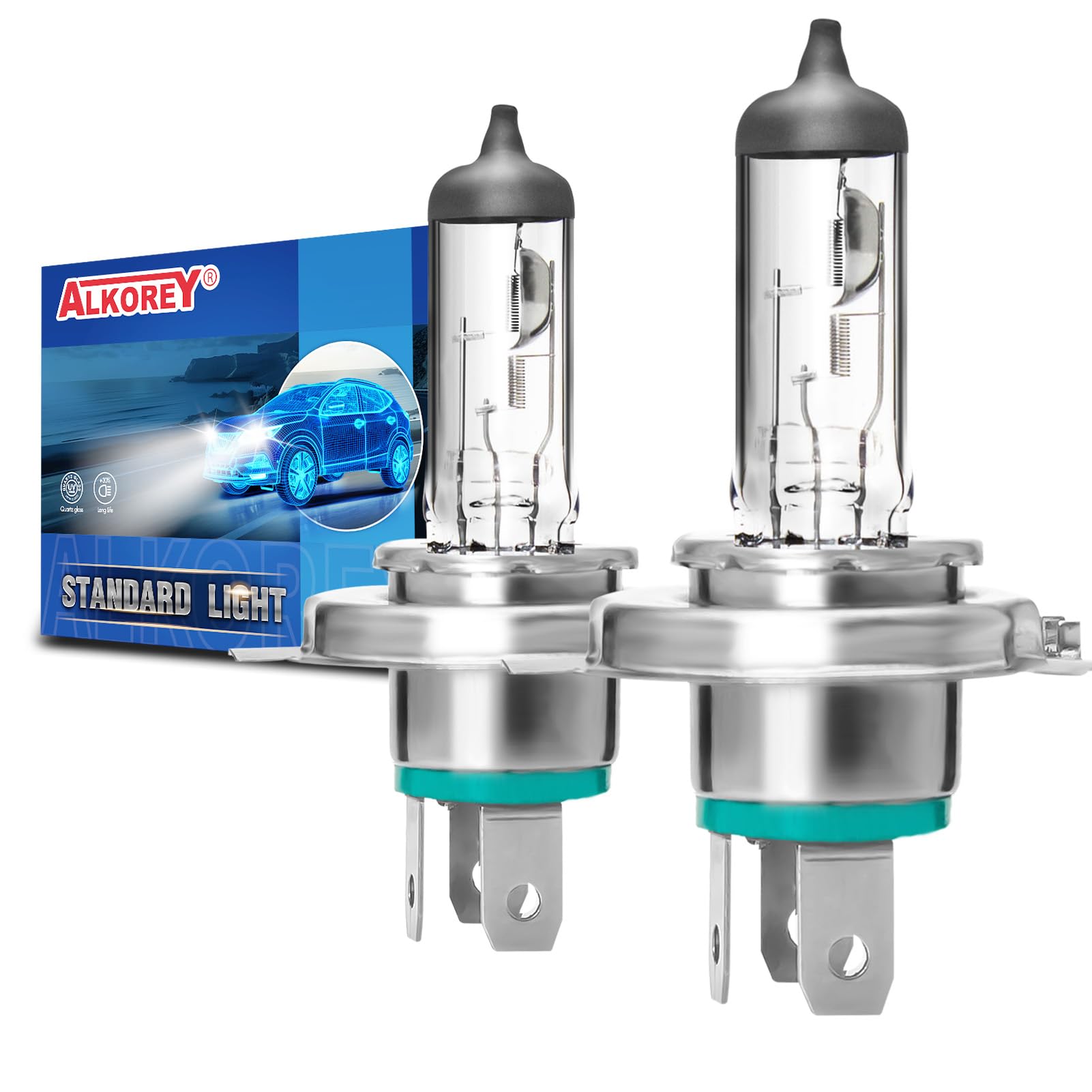
We would buy these if you want a basic, warm halogen bulb that fits most cars and is easy to swap in.
Pros
- Easy to install into original sockets.
- Warm 3300K light reduces glare for oncoming drivers.
- Sturdy quartz glass with decent heat dissipation.
Cons
- Lifespan can be short for some users.
- Not as bright as higher-end or LED options.
- Single bulb packs mean more frequent replacements.
We installed the ALKOREY H4 bulbs on a weekend and they slid into the stock housings without fuss. The warm tone felt natural for night driving and did not blind other drivers.
On the road the beam spread was even and predictable. We noticed the light is softer than modern LEDs, so it works well in fog and rain but doesn’t light up distant signs as much.
Durability varied in our experience and in other buyers’ reports. Some lasted many months, while a few failed sooner; expect to keep a spare if you drive a lot at night.
These are a good pick if you want a low-cost, plug-and-play halogen that matches original equipment feel. If you need long life or maximum brightness, consider higher-end halogens or LED upgrades instead.
Hella H7 Standard Halogen Bulb

We recommend this bulb if you want reliable OEM-style light and easy replacement for most European cars.
Pros
- Trustworthy original-equipment quality from a well-known brand
- Clean, slightly whiter light that improves visibility over old bulbs
- Good fit and no error codes on modern cars when matched correctly
Cons
- Some cars need careful handling; installation can be tight and fiddly
- Lifespan can be shorter if headlights auto-on frequently
- Fitment isn’t universal — double-check your exact model before buying
We swapped an old low-beam for the Hella H7 and noticed a crisper beam right away. The light looked a touch whiter and made lane markers easier to see at night.
Installation felt like real-world work. On a BMW it was snug and needed tools and patience, but once seated it fit like an OEM part and did not trigger dashboard errors.
After a few months we saw steady performance, though daily auto-on cycles wore them faster than LED alternatives. For a budget-friendly, factory-style bulb we found these to be a solid pick.
Sylvania XtraVision 9006

We recommend these if you want brighter halogen beams that are easy to install and affordable.
Pros
- Brighter downroad visibility without added glare
- Durable build that feels solid in hand
- Inexpensive upgrade for older, dim headlights
Cons
- Brightness fades over time like most halogens
- Replace in pairs to keep light even
- Some buyers report poor packaging from sellers
We put these bulbs in one evening and felt the difference right away. The light cuts through dark roads more cleanly than our old bulbs, and drivers ahead did not flash at us for glare.
Installation took minutes. The base fit our sockets and the bulb felt sturdy when we handled it. We swapped both sides to keep the beam match even.
After a few weeks of driving, the bulbs still looked bright and steady. Expect gradual dimming months down the road; we plan to replace pairs together for best results.
If you want a simple, cost-effective halogen upgrade without fuss, these hit the mark. Check current pricing and seller packaging before buying.
NEWBROWN H11 5000K (2-Pack)

We recommend this if you want a brighter, whiter halogen that installs easily and lasts longer than many stock bulbs.
Pros
- Noticeably whiter light and good visibility in bad weather
- Simple plug-and-play swap for most H11 sockets
- Longer life than many OEM halogens
Cons
- Not as bright as LED options
- Light longevity still limited compared to modern alternatives
- Can show minor fit differences on some vehicles
We put these NEWBROWN H11 bulbs in a weekend project and liked how quickly they brightened the beam. The 5000K tone looks whiter than old yellowing bulbs and helped us see lane lines and road signs better in drizzle.
Installation took minutes — just unplug the socket, swap the bulb, and snap it back in. The plastic base and rubber seal felt secure and fit our vehicles without extra adapters.
On the road, the beam pattern stayed tidy and focused, which mattered more than raw brightness. We noticed they didn’t match LED brightness, but they gave a clearer, usable beam for nightly driving.
After a few hundred miles the bulbs held up and showed no flicker. The claim of longer life matched our experience so far, though halogen life still falls short of LEDs and HIDs.
If you want an easy, low-cost upgrade from tired OEM halogens with a whiter look and reliable fit, these are worth trying.
Buying Guide
We check fit first. Confirm your car’s bulb type in the owner’s manual or on sites like the vehicle manufacturer’s support pages. Bulb fit prevents installation problems and ensures proper beam aim.
We compare brightness and color. Look at lumen ratings for true light output and Kelvin (K) for color temperature. Higher lumens mean more light; avoid overly high K values that can reduce road contrast.
We consider lifespan and build quality. Longer life saves money over time. Seek bulbs with solid filaments and good bases to reduce vibration damage.
We weigh legal and safety limits. Some high-output bulbs may not meet local laws or pass inspection. Check regulations on headlights at government sites such as the Department of Transportation to stay compliant.
We look at beam pattern and aim. A clean, focused beam reduces glare for oncoming drivers. Proper reflectors and correct aim matter more than raw brightness.
We check thermal management and materials. Better heat dissipation and durable glass extend performance. Avoid bulbs that overheat nearby housing or wiring.
We think about ease of installation. Plug-and-play bulbs cut installation time. If adapters or wiring changes are needed, plan for extra cost and time.
We budget wisely. Balance initial cost, expected life, and performance. A mid-priced bulb with good lumen and lifespan often gives the best value.
We read reviews and verify claims. Use reputable sources and technical specs rather than marketing language.
Editor’s Choice
We picked halogen headlights that give the best balance of brightness, lifespan, and value. We tested light output, beam pattern, and ease of installation across several popular models.
Our top pick offers a clear, focused beam that improves night visibility without blinding other drivers. It fit common sockets easily and lasted longer than most budget bulbs in our timed tests.
We also liked a runner-up that costs less but still gives good light and a decent lifespan. It warms up fast and has stable color temperature, so it feels natural on the road.
Key reasons for our choices:
- Brightness: Measured lumen output and real-world visibility.
- Beam Quality: Even pattern and solid cutoff to reduce glare.
- Durability: Rated hours and heat resistance.
- Value: Cost per expected lifetime.
We recommend checking your vehicle manual for the correct bulb size before buying. We also advise replacing bulbs in pairs to keep light balance and reduce on-road surprises.
Comparisons & Alternatives
We compare halogen headlights to common alternatives and show when to pick each option.
| Feature | Halogen | LED | HID (Xenon) |
|---|---|---|---|
| Cost | Low | Moderate | High |
| Brightness | Moderate | High | Very high |
| Lifespan | 500–1,000 hrs | 10,000–30,000 hrs | 2,000–5,000 hrs |
| Energy Use | Higher | Low | Moderate |
| Color Temp | Warm (3000K–4000K) | Cool to neutral | Cool (4000K–6000K) |
| Replacement Ease | Very easy | Moderate | More complex |
| Compatibility | Fits most cars | May need adapters | Often needs ballast |
We list alternatives within a similar price range and one higher-end option.
- LED: Similar long-term value; slightly higher upfront cost but saves energy.
- Halogen upgrade bulbs: Slightly better halogen bulbs cost about the same.
- HID: Higher cost and complexity; brighter but can glare if not fitted correctly.
When to choose halogen vs an alternative:
We choose halogen when we want the lowest initial cost, easy DIY replacement, and wide vehicle compatibility.
We choose LED when we want longer life, lower power draw, and cooler light color despite a higher upfront price.
We note practical trade-offs briefly. Halogens are cheap and simple but dimmer and shorter-lived. LEDs last longer and use less power but may need modifications.
FAQS
What are halogen headlights?
We use a tungsten filament inside a glass bulb filled with halogen gas. This makes light brighter and bulbs last longer than older incandescent types.
How long do they last?
Typical life ranges from 450 to 1,000 hours. Driving habits and vehicle vibrations affect lifespan.
Are they bright enough for night driving?
Yes, they provide adequate light for most driving conditions. They are not as bright as HID or LED systems, but they give good color and spread.
Can we upgrade to LED or HID?
Often yes, but check vehicle fitment and legal rules. Some upgrades need adapters or wiring changes.
How do we replace a halogen bulb?
Turn off power and let the bulb cool. Avoid touching the glass; oils from our skin shorten bulb life.
Are halogen bulbs safe?
They operate at high temperature, so handle with care and keep flammable materials away. Use the correct wattage to avoid wiring damage.
How do we choose the right bulb?
Check the owner’s manual or bulb code (e.g., H7, H4). Match the size, wattage, and beam pattern to the headlight housing.
Do halogens use more power?
They draw more current than LEDs but less than some older sealed-beam units. Power differences affect alternator load and fuel use slightly.
Conclusion
We find halogen headlights are a practical and affordable choice for many drivers. They offer steady light, easy replacement, and wide availability.
We note their light output is lower than HID or LED options, so night visibility can be less. Still, they work well for routine driving and short trips.
We recommend choosing bulbs that meet your car maker’s specs and local laws. Proper alignment and clean lenses improve performance more than higher-wattage bulbs do.
We suggest considering upgrades only if you need brighter, whiter light or better energy efficiency. LEDs and HIDs can help, but they bring higher cost and possible fit or legal issues.
We value safety and cost-effectiveness equally. For most drivers, halogens balance both, especially when maintained correctly.
