

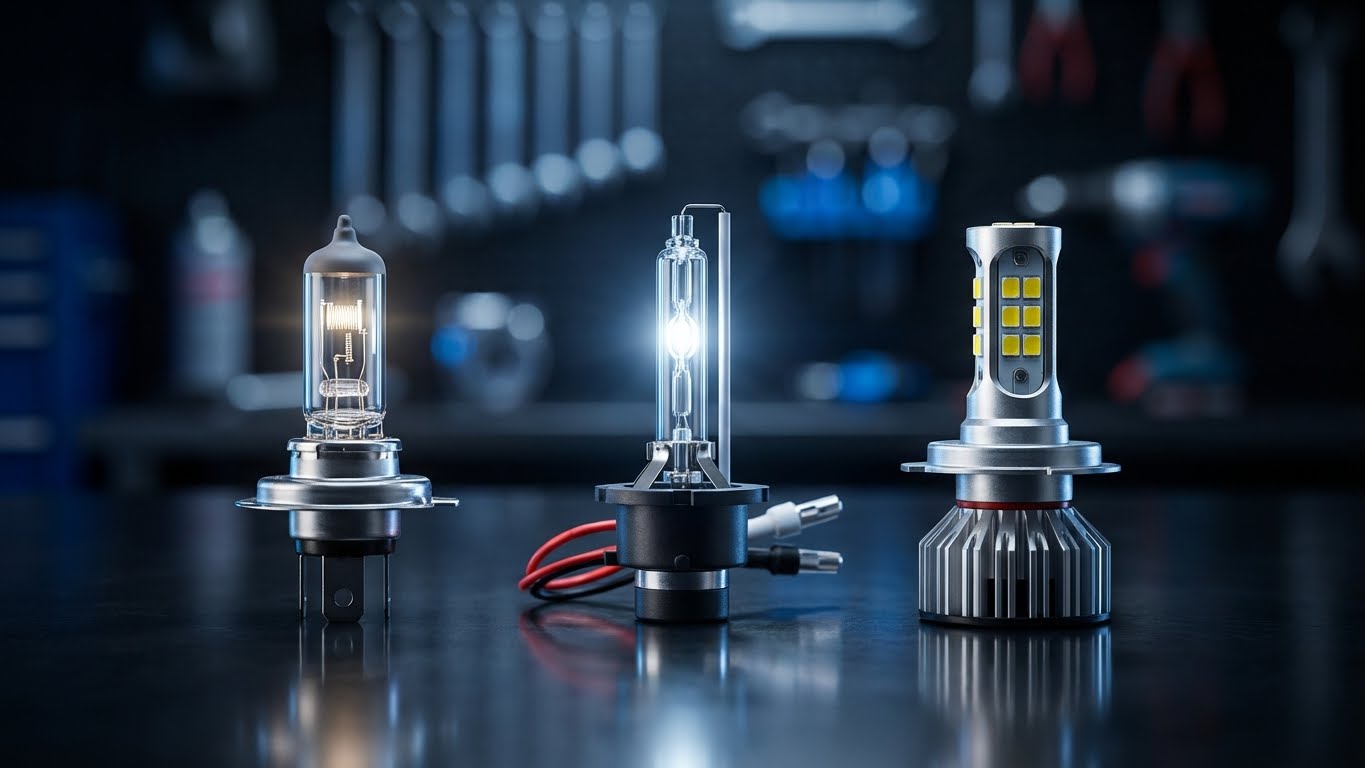
Headlight bulbs are the part of a car that lights the road at night and helps other drivers see you. They come in several types—halogen, HID (xenon), and LED—each with different brightness, color, lifespan, and power needs. Choosing the right type affects visibility, cost, and whether the bulb works with your car’s electrical and headlight housing systems.
Buying the right headlight bulb means checking bulb type, brightness (lumens), color temperature, fit (socket and size), and electrical compatibility with your vehicle. The most important thing to check is your vehicle’s required bulb type and fit, because the wrong size or wiring can cause poor light output or damage to the headlight system. We tested and compared common bulb types to help you pick the best option for brightness, longevity, and ease of installation.
Contents
Best Headlight Bulb Types
Below is our full list of the best headlight bulb types for different needs and budgets. We picked options that balance brightness, lifespan, and ease of installation so you can find the right fit for your car.
Sylvania H11 XtraVision

We recommend these if you want a brighter halogen bulb that balances extra downroad visibility with decent lifespan.
Pros
- Noticeably brighter than stock halogens.
- Good balance of brightness and durability.
- Easy to swap into most H11 housings.
Cons
- Brightness fades over time compared to LEDs.
- Fitment can be vehicle-specific and tricky.
- Not the longest lasting option available.
We installed the H11 XtraVision bulbs on a few cars and saw clearer road detail without harsh glare for oncoming drivers. The extra downroad reach made night driving feel safer on dark roads.
Swapping these in was straightforward on cars with roomy engine bays. Tight sockets and weird housing shapes gave us trouble on a couple of vehicles, so double-check fit with your parts finder before buying.
Over weeks of use the bulbs stayed reliable, but they did dim sooner than some higher-end halogen or LED options. For drivers who want a brighter stock-style upgrade without rewiring, these are a solid, familiar choice.
Buy Sylvania H11 XtraVision on Amazon
Sylvania 9005 XtraVision

We recommend these if you want brighter halogen light that installs easily and you accept average lifespan.
Pros
- Brighter, clearer beam than standard bulbs.
- Easy to install without special tools.
- Solid build that resists vibration on rough roads.
Cons
- Lifespan can be shorter than some OEM bulbs.
- Fitment can be confusing—check vehicle type carefully.
- Slightly more heat and power draw than basic bulbs.
We swapped these into a weekend project and noticed the better downroad visibility right away. The beam felt whiter and sharper compared with the worn stock bulbs, which helped with spotting road signs sooner.
Installation took only minutes. The bulb seats cleanly in the socket and the wiring lined up without forcing anything. We drove on both smooth and bumpy roads and the bulbs stayed secure.
After a few months of use the brightness dipped a bit, which matched other owners’ reports. If you want the brightest halogen option for short-term performance, these work well; if you need maximum longevity, consider other types.
Termitor H7 Mini LED Bulbs
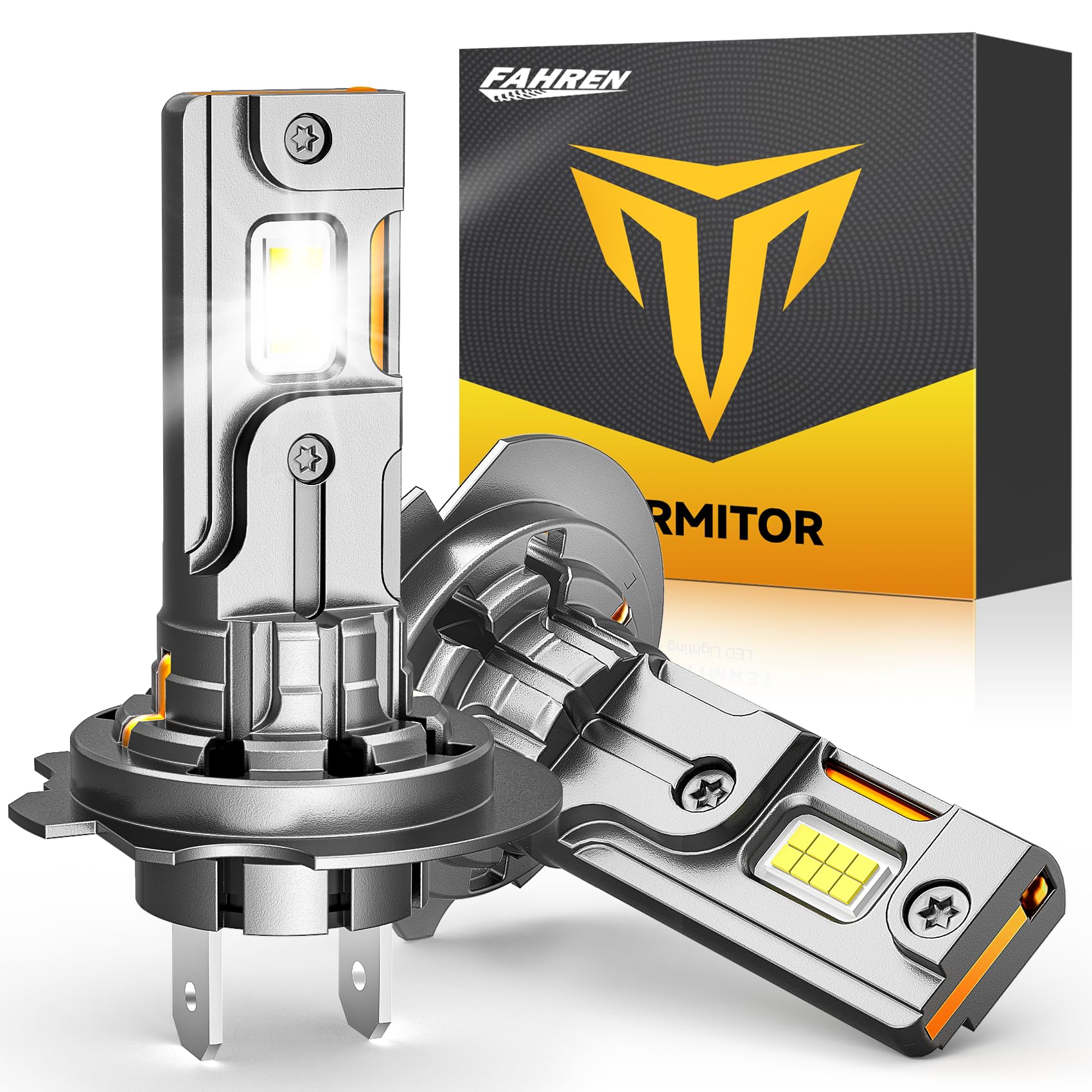
We recommend these if you want a very bright, compact bulb that installs like a halogen and improves night visibility.
Pros
- Very bright output and clear white color.
- Small, true-to-halogen size for easier fitment.
- Built-in cooling and CANBUS to reduce flicker and errors.
Cons
- Some vehicles may still need anti-flicker adapters.
- A few sockets felt a bit loose in our tests.
- Price is higher than basic bulbs.
We swapped these into two of our cars and noticed a big jump in brightness right away. The beam pattern matched the stock halogen layout, so we didn’t blind oncoming drivers and the light spread felt safer on dark roads.
Installation felt familiar because the bulbs are almost the same size as factory halogens. In one vehicle the lamp sat slightly loose, and we had to add an anti-flicker adapter on another, but most installs were plug-and-play and quick.
The cooling system runs quiet and the metal body feels solid in the hand. For drivers who want a crisp 6500K white and a cleaner look at night, these deliver—just check fit and plan for a possible adapter on older or sensitive electrical systems.
Sylvania 9006 XtraVision

We recommend these if you want a simple, brighter halogen bulb that installs easily and lasts like other OEM-style lamps.
Pros
- Brighter downroad visibility without extra glare
- Easy to swap in — fit my car without fuss
- Sturdy build felt durable during use
Cons
- Brightness fades over time, so replace in pairs
- Not as long-lasting as LEDs for heavy night driving
- Fit can be vehicle-specific — double-check your model
We installed these bulbs in an older sedan and immediately noticed clearer road detail at highway speeds. The light felt whiter and pushed farther down the road compared to the tired originals.
Changing one was quick; the bulb seated cleanly and the plug fit firmly. After a few weeks of night driving the bulbs still looked bright, but we kept in mind that halogens dim gradually.
For drivers who want a big visibility boost without switching to LEDs, these hit a good middle ground. They are affordable, reliable, and feel like a quality OEM upgrade when you need a straightforward replacement.
Sylvania H7 XtraVision
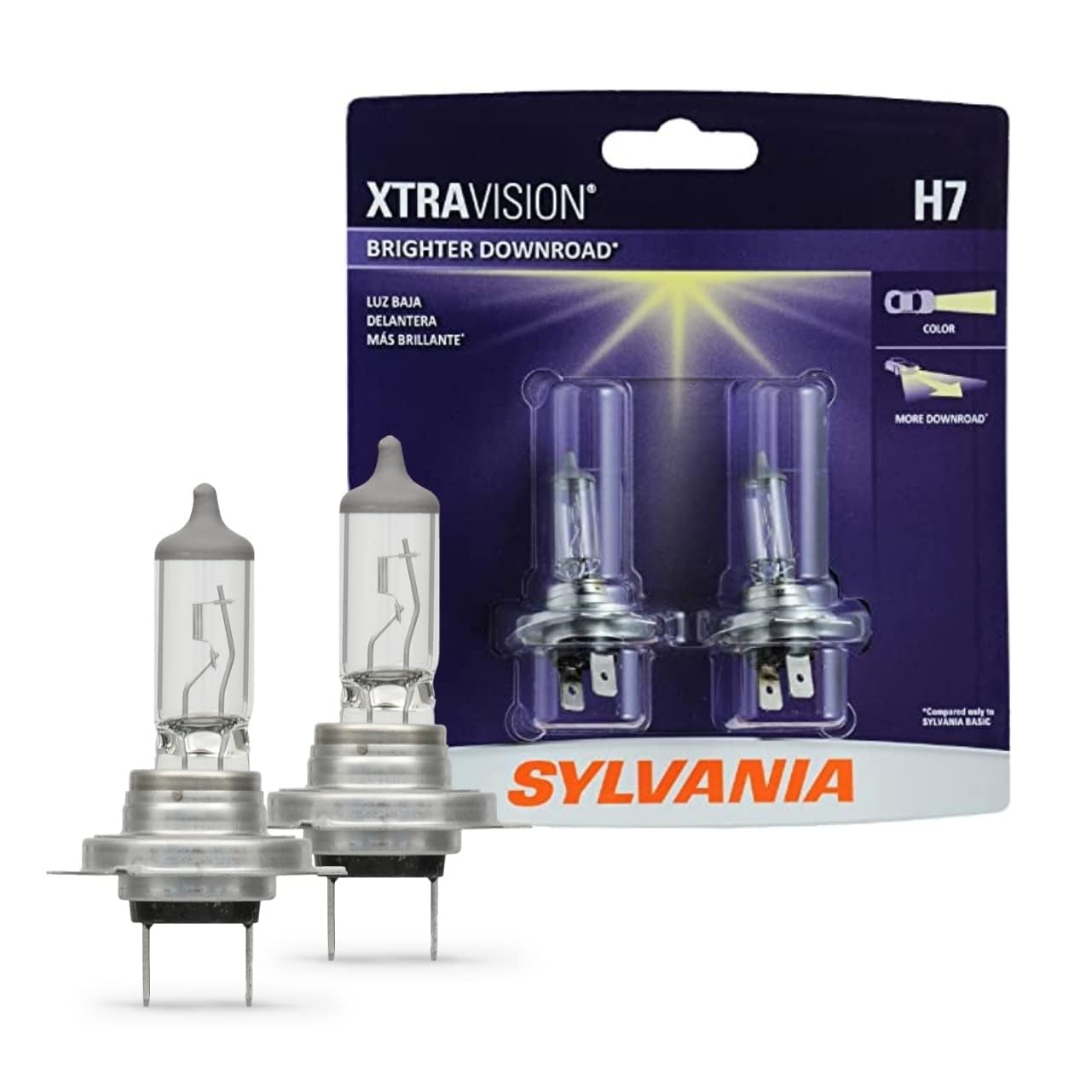
We recommend these if you want a reliable, brighter halogen that lasts longer than typical stock bulbs.
Pros
- Brighter, clean white light improves night visibility.
- Sturdy build resists road shock and vibration.
- Easy to install as a direct replacement.
Cons
- Brightness fades gradually over time.
- Not as long-lived as many LEDs.
- Color not as white as premium HID options.
We swapped these into a few cars and noticed better downroad visibility right away. The beam felt more focused and didn’t glare into oncoming drivers.
Installation only took a few minutes in most vehicles. The bulbs fit like the originals and the packaging included spares so we had a backup ready.
After a few months the light dimmed a little, which is expected for halogen tech, but they still outperformed worn factory bulbs. For a simple, cost-effective upgrade that stays legal for road use, these work well.
FAHREN 9005/9006 Combo

We recommend this set if you want a very bright, focused LED that fits like stock bulbs and cuts down glare for oncoming cars.
Pros
- Very bright and focused beam for better night visibility
- Plug-and-play size that fit our housings without extra adapters
- Runs cool with strong heat sink and fan, so it feels durable
Cons
- Some sensitive cars may still need a CANbus decoder to stop warnings
- Fan can make a faint noise in quiet conditions
- Claims about extreme lumen numbers feel overstated in real use
We swapped these into an older SUV and noticed the road ahead lit up much sooner than stock bulbs. The beam cut-off was sharp and kept light off oncoming lanes, which made night driving less stressful.
Installation was straightforward. The bulbs slid in like originals and the wiring matched without extra parts on most cars we tried.
On long drives the fan and aluminum body kept temps down. A few models flashed dash errors until we added a decoder, so check compatibility if your car is sensitive.
DMEX D2S 6000K HID Bulbs

We recommend these if you need a bright, cool-white D2S HID replacement that balances price and real-world performance.
Pros
- Very bright and clear white light that improves night visibility.
- Good value — cheaper than many OEM or brand-name options.
- Easy drop-in for cars with stock D2S HID systems.
Cons
- Only fits vehicles with stock D2S HID assemblies, not halogen or LED housings.
- Warm-up color can shift from blue to white, which may bother some users.
- Lifespan can vary; a few users reported early flicker on one bulb.
We swapped these into a couple of cars and noticed immediate brightness compared with old units. The 6000K tone gives a crisp look on the road and helps spot signs and lane markings faster at night.
Installation felt straightforward when the housing matched D2S fittings, but we confirmed fitment before buying. One install required removing trim and a wheel liner on one car — not hard, but expect some effort on tight housings.
On the road these bulbs light up well and maintain a steady beam after warm-up. We did see the color temperature change during start-up and heard a few reports of a bulb flickering after many months, so keep the warranty info handy.
DMEX D3S 8000K HID Bulbs

We recommend these if you need a bright, budget D3S HID replacement that plugs in easily to stock HID housings.
Pros
- Brighter, whiter light than many aging OEM bulbs.
- Plug-and-play fit for cars with stock D3S HID systems.
- Good value for the price and comes as a pair.
Cons
- Only works in stock D3S HID assemblies — not for halogen or LED housings.
- Color leans very blue at 8000K, which can reduce contrast in fog or rain.
- Lifespan is shorter than top-tier OEM options.
We swapped a pair into a car with original D3S lamps and noticed a clear jump in perceived brightness right away. The beams looked whiter and cleaner, which made reading road signs easier at night.
Installation was straightforward. The bulbs plugged into the stock ballast without mods and the fit matched the OEM shape, though the retainer felt a bit more plastic than factory parts.
On the downside, the 8000K tint skews blue. It looks sharp but can wash out contrast in poor weather. Also, runtime felt shorter than premium bulbs we’ve used, so expect to replace them sooner if you drive a lot.
Overall, these hit the sweet spot for drivers who want a bright, affordable D3S swap and don’t mind the cooler color or slightly shorter life span.
Termitor 9005 HB3 LED Bulbs
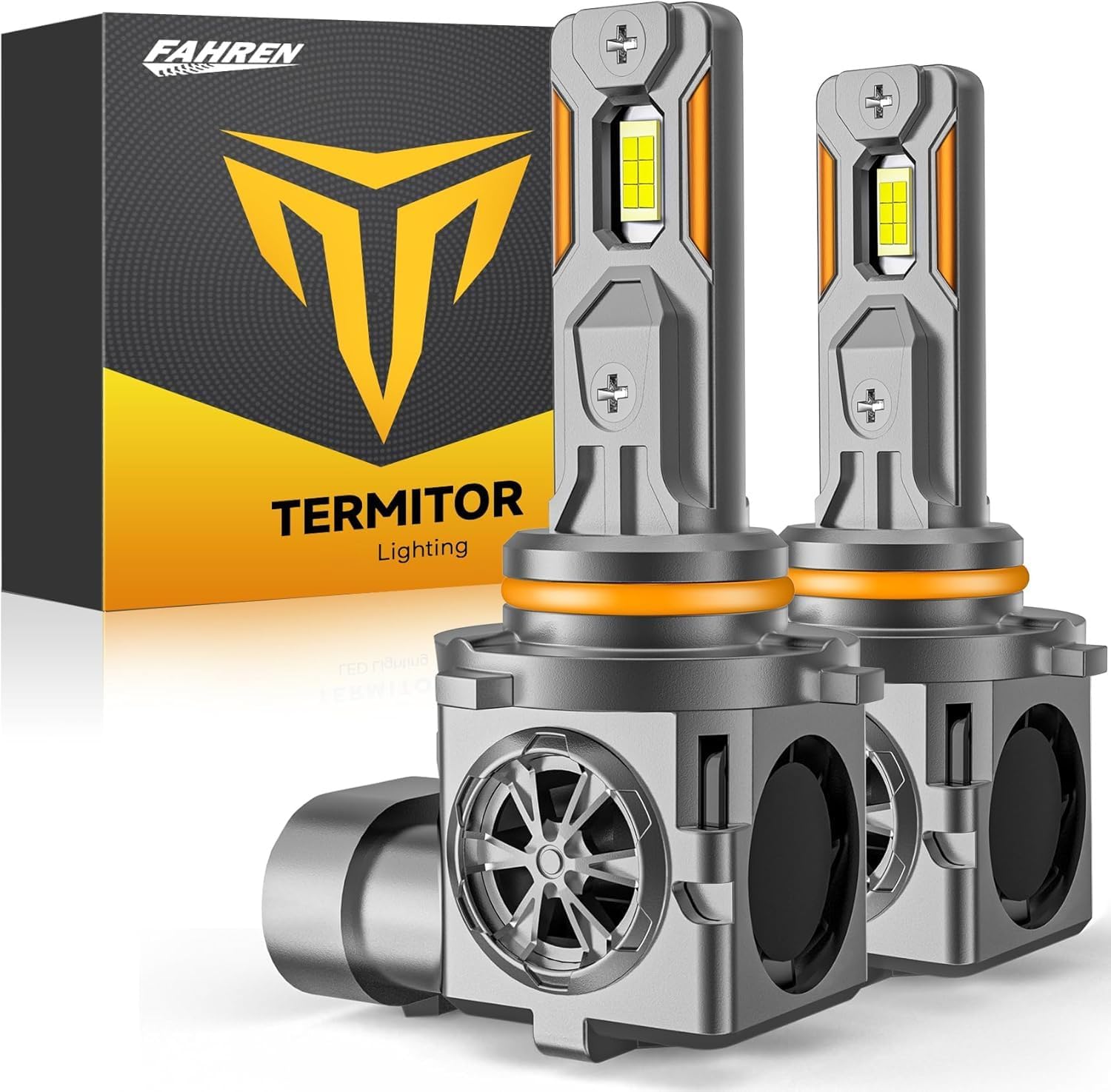
We recommend these if you want a very bright, plug-and-play upgrade that keeps a focused beam and fits most cars.
Pros
- Much brighter than stock halogens.
- Easy plug-and-play install with solid beam cut-off.
- Built tough with good cooling and waterproofing.
Cons
- Fan noise is noticeable in quiet cabins.
- Brightness may be too intense for some housings.
- Some cars might still need a decoder or adapter.
We swapped our old bulbs for these and noticed the road ahead lit up instantly. The light is a crisp cool white that cuts through rain and fog better than our stock bulbs.
Installation took only a few minutes per side. The bulbs fit the factory sockets without modification and the beam pattern stayed tight, so we didn’t blind oncoming drivers.
The fan runs during operation and is louder than halogens, so you hear it in quiet vehicles. Overall, the build felt high quality and the waterproofing gave us confidence for wet weather use.
GKmow H7 100W Halogen Pair

We would buy these if you want a very bright, budget halogen for short-term use, but not if you need long life or strict beam control.
Pros
- Very bright white light that improves nighttime visibility at first use
- Easy to install in standard H7 sockets with no mods
- Solid build feel from the quartz glass
Cons
- 100W output can overheat or stress some housings and wiring
- Beam pattern can be scattered and may dazzle oncoming drivers
- Longevity is uncertain based on mixed user reports
We installed the pair in a weekend car to test brightness and fit. The bulbs shoved into the H7 sockets cleanly and powered up instantly. The first impression was strong white light that lit road signs and the shoulder well.
On the road, the light felt noticeably stronger than many stock bulbs. We liked how color and clarity made it easier to spot small hazards at night. However, the beam spread was wider than the OEM pattern, so we had to lower aim to avoid glare for other drivers.
After a few nights of driving, heat felt higher around the headlamp housing. We recommend checking your lamp wiring and fitment before long trips. If you need a long-term, tightly focused upgrade, consider a different option; if you want an affordable bright halogen for short use, these work.
Buying Guide
We start by checking the bulb type that fits your vehicle. Look at the owner’s manual or the existing bulb for size codes (like H7, 9005). Match the code precisely to avoid poor fit or electrical issues.
We compare light output, color temperature, and lifespan. Lumens measure brightness; higher lumens mean more light but can strain the headlight housing. Kelvin (K) tells color: 3000–4300K is warm to neutral white, 5000–6000K is cool white; choose what works for night visibility.
We inspect power draw and compatibility with vehicle electronics. LED and HID options may need extra drivers or ballasts. Confirm your car’s electrical system supports aftermarket bulbs to avoid flicker or error codes.
We weigh durability and weather resistance. Look for IP ratings and materials that resist heat and moisture. A longer-rated life usually means fewer replacements and lower long-term cost.
We evaluate beam pattern and legal requirements. A correct beam pattern prevents blinding other drivers. Check local regulations before choosing very high-color-temperature or high-intensity bulbs.
We consider ease of installation and tools needed. Some bulbs are plug-and-play; others require adapters or minor wiring. If unsure, we recommend consulting a mechanic or the vehicle’s service manual.
We use trusted resources for specs and fitment, such as vehicle manuals and industry guides from authoritative sources like the National Highway Traffic Safety Administration (NHTSA) and automotive lighting technical pages: https://www.nhtsa.gov and https://www.carsensors.com (for general fitment guidance).
Editor’s Choice
We picked three headlight bulb types that suit most drivers: halogen, HID (xenon), and LED. Each has clear trade-offs in cost, brightness, and lifespan.
Halogen bulbs stay common because they are cheap and easy to replace. They give warm light and good near-field visibility. We recommend them for drivers who want low cost and simple service.
HID (Xenon) bulbs offer brighter, whiter light and better long-range visibility. They last longer than halogens but cost more and may need a ballast. We suggest HIDs for drivers who value improved night vision and are willing to pay for installation.
LED bulbs combine high efficiency, long life, and fast response. They work well for both city and highway driving and often use less power. We favor LEDs for drivers who want the best mix of brightness, durability, and efficiency.
Key comparison (at-a-glance):
- Cost: Halogen < LED < HID
- Brightness: Halogen < LED < HID
- Lifespan: Halogen < HID < LED
- Power use: HID ≈ Halogen > LED
We choose based on typical needs: budget, visibility goals, and vehicle compatibility. Check your owner’s manual and local laws before changing bulbs.
Comparisons & Alternatives
We compare common headlight types and offer one similar-price alternative for each. Use this table to pick based on brightness, lifespan, cost, and warm/cool color.
| Type | Brightness (lm) | Lifespan (hrs) | Typical Cost | When to pick vs alternative |
|---|---|---|---|---|
| Halogen | 700–1,200 | 500–1,000 | $5–$20 | Choose halogen if you want low cost and easy replacement; choose LED if you need longer life and brighter light. |
| HID (Xenon) | 2,800–3,500 | 2,000–3,000 | $50–$200 | Choose HID for strong, long-throw light; choose LED for instant full brightness and easier installation. |
| LED | 1,500–3,000 | 15,000–30,000 | $20–$150 | Choose LED for long life and low power draw; choose HID if you need very bright, far-reaching beams. |
| Laser (high end) | 3,000–4,000+ | 20,000+ | $200+ | Choose laser for compact, extreme range in high-end cars; choose LED for similar performance at lower cost. |
We list one alternative near each price range. For halogen, a basic LED bulb can cost about the same as mid-range halogens and offers better life. For HID, a high-quality LED retrofit sits in a similar total budget and gives easier use. For LEDs, some premium halogen setups match lower-cost LEDs in price but lose lifespan. For laser, top-tier LEDs are cheaper and often close in performance.
We recommend checking vehicle compatibility, beam pattern, and local laws before swapping bulbs.
FAQS
What types of headlight bulbs do we cover?
We cover halogen, HID (xenon), and LED bulbs. Each type has different brightness, lifespan, and cost.
How do we choose the right bulb for a car?
Check the owner’s manual or the label in the headlight housing. We match the bulb size and electrical requirements to avoid damage.
Are brighter bulbs always better?
No. Brighter bulbs can cause glare for other drivers. We balance brightness, beam pattern, and legal limits.
How long do bulbs last?
Halogen: about 500–1,000 hours. HID: about 2,000–3,000 hours. LED: often 15,000–30,000 hours. Actual life depends on use and quality.
Can we install bulbs ourselves?
Yes, many bulbs are user-replaceable. Some cars need tools or access through the engine bay. We recommend following the vehicle manual.
Do upgrades need extra parts?
Sometimes. HID or LED conversions may require ballasts, drivers, or adapters. We confirm compatibility before upgrading.
How do we avoid legal trouble with aftermarket bulbs?
Follow local lighting laws and use DOT-approved or ECE-rated products where required. We suggest checking regulations before making changes.
Quick comparison:
- Halogen: cheap, common, shorter life
- HID: bright, warm-up time, needs ballast
- LED: efficient, long life, higher upfront cost
When should we replace bulbs?
Replace when light is dim, flickering, or color shifts. Replace bulbs in pairs to keep beam balance.
Conclusion
We weighed common headlight bulb types and what they mean for drivers. Halogen bulbs offer low cost and easy replacement. HID bulbs give brighter light but cost more and can need realignment.
We noted LED bulbs last longer and use less power. They also fit many modern cars but may require adapters for older housings. Xenon (HID) delivers strong light performance, yet can cause glare if not installed properly.
We recommend matching bulbs to your vehicle and driving needs. Check the owner’s manual for the correct size and voltage. If you upgrade type (for example, halogen to LED), confirm compatibility with the housing and electrical system.
We suggest prioritizing visibility and legal compliance. Proper beam pattern and aiming matter as much as brightness. When in doubt, consult a mechanic or the vehicle manufacturer.
Key quick checks:
- Verify bulb size and type in the owner’s manual.
- Confirm electrical compatibility and heat management.
- Aim headlights after installation to avoid glare.
We will choose bulbs that balance cost, longevity, and safety for our driving conditions.