

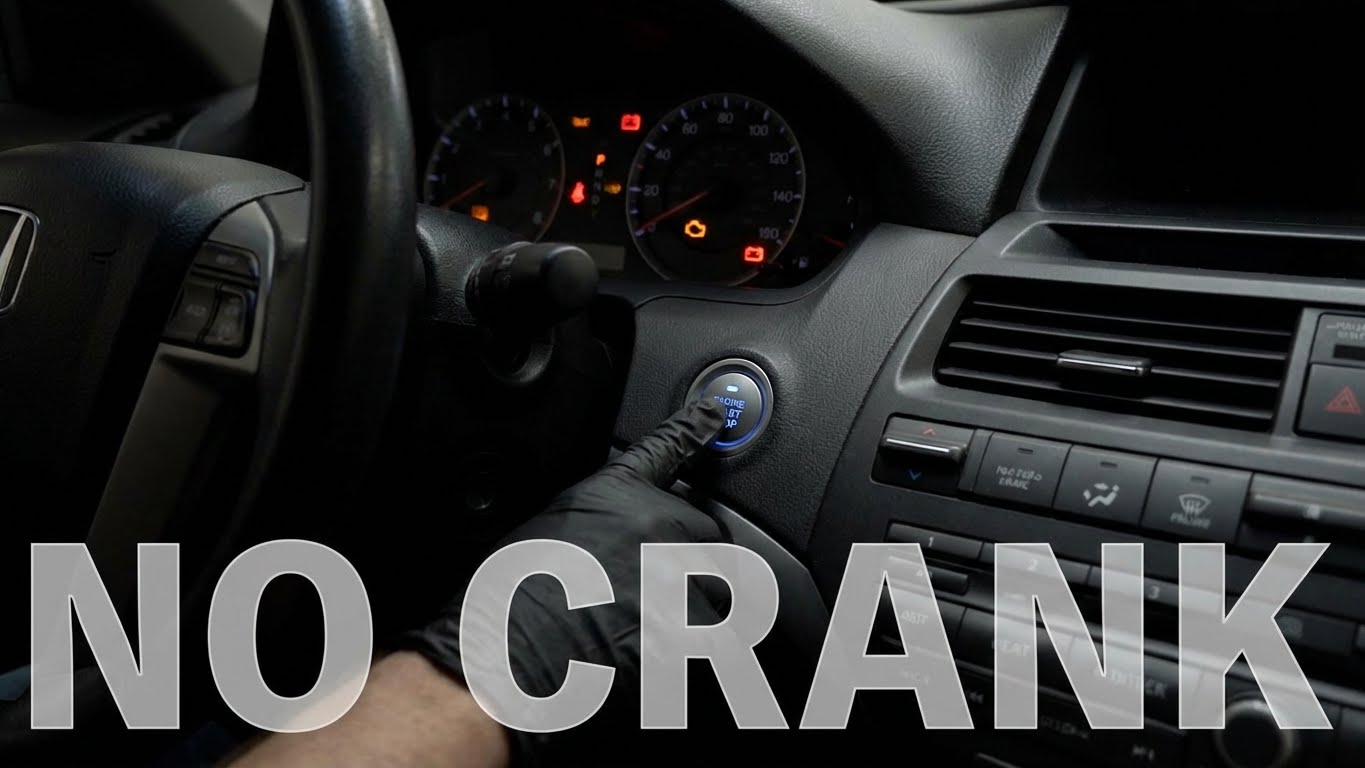
A clicking noise when starting a Honda Accord is a common sign that something is wrong with the car’s electrical or starting system. Most often, this noise means the battery is weak or dead, which prevents the engine from turning over properly. Other causes can include corroded battery terminals, loose cables, or a failing starter motor.
This issue can be alarming, especially if the car won’t start despite hearing the clicking sound. Understanding why the noise happens and what to check first can save time and money in repairs. By knowing the likely reasons and simple fixes, drivers can often get their Accord up and running again without immediate professional help.
Key Takeways
- A clicking noise usually points to battery or starter problems.
- Check battery connections and the starter before calling a mechanic.
- Regular battery maintenance helps prevent starting issues.
Contents
- 1 Common Causes of a Honda Accord Clicking Noise When Starting
- 2 Diagnosing the Clicking Noise in a Honda Accord
- 3 How to Fix a Clicking Noise When Starting a Honda Accord
- 4 When to Seek Professional Help
- 5 Preventative Maintenance Tips for Honda Accord Owners
- 6 Other Potential Issues Behind Engine Clicking Sounds
- 7 FAQs
- 8 Conclusion
Common Causes of a Honda Accord Clicking Noise When Starting
A clicking noise when starting a Honda Accord usually points to electrical or mechanical issues in the starting system. The source is often related to the battery, starter, or the connections between them. Understanding these areas helps diagnose and fix the problem effectively.
Dead or Weak Battery
A dead or weak battery is the most frequent reason for the clicking noise. When the battery voltage drops below the required level (typically near 12 volts or less), it cannot supply enough power to the starter motor. This causes a rapid clicking sound because the starter solenoid tries to engage but fails.
Low battery power can result from old age (batteries usually last 3-5 years), leaving lights on, short trips, or cold weather. Testing the battery voltage with a multimeter can confirm if the battery is the issue. Jump-starting the car or fully charging the battery often resolves the problem unless the battery is damaged or worn out.
Faulty Starter Motor
The starter motor is responsible for turning the engine over to start it. If the motor is faulty or worn out, it may not engage properly, producing a clicking noise instead. This happens because the solenoid attached to the starter repeatedly tries to push the motor into gear without success.
Symptoms of a bad starter motor include intermittent clicking noises, no engine turnover despite a good battery, or the car starting after several attempts. Inspecting the starter’s electrical connections and testing the motor can determine if it needs repair or replacement.
Corroded Battery Terminals
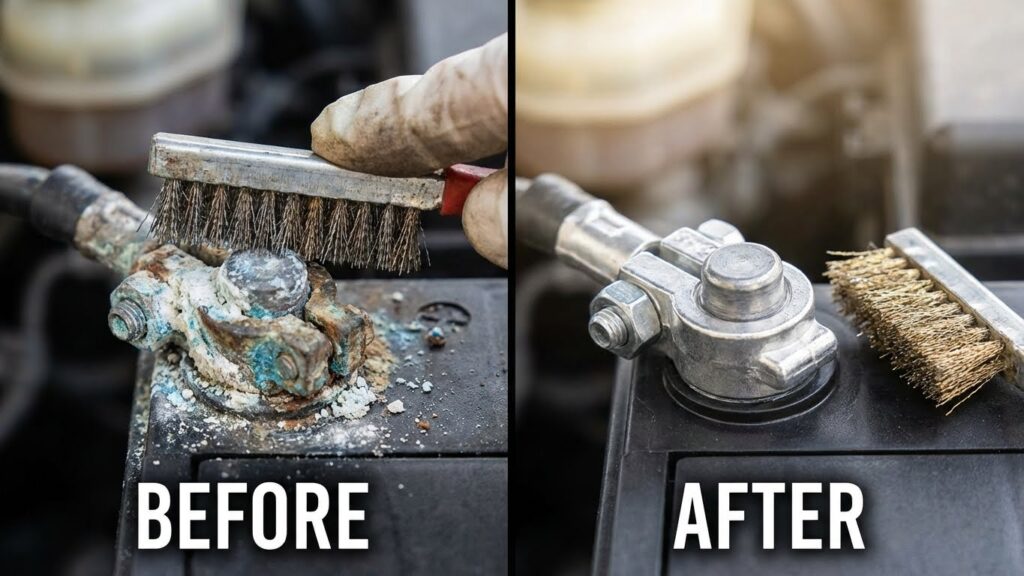
Corroded or dirty battery terminals can block the flow of electrical current from the battery to the starter. Corrosion appears as white or greenish powdery deposits on the terminals. This resistance reduces the available power, causing a clicking noise when trying to start the engine.
Cleaning the terminals with a battery terminal cleaner or a mix of baking soda and water often fixes this issue. Ensuring tight and secure connections also improves the current flow. Regular maintenance can prevent corrosion buildup and avoid starting problems related to poor electrical contact.
Defective Starter Relay
The starter relay acts as a switch that sends power from the battery to the starter motor when the key is turned. A faulty relay can produce a clicking sound as it tries to engage but fails to deliver power consistently.
Symptoms include rapid clicking noises or no noise at all depending on how the relay fails. Testing the relay with a multimeter or swapping it with a known good relay can verify its condition. Replacing the defective relay restores proper power transmission to the starter.
Diagnosing the Clicking Noise in a Honda Accord
A clicking noise when starting a Honda Accord usually means the engine is not turning over properly. Pinpointing the cause involves checking the battery, paying attention to the type of clicking sound, and looking for electrical problems.
Initial Inspection Steps
The first step is a visual check of the battery and its connections. Look for loose or corroded battery terminals. Corrosion can block the flow of electricity and cause the clicking sound. Make sure all cables are tight and clean.
Next, check the battery’s overall condition. If the battery is old or has been drained, it might not provide enough power to the starter. Inspect for any cracks or leaks around the battery case. Also, see if the dashboard lights and headlights turn on, which can indicate the battery’s charge level.
Testing the Battery Voltage
Testing the battery voltage helps confirm if the battery is the issue. A fully charged car battery should read about 12.6 volts with the engine off. If it reads less than 12 volts, the battery is weak or dead.
Using a multimeter, measure the voltage at the battery terminals. If the voltage is low, try jump-starting the car. If the Accord starts after a jump, the battery likely needs recharging or replacing.
Some problems come from a failing alternator, which does not charge the battery properly. After jump-starting, let the car run and check if the voltage rises to 13.5-14.5 volts. If not, the alternator could be the cause.
Listening for the Type of Clicking Sound
The sound itself can reveal the problem. A rapid clicking noise usually means the battery does not have enough power to turn the starter motor.
A single click sound may point to an issue with the starter motor or the starter relay. This clicking occurs because the starter tries to engage but can’t fully turn the engine over.
Another type is an electrical relay clicking fast, signaling a possible wiring or connection problem. Focusing on the timing and speed of clicks helps isolate the source of the issue.
Identifying Electrical Issues
Electrical issues beyond the battery can cause the clicking sound, such as a bad starter motor or loose wiring. Check the starter motor connections for tightness and cleanliness.
A faulty starter relay can also produce clicking sounds without starting the engine. Replacing the relay is often a simple fix.
Inspect the ground connection between the battery and engine as a poor ground can stop current from flowing, resulting in clicking but no start.
Testing these components with proper tools, like a multimeter or starting fluid, helps confirm if they are working correctly or need replacement.
How to Fix a Clicking Noise When Starting a Honda Accord
A clicking noise when starting a Honda Accord usually points to issues with the battery, battery terminals, or the starter motor. Fixing it involves checking these parts in detail and addressing the specific problem, whether it is a weak battery, dirty connections, or a faulty starter.
Replacing or Charging the Battery
The most common cause of a clicking noise is a weak or dead battery. If the battery is old or hasn’t held a charge, it won’t have enough power to turn the engine over. Testing the battery with a multimeter can confirm if it is below 12 volts, which usually means it needs charging or replacement.
If the battery is just low, charging it with a battery charger might solve the problem. However, if the battery is old or fails to hold a charge, replacing it with a new one is necessary. Using the exact size and type recommended in the Honda Accord’s manual ensures proper fit and performance.
Cleaning Battery Terminals
Corroded or dirty battery terminals can block electrical flow, causing the clicking sound. Dirt, rust, or buildup on the terminals can stop the power from reaching the starter properly. Inspecting the terminals for corrosion or white powdery substance is important.
Cleaning involves disconnecting the battery cables, then scrubbing the terminals with a wire brush or a mixture of baking soda and water. Dry the terminals fully before reconnecting. Ensuring the terminals are tight and secure after cleaning helps maintain a good electrical connection.
Repairing or Replacing the Starter Motor
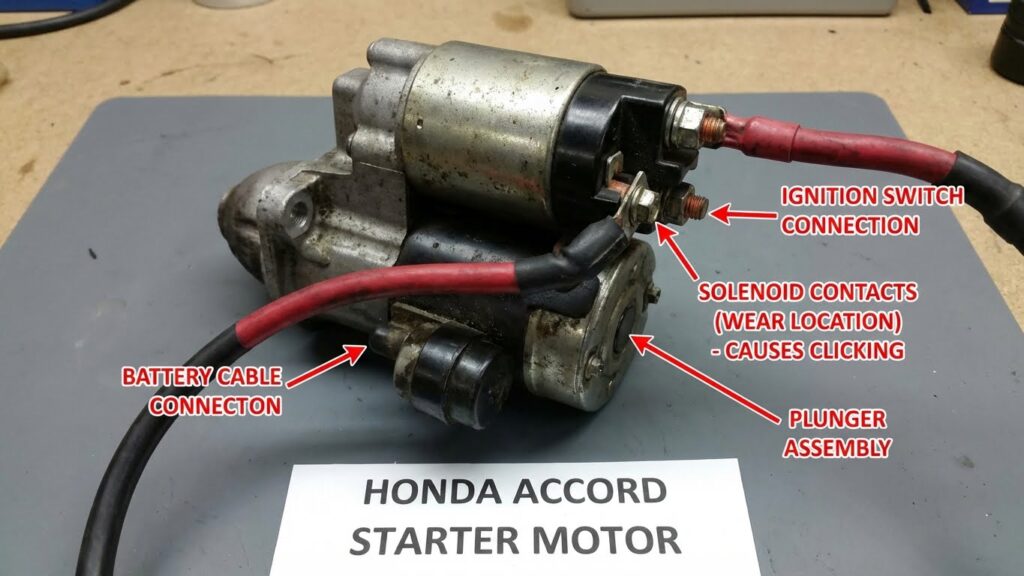
If the battery and terminals are in good shape, the starter motor might be the problem. A worn or damaged starter motor can make clicking noises without turning the engine. This could be due to a stuck solenoid or worn internal parts.
Testing the starter involves checking for power at the motor when the key turns. If power is present but the motor doesn’t engage, the starter may need repair or replacement. Replacing the starter motor requires removing the old unit and installing a new one that matches the vehicle’s specifications.
When to Seek Professional Help
If the clicking noise when starting a Honda Accord does not go away after basic checks or simple fixes, professional help is necessary. Some issues require detailed diagnosis and specialized tools, especially those involving the vehicle’s electrical system and starter components.
Persistent Electrical Problems
When a Honda Accord repeatedly clicks but won’t start even after battery checks or jump-starts, there may be deeper electrical problems. Faulty wiring, corroded connections, or a failing battery that does not hold a charge can cause ongoing issues. Professionals can test the battery, alternator, and wiring with advanced equipment to identify hidden faults.
If the dash lights dim or flicker during attempts to start the car, it signals a possible electrical drain or poor ground connection. These problems can be hard to spot without expertise. Prolonged attempts to start the car with weak electrical components may cause further damage, so timely professional assessment is crucial.
Complex Starter System Issues
The starter motor and related parts may cause clicking noises if they are worn or failing. Symptoms like repeated clicking combined with a lack of engine crank can mean the starter solenoid or motor needs repair or replacement. Starter problems are often more complicated than a weak battery and involve mechanical checks.
A professional can inspect the starter system thoroughly, including the relay, solenoid, and wiring. Attempting repairs without the right knowledge can lead to incomplete fixes or damage. Technicians also check for issues like loose mounting bolts or heat damage that only experts typically detect, ensuring a proper solution.
Preventative Maintenance Tips for Honda Accord Owners
Keeping the starting system in good shape helps avoid clicking noises and failure to start. Key maintenance areas include keeping the battery in good condition and ensuring electrical connections are clean and secure.
Regular Battery Checks
A weak or dead battery is the most common cause of clicking noises when starting a Honda Accord. Owners should test the battery voltage regularly, especially before cold weather or after extended periods of inactivity.
Battery terminals must be clean and free of corrosion. Corrosion can reduce power delivery and cause starting issues. Using a battery terminal cleaner or wire brush can safely remove buildup.
Replacing an old battery at the first sign of weakness is important. Most car batteries last between 3 to 5 years. Signs of a failing battery include slow engine cranking, dim headlights, or a check engine light.
Inspecting Electrical Connections
Loose or corroded cables disrupt the electrical flow to the starter, causing clicking noises without the engine turning over. Honda Accord owners should routinely check the battery cable connections and ground points.
All wiring should be tight and free from rust or damage. The ground wire, connecting the chassis to the battery negative terminal, must have a solid connection to avoid intermittent starting problems.
Periodic inspection of the starter motor terminals and ignition switch wiring is also helpful. Electrical connectors can loosen over time due to vibration. Ensuring these are secure helps maintain consistent starting performance.
Other Potential Issues Behind Engine Clicking Sounds
Engine clicking noises when starting can arise from problems beyond the battery and starter motor. Two common but often overlooked causes are faults in the alternator and failures in the ignition switch. Both can affect the electrical flow needed to start the engine properly.
Alternator Malfunctions
The alternator charges the battery while the engine runs and powers electrical systems. If it malfunctions, the battery may not have enough charge to start the car, leading to clicking sounds when the engine attempts to crank. Signs of alternator problems include dim headlights, warning lights on the dashboard, and a battery that frequently dies.
A faulty alternator might cause inconsistent voltage, which can weaken electrical components like the starter motor. Testing the alternator with a multimeter can reveal if it is producing the correct voltage, usually around 13.5 to 14.5 volts. Replacing a bad alternator often resolves the clicking noise caused by insufficient power.
Ignition Switch Failures
The ignition switch sends power to the starter motor and other electrical parts when the key turns. A worn or damaged ignition switch can interrupt this power flow, causing clicking sounds while preventing the engine from starting.
Symptoms of ignition switch failure include intermittent power loss to accessories, the dashboard lights flickering, or the car cutting out while driving. Diagnosing requires checking the switch’s electrical continuity or replacing it if tests show failure. Fixing the ignition switch restores proper electrical flow, stopping the clicking noise during startup.
FAQs
A common cause of a clicking noise when starting a Honda Accord is a weak or dead battery. If the battery doesn’t have enough power, the starter won’t engage fully, causing the clicking sound. Checking the battery’s charge and connections is a simple first step.
Sometimes, corrosion or loose battery terminals can lead to poor electrical connections. This also causes clicking and prevents the engine from starting. Cleaning the terminals and tightening cables often fixes this issue.
If the battery and connections are fine, the problem might be the starter motor or a failed relay. A worn starter can produce clicking noises without turning the engine over. In some cases, the relay that controls the starter could be malfunctioning.
Owners can try jump-starting the car as a quick fix to see if the battery is the problem. For more detailed troubleshooting, the official Honda service guide offers advice and repair tips.
It is important to remember that not all clicking noises indicate the same problem. A repetitive clicking sound usually points to electrical issues, while grinding or unusual noises might mean mechanical failures.
For those seeking professional help, mechanics often test the battery, starter, and electrical system to identify the exact cause. Reliable information on related electrical issues can also be found on Car Talk.
Conclusion
A clicking noise when starting a Honda Accord often points to a battery-related issue. Common causes include a weak or dead battery, corroded battery terminals, or loose cables. These electrical problems prevent the starter motor from engaging properly.
Other possible reasons include a faulty starter motor or a bad relay. These parts are less common but can cause similar symptoms. Simple fixes, like cleaning battery terminals or jump-starting the car, often solve the problem.
If the clicking noise persists, a mechanic should inspect the electrical connections and components. Proper diagnosis ensures that the correct part is repaired or replaced.
Drivers should regularly check their battery condition and connections to avoid start-up issues. Maintaining these parts can prevent future clicking sounds and no-start problems.
Key points to remember:
| Cause | Action |
|---|---|
| Weak or dead battery | Charge or replace the battery |
| Corroded battery terminals | Clean terminals and tighten cables |
| Faulty starter motor | Have a mechanic inspect or replace |
| Bad relay | Test and replace if needed |
Attention to these details can keep the Honda Accord starting smoothly without clicking noises.