


A clicking noise when trying to start a Honda Civic often means the car’s battery or electrical connections are not supplying enough power to the starter. The most common reason for this clicking sound is a weak battery or corroded terminals that prevent the starter motor from engaging properly. This issue is usually easy to diagnose and fix, but it can leave the driver stuck if not addressed quickly.
Other causes might include problems with the starter motor or poor grounding within the electrical system. Understanding these possible reasons can help owners troubleshoot the problem effectively before calling a mechanic or incurring higher costs.
Knowing what triggers the clicking noise helps to save time and money by focusing on the right repairs and maintenance. This guide will explain what to look for and how to approach common Honda Civic starting issues.
Key Takeways
- Clicking noises mostly point to a weak battery or bad electrical connections.
- Starter motor and grounding issues can also cause no-start clicking.
- Early diagnosis can prevent costly repairs and extended downtime.
Contents
- 1 Common Causes of Honda Civic Clicking Noise When Starting
- 2 Diagnosing the Problem
- 3 Electrical Issues Related to Clicking Noises
- 4 Starter System Malfunctions
- 5 Honda Civic Model-Specific Considerations
- 6 How to Fix Clicking Noise When Starting
- 7 Preventative Maintenance Tips
- 8 When to Seek Professional Help
- 9 Cost Estimates for Common Repairs
- 10 FAQs
- 11 Conclusion
Common Causes of Honda Civic Clicking Noise When Starting
A clicking noise when starting a Honda Civic usually points to an electrical problem related to the battery, starter, or charging system. Identifying the specific cause can help quickly target the right repair.
Weak or Dead Battery
A weak or dead battery is the most common cause of clicking noises during startup. When the battery lacks enough charge, it cannot power the starter motor fully. This leads to rapid clicking sounds as the starter solenoid engages repeatedly but fails to turn the engine over.
Batteries lose power over time or if left discharged for long periods. Cold weather can also reduce battery efficiency. Testing the battery with a voltmeter or trying a jump start can confirm if a weak or dead battery is the problem.
Faulty Starter Motor
The starter motor is responsible for turning the engine to start the car. If it malfunctions, the Honda Civic may produce a single loud click or repeated clicking noises without the engine turning.
Common starter motor issues include worn brushes, a damaged armature, or a failing solenoid. Symptoms may include slow cranking or intermittent failure to start. Removing the starter for bench testing or replacing it is often necessary if found faulty.
Bad Battery Connections
Corroded or loose battery terminals can disrupt the electrical flow to the starter. Even with a healthy battery, poor connections cause voltage drops that result in a clicking sound when attempting to start the car.
Inspecting and cleaning the battery terminals and cables can solve this issue. Tightening cable connections ensures a strong electrical path. Corrosion may look white or greenish and should be removed using a wire brush or battery terminal cleaner.
Failed Alternator
The alternator charges the battery while the engine runs. If it fails, the battery may drain even during normal use, leading to insufficient power at startup and a clicking noise.
Signs of a failed alternator include dimming lights, battery warning lamps on the dashboard, and electrical failures. Testing the alternator’s output voltage can determine if it’s the cause. Replacing the alternator restores the charging system and prevents starting problems.
Diagnosing the Problem
When a Honda Civic produces a clicking noise during starting, the key areas to check include the nature of the clicking sound, the condition of the battery, and the state of the starter relay. These factors often point directly to the cause of the issue.
Identifying the Clicking Sound
The clicking sound can offer clues about the problem. A rapid, repeated clicking often means the battery is too weak to engage the starter motor fully. This happens because the battery voltage drops too low when trying to start. A single click may point to the starter motor solenoid trying to engage but failing.
Listening closely to the clicks helps. If they happen only when turning the key, it narrows the issue to starting components. If clicking occurs with other electrical functions active, it could indicate a more general electrical problem. Noting when and how often the clicking happens assists in diagnosing the root cause.
Testing Battery Voltage
Checking battery voltage is a critical step. A fully charged car battery should read about 12.6 volts when the car is off. When starting, the voltage may briefly drop but should stay above 10 volts. A reading below this suggests the battery is weak or partially dead.
Using a multimeter is the easiest way to measure this. If the voltage is low, jump-starting the car or charging the battery might fix the problem temporarily. Corroded or loose battery terminals can also reduce power flow, so inspecting and cleaning these connections is important.
Inspecting the Starter Relay
The starter relay controls power to the starter motor. If it fails, the starter motor won’t receive the right signals and the engine won’t turn over. Testing the relay involves swapping it with a similar one in the fuse box or using a multimeter to check for continuity.
A faulty relay may cause a single click or erratic clicking noises. Checking the relay’s connections for corrosion, damage, or looseness is also necessary. Fixing or replacing the starter relay can restore proper electrical flow to the starter motor and end the clicking sound when starting.
Electrical Issues Related to Clicking Noises
When a Honda Civic makes a clicking noise while starting, electrical problems often play a key role. Issues with the battery terminals or wiring connections can block the flow of electrical power needed to turn the engine over.
Corroded Battery Terminals
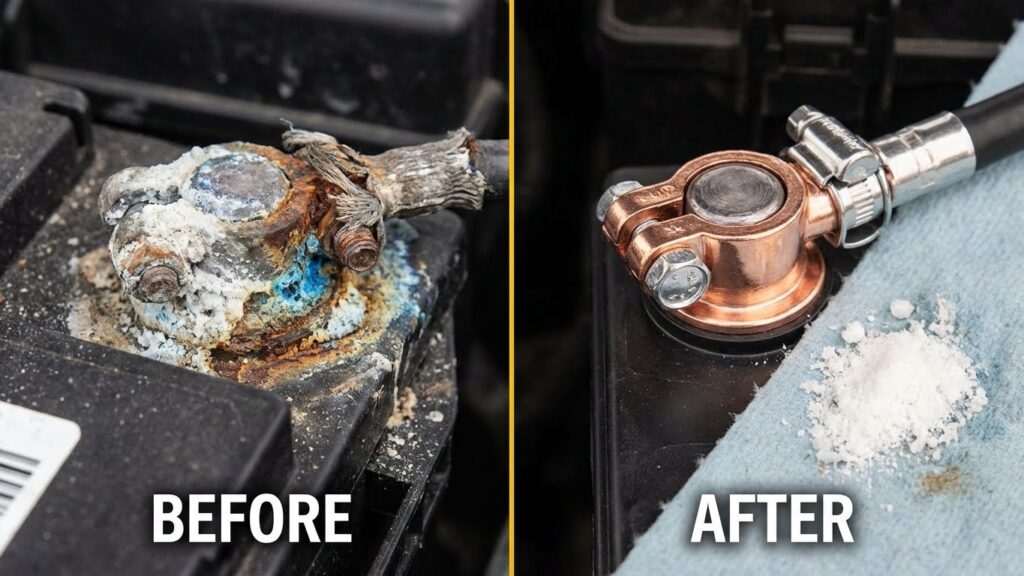
Battery terminals can corrode over time due to exposure to moisture, dirt, and chemicals. When corrosion builds up on the terminals, it creates resistance that weakens the electrical connection between the battery and the starter motor. This reduced connection makes it harder for the starter to receive enough power, leading to a clicking sound without the engine turning over.
To check for corrosion, look for white, green, or bluish powder on the terminals. Cleaning the terminals with a mixture of baking soda and water or using a specialized battery terminal cleaner can restore proper contact. It is important to disconnect the battery before cleaning to avoid electrical shocks or shorts.
Loose Wiring Connections
Loose wiring can stop adequate power from reaching the starter or other electrical systems in the car. Vibrations from driving or simple wear over time can cause wires to become disconnected or partially detached. When wires are loose, the starter may get intermittent power, causing clicking noises and failure to start.
Inspecting wiring around the battery, starter, and related fuse box areas is essential when diagnosing clicking sounds. Tightening any loose connectors and securing wires to prevent movement helps maintain a stable electrical circuit. Loose grounds or corroded connectors in these areas should also be repaired to ensure reliable power delivery.
Starter System Malfunctions
Starter system problems often cause the clicking noise when trying to start a Honda Civic. These issues usually involve parts that either fail to engage or send power correctly, preventing the engine from turning over.
Worn Out Starter Solenoid
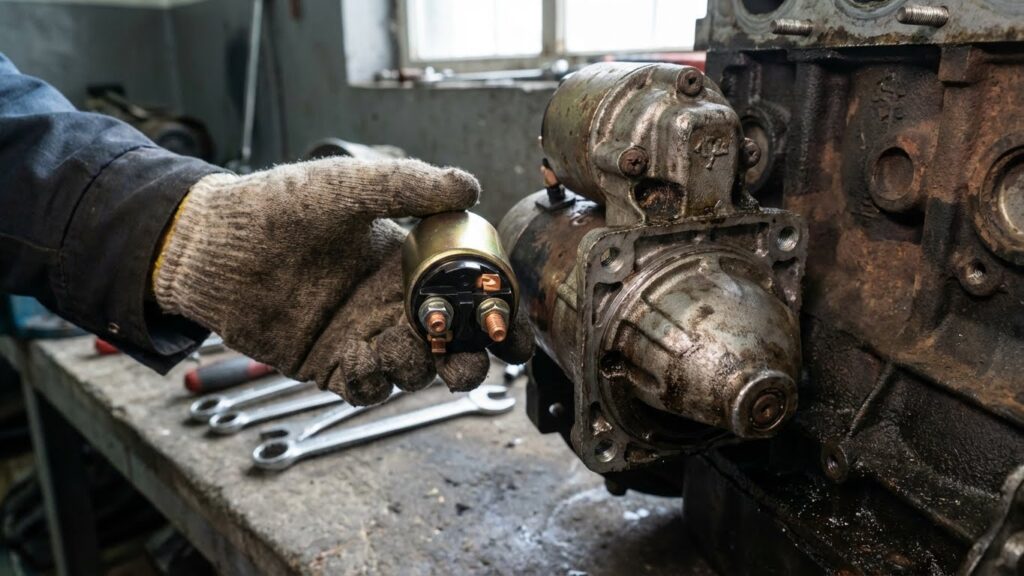
The starter solenoid acts as a switch that sends electrical current from the battery to the starter motor. When the solenoid wears out, it may fail to complete the circuit fully. This causes the clicking sound without the engine turning over.
Symptoms of a bad solenoid include a single strong click or repeated clicking when turning the key. The engine won’t crank even if the battery is charged. Sometimes tapping the solenoid gently can help temporarily. Replacement is typically needed if the problem persists.
Defective Ignition Switch
The ignition switch controls power to the starter system when the key is turned. If this switch is faulty, it might not send the proper signal to the starter solenoid. This leads to the clicking noise without engine start.
Signs of a bad ignition switch include intermittent starting problems, where the click happens sometimes but not always. Other electrical components might also act erratically. Diagnosing a defective ignition switch often requires checking voltage output during start attempts. Fixing or replacing the switch usually resolves the problem.
Honda Civic Model-Specific Considerations
Different Honda Civic models and years can have unique reasons for clicking noises when starting. Some issues are more common in newer models, while others relate to factory recalls or service updates.
Common Issues in Recent Model Years
Recent Honda Civic models, especially from 2016 onward, often experience clicking noises linked to battery and starter motor problems. A weak battery or corroded battery terminals are frequent causes. These models may also face issues with the starter relay or poor electrical connections.
Certain 2016-2020 Civics have reported clicking or clunking sounds under low RPMs during acceleration and deceleration, often due to worn CV joints or engine mounts. Hybrid Civics may show clicking noises related to their unique electrical systems or inverter units.
Routine battery maintenance and timely starter inspection can reduce these noises. Owners should monitor for repeated clicks when turning the key or pressing the start button, as this usually signals a part that needs repair or replacement.
Known Recalls or Technical Service Bulletins
Honda has issued recalls and technical service bulletins (TSBs) addressing clicking or no-start noises in some Civic models. These often relate to faulty starter motors or wiring harness problems that cause intermittent clicking.
For example, certain 2012-2015 Civics had recalls to replace starter motors that failed prematurely. Later models received TSBs covering battery terminal corrosion and software updates to the engine control module (ECM) that can influence starting behavior.
Owners can check their vehicle identification number (VIN) on Honda’s official site or contact authorized dealers to see if their Civic is included in any active recalls or TSBs. Addressing these manufacturer fixes can prevent clicking noises caused by known defects.
How to Fix Clicking Noise When Starting
A clicking noise when starting a Honda Civic usually means the engine isn’t getting enough power to turn over. Fixing this often involves checking the battery, cleaning the battery terminals, or replacing the starter motor, depending on the root cause.
Replacing the Battery
A weak or dead battery is the most common reason for the clicking noise. If the battery can’t supply enough power, the starter motor struggles to engage, causing the click sound. Testing the battery with a multimeter can show if the voltage is below 12.4 volts, indicating it needs replacing.
When replacing the battery, choose one that fits the Civic’s model and year to ensure proper performance. After installing a new battery, check all connections for tightness. A fully charged, healthy battery usually solves the clicking noise issue.
Cleaning Battery Terminals
Corroded or loose battery terminals can stop electricity from flowing properly, leading to the clicking sound. Visual inspection will often show white or green corrosion on the terminals. Cleaning these can restore power flow.
To clean, disconnect the battery cables starting with the negative terminal. Use a mixture of baking soda and water with a brush to remove corrosion. Dry the terminals well before reconnecting. After cleaning, ensure the cables are securely fastened to improve electrical contact.
Starter Motor Replacement
If the battery and terminals are fine but the clicking continues, the starter motor may be faulty. A bad starter can’t engage the engine flywheel correctly, causing the clicking noise without starting the engine.
Replacing the starter motor requires disconnecting the battery first to avoid electrical shock. The starter is usually located at the engine’s lower side and is held by bolts and electrical connections. After removing the old starter, install a new one designed specifically for the Honda Civic’s engine type. Testing after replacement should show that the clicking noise is gone and the engine starts as expected.
Preventative Maintenance Tips
Regular maintenance helps prevent clicking noises when starting a Honda Civic. One key step is to check the battery condition often. A weak or old battery can cause the starter to click without turning the engine over. Cleaning the battery terminals and tightening connections keeps electrical flow smooth.
Inspecting the starter motor and its wiring is also important. Corrosion or loose wires can stop the starter from getting enough power, causing clicking sounds. Making sure grounds and connections are secure reduces the chance of electrical issues.
It is helpful to perform a simple battery test every few months. If the battery voltage is low, it may need charging or replacement. This helps avoid unexpected no-start situations.
Additionally, keeping the engine and surrounding parts free of dirt and grime helps parts work properly. Dirt buildup can affect connections and cause resistance in circuits.
Here is a quick checklist for preventative care:
- Check battery voltage and charge level
- Clean and tighten battery terminals
- Inspect starter motor wiring
- Secure ground connections
- Keep engine area clean
Following these steps supports reliable starting and reduces clicking problems. Regular attention to these areas saves time and repair costs over the life of the vehicle.
When to Seek Professional Help
If the clicking noise persists after simple checks, it is time to contact a professional. For instance, if jump-starting the car or cleaning battery terminals does not fix the issue, a mechanic should inspect the vehicle.
A professional is needed when the problem is not just a weak battery. Issues like a faulty starter motor, damaged CV joints, or electrical wiring problems require expert tools and knowledge. These problems can be difficult to diagnose without experience.
Also, if the clicking noise comes with other symptoms such as the engine turning over slowly, lights dimming, or the car not responding at all, professional help is recommended. These signs often point to deeper electrical or mechanical problems.
Here are some clear signs to see a professional:
- Clicking noise continues after battery is replaced or charged
- Car starts inconsistently or fails to start entirely
- Other electrical issues occur, such as flickering dashboard lights
- Visible damage or corrosion around engine components
Ignoring the noise or simple fixes may lead to more damage and costly repairs. Professionals have the tools to test starter circuits, batteries, and other parts accurately. They can provide a proper diagnosis and repair to get the car running reliably again.
Cost Estimates for Common Repairs
When a Honda Civic makes a clicking noise at startup, several repairs might be needed. The most common causes include a weak battery, faulty starter motor, or issues with the electrical connections.
A battery replacement usually costs between $100 and $200, depending on the battery brand and installation fees. If the battery is weak or dead, this is often the simplest and quickest fix.
The starter motor repair or replacement tends to be more expensive. It can range from $250 to $500 because it involves both parts and labor. Starter problems often cause repeated clicking without the engine turning over.
Electrical issues like corroded or loose cables might cost less. Cleaning or tightening these connections could be around $50 to $150. Diagnosing the exact problem often requires a professional inspection, which can cost between $120 and $180.
Here is a brief estimate for typical repairs related to clicking noises at start:
| Repair Type | Estimated Cost Range | Notes |
|---|---|---|
| Battery Replacement | $100 – $200 | Most common cause of clicking noise |
| Starter Motor Repair | $250 – $500 | Labor-intensive, part replacement needed |
| Electrical Repairs | $50 – $150 | Cleaning or tightening connections |
| Noise Diagnosis | $120 – $180 | Used before repair to find the issue |
These costs can vary by location and service provider. Getting a detailed quote from a trusted mechanic is advised before proceeding with repairs.
FAQs
Why does my Honda Civic make a clicking noise but won’t start?
This usually happens because the battery is weak or dead. When the battery cannot provide enough power, the starter motor clicks but does not turn the engine. Corroded battery terminals or a poor connection can also cause this problem.
Can a bad starter motor cause clicking sounds?
Yes, a faulty starter motor or a bad electrical connection to it can produce a clicking noise when trying to start the car. If the battery is fine, the starter motor may need inspection or replacement.
How can I fix the clicking sound?
First, check the battery charge and try jump-starting the vehicle. Cleaning the battery terminals and ensuring tight connections can help. If the problem continues, the starter motor or wiring might be the issue.
Is this a common issue with Honda Civics?
Yes, many Honda Civic owners experience clicking noises on start-up. It’s often a simple fix but can sometimes need professional attention, especially if the starter or electrical system is involved.
Where can I find more detailed guides on battery and starter care?
Reliable information is available from sources like the Battery University and Honda’s official maintenance site, which offer clear instructions on battery and starter battery management.
Conclusion
A clicking noise when starting a Honda Civic usually points to common issues like a weak battery, poor electrical connections, or a faulty starter motor. These problems are often easy to check and fix, especially with basic tools or by jump-starting the car.
It is important to inspect the battery terminals for corrosion and make sure all connections are tight. If the battery is fully charged and the clicking continues, the starter motor or its wiring might be the next components to test.
Using a simple checklist can help:
| Step | Action |
|---|---|
| 1. Battery charge | Test or jump-start the battery |
| 2. Terminal check | Clean and tighten connections |
| 3. Starter motor test | Inspect or replace if faulty |
Regular maintenance can reduce the chance of this issue. Keeping the battery in good condition and checking electrical parts helps avoid unexpected failures. When in doubt, seeking professional help ensures the problem is properly diagnosed and repaired.