

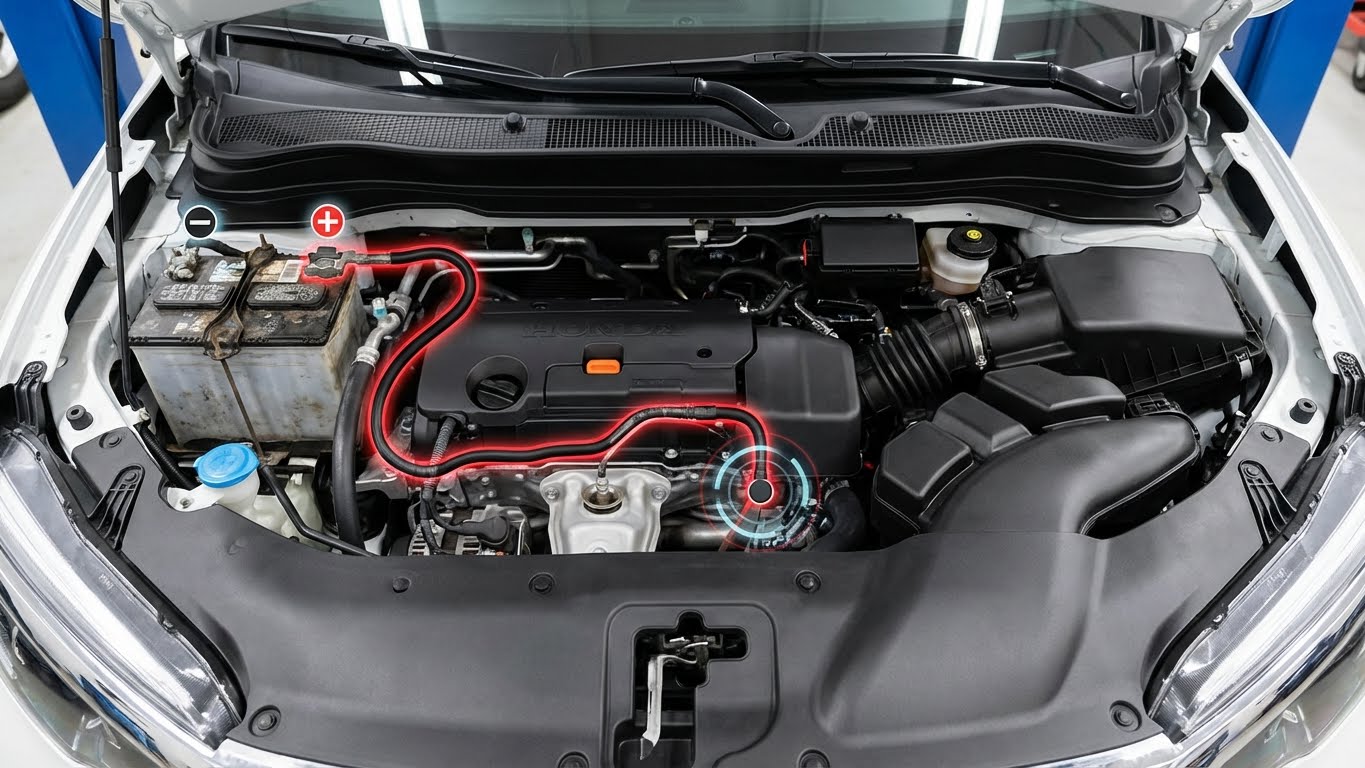
A clicking noise when starting a Honda Pilot usually points to an issue with the vehicle’s electrical system, most often related to the battery. The most common cause is a weak or dead battery that can’t provide enough power to the starter, even though the solenoid clicks. This sound indicates the starter is trying to engage, but the engine won’t turn over because of insufficient electrical current.
Other possible causes include corroded battery terminals, poor connections to the starter, or a failing starter motor. These problems prevent the necessary flow of power and lead to the same clicking noise without the engine starting. Understanding these potential causes can help identify the right fix quickly.
Diagnosing this issue involves checking the battery condition, inspecting cables and terminals, and testing the starter motor. Many of these problems can be fixed with simple maintenance or part replacement, saving time and money.
Key Takeaways
- A weak battery is the most common reason for the clicking noise when starting.
- Proper inspection of connections and the starter is important for accurate diagnosis.
- Simple fixes often resolve the issue, but some cases require professional help.
Contents
- 1 Common Causes of Honda Pilot Clicking Noise When Starting
- 2 How to Diagnose the Clicking Noise
- 3 Step-by-Step Troubleshooting Process
- 4 Repair Options for Clicking Noise Issues
- 5 When to Seek Professional Help
- 6 Preventative Maintenance Tips
- 7 Potential Costs and Time Estimates
- 8 Summary of Key Findings
- 9 FAQs
- 10 Conclusion
Common Causes of Honda Pilot Clicking Noise When Starting
A clicking noise when trying to start a Honda Pilot usually points to issues with the electrical or starter system. These problems stop the engine from turning over properly. Identifying the exact cause often involves checking the battery, starter motor, connections, and solenoid.
Dead or Weak Battery
A dead or weak battery is the most frequent cause of a clicking sound. The battery may have enough power to turn on the dashboard lights but not enough to start the engine.
Over time, batteries lose their charge or develop faults that reduce output. Cold weather can also lower battery capacity, making it harder to start the vehicle. Testing the battery voltage with a multimeter can quickly show if it’s too low.
If the battery is weak or dead, jump-starting or replacing it often solves the problem.
Faulty Starter Motor
The starter motor is responsible for turning the engine over. When it fails, it may cause a rapid clicking sound as it attempts to engage but cannot.
Common signs of a bad starter motor include the clicking noise alongside a lack of engine movement. The motor’s internal parts like the brushes or armature may wear out over time, especially with high mileage.
If the starter motor is faulty, it usually needs replacement since repairs are not often cost-effective.
Bad Battery Connections
Corroded or loose battery terminals can prevent enough current from reaching the starter motor. This resistance results in the clicking noise when trying to start.
Checking and cleaning the battery terminals with a baking soda solution and a brush can remove corrosion. Tightening loose cables ensures a good electrical connection.
Even if the battery is strong, poor connections can cause starting problems.
Failing Solenoid
The starter solenoid acts as a switch that delivers power from the battery to the starter motor. If it fails, the motor won’t get enough electricity, causing the starter to click without cranking the engine.
The solenoid can wear out or develop electrical faults over time. Signs of solenoid failure often overlap with starter motor issues but can be tested separately.
Replacing the solenoid usually restores the proper flow of electricity needed to start the vehicle.
How to Diagnose the Clicking Noise
Diagnosing the clicking noise when starting a Honda Pilot involves careful listening and simple checks. Identifying if the clicks are single or rapid, observing dashboard lights, and testing the battery can reveal the root cause of the problem.
Listening for Single vs. Rapid Clicks
The sound pattern of the clicking noise gives important clues. A single loud click often points to a starter motor or solenoid issue. This means the starter may be failing to engage the engine properly.
In contrast, rapid clicking usually signals a weak or dead battery. The starter tries to crank the engine but does not get enough power to turn over. This fast clicking can come in quick succession as the starter motor repeatedly attempts to start the engine.
Pay close attention to the speed and strength of the clicks. This step helps narrow down whether the problem is electrical or mechanical in nature.
Checking Dashboard Indicator Lights
Dashboard lights provide useful information when diagnosing starting problems. When the key is turned, certain warning or indicator lights should turn on and then go off as the engine starts.
If the battery light or check engine light stays on or blinks during the clicking noise, it suggests electrical system issues. Low battery voltage or a failing alternator can cause these lights to behave unusually.
If no dashboard lights come on at all, it could mean a blown fuse or a serious electrical fault. The presence and behavior of the lights help pinpoint where to focus diagnostic efforts next.
Testing Battery Voltage
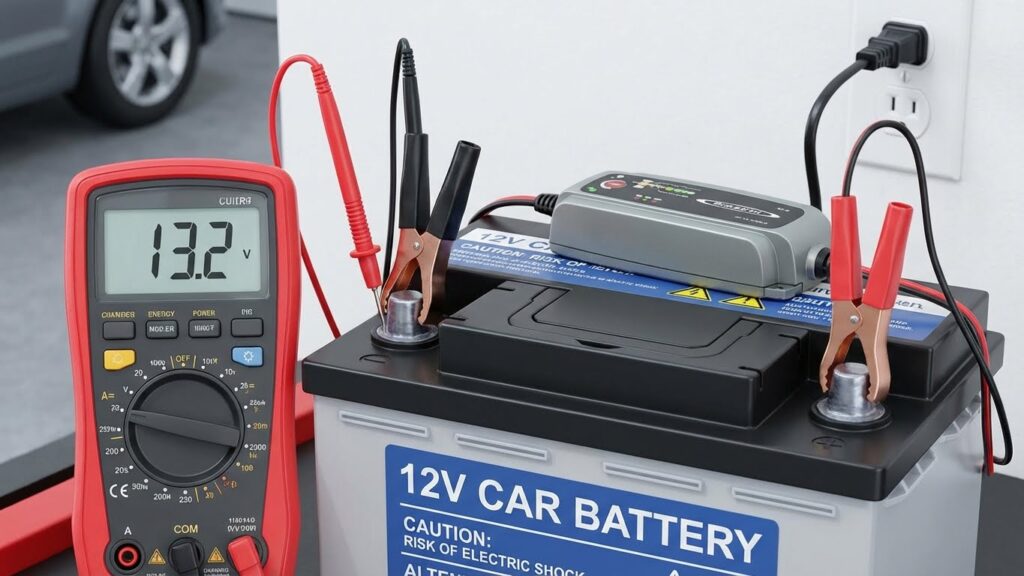
Testing the battery’s voltage is a crucial step in diagnosing clicking noises at start-up. A fully charged battery should read around 12.6 volts or higher with the engine off.
If the voltage is below 12.4 volts, the battery may be weak or partially discharged. Voltage under 12 volts usually means the battery cannot supply enough power to the starter.
Using a multimeter, one can check the voltage across the battery terminals. It also helps to inspect the battery terminals for corrosion or loose connections, which can affect voltage delivery and cause clicking noises.
Step-by-Step Troubleshooting Process
When a Honda Pilot makes a clicking noise but won’t start, it usually points to issues with the battery, electrical connections, or control systems. Checking these parts carefully helps diagnose the problem quickly. The process involves looking for visible signs of wear or damage, testing power through jump-starting, and making sure fuses and relays are working correctly.
Visual Inspection of Battery and Cables
Start by examining the battery for any signs of damage like cracks or leaks. Check the battery terminals closely for corrosion, which can appear as white, green, or blue powder. Corrosion blocks electrical flow and should be cleaned using a mix of baking soda and water or a battery terminal cleaner.
Next, inspect the battery cables. Make sure the connections are tight and the cables aren’t frayed or broken. Loose or damaged cables can cause insufficient power to reach the starter, leading to a clicking noise. Also, confirm the ground cable is securely connected to the vehicle’s frame or engine block, as a poor ground can disrupt electrical circuits.
Jump Starting Procedures
If the battery looks okay but the Pilot still clicks and won’t start, try jump-starting it. Use jumper cables connected to another vehicle’s battery. Attach the positive (red) cable to the positive terminals on both batteries. Connect the negative (black) cable to the negative terminal on the good battery and a metal, unpainted part of the dead vehicle’s engine or frame.
After the connections, start the working vehicle first, then the Honda Pilot. If the engine starts, the problem is likely a weak or dead battery. Let the Pilot run for at least 15-20 minutes to recharge the battery. If it doesn’t start even after a jump, the issue could be something else like the starter motor or electrical wiring.
Inspecting Fuses and Relays
Fuses and relays control many electrical functions in the Honda Pilot, including the starting system. Check the fuse box for blown fuses related to the ignition and starter circuit. Use the vehicle’s manual to locate the specific fuses to inspect.
A blown fuse will appear black or broken inside the clear casing and needs replacing with the same amperage fuse. Relays can be swapped with another identical relay in the fuse box to test if they are causing the issue. A faulty relay can prevent the starter from receiving electrical power, leading to the clicking noise but no engine turnover.
Repair Options for Clicking Noise Issues
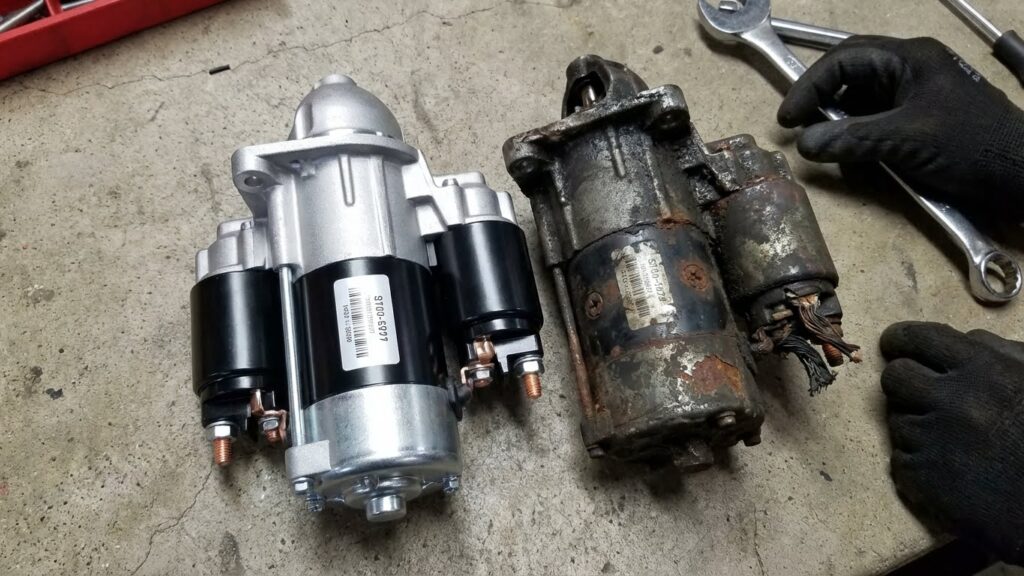
A clicking noise when starting a Honda Pilot often points to specific parts that need attention. Common fixes involve the battery, the starter motor, or the car’s electrical connections. Each option targets a likely cause to improve starting performance and eliminate the noise.
Replacing the Battery
A weak or dead battery is the most frequent cause of clicking sounds at startup. If the battery cannot provide enough power, the starter solenoid will click but fail to turn the engine. Testing the battery’s voltage with a multimeter can confirm if it is undercharged or failing.
Replacing the battery should follow if testing shows weak performance or if the battery is old, usually over 3-5 years. A fresh battery restores proper power flow, allowing the starter motor to engage correctly. It is also important to choose a battery that meets the manufacturer’s specifications for the Honda Pilot to avoid future issues.
Starter Motor Replacement
The starter motor is responsible for turning the engine during startup. When faulty, the starter can produce a clicking sound while failing to crank the engine. This often happens due to worn internal parts or a stuck solenoid.
Replacing the starter motor involves removing the old unit and installing a new, compatible one. Technicians check the starter and electrical connections first to rule out other problems. If testing confirms the starter is bad, replacement usually resolves the clicking noise and no-start problem.
Cleaning or Tightening Connections
Loose or corroded electrical connections are a common but simple cause of clicking noises at engine start. Battery terminals, starter connections, or ground wires that are dirty or loose can interrupt electrical flow.
Cleaning corrosion with a battery terminal cleaner and tightening connections can restore a reliable electrical path. This fix is often quick and inexpensive. It is recommended to inspect all relevant cables and terminals, including the negative battery cable and the starter motor connections, as even small issues can cause clicking and starting problems.
When to Seek Professional Help
If the clicking noise continues despite simple fixes or if the problem involves complex electrical parts, professional help is necessary. Diagnosing certain issues requires special tools and expertise that most owners don’t have.
Persistent Clicking After Battery Replacement
When a new battery is installed but the clicking noise remains, the problem often lies beyond the battery itself. It could mean the battery terminals are corroded or loose, preventing proper power flow to the starter.
Another common cause is a failing starter motor or solenoid. Even with good battery power, these parts can malfunction and produce clicking sounds without turning the engine.
At this stage, testing the starter’s electrical draw and inspecting the wiring is important. Professionals use diagnostic equipment to confirm these issues. Trying to fix it without proper knowledge can cause further damage or wasted effort.
Electrical System Complications
Some clicking problems come from deeper electrical issues, such as a bad ignition switch or poor ground connections. These problems block the signal from reaching the starter motor, causing the frequent clicking noise.
Faulty wiring harnesses, blown fuses, or issues with the immobilizer system can also trigger this symptom. These parts require detailed inspection and sometimes replacement.
Because modern vehicles rely heavily on complex electrical systems, only trained mechanics can safely and accurately identify and fix these subtle problems. Attempting repairs without experience can lead to safety risks or additional failures.
Preventative Maintenance Tips
Maintaining a Honda Pilot to avoid clicking noises when starting involves focusing on key electrical components. Proper care of the battery and the connections ensures reliable starts and prevents common electrical failures.
Regular Battery Testing
The battery is the most common cause of clicking noises during startup. It should be tested regularly, especially before cold weather or long trips. A simple voltage test can indicate if the battery holds enough charge. If the voltage drops below 12.4 volts when the engine is off, the battery may need charging or replacement.
Battery terminals should be inspected for corrosion or buildup that can reduce power flow. Cleaning with a battery terminal cleaner or a vinegar and baking soda solution helps maintain a strong connection. It is also important to check the battery’s age; most car batteries last about 3 to 5 years. Replacing an old or weak battery before it fails can prevent unexpected starting issues.
Inspecting Wiring and Terminals
The wiring and terminals connected to the battery and starter are critical for starting the engine. Loose or corroded terminals should be tightened and cleaned as needed. Corrosion acts as a barrier, reducing electrical current and causing clicking sounds without cranking the engine.
Inspect all visible wiring for cracks, frays, or damaged insulation. Any compromised wires can cause poor electrical flow or shorts, leading to starting problems. The starter’s ground connection must also be secure and free of rust or paint, ensuring a good path for electricity.
Regularly inspecting and maintaining wiring and terminals helps maintain a reliable electrical system and reduces clicking noises when starting the vehicle.
Potential Costs and Time Estimates
Fixing a clicking noise when starting a Honda Pilot usually depends on the root cause. The most common issues involve the battery, starter motor, or battery connections.
Replacing a weak or dead battery typically costs between $100 and $200, including parts and labor. This job is often quick, usually taking 30 minutes to an hour.
If the problem lies with corroded or loose battery terminals or cables, cleaning or tightening takes less time. This service can cost around $50 to $100 and may be done in under an hour.
A faulty starter motor is more expensive. The cost to replace a starter ranges from $300 to $600, depending on parts and labor. This repair may take 1 to 3 hours.
Other potential fixes like repairing poor electrical grounds or connections could cost less but vary with the complexity of the issue.
| Repair Type | Estimated Cost | Time Required |
|---|---|---|
| Battery Replacement | $100 – $200 | 30 minutes – 1 hour |
| Battery Terminal Repair | $50 – $100 | < 1 hour |
| Starter Motor Replacement | $300 – $600 | 1 – 3 hours |
In all cases, testing the battery and starter with diagnostic tools helps narrow down the issue. Proper diagnosis often takes 15 to 30 minutes and ensures the right part is repaired or replaced.
Summary of Key Findings
A clicking noise from a Honda Pilot when starting usually points to an issue with the vehicle’s electrical or starting system. The most common cause is a weak or dead battery. If the battery cannot supply enough power, the starter motor clicks but does not turn the engine over.
Other frequent causes include corroded or loose battery terminals, which can block electrical flow. Poor connections to the starter or a bad ground connection may also lead to the clicking sound. In some cases, the starter motor itself might be malfunctioning.
Signs that indicate this problem often include dimming dashboard lights and repeated clicking noises without the engine actually starting. This suggests the battery or starter isn’t receiving or delivering enough power.
Actions to try first include:
- Checking the battery charge and condition.
- Inspecting and cleaning battery terminals.
- Attempting a jump-start with jumper cables and another vehicle.
If these steps fail, the starter motor or electrical wiring should be inspected. Repairing or replacing poor connections or faulty parts often resolves the issue quickly.
The clicking noise is typically a warning of an electrical problem rather than a mechanical issue with the engine itself. Addressing electrical components early can prevent further starting troubles.
FAQs
Why does my Honda Pilot make a clicking noise when I try to start it?
The clicking sound usually means the starter solenoid is trying to engage the engine, but the engine isn’t turning over. This often happens because of a weak or dead battery, corroded battery terminals, or a faulty starter motor.
Can a bad battery cause the clicking noise?
Yes. A weak battery often lacks enough power to start the engine, causing a rapid clicking noise. Jump-starting the vehicle or replacing the battery can solve this issue. It’s important to check the battery health regularly to avoid unexpected problems.
Is the starter motor a common cause of the clicking noise?
It is. If the starter motor or its electrical connections fail, the engine won’t crank, even though you hear clicking. A grinding noise along with clicking can also indicate a starter motor problem. Inspecting the starter and wiring can help find the root cause.
What should someone check first if their Honda Pilot clicks but won’t start?
They should begin by testing the battery and cleaning the terminals. Then, they can check for a proper ground connection and inspect the starter motor. If unsure, consulting a professional is smart. The National Highway Traffic Safety Administration (NHTSA) website offers good tips on vehicle starting issues.
Are ignition switch problems related to the clicking sound?
Sometimes. If the ignition switch does not send the right signal, the starter won’t engage properly, causing clicking without starting. This issue is less common but worth checking if the battery and starter are fine.
For more detailed guidance, the Honda Owners website offers useful maintenance advice.
Conclusion
A clicking noise when starting a Honda Pilot usually points to an issue with the battery or the starter. Common causes include a weak or dead battery, corroded battery terminals, and poor electrical connections. These problems prevent the starter motor from engaging fully, which causes the clicking sound.
It is important to check the battery’s charge and the condition of its terminals first. Jump-starting the vehicle or cleaning the terminals can often fix the issue quickly. If the battery and connections are fine, the starter motor or its wiring may need inspection or repair.
Here is a quick checklist of what to verify:
| Check Item | What to Look For |
|---|---|
| Battery | Proper voltage, no corrosion |
| Battery terminals | Clean and tight connections |
| Starter motor | Functioning properly, no damage |
| Electrical wiring | Secure and free of damage |
| Ground connections | Strong and clean |
Routine maintenance can keep the starting system reliable. Early attention to warning signs, like repeated clicking or slow cranking, helps avoid getting stranded. If basic fixes don’t work, professional diagnosis is recommended to find the root cause.