

Boosting your CB radio signal is easier than you think. By optimizing your antenna setup, minimizing interference, and using signal enhancers, you can enjoy clearer and stronger reception. These practical tips will help you communicate more effectively on the road or at home.
Contents
- 1 Key Takeaways
- 2 Quick Answers to Common Questions
- 3 📑 Table of Contents
- 4 How to Boost CB Radio Signal for Clearer and Stronger Reception
- 5 1. Upgrade and Tune Your Antenna
- 6 2. Optimize Antenna Placement
- 7 3. Improve Grounding and Wiring
- 8 4. Minimize Interference and Noise
- 9 5. Consider Signal Boosters and Amplifiers
- 10 6. Regular Maintenance and Upkeep
- 11 Conclusion
- 12 Frequently Asked Questions
- 13 Author
Key Takeaways
- Antenna quality matters: A high-quality, properly tuned antenna greatly improves signal strength and clarity.
- Optimal antenna placement: Positioning your antenna in the right spot reduces signal loss and interference.
- Use a good grounding system: Proper grounding enhances transmission and reception quality.
- Minimize interference: Keep your radio away from electronic devices that cause noise and static.
- Consider signal boosters: Amplifiers and signal enhancers can extend your communication range.
- Regular maintenance: Check and maintain your equipment for consistent performance.
Quick Answers to Common Questions
How can I tell if my antenna is properly tuned?
Use an SWR meter to check the antenna’s tuning. A good antenna will have an SWR reading below 1.5, indicating minimal signal reflection.
What’s the best place to mount a CB antenna on my vehicle?
The highest point, such as the roof, is ideal. This reduces obstructions and improves signal range.
Can interference from my car’s electronics affect CB radio reception?
Yes, devices like alternators and LED lights can cause noise. Using ferrite beads and keeping the radio away from these devices helps reduce interference.
Are CB signal amplifiers legal to use?
Most countries limit CB radio power output to 4 watts. Using amplifiers beyond this limit may be illegal, so check your local regulations before installing one.
How often should I maintain my CB radio equipment?
Regularly inspect your antenna, cables, and connectors every few months to ensure they’re clean, tight, and free from damage for the best signal quality.
📑 Table of Contents
How to Boost CB Radio Signal for Clearer and Stronger Reception
If you love using your CB radio for chatting on the road or staying connected in remote areas, you know how frustrating a weak or noisy signal can be. The good news is, you don’t need to be a radio expert to improve your CB radio signal. With a few simple adjustments and tips, you can enjoy clearer conversations and a stronger connection.
CB radios operate on shortwave frequencies and rely heavily on your antenna and setup. Even small tweaks can make a big difference in signal quality. In this article, we’ll walk you through the best ways to boost your CB radio signal, from antenna upgrades to reducing interference, so you can get the most out of your device.
1. Upgrade and Tune Your Antenna
Why Antenna Quality Is Crucial
Your antenna is the heart of your CB radio system. A poor antenna means weak signals and static-filled audio. Investing in a high-quality antenna designed for CB frequencies (around 27 MHz) will immediately improve your reception and transmission.
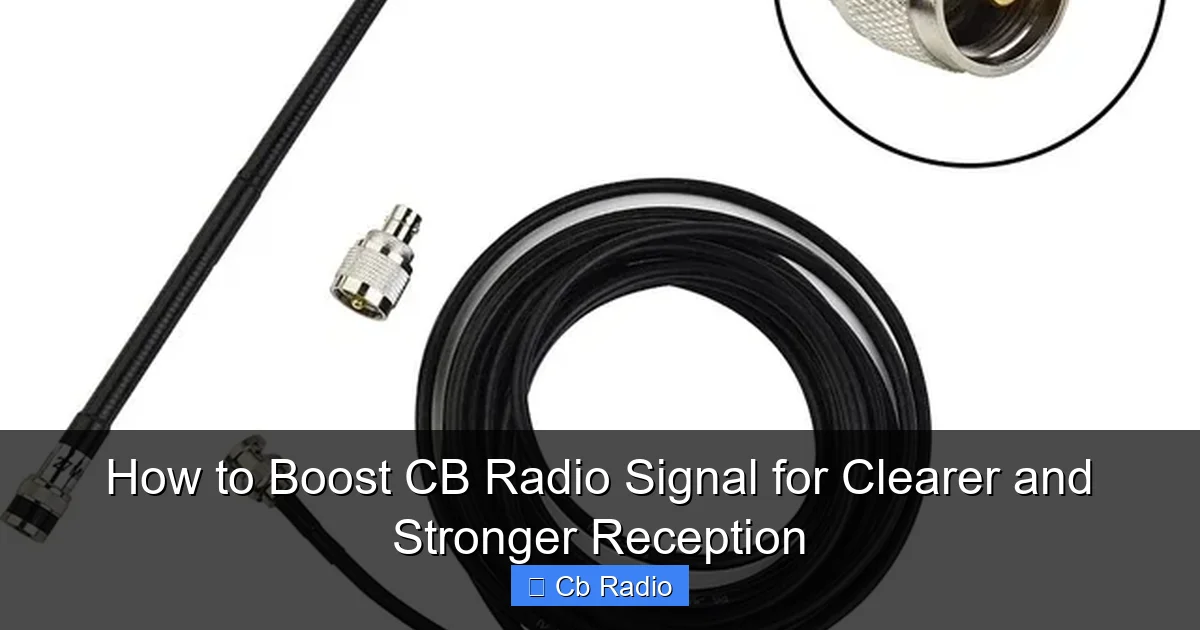
Visual guide about How to Boost CB Radio Signal for Clearer and Stronger Reception
Image source: picclickimg.com
Selecting the Right Antenna
Look for antennas with good reviews and proper length. The ideal antenna length for CB radio is typically around 102 inches (1/4 wavelength), but shorter antennas with loading coils can work well if space is limited.
Proper Tuning with an SWR Meter
Once your antenna is installed, tuning it with an SWR (Standing Wave Ratio) meter ensures it matches your radio’s frequency. A low SWR reading (ideally below 1.5) means less signal reflection and better transmission power. Tuning your antenna might involve adjusting its length slightly or repositioning it.
2. Optimize Antenna Placement
Find the Highest Possible Mounting Spot
Height matters when it comes to antennas. Mounting your antenna as high as possible—like on your vehicle’s roof or a tall mast—reduces obstructions and increases your signal range.
Keep It Clear of Obstructions
Avoid placing your antenna near metal objects, trees, or buildings that can block or reflect signals. A clear line of sight helps signals travel farther and with less interference.
Ground Plane Considerations
For mobile setups, your vehicle acts as a ground plane. Ensure your antenna has solid contact with the metal body to maximize performance. If you’re using a base station, install a proper ground plane or a ground rod for better results.
3. Improve Grounding and Wiring
Why Grounding Is Important
Good grounding helps reduce electrical noise and improves signal clarity. It also protects your equipment from electrical surges.
How to Ground Your CB Radio
- Connect the radio chassis to the vehicle’s metal body or a dedicated grounding rod for base stations.
- Use short, thick wires for grounding to reduce resistance.
- Check all ground connections regularly to ensure they remain clean and tight.
Use Quality Coaxial Cable
Your coax cable carries the radio signal to the antenna. Use low-loss coaxial cable (like RG-8 or better) and keep cable runs as short as possible. Old or damaged cables can degrade your signal significantly.
4. Minimize Interference and Noise
Identify Common Sources of Interference
Electronic devices such as LED lights, car alternators, mobile phones, and other radios can cause noise on your CB frequencies. Identifying and reducing these sources will clean up your signal.
Use Ferrite Beads and Filters
Installing ferrite beads on power and audio cables helps reduce electromagnetic interference. Additionally, noise filters designed for CB radios can block unwanted static and hum.
Keep Your Radio Away from Other Electronics
Position your CB radio and antenna control head away from other electronic devices inside your vehicle or home to minimize interference pickup.
5. Consider Signal Boosters and Amplifiers
When to Use a CB Amplifier
If you’ve optimized your setup but still want more range, a CB amplifier can boost your transmission power. However, be aware of legal limits—most countries restrict CB radio power output to 4 watts.
Types of Boosters
- Linear Amplifiers: Increase transmission power but require careful tuning to avoid signal distortion.
- Signal Repeaters: Devices that receive and retransmit signals to extend range, often used in base stations.
Use Boosters Responsibly
Boosters can improve signal strength but may also increase interference for others. Always follow regulations and test equipment carefully.
6. Regular Maintenance and Upkeep
Check Connections Often
Loose or corroded connectors reduce signal quality. Inspect all plugs, wires, and antenna mounts periodically and tighten or clean as needed.
Replace Worn Components
Coax cables, antennas, and connectors degrade over time, especially if exposed to weather. Replace damaged parts promptly to maintain optimal performance.
Keep Software and Firmware Updated
Some modern CB radios come with firmware updates to improve performance. Check your manufacturer’s website for updates and instructions.
Conclusion
Boosting your CB radio signal is all about the right setup and a bit of care. From choosing a quality antenna and placing it wisely to grounding properly and minimizing interference, each step contributes to clearer, stronger communication. With these simple tips, you can enjoy better conversations whether you’re on the road or at home. Remember, small changes often lead to big improvements in your CB radio experience!
Frequently Asked Questions
What is the main factor affecting CB radio signal strength?
The antenna is the most critical component affecting signal strength. Its quality, length, and placement directly influence how well your CB radio transmits and receives signals.
Can weather impact CB radio performance?
Yes, weather conditions like rain, snow, and fog can weaken CB signals. Moisture can absorb or scatter radio waves, reducing clarity and range temporarily.
Do longer antennas always mean better reception?
Not necessarily. Antennas need to be properly tuned to the CB frequency. An antenna too long or too short without tuning can cause poor performance despite its length.
Is it necessary to ground my CB radio system?
Proper grounding is essential to reduce electrical noise and improve signal quality. It also helps protect your equipment from electrical surges and interference.
What type of coaxial cable is best for CB radios?
Low-loss coax cables like RG-8 or RG-58 are preferred for CB radios. They reduce signal loss over distance and maintain better transmission quality.
How can I reduce static and noise on my CB radio?
Keep your radio away from other electronics, use ferrite beads on cables, install noise filters, and ensure your antenna and grounding are properly set up to minimize static.