

Installing a CB radio is easier than you think! This step-by-step guide walks beginners through the entire process, from selecting the right spot to wiring and testing. Get ready to communicate on the road with confidence and ease.
Contents
- 1 Key Takeaways
- 2 Quick Answers to Common Questions
- 3 📑 Table of Contents
- 4 How to Install a CB Radio Step by Step for Beginners Guide
- 5 1. Understanding Your CB Radio and Equipment
- 6 2. Selecting the Best Location for Your CB Radio
- 7 3. Wiring Your CB Radio Safely and Correctly
- 8 4. Installing the Antenna for Best Performance
- 9 5. Testing and Troubleshooting Your CB Radio
- 10 6. Safety Tips and Final Thoughts
- 11 Conclusion
- 12 Frequently Asked Questions
- 13 Author
Key Takeaways
- Choosing the right location: Placement affects signal strength and ease of use.
- Proper mounting: Secure your CB radio to avoid damage and interference.
- Wiring basics: Correctly connect power and ground for safe operation.
- Antenna installation: Essential for clear transmission and reception.
- Testing and troubleshooting: Verify your setup before hitting the road.
- Safety tips: Avoid electrical hazards and ensure reliable connections.
- Equipment compatibility: Match your CB radio with the right accessories.
Quick Answers to Common Questions
How long does it take to install a CB radio?
For beginners, installation typically takes 1-2 hours, depending on the vehicle and antenna type.
Can I install a CB radio myself without professional help?
Yes! With basic tools and this guide, most people can install a CB radio safely at home.
Where is the best place to mount a CB antenna?
The roof is usually best, as it provides height and a clear signal path.
Do I need to tune my CB antenna after installation?
Yes, tuning with an SWR meter improves signal quality and protects your radio.
Will a CB radio interfere with my car’s electronics?
Proper installation and grounding usually prevent interference with your vehicle’s systems.
📑 Table of Contents
- How to Install a CB Radio Step by Step for Beginners Guide
- 1. Understanding Your CB Radio and Equipment
- 2. Selecting the Best Location for Your CB Radio
- 3. Wiring Your CB Radio Safely and Correctly
- 4. Installing the Antenna for Best Performance
- 5. Testing and Troubleshooting Your CB Radio
- 6. Safety Tips and Final Thoughts
- Conclusion
How to Install a CB Radio Step by Step for Beginners Guide
Whether you’re a trucker, off-roader, or hobbyist, installing a CB radio opens up a new world of communication. But if you’ve never handled a CB radio before, the installation process might seem intimidating. Don’t worry! This guide breaks down the steps into simple, easy-to-follow instructions designed just for beginners.
From selecting the best spot in your vehicle to connecting wires and mounting your antenna, you’ll learn everything you need to know. By the end, you’ll have your CB radio fully installed and ready to use. Let’s dive in!
1. Understanding Your CB Radio and Equipment
What Is a CB Radio?
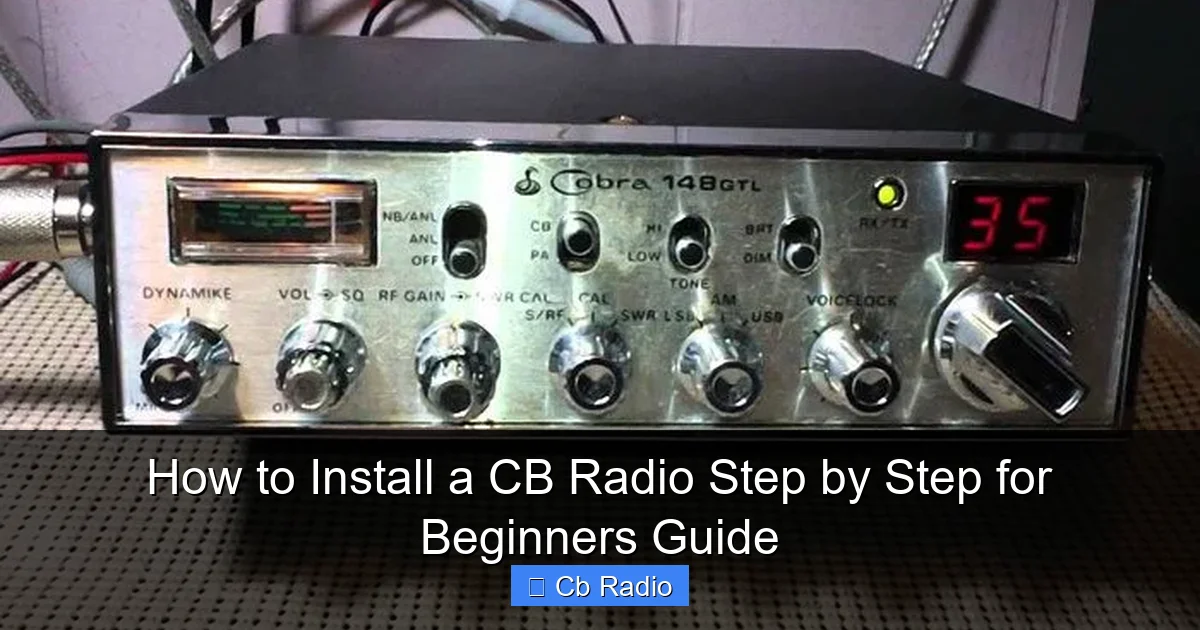
CB (Citizens Band) radios are two-way radios that let you communicate over short distances, usually up to a few miles. They don’t need a license, making them popular for road trips, convoy driving, and outdoor adventures.
Visual guide about How to Install a CB Radio Step by Step for Beginners Guide
Image source: i.pinimg.com
Essential Components
- CB radio unit: The main device with controls and a microphone.
- Antenna: Transmits and receives signals.
- Power cable: Connects the radio to your vehicle’s battery or fuse box.
- Mounting hardware: Brackets or clamps to secure the radio and antenna.
Choosing the Right CB Radio for Your Vehicle
Before installation, pick a radio that fits your needs. Consider size, channel options, and power output. Compact units are great for cars, while more powerful models suit trucks and off-road vehicles.
2. Selecting the Best Location for Your CB Radio
Where Should You Mount the Radio?
The ideal location is within easy reach but out of the way. Common spots include under the dashboard, on the center console, or mounted on a bracket near the driver’s seat.
Considerations for Placement
- Accessibility: You should be able to reach the controls and microphone easily.
- Visibility: Some users prefer to see the display while driving.
- Space: Ensure enough room for cables and ventilation.
Tips for Mounting
Use mounting brackets included with your radio or buy aftermarket options. Avoid drilling holes if possible; use clamps or adhesive mounts to protect your vehicle.
3. Wiring Your CB Radio Safely and Correctly
Power Connections
Most CB radios require a 12V power supply from your vehicle’s battery or fuse box. Use the supplied power cable and red wire for positive (+) connection. Connect the black wire to a good ground point on the vehicle chassis.
Using a Fuse
Always install an inline fuse (usually 10 amps) close to the power source to protect your radio and vehicle electrical system from surges or shorts.
Routing the Wires
- Keep wires away from moving parts like pedals or steering columns.
- Use zip ties or clips to secure cables neatly.
- Avoid running wires parallel to speaker cables to reduce interference.
Practical Tip
If you’re unsure about wiring, consult your vehicle’s manual or a professional. Incorrect wiring can cause damage or fire hazards.
4. Installing the Antenna for Best Performance
Types of CB Antennas
- Magnetic mount antennas: Easy to install on metal surfaces, ideal for temporary setups.
- Fixed mount antennas: Require drilling but provide better signal strength.
- Whip antennas: Flexible rods that offer good range.
Choosing the Antenna Location
The antenna should be mounted as high and clear as possible. Roof mounts are best, but trunk lids or bumpers can work if necessary. Avoid spots blocked by metal parts or accessories that could interfere.
Installing the Antenna
- Clean the mounting surface thoroughly.
- If drilling, be cautious to avoid damaging wiring or fuel lines.
- Connect the antenna coax cable securely to the CB radio.
Tuning Your Antenna
Once installed, use an SWR (Standing Wave Ratio) meter to tune your antenna for optimal performance. This step ensures your signal is clear and prevents damage to your radio.
5. Testing and Troubleshooting Your CB Radio
Initial Power-On
Turn on your CB radio and check if the display lights up. Adjust the volume and squelch controls to hear background noise or transmissions.
Testing Communication
Try talking on a clear channel (usually channel 19 for highway use) and listen for replies. You can also use a second CB radio to test signal quality.
Common Issues and Fixes
- No power: Check fuse and power connections.
- Static or noise: Adjust squelch or check antenna connections.
- Weak signal: Re-tune antenna or reposition it.
6. Safety Tips and Final Thoughts
Safety First
Always disconnect the vehicle battery before wiring to avoid shocks. Use insulated tools and double-check connections. Keep cables tidy to prevent tripping or interference.
Keep Your Setup Legal
Ensure your CB radio complies with local laws and regulations. Avoid using unauthorized frequencies or exceeding power limits.
Enjoy Your CB Radio
Once installed, your CB radio is ready to enhance your driving experience. Whether you’re staying in touch on road trips or joining CB community chats, you now have the skills to set up and maintain your radio with confidence.
Conclusion
Installing a CB radio may seem challenging at first, but with the right steps, it becomes a straightforward DIY project. From picking the perfect location to wiring and antenna setup, each step builds on the last to ensure a reliable connection. Take your time, follow safety tips, and test your system carefully.
Remember: Communication is key on the road, and your CB radio is your trusty companion. Now that you know how to install a CB radio step by step, it’s time to get out there and enjoy clear, dependable communication wherever you go!
Frequently Asked Questions
What tools do I need to install a CB radio?
You’ll need basic tools like screwdrivers, wire strippers, pliers, a drill (for antenna mounts), and possibly an SWR meter for tuning.
Can a CB radio be installed in any vehicle?
Yes, CB radios can be installed in most cars, trucks, and SUVs, but the antenna mounting options may vary.
Is it necessary to ground the CB radio?
Grounding is essential for safety and to reduce electrical noise, ensuring clear communication.
How do I know if my CB radio is working properly?
Power on the unit, listen for background noise, and test transmission with another CB radio or by monitoring common channels.
Can I use a CB radio without an external antenna?
While some radios have built-in antennas, an external antenna greatly improves range and clarity.
What maintenance does a CB radio require?
Keep connections clean, periodically check antenna tuning, and protect the unit from moisture and extreme heat.