

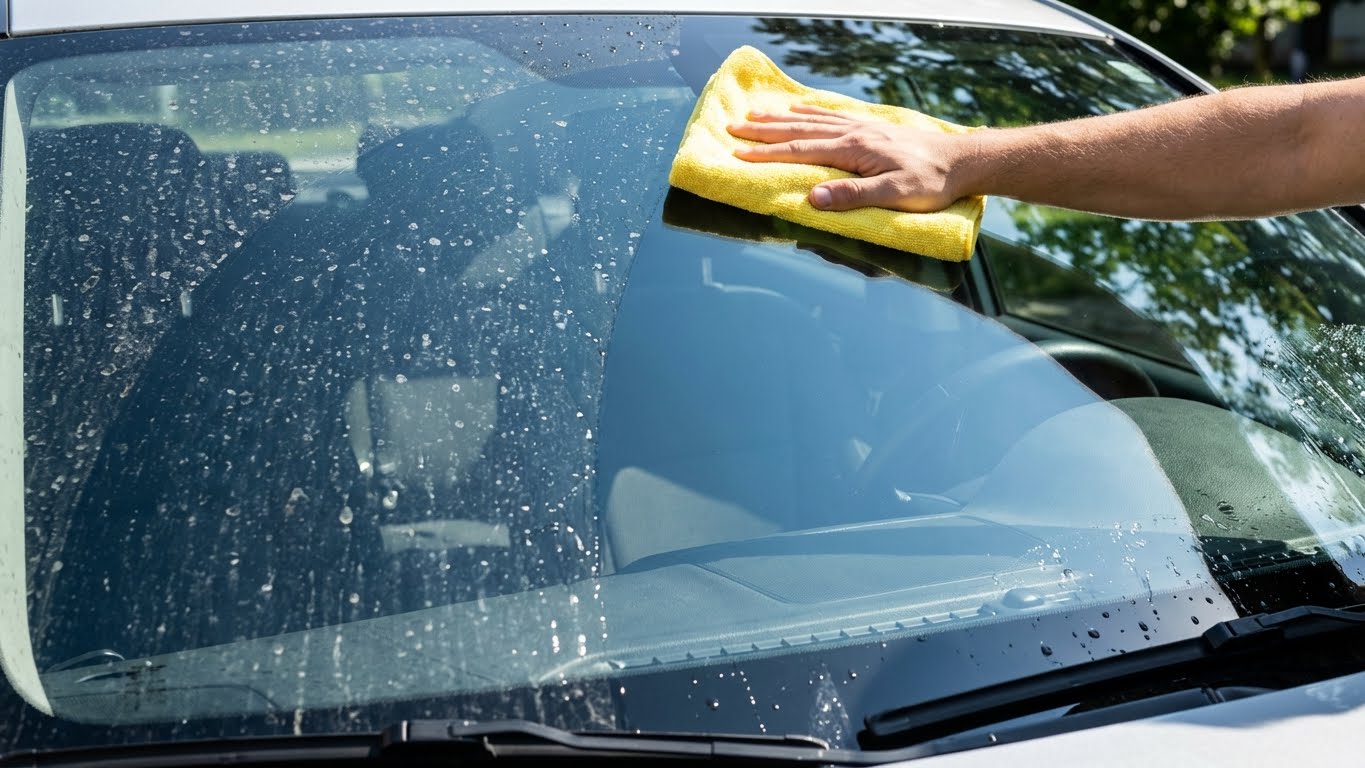
Water spots on car windows come from mineral deposits left behind when water dries, but they can be removed easily with simple products like vinegar, baking soda, or lemon juice. This guide will show the best and safest ways to clean those spots off and restore clear, streak-free glass.
Water spots might seem stubborn, but with the right steps, anyone can get rid of them without special tools. It also explains how to avoid new spots from forming in the future by keeping the windows dry and using protective coatings.
This article covers everything from easy DIY fixes to tips for handling tougher stains. It answers common questions and gives practical advice for keeping car windows clean and clear all year long.
Key Takeaways
- Mineral deposits cause water spots, but simple household items can remove them.
- Regular cleaning and protective care help stop water spots from coming back.
- Effective techniques work for both light stains and stubborn, baked-on spots.
Contents
- 1 Understanding Water Spots on Car Windows
- 2 Preparation Before Removing Water Spots
- 3 Effective Methods to Remove Water Spots
- 4 Advanced Techniques for Stubborn Water Spots
- 5 Post-Cleaning Care and Maintenance
- 6 Preventing Future Water Spots on Car Windows
- 7 When to Seek Professional Help
- 8 FAQs
- 9 Conclusion
Understanding Water Spots on Car Windows
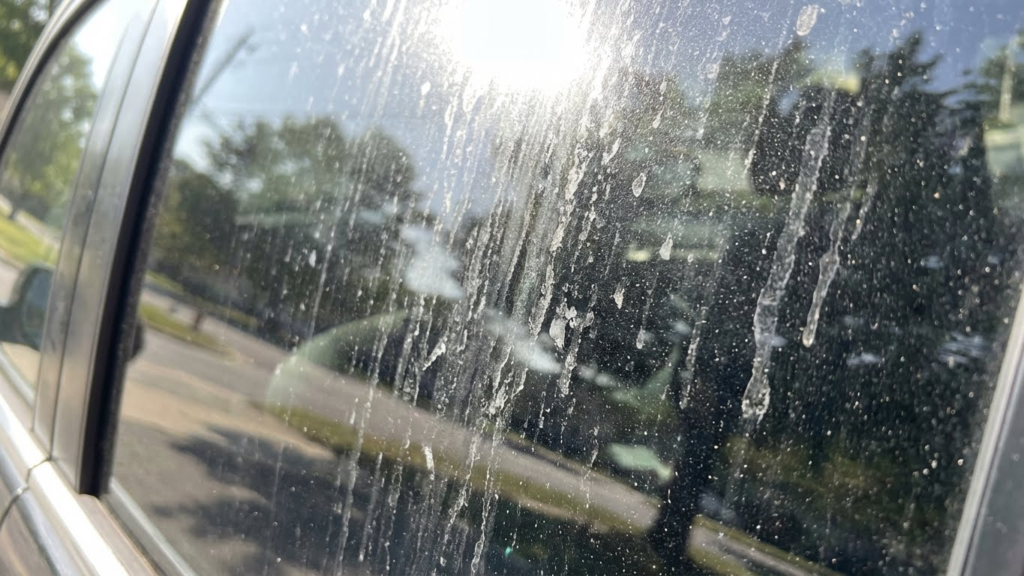
Water spots appear when minerals and impurities in water dry on the glass surface. These spots vary in appearance and can impact both the look and condition of car windows. Some water spots are easy to clean, while others may cause lasting damage if ignored.
What Causes Water Spots
Water spots form when water containing minerals like calcium and magnesium dries on car windows. This mineral-rich water often comes from rain, tap water, or washing cars with untreated water. As the water evaporates, it leaves behind these minerals as visible spots.
Areas with “hard water” have higher mineral content, so water spots appear more frequently and are harder to remove. Dirt and pollution can mix with the minerals and make the spots even more stubborn. Environmental factors like rain, sprinkler systems, and washing without fully drying the car increase the risk of water spots.
Types of Water Spots
There are generally two types of water spots:
- Light spots: These are surface-level mineral deposits. They usually wipe off easily with cleaning solutions or vinegar mixtures.
- Etched spots: These happen when minerals stay too long on the glass and slowly corrode or etch the surface. Etched spots look like faint white or cloudy marks and are much harder to remove.
Understanding the type of water spot helps in choosing the right cleaning method. Light spots need regular cleaning, while etched spots may require special polish or professional help.
Potential Damage to Glass
If water spots are ignored, minerals can cause permanent damage to car windows. Etching eats into the glass surface, making windows look cloudy or scratched even after cleaning.
Damaged glass reduces visibility, which can be a safety concern while driving. Over time, etched water spots also lower the car’s resale value by harming the vehicle’s appearance. Proper and timely cleaning prevents these problems. Frequent rinsing, drying, and using water-repellent treatments can protect windows from long-term damage.
Preparation Before Removing Water Spots
Preparing properly ensures the process goes smoothly and protects the car’s windows and surrounding surfaces. This includes having the right tools, understanding safety steps, and checking how bad the spots are.
Gathering Necessary Supplies
To remove water spots effectively, having the correct supplies is important. Basic items include:
- Microfiber cloths for gentle cleaning
- Spray bottle for applying solutions
- Distilled water to avoid adding more minerals
- White vinegar mixed with water (usually 1:1) or a commercial water spot remover
Other helpful supplies might be:
| Item | Purpose |
|---|---|
| Squeegee | Removes excess liquid, prevents streaks |
| Soft-bristle brush | Works on tougher spots without scratching |
| Bucket | Holds cleaning solution |
Gathering these supplies first saves time. Use non-abrasive materials to protect the glass and surrounding seals.
Safety Considerations
When dealing with cleaning chemicals, safety must come first. Vinegar is acidic, so wearing rubber gloves helps avoid skin irritation. Working in a well-ventilated area prevents breathing in strong fumes.
Avoid using harsh chemicals like ammonia or bleach on car windows, as they can damage tint film or rubber seals. Also, eyes should be protected with safety glasses if splashes are possible.
Be careful when reaching high or awkward window areas to avoid injury or damaging the car’s paint. If using a ladder or stepping stool, ensure it is stable.
Assessing the Severity
Before applying any products, check the water spots’ condition closely. Spots form from mineral deposits and can be:
- Light: Thin, easy to wipe away
- Medium: Dull spots needing some scrubbing
- Severe: Hard mineral buildup that might require stronger treatment or professional help
If the spots have been there for months or cause rough textures, mild cleaners might not be enough. Testing a small, hidden area helps avoid damage and shows how effective the chosen method will be.
Knowing the severity guides what tools and cleaners to use and how long to spend on each window.
Effective Methods to Remove Water Spots
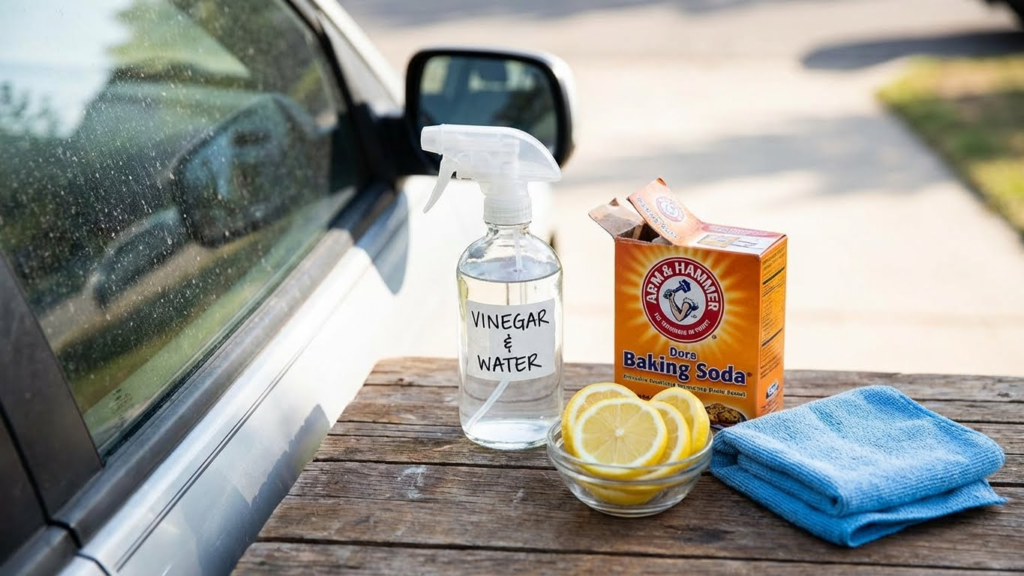
Water spots on car windows often come from minerals left behind when water dries. Removing these spots requires using substances that can dissolve or lift mineral deposits without scratching the glass. Different methods work well depending on how tough the spots are.
Using Vinegar Solution
Vinegar is a common and reliable choice because it contains acetic acid. This acid gently breaks down mineral buildup without harming the glass. To use it, mix equal parts white vinegar and water in a spray bottle. Spray the solution on the spots and let it sit for a few minutes.
After soaking, wipe the area with a soft microfiber cloth in gentle circular motions. For stubborn spots, repeat the process or soak a cloth in vinegar solution and place it over the spot for several minutes. Always rinse the glass with clean water afterward to remove any leftover vinegar and dry it thoroughly to prevent new spots.
Employing Commercial Glass Cleaners
Commercial glass cleaners designed for removing water spots contain chemicals that target minerals and stains effectively. These products often combine acids with cleaning agents to break down deposits faster than household solutions.
Using a commercial cleaner involves spraying it directly onto dry windows and letting it sit according to the instructions. Afterward, wipe with a microfiber cloth or sponge. Some products may require rinsing to avoid streaks or residue. It’s essential to pick a cleaner made for automotive glass to prevent damage to window tint or rubber seals.
Applying Baking Soda Paste
Baking soda is a mild abrasive that can help remove tougher water spots without scratching. To make a paste, mix baking soda with a small amount of water until it has a spreadable but thick texture.
Apply the paste to the glass with a soft cloth or sponge. Rub gently in circular motions to break down mineral deposits. Avoid pressing too hard to prevent scratching the surface. Once the spots start to lift, wash the area with clean water and dry with a microfiber cloth. Baking soda paste works well for spots that don’t come off with vinegar or basic cleaners.
Utilizing Clay Bars
Clay bars remove contaminants stuck on the glass surface, including hard water minerals. They work by gently pulling impurities away without scratching the glass.
First, spray a detailing lubricant or water mixed with soap onto the window. Then, rub the clay bar over the lubricated surface in smooth back-and-forth motions. The clay will pick up and remove the mineral deposits and other particles. After finishing, wipe the window clean with a microfiber cloth and ensure no residue remains.
Clay bars are best for water spots that have hardened and are difficult to remove with liquid cleaners or abrasives. They restore clarity to glass effectively.
Advanced Techniques for Stubborn Water Spots
When water spots have hardened or etched into the glass, simple cleaning won’t work. More targeted methods like polishing, buffing, and specialized removers help break down mineral deposits without damaging the window surface.
Polishing with Glass Polish
Glass polish is designed to remove fine scratches and stubborn mineral stains. It contains mild abrasives that gently smooth the glass surface.
To use, apply a small amount of polish to a soft microfiber cloth. Rub in a circular motion, focusing on the affected spots. Avoid applying too much pressure to prevent scratching.
After polishing, wipe off residue with a clean cloth and inspect the window. Repeat if needed, but over-polishing can weaken glass coatings. Polishing works best on water spots that have not deeply etched the glass.
Buffing with Electric Tools
Electric buffers speed up the polishing process and improve results. A low-speed rotary buffer with a foam pad and glass polish can remove tougher stains faster.
It’s important to keep the buffer moving to avoid heat buildup, which can crack or discolor glass. Use moderate pressure and work in small sections.
Buffing produces a clearer finish, but requires some skill to avoid swirl marks or damage. Using the right pad and polish combination is key for safety and effectiveness.
Using Professional Water Spot Removers
Professional removers contain chemicals that dissolve mineral deposits without harming glass. These products sometimes need to be left on the surface for a few minutes.
They are usually applied with an applicator pad or sprayed on, then wiped off with a microfiber cloth. Some removers require rinsing afterward.
Look for removers labeled safe for automotive glass. Read instructions carefully to prevent damage. These products are best for deep-set spots that resist polishing and buffing.
Post-Cleaning Care and Maintenance
After removing water spots from car windows, proper care ensures the glass stays clean and protected. Attention to rinsing and drying prevents new spots, while a careful inspection helps catch any missed stains early.
Rinsing and Drying Windows
Rinsing should use clean, fresh water to remove any leftover cleaning solution. It’s best to start rinsing from the top of the window and work downward to avoid streaks and spotting.
Drying is critical. Use a soft microfiber towel or a chamois cloth to gently blot the glass dry. Avoid rubbing, which can cause scratches. Drying immediately after rinsing prevents water from evaporating and leaving new mineral spots behind.
For best results, dry the edges and corners where water tends to gather. A clean, dry window reduces the chance that dust or dirt will stick, which could cause future water spots.
Inspecting for Residual Spots
Once the window is dry, inspecting it carefully is important. Look at the glass from multiple angles in good light to spot any remaining marks.
If residual water spots are visible, they are often in small patches or edges. These spots may fade after repeated cleaning, but persistent stains might require a mild polishing compound specifically made for glass.
Regular inspections help catch early build-up before it hardens. This allows easier removal and maintains clear visibility through the window.
Preventing Future Water Spots on Car Windows
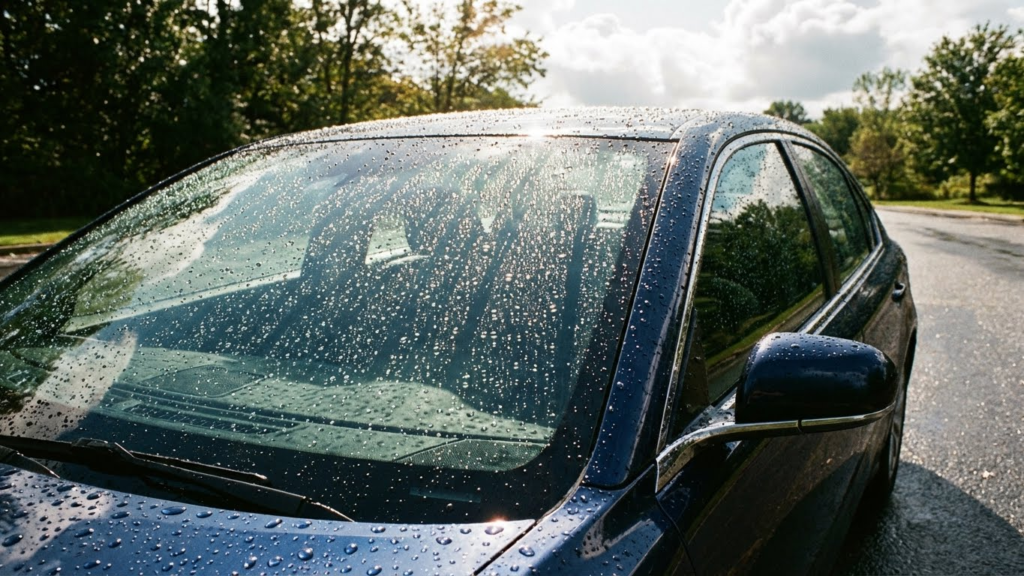
Keeping car windows free of water spots requires consistent effort and practical steps. Protecting the glass, cleaning it regularly, and making smart parking choices all help reduce the risk of spots forming and sticking.
Applying Window Sealants
Window sealants create a thin, protective layer that repels water and minerals. This barrier reduces how much water stays on the glass, making spots less likely to form. Many sealants are easy to apply with a microfiber cloth or sponge.
To use a sealant properly, clean the windows thoroughly first. Apply the product evenly and allow it to dry as the manufacturer recommends. Reapply every few months for ongoing protection. Some sealants also improve visibility by causing water to bead and roll off, which helps while driving in rain.
Regular Cleaning Practices
Routine cleaning stops mineral buildup before it starts. After rain or washing, drying windows with a soft, clean towel or squeegee removes water that could leave spots. Using distilled water for the final rinse reduces mineral deposits, avoiding new stains.
A vinegar and water mixture works well for cleaning and removing early spots. Avoid harsh chemicals or abrasive tools that could scratch the glass. Consistent maintenance prevents stubborn stains that are harder to remove later.
Parking and Environmental Tips
Choosing where to park can affect how many water spots form. Parking under trees or near sprinklers may leave mineral residues or sap on windows, increasing spot risks. Open, shaded areas reduce the chances of water sitting on glass too long.
When parking outside, it helps to cover the car or move it indoors during heavy rain or washing. This limits direct exposure to water and speeds drying time. Proper parking habits paired with other care steps keep windows clearer and easier to maintain.
When to Seek Professional Help
If water spots on car windows are light and recent, most people can remove them with household items. However, deep or stubborn stains may need expert care. When mineral deposits have etched into the glass, simple cleaning methods often do not work.
Signs to watch for include:
- Spots that remain after regular cleaning
- Etched or rough surfaces on the glass
- Large patches covering most of the window
In these cases, professional detailers use special glass polishes and compounds. These products work on tough stains without damaging the glass. They have the right tools and experience to restore window clarity safely.
Also, if a person is unsure about the right technique or fears damaging the window, it is best to consult a professional. Attempting harsh chemicals or abrasive tools without knowledge can make the problem worse.
Professionals can also offer preventive advice to avoid future water spots. They may suggest protective coatings or treatments that create a barrier against minerals.
If someone values time and wants guaranteed results, hiring an expert is a practical choice. They handle everything efficiently and provide a polished finish that DIY methods may not match.
FAQs
What causes water spots on car windows?
Water spots form when mineral-rich water, like rain or tap water, dries on the glass. The minerals leave behind stubborn marks that can build up over time.
Can water spots damage my car windows?
Yes, if water spots are not removed, they can etch the glass surface. This makes the spots harder to clean and may reduce visibility.
What household products can remove water spots effectively?
Common solutions include vinegar mixed with water, baking soda, or commercial water spot removers. These work by breaking down mineral deposits.
Is it safe to use vinegar on car windows?
Yes, vinegar is safe if diluted with water. It should be rinsed off well and the glass dried to avoid streaks or new spots.
How often should car windows be cleaned to prevent water spots?
Regular cleaning after rain or washing helps. Drying windows immediately with a microfiber cloth or squeegee is important to stop new spots forming.
Do water-repellent treatments help?
Yes, these treatments create a protective layer on the glass. This makes it harder for minerals to stick and keeps windows clearer for longer.
Will windshield wipers remove water spots?
No, wipers usually only clear water and dirt. They do not remove mineral deposits left by dried water spots.
Conclusion
Water spots on car windows are a common problem caused by minerals in hard water. These spots can reduce visibility and make the car look dirty. However, they are not permanent and can be removed with some effort.
Using simple household items like vinegar or specialized water spot removers can effectively clean the glass. For stubborn stains, a glass polish combined with a drill attachment may restore the shine without damaging the window.
It is important to be gentle during cleaning to avoid scratches. Regular maintenance, such as wiping windows after washing and applying protective coatings, helps prevent new spots from forming.
To keep windows clear, the following steps can be useful:
- Use soft cloths or microfiber towels
- Apply gentle cleaning products suited for glass
- Treat rubber seals to avoid water buildup
Following these practices will maintain clear, clean windows and improve driving safety.