

Setting up a CB radio correctly is key to enjoying clear communication without interference. This guide walks you through the essential steps—from choosing the right antenna to tuning your radio—so you can stay connected with ease and confidence.
Contents
- 1 Key Takeaways
- 2 Quick Answers to Common Questions
- 3 📑 Table of Contents
- 4 How to Set Up a CB Radio for Clear Communication Every Time
- 5 1. Choosing the Right CB Radio and Antenna
- 6 2. Installing Your CB Radio and Antenna
- 7 3. Powering Your CB Radio Correctly
- 8 4. Tuning Your CB Radio for Optimal Performance
- 9 5. Understanding CB Radio Channels and Power Settings
- 10 6. Maintaining Your CB Radio for Long-Term Clarity
- 11 Conclusion
- 12 Frequently Asked Questions
- 13 Author
Key Takeaways
- Proper antenna selection: A good antenna ensures stronger signals and clearer communication.
- Correct radio placement: Positioning your CB radio in the right spot improves reception and transmission.
- Understanding power and channels: Use appropriate settings to avoid interference and maximize range.
- Tuning and SWR adjustment: Measuring and tuning your antenna reduces signal loss and protects your radio.
- Regular maintenance: Keeping connections clean and cables in good shape extends your radio’s life.
- Legal considerations: Knowing CB radio laws helps you communicate responsibly and avoid fines.
- Practice makes perfect: Familiarize yourself with the controls and etiquette for smooth conversations.
Quick Answers to Common Questions
How do I know if my CB antenna is working properly?
Check the SWR using an SWR meter. A low SWR reading indicates your antenna is working efficiently.
Can I install a CB radio myself?
Yes! With basic tools and this guide, most people can install a CB radio and antenna on their own.
What is the best location to mount my CB antenna?
The highest point on your vehicle, like the roof or trunk lid, provides the best signal coverage.
How often should I tune my CB radio?
It’s good to check tuning and SWR whenever you change antenna position or notice poor signal quality.
Are CB radios legal to use everywhere?
CB radios are legal in most countries but always check local regulations to ensure compliance.
📑 Table of Contents
- How to Set Up a CB Radio for Clear Communication Every Time
- 1. Choosing the Right CB Radio and Antenna
- 2. Installing Your CB Radio and Antenna
- 3. Powering Your CB Radio Correctly
- 4. Tuning Your CB Radio for Optimal Performance
- 5. Understanding CB Radio Channels and Power Settings
- 6. Maintaining Your CB Radio for Long-Term Clarity
- Conclusion
How to Set Up a CB Radio for Clear Communication Every Time
CB radios are a fantastic way to stay connected on the road, whether you’re a trucker, off-road enthusiast, or just enjoy chatting with friends nearby. But to get the best performance from your CB radio, proper setup is crucial. Without it, you might experience static, weak signals, or even damage to your equipment.
In this guide, I’ll walk you through everything you need to know about setting up your CB radio for clear, reliable communication. From picking the right antenna to tuning your system, these easy steps will help you talk clearly every time you hit the mic.
1. Choosing the Right CB Radio and Antenna
Selecting Your CB Radio
There are many CB radios on the market, but picking one that fits your needs is the first step. Look for radios with good sensitivity and clear audio. Features like noise filters, weather channels, and channel scanning can enhance your experience.
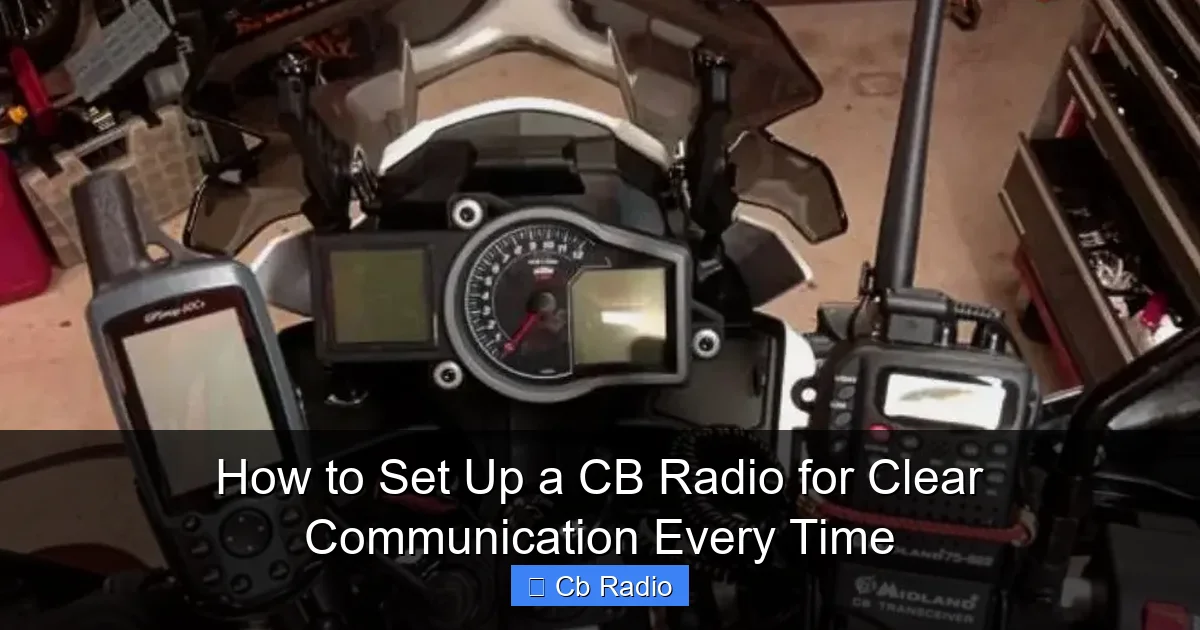
Visual guide about How to Set Up a CB Radio for Clear Communication Every Time
Image source: mlkqmeuwvpvh.i.optimole.com
Picking the Perfect Antenna
Your antenna is just as important as the radio itself. A quality antenna improves your signal strength and range. Some popular types include:
- Magnetic mount antennas: Easy to install on vehicles but can be less sturdy.
- Fixed mount antennas: More secure for permanent installations, like on trucks or boats.
- Whip antennas: Long and flexible, great for general use.
Tip: A longer antenna usually means better transmission, but it must be compatible with your vehicle and radio.
2. Installing Your CB Radio and Antenna
Positioning Your Radio
Place your CB radio within easy reach—usually on or under the dashboard for vehicles. Make sure it’s secure and doesn’t block any controls. Avoid placing it near large metal objects that could interfere with signals.
Mounting the Antenna
Install your antenna as high as possible on your vehicle. The roof or trunk lid are ideal spots because they provide a clear, unobstructed path for radio waves. Ensure the antenna mount is grounded properly to the vehicle’s metal body.
Routing the Coax Cable
Run the coax cable carefully from the antenna to your CB radio. Avoid sharp bends and pinches, and keep it away from engine parts or hot surfaces. Use cable ties to secure it neatly and prevent damage.
3. Powering Your CB Radio Correctly
Connecting to Power
Most CB radios use 12V DC power, typically from your vehicle’s battery or fuse box. Use the power cable included with your radio and connect it to a fused power source. This protects your radio from voltage spikes.
Grounding Your Radio
Proper grounding is essential for performance and safety. Connect the radio’s ground wire to a clean, bare metal spot on your vehicle’s chassis. This reduces static and interference.
4. Tuning Your CB Radio for Optimal Performance
What Is SWR and Why It Matters
SWR stands for Standing Wave Ratio. It measures how efficiently your antenna system transmits radio signals. A low SWR (ideally below 1.5:1) means most of the power is radiated out, giving you clearer communication.
How to Measure and Adjust SWR
Use an SWR meter between your radio and antenna. Transmit on a few channels and note the readings. If SWR is high, adjust your antenna length or position until you get the lowest reading possible.
Practical Tips
- Make small antenna adjustments—cutting or extending a little bit at a time.
- Check SWR regularly, especially after moving the antenna or radio.
- Don’t transmit for long periods with high SWR to avoid damaging your radio.
5. Understanding CB Radio Channels and Power Settings
Choosing the Right Channel
CB radios have 40 channels. Some are designated for specific uses, like channel 9 for emergencies and channel 19 for highway communications. Choose channels wisely to avoid interference and respect radio etiquette.
Power Settings and Legal Limits
Most CB radios transmit at a max of 4 watts (AM) or 12 watts (SSB) legally. Don’t try to boost the power beyond legal limits, as it can cause interference and fines.
6. Maintaining Your CB Radio for Long-Term Clarity
Regular Checks
Inspect your antenna, coax cable, and radio connections for wear or corrosion. Clean connectors with contact cleaner and ensure cables are tight.
Protecting Your Equipment
Keep your radio away from moisture and extreme temperatures. Use protective covers if necessary, and store your microphone carefully to avoid damage.
Practice Good Communication
Clear communication isn’t just about equipment. Speak clearly, listen before transmitting, and follow CB etiquette to avoid confusion and interference.
Conclusion
Setting up a CB radio might seem tricky at first, but with the right steps, anyone can do it. From choosing a quality antenna to tuning your system and maintaining your gear, these tips will ensure clear communication every time you transmit. Whether you’re on the road, in the great outdoors, or just chatting with friends, a properly set up CB radio is your reliable companion.
Remember, patience and regular checks make all the difference. So get your radio ready, tune it up, and enjoy crystal-clear conversations wherever you go!
Frequently Asked Questions
What is the difference between AM and SSB modes on a CB radio?
AM (Amplitude Modulation) is the standard mode used on most CB radios. SSB (Single Side Band) offers longer range and clearer communication but requires a compatible radio and more precise tuning.
Do I need a license to operate a CB radio?
In many countries, including the US, CB radios are license-free for personal use. However, some places may require a license or have specific rules, so check local laws.
Why is my CB radio transmitting but not receiving clear signals?
This could be due to a faulty antenna, poor grounding, or high SWR. Inspect your setup and perform an SWR test to diagnose the issue.
Can I use a CB radio in my home?
Yes, you can use a CB radio at home with the right antenna. However, range might be limited compared to vehicle installations.
How can I reduce static and noise on my CB radio?
Use noise filters, ensure proper grounding, and avoid routing cables near power or ignition wires to reduce interference.
What is the best time to use a CB radio for long-distance communication?
Early mornings and late evenings often provide better range due to atmospheric conditions affecting radio wave propagation.