

Using a CB radio effectively can greatly improve communication and safety, especially on the road or in remote areas. This guide covers everything you need to know—from basic setup to advanced tips—to help you use your CB radio with confidence and clarity.
Contents
- 1 Key Takeaways
- 2 Quick Answers to Common Questions
- 3 📑 Table of Contents
- 4 How to Use a CB Radio for Clear Communication and Better Safety
- 5 Understanding Your CB Radio Basics
- 6 Choosing the Right Channels for Communication
- 7 Mastering CB Radio Etiquette for Clear Communication
- 8 Improving Your CB Radio Range and Signal Quality
- 9 Using CB Radio for Safety on the Road
- 10 Maintaining Your CB Radio for Long-Term Use
- 11 Conclusion
- 12 Frequently Asked Questions
- 13 Author
Key Takeaways
- Understand your CB radio: Familiarize yourself with channels, controls, and features for smooth operation.
- Choose the right channel: Use common channels like 19 for highway communication and emergency channels when needed.
- Practice proper etiquette: Speak clearly, keep messages brief, and respect other users.
- Use a quality antenna: A good antenna boosts signal strength and range significantly.
- Keep your radio maintained: Regularly check connections and settings to ensure reliable performance.
- Know emergency procedures: Use channel 9 for emergencies and understand how to signal for help.
- Enhance safety: CB radios provide real-time alerts about road conditions and hazards.
Quick Answers to Common Questions
What channel should I use for general CB communication?
Channel 19 is the most popular for general communication, especially on highways and among truckers.
How do I call for emergency help on a CB radio?
Use Channel 9, which is reserved for emergencies. Clearly state your location and the nature of the emergency.
What does “10-4” mean in CB radio talk?
“10-4” means “message received” or “understood.” It’s a common way to acknowledge communication.
Can I use a CB radio without a license?
Yes, CB radios do not require a license for use in most countries, including the US.
How can I improve my CB radio’s signal range?
Use a high-quality antenna, mount it properly, and ensure your radio’s power settings are correctly adjusted.
📑 Table of Contents
- How to Use a CB Radio for Clear Communication and Better Safety
- Understanding Your CB Radio Basics
- Choosing the Right Channels for Communication
- Mastering CB Radio Etiquette for Clear Communication
- Improving Your CB Radio Range and Signal Quality
- Using CB Radio for Safety on the Road
- Maintaining Your CB Radio for Long-Term Use
- Conclusion
How to Use a CB Radio for Clear Communication and Better Safety
Whether you’re a truck driver, an off-road adventurer, or just someone who likes staying connected while on the road, knowing how to use a CB radio can be a real lifesaver. CB radios offer a simple and reliable way to communicate over short distances, helping you stay informed about traffic, weather, and emergencies. Plus, they don’t rely on cell towers, which is a big bonus when you’re in remote areas.
In this article, I’ll walk you through the basics of using a CB radio, share tips for clear communication, and explain how it can boost your safety. By the end, you’ll feel confident picking up the mic and joining the conversation.
Understanding Your CB Radio Basics
What Is a CB Radio?
A CB radio, or Citizens Band radio, is a short-distance radio communication device. It operates on 40 channels within the 27 MHz (11 meter) band. Unlike ham radios, no license is required to operate a CB radio, making it accessible for everyday users.
Visual guide about How to Use a CB Radio for Clear Communication and Better Safety
Image source: strykerradios.com
Key Components and Controls
Most CB radios have a microphone, a channel selector, volume and squelch controls, and sometimes additional features like weather channels or noise filters. The microphone is your main tool for sending messages, while the squelch control helps block out background noise when no one is transmitting.
Setting Up Your CB Radio
Plug the radio into your vehicle’s power source (usually the cigarette lighter or a direct battery connection). Attach a good antenna—preferably mounted outside the vehicle for better range. Turn the radio on, set the squelch so that background static disappears, and pick your channel.
Choosing the Right Channels for Communication
Commonly Used Channels
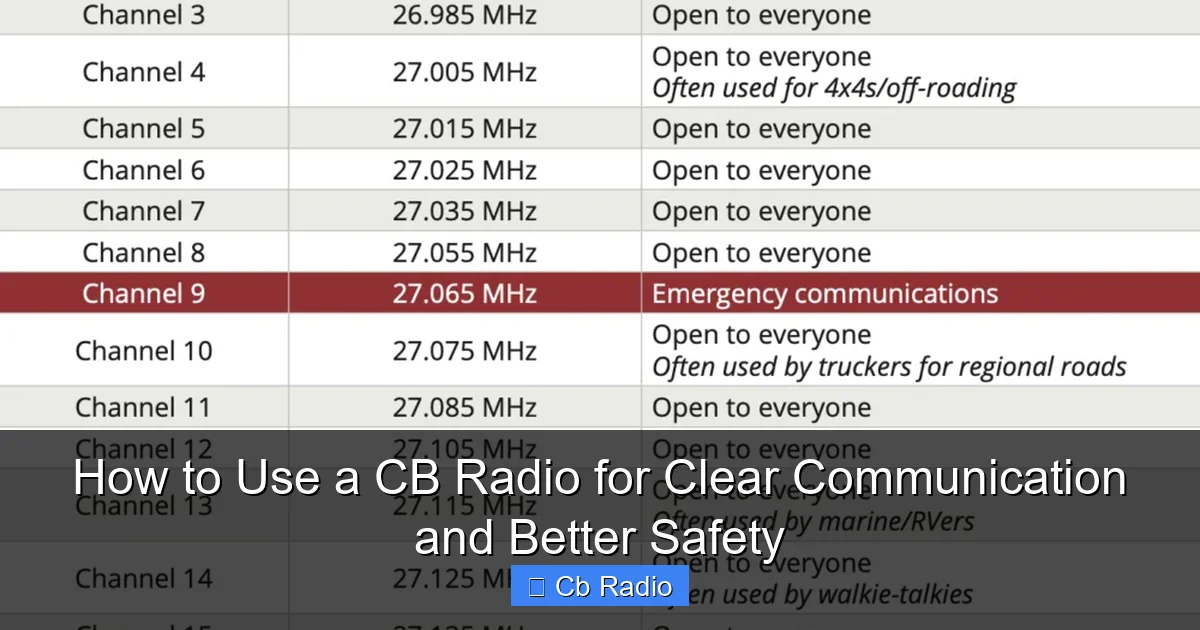
Channel 19 is the most popular for highway communication among truckers and motorists. Channel 9 is reserved for emergencies only. Some users also use Channel 6 or 17 for local conversations, but it’s best to keep clear of emergency and official channels unless necessary.
Using Emergency Channels
Channel 9 is monitored by emergency services in many areas. If you’re in trouble or witness an accident, this is the channel to call for help. Make your message brief, clear, and include your location and nature of the emergency.
Switching Channels Smoothly
If a channel is busy, try switching to a less crowded one. Always listen before transmitting to avoid interrupting ongoing conversations. This keeps communication organized and respectful.
Mastering CB Radio Etiquette for Clear Communication
Speak Clearly and Professionally
Talk slowly and clearly into the microphone. Avoid slang or jargon that others might not understand. Use simple phrases and pause between sentences to allow others to respond.
Keep Messages Short and to the Point
Long-winded messages can clog up the channel. State your message quickly, especially if it’s an alert or important information. For example, “Truck ahead, slow traffic, exit 42” is clearer than a lengthy explanation.
Avoid Interrupting Others
Always listen before speaking. If someone else is talking, wait for them to finish before you respond. Use the “break” or “breaker” call to politely get attention if you need to join the conversation.
Use Proper CB Radio Language
Learn common CB terms like “10-4” for acknowledgment, “copy” for understanding, and “over” to indicate you’ve finished speaking and are waiting for a reply. This makes communication smoother and more efficient.
Improving Your CB Radio Range and Signal Quality
Invest in a Quality Antenna
Antenna quality affects how far your signal reaches. Consider a longer antenna or one designed for your vehicle type. Mount it as high as possible, away from obstructions.
Proper Antenna Installation
Make sure your antenna has a good ground plane, especially if it’s mounted on a metal vehicle. Poor installation can cause signal loss and interference. If unsure, consult a professional installer.
Adjusting Power and Settings
Most CB radios have a power switch to boost your transmission range. Use high power settings only when necessary to avoid interference. Also, adjust the squelch to block background noise without cutting off weak signals.
Using CB Radio for Safety on the Road
Receiving Real-Time Alerts
Drivers often share information about accidents, road closures, weather hazards, and police speed traps. Staying tuned in can help you avoid delays and dangerous situations.
Emergency Communication
If you’re stranded or in an accident, your CB radio can be a lifeline. Use channel 9 to call for help. Even if your cell phone has no signal, a CB radio might reach others nearby.
Group Travel Coordination
When traveling with others in separate vehicles, CB radios help keep everyone connected. You can coordinate stops, share directions, or warn about hazards ahead.
Maintaining Your CB Radio for Long-Term Use
Regular Equipment Checks
Inspect your microphone, antenna, and wiring periodically to ensure everything is secure and functioning. Replace worn cables or connectors promptly.
Keep Your Radio Clean and Dry
Protect your CB radio from moisture and dust. Clean the exterior gently with a dry cloth. Avoid exposing it to extreme temperatures.
Update Your Knowledge
Stay informed about any changes in CB radio regulations or technology improvements. Join online forums or local CB clubs to learn tips from experienced users.
Conclusion
Using a CB radio can be an enjoyable and practical skill that enhances your communication and safety on the road. By understanding your equipment, practicing good etiquette, and maintaining your setup, you’ll get clear messages and stay connected when it counts. Whether you’re a daily commuter, long-haul driver, or weekend explorer, a CB radio is a valuable tool to have at your fingertips.
So, next time you hop in your vehicle, turn on your CB radio, pick the right channel, and join the conversation. You never know when a simple message could make all the difference.
Frequently Asked Questions
Do I need special training to use a CB radio?
No special training is required. Most CB radios are user-friendly, and basic etiquette can be learned quickly with practice.
What should I do if the channel is busy?
If the channel is busy, listen until it’s clear before transmitting. You can also try switching to a less crowded channel.
Is it legal to use profanity or offensive language on CB radios?
No, using offensive language is against CB radio etiquette and can be illegal. Always communicate respectfully.
Can CB radios be used for long-distance communication?
Typically, CB radios have a range of 1 to 15 miles depending on terrain and equipment. They are not designed for long-distance communication.
What is squelch on a CB radio?
Squelch is a control that reduces background noise when no one is transmitting. Adjusting it properly helps you hear clear signals without static.
Are there weather channels on CB radios?
Some CB radios include access to NOAA weather channels, allowing you to receive real-time weather updates.