


If an Infiniti Q50 makes a clicking noise when trying to start, it usually points to a problem with the battery or the electrical connections. The most common reason for this noise is a weak battery, corroded terminals, or a poor connection in the starter circuit. These issues prevent the engine from cranking properly and cause the clicking sound.
Sometimes, the starter motor itself may struggle to engage, or there could be an issue with other parts like the ignition system. Proper diagnosis often involves checking the battery voltage, cleaning the connections, and testing the starter and charging system. Knowing what to look for can save time and money.
Understanding these factors helps owners quickly identify the cause of the clicking noise and take the right steps to fix it. This guide covers the key causes and solutions to help Infiniti Q50 owners get their cars running smoothly again.
Key Takeways
- Clicking noises often come from battery or connection problems.
- Starter motor or ignition system issues can also cause starting clicks.
- Checking and maintaining electrical parts helps prevent starting problems.
Contents
- 1 Common Causes of Clicking Noise When Starting Infiniti Q50
- 2 Electrical Issues and Connections
- 3 Alternator and Charging System Concerns
- 4 Ignition System Troubles
- 5 Engine and Mechanical Factors
- 6 Diagnosing the Clicking Noise in Infiniti Q50
- 7 Steps to Fix Clicking Noise When Starting
- 8 When to Seek Professional Assistance
- 9 Preventative Maintenance Tips
- 10 FAQs
- 11 Conclusion
Common Causes of Clicking Noise When Starting Infiniti Q50
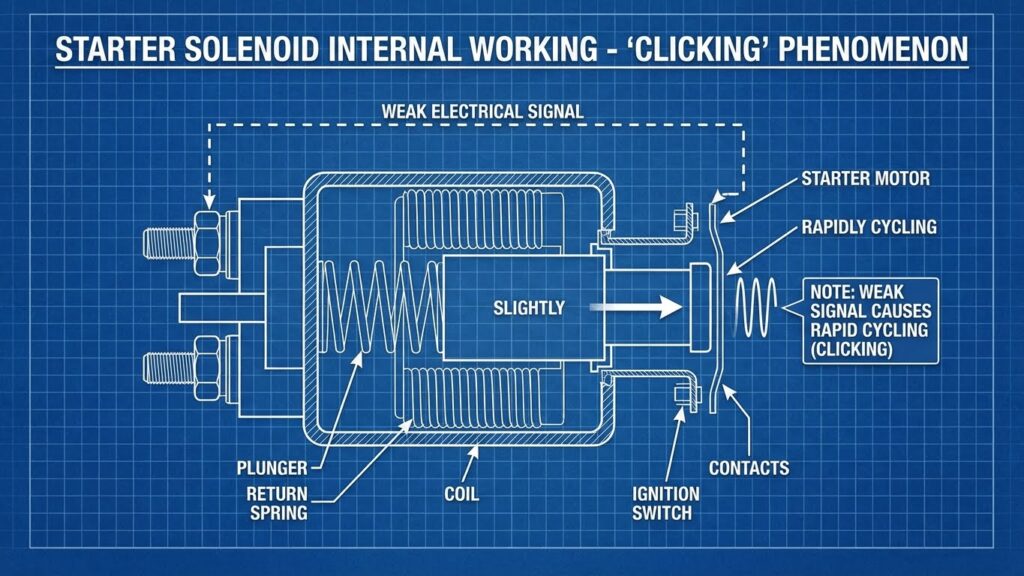
A clicking noise when starting the Infiniti Q50 usually points to electrical issues within the starting system. Problems often involve the battery, the starter motor, or the starter relay. These parts work together to get the engine running, and if any one fails, the clicking sound can occur.
Dead or Weak Battery
A dead or weak battery is the most common cause of a clicking noise during startup. When the battery voltage drops too low, it does not have enough power to turn the starter motor.
Corroded or loose battery terminals also reduce the flow of electricity. This can create a clicking noise as the starter solenoid rapidly engages and disengages. Testing the battery voltage with a multimeter can confirm if the battery is weak.
Jump-starting the car often works if the battery is the problem. If jump-starting succeeds, the battery likely needs charging or replacement.
Faulty Starter Motor
The starter motor can fail or wear out over time. When the motor’s internal parts, such as brushes or the armature, malfunction, it may not spin the engine properly.
If the starter motor struggles to engage, it creates a rapid clicking or ticking sound. Sometimes the starter’s gear will not mesh correctly with the flywheel.
Testing the starter motor involves checking its operation with a direct power supply or swapping it with a known working one. Frequent clicking without engine turnover often signals a starter motor issue.
Bad Starter Relay
The starter relay acts as a switch that sends electrical current to the starter motor. A faulty relay may cause intermittent or no power delivery.
When the relay fails, it often produces a single or rapid clicking noise as it tries to close but cannot complete the circuit. This prevents the starter motor from turning the engine.
Replacing the starter relay is a relatively simple and inexpensive fix. Diagnosing it usually involves testing for continuity or swapping with a good relay to see if the clicking stops.
Electrical Issues and Connections
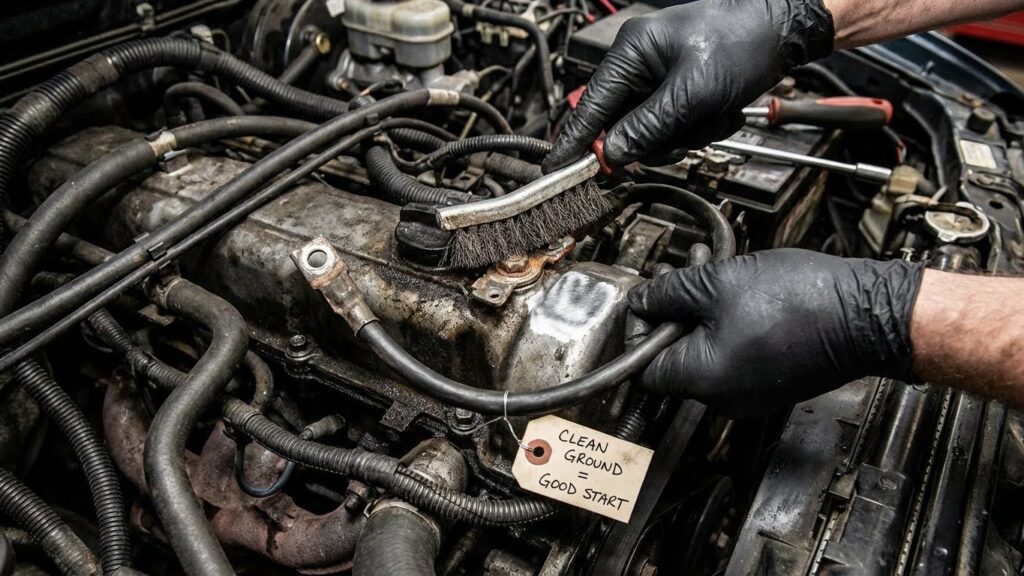
Electrical problems often cause the Infiniti Q50 to produce a clicking noise when starting. These problems usually involve poor electrical flow due to bad connections or damaged components. Addressing these issues requires checking the battery terminals and the wiring system carefully.
Loose or Corroded Battery Terminals
Loose or corroded battery terminals can stop proper power flow to the starter motor. When terminals are not tightly connected, the starter receives less voltage, causing the clicking noise without the engine turning over. Corrosion builds up from battery acid and environmental exposure, acting as an insulator that blocks electricity.
To fix this, the battery terminals should be removed, cleaned thoroughly with a wire brush or battery cleaner, and then reattached tightly. It’s important to check the battery voltage with a multimeter before and after cleaning. If the voltage reads low or drops sharply during starting attempts, the battery or charging system might also need testing.
Damaged Wiring or Fuses
Wiring connected to the starter motor and battery can wear out or get damaged over time. Frayed wires, broken insulation, or damaged fuses reduce the electrical current reaching the starter. This damage can cause intermittent clicking without engine crank.
Inspecting the wiring harness for visible signs of wear or corrosion is critical. Fuses linked to the starter and ignition system should also be checked and replaced if blown. Properly repaired wiring restores reliable electrical flow and can eliminate the clicking noise caused by poor circuit continuity.
Alternator and Charging System Concerns
Issues with the alternator and charging system commonly cause clicking noises when starting an Infiniti Q50. These issues often affect the battery’s ability to hold a charge and the overall electrical power needed to start the engine.
Failing Alternator Symptoms
A failing alternator often leads to intermittent charging problems. The alternator’s job is to convert engine power into electricity to keep the battery charged. If it fails, the battery will slowly lose power and the car may struggle to start.
Common signs include the battery warning light turning on, dimming headlights, and the clicking noise when turning the key. The alternator may also produce unusual noises such as clicking or whining. It usually gets worse over time until the vehicle won’t start at all.
Testing the voltage output with a multimeter can confirm if the alternator is delivering proper charge. A healthy alternator should measure around 13.5 to 14.5 volts.
Battery Drain Problems
Battery drain can cause the clicking noise during startup by leaving insufficient power to engage the starter motor. A weak or old battery often cannot hold charge due to repeated draining or a poor charging system.
Loose or corroded battery terminals reduce electrical flow and cause weak starts. Regular maintenance like cleaning the battery terminals and checking the cables can prevent drain issues.
Electrical components left on or a faulty alternator can also drain the battery when the engine is off. Symptoms include difficulty starting the car and the battery light flickering on the dashboard while driving.
Ignition System Troubles
Issues within the ignition system can cause the Infiniti Q50 to make a clicking noise when starting. These problems often stop the engine from cranking and need focused checks on specific parts.
Ignition Switch Malfunctions
The ignition switch controls the power flow when starting the car. If it fails or has internal damage, it might not send the correct signals to the starter. This can cause the clicking noise, as the starter motor tries to engage but gets little or no power.
Symptoms of a bad ignition switch include no response when turning the key, intermittent starting, or the engine refusing to crank despite dash lights working. Checking this part involves testing voltage output and ensuring that signals reach the starter system without interruption. Sometimes wiring issues or worn contacts inside the switch can cause problems as well.
Faulty Key Fob or Immobilizer
The key fob and immobilizer system must communicate properly for the engine to start. If the car’s security system does not recognize the key, it may prevent the engine from cranking, leading to clicking sounds when the starter tries to engage.
Common signs include the engine not starting after pressing the start button or turning the key, along with warning lights or messages about the key on the dashboard. Problems can arise from a dead key fob battery, damaged key electronics, or faults in the immobilizer system. Reprogramming or replacing the key fob and checking immobilizer sensors are usual fixes.
Engine and Mechanical Factors
When a clicking noise happens during starting, it is important to look at serious engine-related causes. These problems can stop the engine from turning over properly and may cause damage if not fixed.
Engine Seizure or Binding
Engine seizure occurs when internal parts lock up and prevent the engine from turning. This can happen because of low oil levels, overheating, or worn-out components. When the engine seizes, the starter motor might make a clicking noise as it tries to engage but fails to turn the engine.
Signs of engine seizure include a rapid clicking noise with no engine crank, overheating warning lights, or a sudden stop while driving. Attempting to start a seized engine repeatedly can cause more damage. Checking oil levels and quality is a quick way to rule out lack of lubrication as a cause. If severe, internal repairs or engine replacement might be necessary.
Hydrolocked Engine
A hydrolocked engine happens when water or another liquid fills the cylinders. Since liquids can’t be compressed like air, the piston cannot move during starting, causing the starter to click while the engine won’t crank.
This condition often happens from driving in deep water or a coolant leak into the cylinders. A hydrolocked engine usually shows signs such as hard starting, unusual noises, or smoke from the exhaust. Fixing this requires draining the liquid, checking for damage, and possibly replacing bent or broken parts like rods or pistons.
Both engine seizure and hydrolock are critical issues causing clicking noises and no starts that need prompt attention.
Diagnosing the Clicking Noise in Infiniti Q50
To identify the cause of a clicking noise when starting, it is important to check the battery, electrical connections, and starter system first. These areas are common sources of problems. Proper tools can help in testing and finding the root issue quickly.
Step-by-Step Troubleshooting Process
First, check the battery voltage using a multimeter. A reading below 12.4 volts usually means the battery is weak or discharged. Next, inspect the battery terminals for corrosion or loose connections. Cleaning and tightening the terminals often solves the problem.
If the battery and connections are fine, test the starter motor. A rapid clicking sound often means the starter is not engaging correctly. It could be due to poor wiring or a failing starter. Jump-starting the car can confirm if the battery is the cause.
Lastly, inspect relay switches and fuses related to the starting system. Faulty relays or blown fuses may prevent the starter from working despite good battery health.
Essential Tools for Diagnosis
A digital multimeter is a must-have tool to measure battery voltage and current flow. It helps confirm whether the battery holds enough charge and if the starter circuit is delivering power.
Jumper cables are useful for jump-starting the vehicle. This simple test quickly determines if the battery is the main issue.
A battery terminal cleaner or wire brush is vital for removing corrosion and ensuring good electrical contact. Poor connections can cause clicking sounds.
Finally, a basic socket set helps access the battery terminals, starter, and related electrical components safely. A proper toolkit speeds up diagnosis and repair.
Steps to Fix Clicking Noise When Starting
To address a clicking noise when starting an Infiniti Q50, it is important to check the battery condition, examine the starter motor, and ensure all electrical connections are secure. Each step targets a common cause behind the issue and helps narrow down the fix.
Battery Testing and Replacement
The battery is often the first place to check when hearing a clicking noise. A weak or dead battery can cause the starter motor to click without turning the engine over. Use a multimeter to test the battery voltage; it should read around 12.6 volts when fully charged.
If the voltage is below 12.4 volts, the battery may need charging or replacement. Even if the voltage reads normally, a load test can assess the battery’s strength under starting conditions.
Replacing the battery with a new, properly rated one is a straightforward solution when testing reveals a weak battery. Before replacing, ensure the battery terminals are clean and free from corrosion to avoid false signs of failure.
Starter Motor Inspection
The clicking noise can also indicate a problem with the starter motor. It may be struggling to engage due to internal wear or a failing solenoid. Visual inspection should look for signs of damage, worn brushes, or loose mounting bolts.
If the starter motor clicks rapidly but won’t crank the engine, it may need repair or replacement. Testing the starter relay and solenoid with a voltmeter can help diagnose electrical issues preventing proper function.
Sometimes tapping the starter lightly can free a stuck gear, but this is only a temporary fix. If problems persist, replacing the starter motor is often the best step.
Securing Electrical Connections
Loose or corroded electrical connections cause resistance, reducing current flow to the starter motor and battery. This can trigger clicking and prevent the engine from turning over.
Start by cleaning the battery terminals. Use a wire brush or terminal cleaner to remove corrosion and ensure a tight fit when reconnecting the clamps.
Check the wiring harness and ground connections for looseness or damage. Tighten any loose bolts or clips securing the cables. Also, inspect the starter relay socket and connections for corrosion or wear.
Properly securing and cleaning all electrical contacts improves current flow and often resolves clicking noise issues related to poor connections.
When to Seek Professional Assistance
If the Infiniti Q50 keeps making a clicking noise when trying to start and basic checks do not fix the problem, it is time to see a professional. Simple issues like a weak battery or corroded terminals can sometimes be handled by the owner. But when the problem goes beyond that, expert help is needed.
Signs that require a mechanic’s attention include:
- The car still won’t start after charging or replacing the battery.
- Clicking noise continues despite cleaning battery terminals and checking connections.
- The starter does not engage or shows signs of failure.
- Other electrical issues appear, like dim lights or dashboard warning signals.
Many of these symptoms can relate to the starter motor or the electrical system. A trained technician will have the right tools to test the starter circuit thoroughly. They can also check for hidden corrosion or wiring problems that are hard to spot.
If the clicking comes from the engine’s interior parts, such as lifters or rocker arms, a mechanic should inspect them. Ignoring these noises can lead to engine damage.
In all cases, using professional services ensures proper diagnosis and safe repairs. This approach can save time, avoid guesswork, and prevent more costly damage.
Preventative Maintenance Tips
To avoid clicking noises when starting the Infiniti Q50, regular battery care is essential. Checking the battery voltage periodically helps catch weakness early. Cleaning battery terminals and cable connections removes corrosion that can block electrical flow.
Inspecting the starter motor and its connections is also important. Loose or damaged wires may cause poor contact and starter issues. Tightening or replacing worn parts can prevent clicking caused by a failing starter.
Using good quality engine oil helps reduce internal engine noise. Regular oil changes keep lifters and rocker arms working smoothly, which can avoid certain clicking sounds linked to engine parts.
It is helpful to follow a scheduled maintenance routine recommended by Infiniti. This includes checking the battery, starter, and engine components at set intervals. A simple checklist like this can guide routine checks:
| Task | Frequency | Notes |
|---|---|---|
| Battery voltage test | Every 6 months | Replace battery if voltage is low |
| Battery terminal cleaning | Every 6 months | Ensure all corrosion is removed |
| Starter motor inspection | Annually | Look for loose wires or wear |
| Engine oil change | Every 5,000-7,500 miles | Use recommended oil grade |
Maintaining clean and strong electrical connections and proper engine lubrication plays a key role. Staying on top of these areas reduces the risk of clicks and starting problems.
FAQs
Why does my Infiniti Q50 make a clicking noise when starting?
The clicking sound usually points to a weak battery, poor battery connections, or a problem with the starter motor. It’s common when the starter struggles to engage or when battery terminals are corroded.
Can a fully charged battery still cause clicking noises?
Yes. Even if the battery voltage reads normal, corrosion or loose connections can prevent enough power from reaching the starter. Testing the starter circuit and cleaning the terminals are good first steps.
What should be checked first when hearing clicking sounds?
Start with the battery voltage and the condition of the terminals. If the battery is weak or terminals are dirty, it can lead to the clicking noise. If the battery checks out, then the starter motor or relay should be inspected.
How can jump-starting help?
A jump start can provide enough power to bypass a weak battery temporarily. If the car starts after a jump, the battery or charging system likely needs attention. More details on troubleshooting car battery issues can be found at the Battery University.
Is the clicking noise ever related to engine damage?
Usually, the clicking during starting is electrical and not engine damage. However, if noises continue after the engine starts, it might be related to valve lifters or poor oil quality.
Proper diagnosis includes checking battery health, electrical connections, and the starter system to solve the clicking no-start problem. For more about starter motor symptoms and fixes, this guide from AutoZone is helpful.
Conclusion
A clicking noise when starting an Infiniti Q50 commonly points to electrical or battery-related issues. The most frequent causes include a weak or dead battery, corroded or loose battery connections, and problems with the starter motor or ignition switch.
To address the problem, it is important to check the battery voltage and clean the terminals. Jump-starting the vehicle can help identify if the battery is the issue. If the sound continues after these steps, the starter motor or wiring should be inspected.
Here are the main possible causes:
| Cause | Description | Action to Take |
|---|---|---|
| Weak or Dead Battery | Battery not holding charge properly | Test voltage or replace |
| Corroded Terminals | Dirt or oxidation on battery connections | Clean terminals |
| Faulty Starter Motor | Starter fails to engage fully | Repair or replace starter |
| Loose Wiring | Poor electrical connections | Tighten or repair wiring |
Ignoring the clicking noise can lead to more serious electrical or mechanical problems. A systematic diagnosis is key. Testing each potential cause step-by-step will help pinpoint the source and avoid unnecessary repairs.
If the issue is unclear or persistent, professional help is recommended. Technicians have the tools and experience to quickly find and fix the root cause.