

CB radio remains a valuable tool for communication and safety, especially for travelers, truckers, and outdoor enthusiasts. While technology evolves, CB radios offer reliable, instant, and cost-effective communication options that can be lifesaving in emergencies or remote areas.
Contents
- 1 Key Takeaways
- 2 Quick Answers to Common Questions
- 3 📑 Table of Contents
- 4 Is CB Radio Worth It for Communication and Safety Today?
- 5 Understanding CB Radio: What It Is and How It Works
- 6 Benefits of Using CB Radio Today
- 7 Limitations to Consider
- 8 Who Should Consider Using a CB Radio?
- 9 Tips for Getting the Most Out of Your CB Radio
- 10 Conclusion: Is CB Radio Worth It Today?
- 11 Frequently Asked Questions
- 12 Author
Key Takeaways
- Reliable Communication: CB radios work without cell towers, making them useful in remote or emergency situations.
- Cost-Effective: No monthly fees or subscriptions are required to use CB radios.
- Easy to Use: Simple setup and operation make CB radios accessible to beginners.
- Safety Benefits: Instant communication helps with roadside assistance, weather alerts, and emergency calls.
- Community Connection: CB radios foster a sense of camaraderie among users, especially truckers and travelers.
- Limitations Exist: Range is limited compared to modern digital devices, and interference can occur.
- Complementary Tool: Best used alongside smartphones and GPS, not as a sole communication device.
Quick Answers to Common Questions
Is CB radio still used today?
Yes, CB radio remains popular among truckers, off-roaders, and emergency preparedness groups for reliable short-range communication.
What is the typical range of a CB radio?
Ranges vary but typically are between 1 and 15 miles, depending on terrain, antenna, and weather conditions.
Do I need a license to use a CB radio?
No, in most countries, including the U.S., CB radios can be used without a license, making them accessible for everyone.
Can CB radios be used in emergencies?
Absolutely. Channel 9 is reserved for emergency communication and is monitored by many users for urgent help requests.
How do CB radios compare to smartphones?
CB radios don’t require cell towers and provide instant communication but have limited range and no internet features compared to smartphones.
📑 Table of Contents
Is CB Radio Worth It for Communication and Safety Today?
In a world dominated by smartphones, satellite phones, and internet-based communication, the question arises: is CB radio worth it? Many might think CB radios are outdated relics from the past, but they still hold a unique place in communication and safety, especially for specific groups of people. Whether you’re a truck driver, off-road adventurer, or a community member in a rural area, CB radios can be an essential tool.
This article explores the practical uses, benefits, and limitations of CB radios today. We’ll take a closer look at how they compare with modern technology, when they shine the brightest, and why they might still deserve a spot in your vehicle or toolkit.
Understanding CB Radio: What It Is and How It Works
The Basics of CB Radio
CB radio, short for Citizens Band radio, is a short-distance radio communication system that operates on 40 channels within the 27 MHz band. It’s designed for personal, business, and emergency communication without the need for a license or subscription.
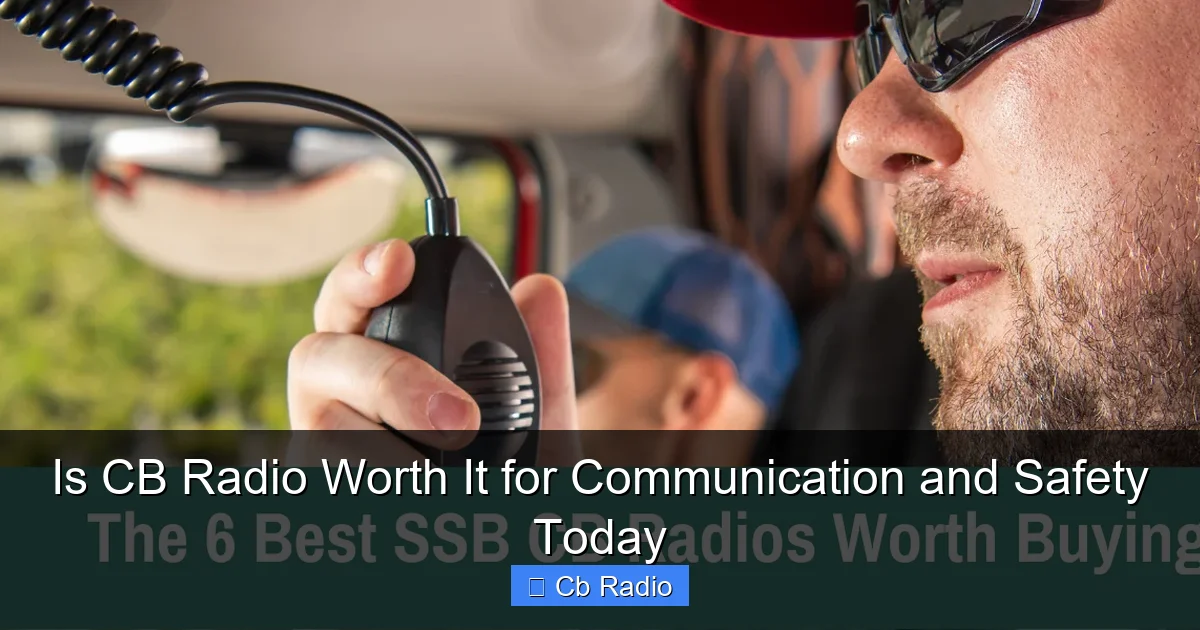
Visual guide about Is CB Radio Worth It for Communication and Safety Today
Image source: carcbradios.com
Simple Technology with Wide Reach
Unlike cell phones, CB radios communicate directly between units without relying on cell towers or satellites. This means that as long as you’re within range—typically 1 to 15 miles depending on terrain and antenna—you can talk to others instantly.
Channels and Usage
CB radios offer multiple channels, with channel 9 traditionally reserved for emergencies. Most users communicate on channel 19, especially truckers on highways. This channel system helps manage traffic and organize conversations.
Benefits of Using CB Radio Today
Reliable Communication in Remote Areas
One of the biggest advantages of CB radios is their independence from cell networks. In rural or mountainous areas where cell signals are weak or non-existent, CB radios provide a direct line of communication. For campers, hikers, and off-roaders, this can be a vital safety feature.
Emergency Use and Safety
CB radios are an excellent backup during emergencies. If your phone dies or there’s no signal, you can use channel 9 to alert others nearby. Truckers often use CB radios to share information about road hazards, accidents, or weather conditions, enhancing safety on the roads.
No Monthly Fees or Subscriptions
Once you buy a CB radio, there are no ongoing costs. Unlike cell phones or satellite phones, you don’t pay for airtime, data, or messaging. This makes CB radios a budget-friendly option for continuous communication.
Ease of Use and Quick Access
CB radios are simple devices. You turn them on, select a channel, and start talking. There’s no need to dial numbers or wait for a connection. This immediacy is useful when you want to share quick information or ask for help fast.
Community and Social Interaction
CB radios foster a unique community spirit. Truck drivers, road travelers, and hobbyists use CB radios to connect, share tips, and provide assistance. This social aspect can be comforting and practical, especially on long trips.
Limitations to Consider
Range is Limited
CB radios typically have a limited range, often between 3 to 15 miles under ideal conditions. Mountains, buildings, and weather can reduce this range significantly. This means they aren’t suited for long-distance communication.
Signal Interference and Noise
CB frequencies can sometimes be crowded or noisy. Interference from other radios, electrical devices, or atmospheric conditions may disrupt clear communication. This can be frustrating if you’re relying solely on CB radio for important messages.
Not a Replacement for Modern Technology
While CB radios are great for certain scenarios, they don’t replace smartphones or GPS devices. They lack features like text messaging, internet access, or precise location tracking. Using them alongside modern devices ensures better communication coverage.
Legal and Practical Restrictions
There are rules about CB radio usage, such as power limits and prohibited content. Misusing CB radios can lead to fines or interference with emergency communications. Understanding these regulations is important for responsible use.
Who Should Consider Using a CB Radio?
Truck Drivers and Long-Distance Travelers
Truckers have used CB radios for decades to share road conditions, coordinate rest stops, and warn about police checkpoints. For anyone spending a lot of time on highways, a CB radio adds an extra layer of communication and safety.
Off-Roaders and Outdoor Enthusiasts
Hikers, campers, and off-road vehicle users benefit from CB radios when cell coverage is spotty. They can coordinate group movements, call for help, or share trail information instantly.
Emergency Preparedness Advocates
CB radios are popular among preppers and those interested in emergency preparedness. They provide a dependable, independent communication method during natural disasters or power outages.
Rural and Remote Area Residents
People living in rural areas with poor cell service can use CB radios to stay connected with neighbors and local services, enhancing community safety and support.
Tips for Getting the Most Out of Your CB Radio
Choose the Right Radio and Antenna
Select a CB radio with good reviews and features like noise cancellation. Pair it with a quality antenna and install it properly to maximize range and clarity.
Learn the Channels and Etiquette
Familiarize yourself with common channels, especially channel 9 for emergencies and channel 19 for highway communication. Follow CB etiquette: keep conversations brief, avoid profanity, and respect other users.
Regularly Test Your Equipment
Make sure your radio and antenna work before heading out. Test communication with friends or local users to confirm range and clarity.
Use a Hands-Free Setup When Driving
For safety, use a hands-free mic or headset so you can keep your eyes on the road while communicating.
Combine with Other Safety Tools
Don’t rely solely on CB radio in emergencies. Carry a charged phone, GPS, first aid kit, and other safety equipment to cover all bases.
Conclusion: Is CB Radio Worth It Today?
So, is CB radio worth it? The answer depends on your needs. For many, CB radios still offer reliable, instant communication that complements modern technology. They excel in areas where cell service fails and provide an affordable, easy-to-use emergency communication tool.
If you travel frequently, explore remote areas, or want a backup communication device, investing in a CB radio makes sense. It promotes safety, fosters community, and gives you peace of mind when you’re off the grid.
While not a replacement for smartphones or satellite communication, CB radios remain relevant and valuable. With the right setup and knowledge, they can be a trusted companion on the road and beyond.
Frequently Asked Questions
What is the main advantage of using a CB radio?
The main advantage is reliable, instant communication without dependence on cell networks, which is crucial in remote areas or emergencies.
Can I use a CB radio while driving?
Yes, but it’s safest to use a hands-free microphone or headset to keep your focus on the road.
How much does a CB radio cost?
CB radios range from around $50 to several hundred dollars depending on features and quality, with no ongoing fees.
Is it legal to modify my CB radio for more power?
Modifying a CB radio to exceed legal power limits is illegal and can cause interference with other communications.
How do I improve the range of my CB radio?
Use a high-quality antenna installed correctly, place it in a high position, and avoid obstacles to maximize range.
Can CB radios interfere with other electronic devices?
Yes, CB radios can sometimes cause interference with nearby electronics, but proper setup and shielding usually minimize this issue.