

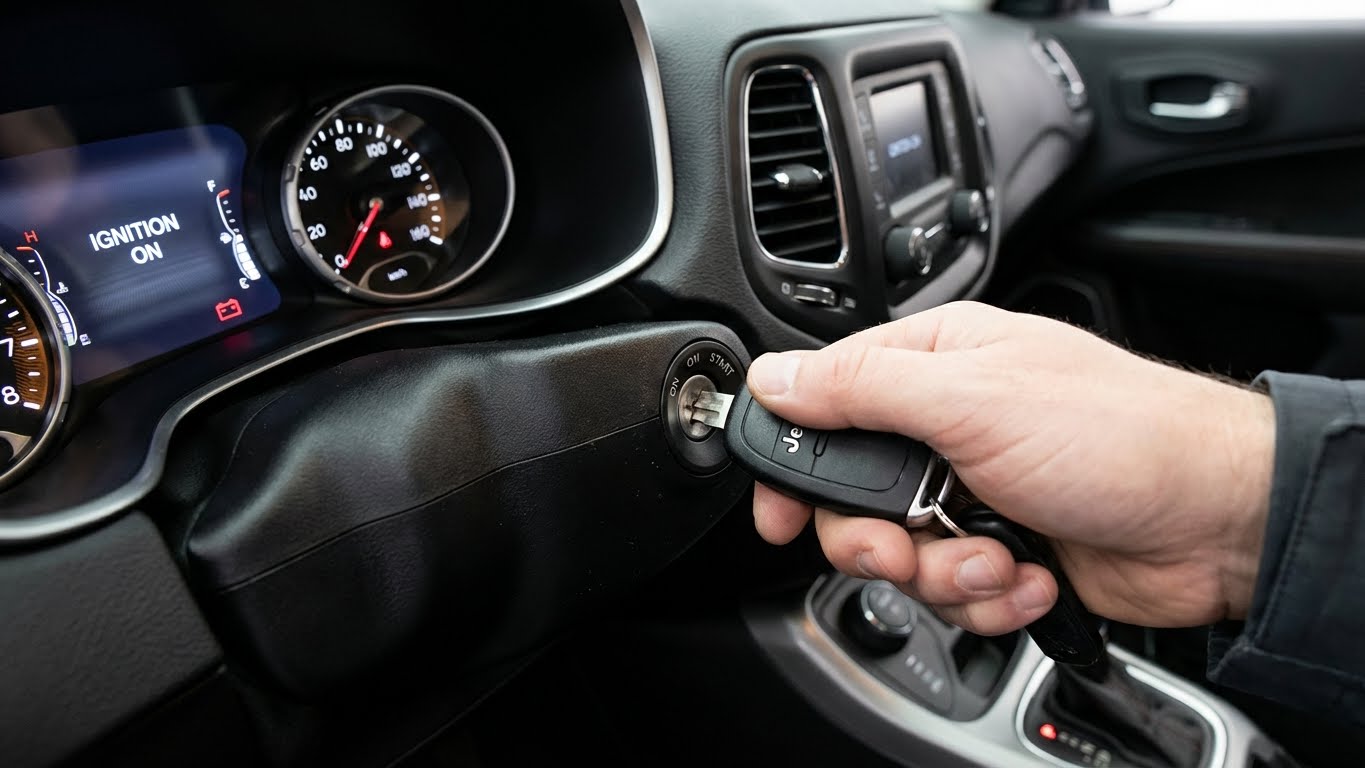
A clicking noise when starting a Jeep Compass usually points to an issue with the battery or the electrical connections. The most common cause is a weak or dead battery, or poor battery terminal connections, which prevent the engine from cranking properly. This simple problem often leads to the familiar clicking sound but no engine start.
Other possible reasons include a faulty starter motor or poor wiring connections. Diagnosing the exact cause involves checking the battery voltage, cleaning terminals, and inspecting the starter system. Understanding these basics helps Jeep owners determine whether the fix is a quick DIY job or requires professional help.
Knowing what leads to this clicking noise can save time and money. Being aware of signs, troubleshooting steps, and maintenance tips keeps the Jeep Compass running smoothly and reduces the risk of unexpected starting problems.
Key Takeways
- A weak battery or bad connections usually cause the clicking noise.
- Checking and cleaning electrical parts can often fix the issue.
- Some problems may need a mechanic for proper repair.
Contents
- 1 Common Causes of Clicking Noise When Starting a Jeep Compass
- 2 Diagnosing the Clicking Sound in Your Jeep Compass
- 3 Troubleshooting Battery and Electrical Issues
- 4 Starter and Ignition System Problems
- 5 Professional Repair vs DIY Solutions
- 6 Preventative Maintenance for Jeep Compass Starting Issues
- 7 Additional Signs and Symptoms Related to Clicking Noise
- 8 Cost Considerations for Repair and Replacement
- 9 FAQs
- 10 Conclusion
Common Causes of Clicking Noise When Starting a Jeep Compass
When a Jeep Compass makes a clicking noise but doesn’t start, the problem usually lies in the electrical or starting system. The issue often involves the battery, starter motor, or related components that manage the flow of power to start the engine.
Weak or Dead Battery
A weak or dead battery is the most frequent cause of a clicking sound during startup. When the battery lacks enough charge, it cannot supply sufficient power to turn the engine over. The clicking noise occurs because the starter motor’s solenoid tries to engage, but the battery can’t provide enough current.
Corrosion on the battery terminals or loose battery cables can also limit power flow, worsening the problem. In cold weather, batteries lose efficiency, making it harder for them to start the vehicle. Checking the battery state with a voltmeter or attempting a jump-start can help determine if the battery is the issue.
Faulty Starter Motor
The starter motor is responsible for cranking the engine. If the starter motor or its internal gear is damaged, it may fail to engage properly, causing clicking noises. This can sound like faint or rapid clicking as the motor struggles to operate.
A worn-out starter gear might not catch the engine’s flywheel, producing a distinct clicking or popping sound. Additionally, the starter motor’s electrical connections can become loose or corroded, reducing power flow and causing the starter to click but not turn the engine.
Bad Starter Relay
The starter relay acts as a switch to send electrical power to the starter motor. If the relay fails, it can interrupt this power flow, causing the clicking noise without engine turnover.
A faulty relay might click repeatedly, trying to activate the starter motor but failing due to internal contact issues. Testing the relay with a multimeter or swapping it with a similar relay in the fuse box can help identify this problem. Replacing a bad relay usually fixes the clicking noise when starting.
Diagnosing the Clicking Sound in Your Jeep Compass
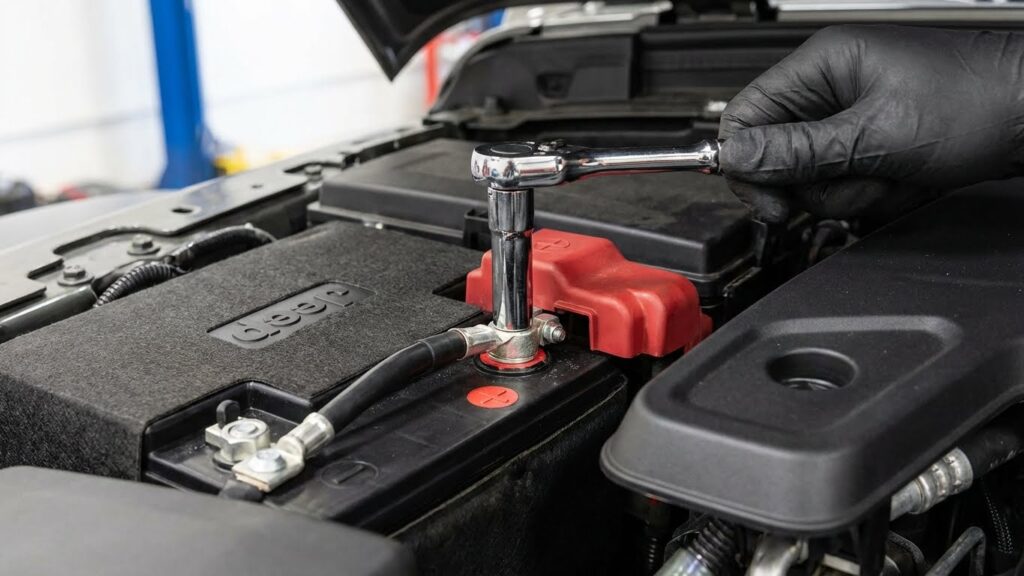
Identifying the cause of a clicking noise when starting a Jeep Compass requires careful listening, a visual check of key components, and testing the electrical system. These steps help narrow down whether the issue lies with the battery, starter, or connections.
Listening for Single vs Repetitive Clicks
The type of clicking sound is important. A single click usually points to a problem with the starter solenoid or the starter motor itself. This means the starter may not be engaging properly to turn the engine over.
Repetitive or rapid clicking often indicates the battery is weak or has low voltage. The starter tries to engage multiple times but lacks enough power to start the engine. Listening closely to the pattern of clicks can guide the next steps in diagnosis.
Visual Inspection Under the Hood
A basic visual check can reveal common problems. Look at the battery terminals for corrosion or loose connections. Corrosion appears as a white or blue powdery deposit and can block electrical flow.
Inspect battery cables for damage or fraying. Check the starter motor and its wiring for any obvious signs of wear or loose bolts. A clean, tight connection is essential for proper operation.
Testing Electrical Connections
Testing involves checking battery voltage and starter current. First, use a multimeter to measure battery voltage; it should read around 12.6 volts when the vehicle is off.
If voltage is low, recharge or replace the battery. Next, check the starter circuit by testing voltage at the starter terminal while turning the key. If voltage is present but the engine won’t crank, the starter could be faulty.
Poor electrical connections can cause voltage drops. Tightening cable clamps and cleaning terminals often fixes this issue without major repairs.
Troubleshooting Battery and Electrical Issues
Battery and electrical problems are common causes of clicking noises when trying to start a Jeep Compass. Proper inspection and testing of battery connections, jump-starting techniques, and checking the alternator’s function can help identify and resolve these issues quickly.
Checking Battery Terminals
Start by inspecting the battery terminals for corrosion or loose connections. Corrosion appears as a white or greenish powder on the terminals and can block electricity flow. Cleaning terminals with a mixture of baking soda and water, followed by drying with a cloth, often restores good contact.
Ensure battery cables are tightly secured to the terminals. Loose cables cause weak electrical flow, leading to clicking sounds during startup. It’s also important to check the battery case for any cracks or leaks, which indicate the battery needs replacing.
Jump Starting Procedures
If the battery is weak but not completely dead, jump-starting the Jeep Compass can provide enough power to start the engine. Use jumper cables connected in the correct order:
- Attach red clamp to positive terminal of dead battery
- Attach red clamp to positive terminal of good battery
- Attach black clamp to negative terminal of good battery
- Attach black clamp to an unpainted metal surface on the dead vehicle (ground)
Start the working vehicle first, then try starting the Compass. Keep jumper cables connected for several minutes after startup to help recharge the battery.
Evaluating Alternator Performance
The alternator charges the battery while the engine runs. If it fails, the battery doesn’t get enough charge, causing starting issues and clicking noises. A quick test uses a multimeter to check voltage at the battery terminals. With the engine off, the battery should read about 12.6 volts. When running, it should read between 13.8 and 14.4 volts.
Low voltage or no increase in voltage when the engine runs indicates a faulty alternator. In this case, the alternator usually needs repair or replacement to restore proper battery charging and eliminate starting problems.
Starter and Ignition System Problems
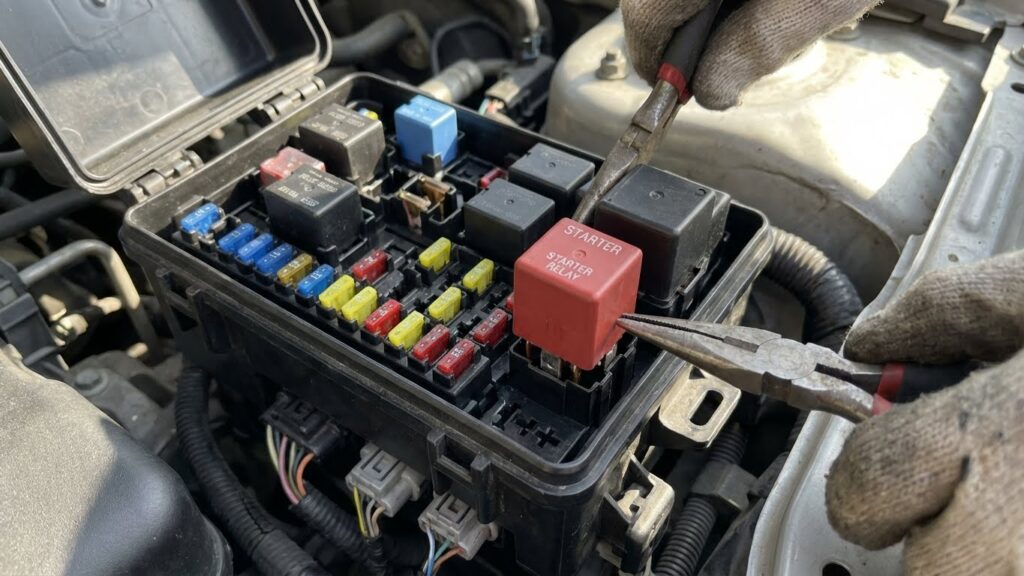
A clicking noise when starting often points to issues within the starter or ignition system. Problems in these parts can stop the engine from turning over despite the battery having power. To fix this, key areas like the starter solenoid, ignition switch, and related fuses and relays must be checked carefully.
Identifying Starter Solenoid Failure
The starter solenoid is an electrical switch that activates the starter motor. When it fails, it often causes a rapid clicking sound without the engine cranking. This happens because the solenoid engages but can’t send enough power to turn the starter.
To diagnose solenoid failure, listen for clicking right when the key turns. If the clicking is loud but the engine doesn’t turn over, it likely means the solenoid or starter motor is weak or damaged. Checking the voltage at the solenoid with a multimeter helps confirm the problem. A faulty solenoid can be replaced separately or with the entire starter motor assembly.
Assessing Ignition Switch Function
A bad ignition switch can cause clicking noises because it doesn’t send a steady current to the starter. When faulty, the electrical flow to the solenoid is interrupted, making the starter try and fail repeatedly.
To test the ignition switch, the technician can use a test light or voltmeter at the starter relay socket. If turning the key does not send voltage consistently, the switch is likely damaged. Signs of failure include intermittent starting and no response from the starter at times. Replacing the ignition switch usually resolves these issues completely.
Analyzing Fuse and Relay Integrity
Fuses and relays protect and control the starter circuit. A blown fuse or bad relay can cut power to the solenoid or starter motor without affecting other electrical parts like lights.
It is important to check the starter fuse in the vehicle’s fuse box first. If the fuse is intact, the starter relay should be tested by swapping it with a similar relay or using a multimeter for continuity. Faulty relays often cause repeated clicking sounds or no sound at all. Keeping fuses and relays in good condition ensures proper current flow to start the engine.
Professional Repair vs DIY Solutions
The clicking noise when starting a Jeep Compass often points to specific issues like a weak battery or poor electrical connections. Addressing these problems requires either simple tools and steps or professional help, depending on the root cause and skill level.
When to Seek Mechanic Assistance
If the clicking noise persists after checking the battery, it could indicate deeper problems like a failing starter motor or faulty wiring. These issues need diagnostic equipment and technical expertise. A mechanic can properly test the electrical system and replace parts without risking further damage.
Also, if there are signs of corrosion on terminals that are difficult to clean or if the clicking noise accompanies other symptoms such as dashboard warning lights or engine stalling, professional service is recommended. Attempting complex repairs without experience can lead to costly mistakes.
Tools Required for DIY Repairs
For most DIY fixes related to clicking noises at start-up, basic tools are enough. These include a multimeter to test battery voltage, wrenches or sockets for removing terminals, and a wire brush to clean corrosion. Gloves and safety glasses are important for protection.
Simple tasks like tightening terminals, cleaning battery connections, or jump-starting the battery can solve the problem without mechanic help. However, more invasive work, like replacing the starter motor, typically requires advanced tools and knowledge, making DIY less practical.
Preventative Maintenance for Jeep Compass Starting Issues
Keeping the Jeep Compass starting system in good condition means checking key parts regularly and keeping them clean. Testing the battery, cleaning contacts, and inspecting electrical and fuel systems can reduce the chance of a clicking noise or no-start problem.
Routine Battery Testing
The battery plays a crucial role in starting the vehicle. It should be tested at least twice a year, or more often in extreme weather. A simple voltage test with a multimeter can tell if the battery holds a proper charge. A healthy battery usually reads around 12.6 volts when the engine is off.
Checking for slow discharge or weak battery cells helps catch problems early. If the voltage is low, a jump-start might work temporarily, but battery replacement could be needed soon. Battery terminals should also be checked for corrosion, which reduces electrical flow. Replacing an old or weak battery can prevent most clicking noises related to starting failures.
Maintaining Clean Electrical Contacts
Electrical contacts need to be free of dirt, rust, and corrosion to work well. This includes battery terminals, starter motor connections, and ground wires. Dirty connections create resistance, so the current is too weak to turn the engine over.
Cleaning with a wire brush and applying a corrosion inhibitor keeps the contacts in good shape. It is important to tighten terminals after cleaning to ensure a secure connection. Regularly inspecting these points every few months helps avoid starting issues and improves overall electrical system reliability.
Regular System Inspections
Besides the battery and contacts, other components require regular checks. The starter motor and relay should be tested for wear or failure. Signs like consistent clicking without engine turnover can indicate starter problems.
Fuel delivery must also be inspected. Clogged fuel filters or failing fuel pumps stop the engine from getting fuel, causing no start even if the battery works. Checking the ignition switch and fuses adds extra protection.
Scheduling these inspections during routine service ensures timely repairs and avoids unexpected breakdowns. Documenting findings and repairs helps track vehicle health over time.
Additional Signs and Symptoms Related to Clicking Noise
When a Jeep Compass makes a clicking noise at startup, other signs often show up that can help identify the cause. These include specific dashboard lights turning on and unusual engine behavior when trying to start the vehicle.
Dashboard Warning Lights
In many cases, a clicking noise during startup is accompanied by warning lights on the dashboard. The battery warning light is one of the most common indicators. It may signal a weak or failing battery, which is often the root cause behind the clicking sound.
Sometimes, the check engine light or electrical system warning lights illuminate, suggesting issues with the vehicle’s electrical components or starter system. These lights help drivers diagnose the problem sooner.
If multiple lights come on, it could indicate a deeper electrical fault or connection problem. It’s important to check the battery terminals for corrosion and ensure all cables are tight. Ignoring these warnings can lead to complete failure to start the engine.
Engine Cranking Patterns
The clicking noise often happens when the engine fails to crank properly. Instead of a smooth start, the engine may produce rapid, repeated clicks. This pattern usually means the starter motor is not receiving enough power.
Low battery voltage is the most typical cause. When the battery is weak, it doesn’t provide enough current to fully engage the starter gear. This results in the noise instead of firing up the engine.
In some cases, the starter solenoid or relay might be faulty, causing intermittent or weak cranking attempts. A slow or hesitant engine crank should never be ignored because it suggests the starting system is compromised and could leave the driver stranded.
Cost Considerations for Repair and Replacement
When a Jeep Compass makes a clicking noise at startup, the repair cost can vary depending on the cause. A common reason is a weak battery, which can often be fixed by replacing the battery. This typically costs between $100 and $200, including parts and labor.
If the issue is with the starter motor, repairs tend to be more expensive. Starter replacement usually falls in the range of $300 to $500. Labor costs and parts quality affect the total price, so prices may differ by location.
For some cases, a clicking noise may be linked to electrical problems like faulty wiring or a bad relay. Diagnosing these issues can cost approximately $90 to $110. Repair expenses depend on the complexity of the problem and parts needed.
| Repair Type | Typical Cost Range |
|---|---|
| Battery Replacement | $100 – $200 |
| Starter Motor Repair | $300 – $500 |
| Diagnostic Service | $90 – $110 |
Labor charges constitute a large part of the total cost. Dealerships tend to charge more than independent shops, but warranty coverage may reduce expenses if the vehicle is still under warranty.
Owners should get a clear estimate before starting any repairs. This helps avoid unexpected bills and ensures they know what to expect for both parts and labor.
FAQs
Why does my Jeep Compass make a clicking noise when I try to start it?
The clicking noise usually means the starter motor is not getting enough power. This often happens because of a weak battery, bad battery terminals, or loose electrical connections. It might also point to a failing starter or solenoid.
Can a weak battery cause the clicking sound?
Yes, a weak or dead battery is the most common reason for clicking without the engine turning over. If the battery voltage is low, it won’t provide enough power to the starter motor even though the clicking sound occurs.
What should be checked first when hearing a clicking noise?
Start with the battery. Check the battery charge, clean the terminals, and make sure connections are tight. If these seem fine, inspect the wiring for corrosion or damage. For more detailed advice on battery care, the Battery University website is a good resource.
Is it possible for the starter motor or solenoid to cause the problem?
Yes. The starter motor helps turn the engine, and the solenoid connects the battery to the starter. If either part is faulty, the engine may not start, and the clicking noise may be heard.
Can cold weather affect starting?
Cold weather can worsen battery performance and increase resistance in connections, making the clicking sound more likely. Routine maintenance can help prevent issues during cold months.
For further troubleshooting tips on starting problems, AAA’s Car Care Guide provides useful information.
Conclusion
A clicking noise when starting a Jeep Compass usually points to an electrical or mechanical issue. The most common cause is a weak or dead battery. Checking the battery and its connections is the best first step.
If the battery is good, the problem might be with the starter motor or the solenoid. These parts help start the engine, and if they fail, the car may click without turning over. Sometimes, corrosion or poor electrical connections can also cause this noise.
Repair options vary from simple battery replacement to fixing or replacing the starter motor. In some cases, poor connections need cleaning or tightening. Diagnosing the issue carefully is important to avoid unnecessary part changes.
Key points to check:
| Cause | What to Do |
|---|---|
| Weak Battery | Test and charge or replace |
| Corroded Terminals | Clean battery terminals |
| Starter Motor Fault | Inspect and possibly replace |
| Bad Solenoid | Test and replace if needed |
Listening to the clicking noise and noting when it happens can help identify the problem. If the issue persists after these steps, professional diagnosis is recommended. Proper repair ensures reliable starting and improves overall Jeep Compass performance.