

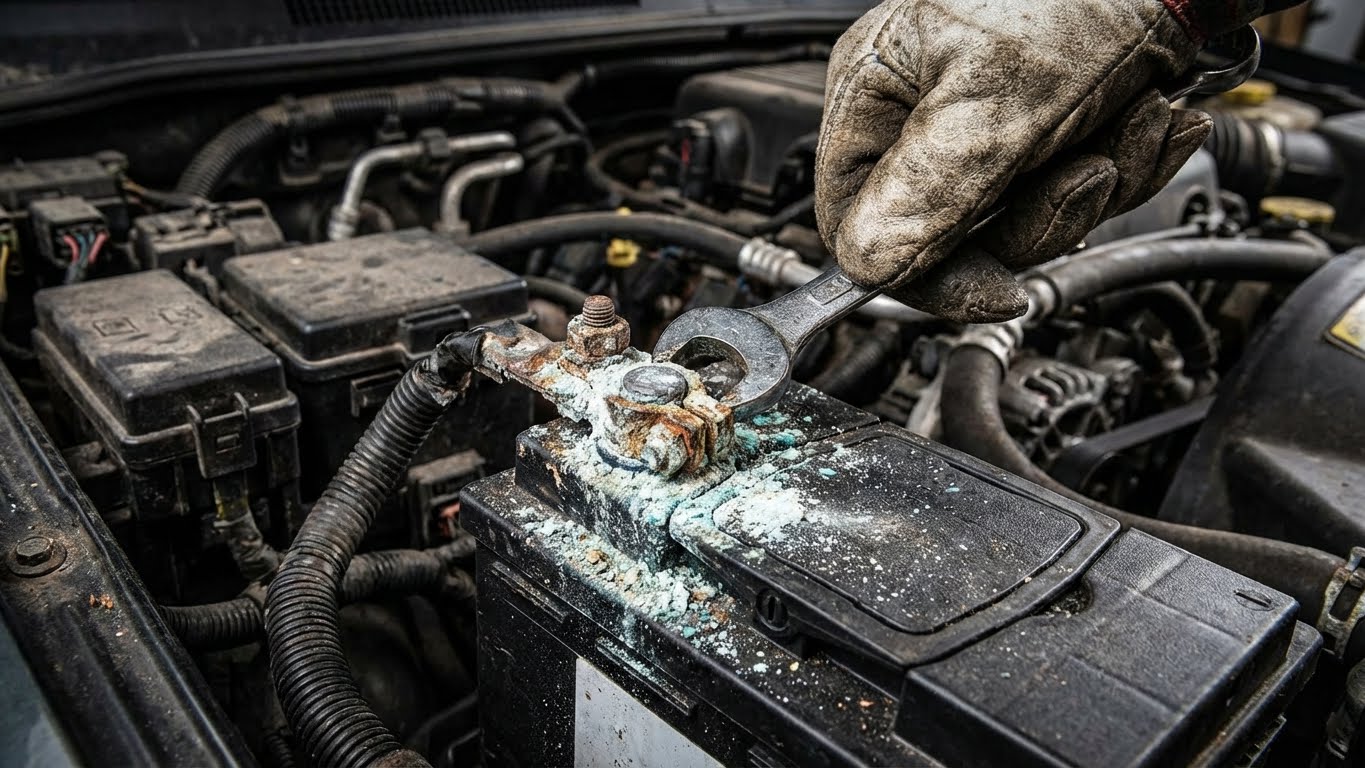
A clicking noise when starting a Jeep Grand Cherokee is a common issue that often points to problems within the electrical or starting system. The most frequent cause of this clicking sound is a weak or dead battery, which struggles to provide enough power to the starter motor. Other possible causes include corroded battery terminals, a faulty starter, or issues with the electrical connections.
This noise usually happens because the starter solenoid is trying to engage but cannot get enough power to turn the engine over. While the problem is often easy to fix by charging or replacing the battery, it can also signal deeper mechanical or electrical issues. Understanding these causes can help Jeep owners diagnose the problem quickly and decide when to seek professional help.
Key Takeways
- Clicking noises often mean the battery is weak or connections are poor.
- Starter motor problems or electrical issues can also cause clicking sounds.
- Quick diagnosis can prevent further damage and costly repairs.
Contents
- 1 Understanding Clicking Noise in Jeep Grand Cherokee
- 2 Primary Causes of Clicking When Starting
- 3 Electrical System Issues
- 4 Mechanical Problems Leading to Clicking
- 5 How to Diagnose Clicking Noises
- 6 Troubleshooting Steps for Jeep Grand Cherokee Owners
- 7 When to Seek Professional Help
- 8 Preventive Maintenance Tips
- 9 Impact of Weather and Environmental Conditions
- 10 Long-Term Consequences of Ignoring Clicking Noises
- 11 FAQs
- 12 Conclusion
Understanding Clicking Noise in Jeep Grand Cherokee
A clicking noise when starting a Jeep Grand Cherokee often signals specific issues with the vehicle’s electrical or mechanical systems. Recognizing the exact sound and symptoms helps pinpoint whether the problem lies in the battery, starter, or other components. The starting system’s design also explains why these noises occur.
Common Symptoms
The most frequent symptom is a rapid, repeated clicking sound when the key turns in the ignition, but the engine does not crank. This clicking means the starter motor is trying to engage but cannot turn the engine over. The vehicle may also show dim dashboard lights or no lights at all during this event.
Sometimes, the clicking is accompanied by a failure to start, or the car starts intermittently. Other times, the noise might be heard while shifting gears or just after the engine is turned off. These symptoms often indicate battery issues, loose connections, or starter faults.
Typical Sound Characteristics
The clicking sound usually consists of multiple quick, sharp clicks rather than a single click. It often sounds like “click-click-click” at a fast pace. The noise comes from the area around the engine or under the hood.
In some cases, the clicks are softer or slower and may be heard only when the key is turned or just after. If the noise is loud and constant, it can point toward problems with the starter solenoid or faulty electrical contacts. Identifying the pattern and volume of clicks helps narrow down the cause.
How the Starting System Works
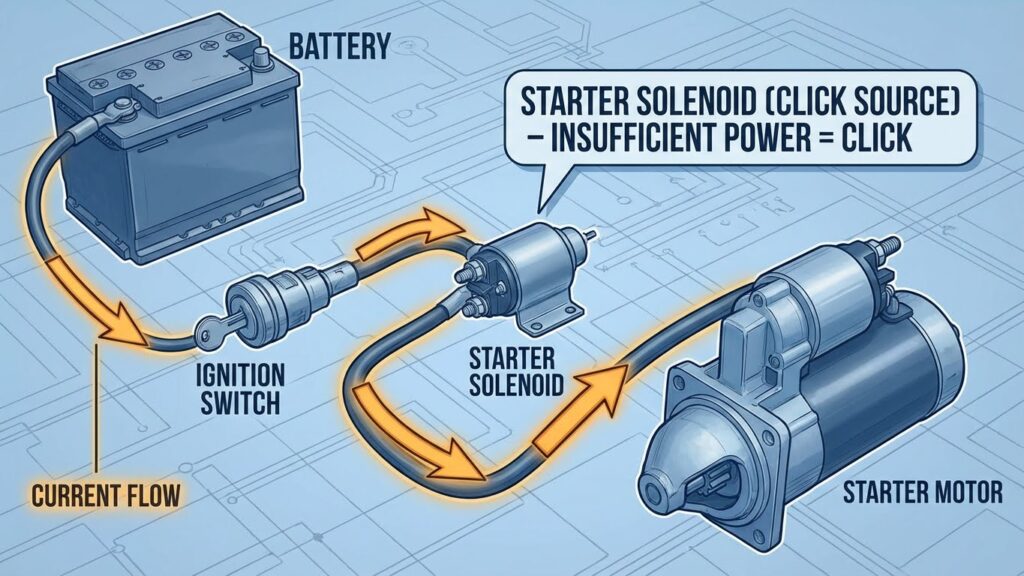
The starting system relies on the battery to send power to the starter motor through the starter solenoid. When the key is turned, the solenoid closes the circuit, allowing electricity from the battery to spin the starter motor.
If the battery voltage is low or the connections are corroded or loose, the solenoid may click but fail to fully engage the starter. This prevents the engine from turning over. The system also depends on the ignition switch and other components working correctly to deliver the needed current for starting the engine.
The clicking noise is often the sound of the system’s failed attempt to engage the starter motor under insufficient electrical power or mechanical resistance.
Primary Causes of Clicking When Starting
A clicking noise when starting a Jeep Grand Cherokee usually points to problems with the electrical system. The most common reasons involve the battery, starter motor, and connections that deliver power. Identifying these specific issues can help focus repairs and avoid further damage.
Weak Battery or Low Voltage
A weak or discharged battery is the most frequent cause of a clicking sound during startup. When the battery voltage drops below what the starter needs, the starter motor struggles to turn the engine, making a rapid or single clicking sound.
This often happens if the battery is old, left unused, or if something like lights or accessories drained it. Sometimes, cold weather reduces the battery’s power, making it harder to start the Jeep.
Testing the battery voltage with a multimeter can confirm low charge. Usually, anything under 12.4 volts means the battery needs charging or replacement. Recharging or installing a fresh battery often stops the clicking and lets the engine start normally.
Faulty Starter Motor
The starter motor itself can fail, causing a clicking noise when trying to start the Jeep. Inside, the starter has a solenoid that pushes the starter gear to engage the engine. If this solenoid or the motor coils are damaged, it can cause clicking without turning the engine.
Signs of a faulty starter motor include a single loud click or repeated clicks with no engine cranking. Sometimes the motor works intermittently, making the problem inconsistent.
Testing starter function requires checking voltage at the starter during ignition. If power is present but the motor does not run or clicks, the starter likely needs repair or replacement.
Corroded or Loose Battery Terminals
Corrosion or loose connections at the battery terminals can cause clicking because they reduce the power flow to the starter motor. This stops the starter from getting enough current, even if the battery itself is good.
Corrosion looks like white, green, or blue powder around the terminals. Loose cables can move or disconnect during starting.
Cleaning the terminals with a wire brush and tightening the clamps restores proper contact. This simple fix often resolves clicking caused by poor electrical connection without needing other parts replaced.
Electrical System Issues
Electrical problems can cause the clicking noise when starting a Jeep Grand Cherokee. Key issues often involve the starter relay, fuses, and wiring connections. Each component plays a vital role in delivering power to the starter motor.
Bad Starter Relay
The starter relay acts as a switch that sends electrical current to the starter motor. When this relay fails, it may cause a clicking sound without engaging the starter. A bad relay often results from worn contacts or electrical failure inside the relay unit.
Symptoms include repeated clicking when turning the key and no engine turnover. Testing the relay usually involves swapping it with another similar relay in the fuse box or using a multimeter to check continuity. Replacing a faulty relay is generally inexpensive and simple but critical to restoring proper starting function.
Blown Fuses
Fuses protect the Jeep’s electrical circuits by breaking the connection if current overloads occur. A blown fuse in the starting circuit can prevent power from reaching the starter motor or relay.
Inspecting the fuse box for blown fuses is a necessary step when diagnosing start-up clicks. Common fuses related to starting issues include those labeled “starter” or “ignition.” If a fuse is blown, it needs to be replaced with the same amperage rating to avoid further electrical problems.
Damaged Wiring Connections
Loose, corroded, or damaged wiring can reduce or block the flow of electricity needed to start the Jeep. Wiring issues often cause intermittent clicking and failure to start.
Inspect battery terminals, starter connections, and wiring harnesses for signs of corrosion, fraying, or poor contact. Cleaning terminals and tightening connections can restore power flow. If wires are damaged, they should be repaired or replaced for safe and reliable starting performance.
Mechanical Problems Leading to Clicking
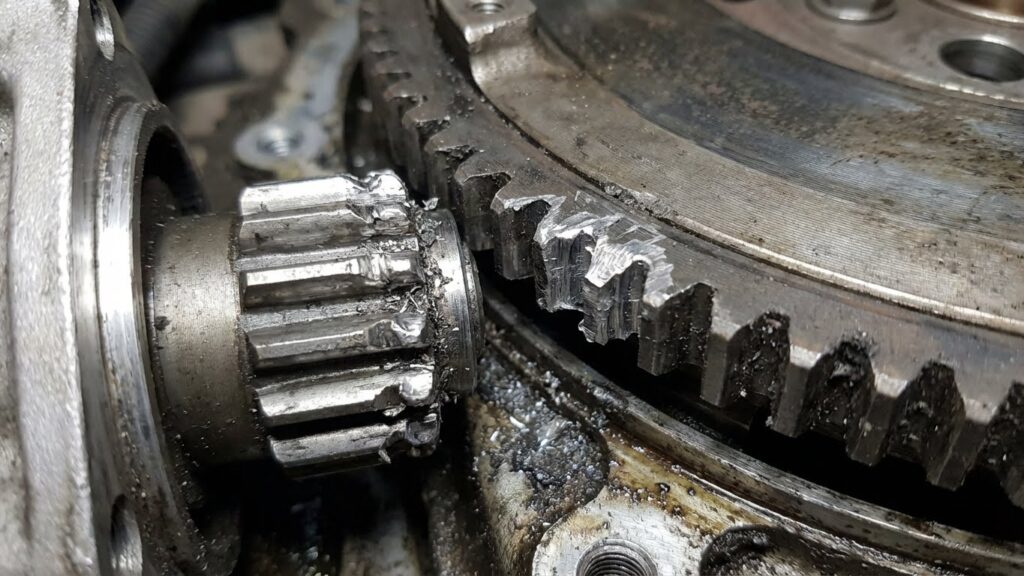
Several mechanical issues can cause a clicking noise when starting a Jeep Grand Cherokee. These problems involve key engine components and electrical parts that work together to start the vehicle. Issues like stuck engine parts, worn solenoids, or poor connections can all lead to the clicking sound.
Seized Engine Components
If engine parts are seized or stuck, the starter motor may click but not fully engage. For example, when the engine’s moving parts are jammed due to lack of oil or damage, the starter cannot turn the engine over. This causes the characteristic clicking noise as the starter tries and fails to engage.
A seized engine is a serious problem. It can result from insufficient lubrication, overheating, or internal damage. If the engine is seized, the starter gear cannot mesh with the flywheel, causing repeated clicking. This issue requires immediate professional attention to avoid further damage to the engine.
Worn Out Solenoid
The starter solenoid acts like a switch that engages the starter motor. If this solenoid is worn or failing, it can cause a clicking sound. When the solenoid tries to send current to the starter but can’t complete the connection, it creates a rapid clicking noise.
A faulty solenoid may fail to push the starter gear into the engine’s flywheel. This prevents the motor from turning over. Signs of a worn solenoid include intermittent starter engagement or rapid clicks when turning the key. Replacing the solenoid usually fixes this problem.
Loose Ground Connections
Loose or corroded ground connections can interrupt the electrical flow needed to start the car. The starter solenoid may click as it receives some power, but not enough for the starter to run fully. Poor grounding between the battery, engine, and starter causes voltage drops affecting startup.
Commonly, ground wires become loose or develop corrosion over time. This can be checked by inspecting the battery terminals and engine block connections. Tightening or cleaning these connections often stops the clicking noise and restores reliable starting.
How to Diagnose Clicking Noises
Diagnosing clicking noises when starting a Jeep Grand Cherokee requires a clear look at the vehicle’s battery, starter, and electrical connections. Focused steps help identify if the noise is from a weak battery, faulty starter, or other issues. Using some basic tools and paying attention to specific signs can narrow down the cause quickly.
Visual Inspection Steps
Start by examining the battery terminals for corrosion or loose connections. Dirty or corroded terminals often cause poor electrical contact, leading to a clicking noise when starting. Check the battery case itself for cracks or leaks, which indicate it might need replacement.
Next, look at the starter motor and its wiring. Damaged wires or a loose connection here can cause intermittent clicking sounds. Also, inspect the fuses and relays related to the starting system for any visible damage or signs of wear.
Finally, check the engine oil level. Low oil can cause unusual engine noises, though not always linked directly to starting clicks. This inspection helps eliminate simple causes before using more advanced tools.
Diagnostic Tools Required
A multimeter is essential to measure battery voltage and current flow. A fully charged battery should read around 12.6 volts with the engine off. Anything below 12 volts may cause a clicking starter noise due to insufficient power.
A battery load tester can check the battery’s ability to hold a charge under stress. Weak batteries often fail this test even if voltage looks normal.
A scan tool or OBD-II reader helps identify electrical faults or starter-related error codes stored in the vehicle’s computer. These devices provide data on the starter circuit and battery condition.
In some cases, a mechanic’s stethoscope can pinpoint starter motor noises by listening closely during engine start attempts. This helps isolate if the clicking comes from the starter or elsewhere.
Key Warning Signs to Watch For
A rapid clicking sound, usually repeated several times, often points to a weak or dead battery. This clicking happens because the starter solenoid activates but there isn’t enough power to turn the engine.
If the clicking occurs once or twice and is followed by silence, the starter motor or solenoid might be faulty or stuck.
Flickering dashboard lights or dim headlights when turning the key suggests low battery voltage or poor electrical connection.
If the clicking happens only when shifting gears or while the vehicle is stationary, the issue could relate to transmission shift mechanisms, not the battery or starter.
Noticing smoke or burning smells during or after clicking noises is a serious warning to stop trying to start the vehicle and get professional help immediately.
Troubleshooting Steps for Jeep Grand Cherokee Owners
When a Jeep Grand Cherokee makes a clicking noise at startup, the issue often relates to the battery, starter, or electrical connections. Each of these parts should be checked methodically to identify the root cause and determine the best fix.
Checking Battery Health
The battery is usually the first part to inspect. A weak or dead battery often causes a clicking sound because it doesn’t supply enough power to the starter. The battery voltage should be tested using a multimeter. A fully charged battery typically reads about 12.6 volts or higher.
If the voltage is below 12 volts, the battery may need charging or replacement. Corrosion on battery terminals can also reduce power flow, so they should be cleaned with a wire brush and battery cleaner. Checking the battery’s age is important—most car batteries last about 3-5 years. If the battery is old, weak, or damaged, replacing it can solve the clicking noise problem.
Testing the Starter
If the battery is in good condition, the next step is to test the starter. A faulty starter can cause similar clicking sounds when it fails to engage the engine properly. Often, a starter will produce a clunk or rapid clicks if its solenoid or internal parts are worn out.
To test the starter, listen for the sound when turning the key. If clicking persists with a good battery, there may be a problem with the starter motor or solenoid. Tapping the starter lightly with a tool can sometimes free stuck parts temporarily. However, if problems continue, the starter may require repair or replacement.
Examining Electrical Connections
Electrical connections play a key role in the starting process. Loose, dirty, or damaged wires can prevent the starter from getting power, leading to clicking noises at startup. Key areas to check include the battery terminals, starter cables, and ground wires.
Connections should be tight and free of rust or corrosion. Inspect the wiring harness for cracks or frayed sections that could disrupt current flow. Cleaning and tightening connections often restore proper electrical contact. In some cases, faulty fuses or relays related to the starting system can also cause problems, so these should be tested and replaced if necessary.
When to Seek Professional Help
A clicking noise when starting a Jeep Grand Cherokee can sometimes be fixed with simple steps like charging the battery. However, certain signs mean the problem could be serious and need a trained mechanic’s attention. Knowing these signs and how to find a skilled professional is important.
Warning Signs of Serious Damage
If the clicking is accompanied by a rapid series of clicks or the engine turns over but does not start, this could indicate issues beyond a weak battery, such as a faulty starter motor or damaged electrical connections.
Another warning is if the clicking happens alongside dim or flickering dashboard lights. This may point to a failing alternator or deep battery problems.
Intermittent starting failure can also hint at wiring problems or corrosion that simple charging won’t fix.
If the vehicle has a history of engine noises or suffers from smoke or unusual smells when trying to start, it’s best to stop and call a professional to avoid further damage.
Finding a Qualified Mechanic
Choosing the right mechanic starts with checking their experience specifically with Jeep Grand Cherokees or similar models. Look for shops that provide diagnostic testing to pinpoint electrical or starter system issues accurately.
A qualified mechanic should offer a clear explanation of the problem and possible solutions. They need to be transparent about costs and expected repair time.
Reading online reviews or getting recommendations from trusted sources helps in finding someone reliable. Certified technicians are preferred because they have updates on the latest Jeep technology and repair methods.
Lastly, make sure the shop uses genuine parts instead of generic alternatives to ensure lasting repairs.
Preventive Maintenance Tips
Proper care of the electrical system is key to avoiding clicking noises when starting a Jeep Grand Cherokee. Keeping battery connections clean and regularly inspecting the electrical parts help ensure smooth engine starts.
Maintaining Battery Terminals
Battery terminals can corrode over time, creating resistance that lowers battery power. This often causes the starter to click without turning the engine over. To prevent this, terminals should be checked every few months.
Cleaning involves disconnecting the battery cables and using a wire brush or battery terminal cleaner to remove any buildup. Applying a thin layer of petroleum jelly or a specialized terminal protectant helps keep corrosion from returning.
Tightening the terminals is also important. Loose connections can cause intermittent contact, leading to starting issues. Battery condition should be monitored too; a weak battery may not hold enough charge even with clean terminals.
Regular Electrical System Checks
Routine checks of the electrical system catch early signs of trouble. This includes testing the battery voltage, inspecting wiring for damage or fraying, and ensuring the starter solenoid works properly.
Using a multimeter to measure battery voltage gives a clear picture of battery health. It should read around 12.6 volts when the engine is off. Lower readings suggest the battery needs charging or replacement.
Inspecting wiring focuses on connections from the battery to the starter and fuse box. Damaged wires can cause poor current flow and clicking noises during startup. Replacing worn cables prevents electrical failures.
Checking the starter solenoid involves listening for clicks and ensuring it engages. A faulty solenoid may click but not power the starter motor, causing no engine crank. Early detection avoids being stranded with a non-starting vehicle.
Impact of Weather and Environmental Conditions
Weather and the surrounding environment can affect how a Jeep Grand Cherokee behaves when starting. Cold temperatures and moisture in the air are two key factors that can cause clicking noises or make starting harder.
Effects of Cold Weather
Cold weather makes the battery work harder because chemical reactions inside it slow down. This reduces the battery’s ability to deliver strong, consistent power needed to start the engine. As a result, the starter motor may not get enough energy, leading to a rapid clicking noise.
Thickened engine oil in cold temperatures also puts more strain on the starter. The oil does not flow as easily, making the engine harder to turn over.
Drivers often notice this clicking noise early in the morning or after the vehicle has been parked in freezing conditions. A weakened or older battery is more likely to cause starting difficulties in cold weather.
How Humidity Influences Electrical Issues
High humidity can cause moisture to build up around electrical connections under the hood. This moisture may lead to corrosion or short circuits, which can cause intermittent clicking noises when trying to start the Jeep.
Water inside key components like the starter solenoid or ignition switch disrupts electrical pathways. This interruption leads to a weak or inconsistent signal, triggering the clicking sound without the engine turning over.
Regular inspection and cleaning of battery terminals and connections help prevent moisture-related problems. Using dielectric grease on connectors can also protect against humidity and corrosion.
Long-Term Consequences of Ignoring Clicking Noises
Ignoring clicking noises when starting a Jeep Grand Cherokee can lead to serious problems over time. The most common cause of this noise is a weak or dead battery. If left unchecked, a failing battery can leave the vehicle stranded unexpectedly.
Another risk involves the starter motor or starter solenoid. Continuous clicking without addressing the root cause may cause these parts to wear out faster. This can result in higher repair costs or the need for a full starter replacement.
Low oil levels or engine component issues, such as faulty valves or timing chains, could also produce clicking sounds. If ignored, these can cause engine damage, which is often expensive to fix. Engine problems can reduce performance, increase fuel consumption, and shorten the vehicle’s lifespan.
| Problem Source | Possible Long-Term Damage | Repair Implications |
|---|---|---|
| Battery | Vehicle won’t start | Battery replacement |
| Starter motor | Starter failure | Costly motor or solenoid repair |
| Engine components | Engine damage, poor performance | Expensive rebuild or replacement |
Ignoring the clicking noise can also affect safety. Worn wheel bearings or CV axles, common sources of clicking in 4WD vehicles, can lead to wheel failure or loss of control while driving.
Prompt diagnosis helps avoid these risks. Repairing or replacing faulty components early protects the vehicle and improves reliability.
FAQs
Why does my Jeep Grand Cherokee make a clicking noise when starting?
The clicking noise usually shows a weak battery or poor electrical connection. It might also mean the starter motor is worn out or failing. Corroded or loose battery terminals often cause low voltage, which leads to this clicking sound.
Can a bad alternator cause clicking when I turn the key?
Yes, a failing alternator can cause the battery to drain, resulting in low voltage. This low voltage often triggers the clicking noise because the starter does not get enough power. Checking the alternator is important when troubleshooting starting issues.
What should I check first if my Jeep won’t start but clicks?
Start by inspecting the battery terminals for corrosion and tightness. Then, test the battery charge. Often, replacing the battery or cleaning the terminals resolves the issue. If the battery is good, the starter motor might need inspection or replacement.
Is it possible to reset the Jeep’s computer to fix starting problems?
Yes, disconnecting the negative battery terminal for about five minutes can reset the computer system. This might clear minor errors that prevent the engine from cranking. For complex issues, professional diagnosis is recommended.
You can find more detailed battery care tips on the Battery University website. For in-depth starter motor issues, the Automotive Repair Guide is a reliable source.
Conclusion
A clicking noise when starting a Jeep Grand Cherokee often points to issues with the battery or the starter motor. The most common cause is a weak or dead battery. Corroded or loose battery terminals can also create low voltage, preventing the engine from cranking.
If the battery and connections check out, the starter motor may be worn out or failing. In some cases, poor electrical connections, a bad alternator, or internal wiring problems can cause the clicking sound without starting.
Key points to check:
- Battery charge level
- Clean and tight battery terminals
- Starter motor condition
- Wiring and ground connections
Replacing the battery often resolves the issue quickly. If the noise continues, a professional diagnosis is advised. Testing the starter and electrical systems will help find the exact cause.
Addressing the problem promptly prevents further damage and keeps the vehicle reliable. A methodical approach—starting with the battery and moving to more complex parts—usually leads to an effective fix.