

A clicking noise when starting a Jeep Wrangler is a common issue that often signals a problem with the electrical or starter system. The most frequent cause of this noise is a weak or failing battery, which prevents the engine from cranking properly. Other reasons can include loose or corroded battery connections, a faulty starter motor, or issues with wiring and grounding.
This problem usually shows itself as a rapid clicking sound when turning the key, sometimes accompanied by dimming lights. In some cases, the noise might come from parts inside the dashboard, like the blend door actuator, but this is less common. Understanding what causes the clicking will help Jeep owners quickly find a solution and avoid being stranded.
Key Takeways
- A weak battery is the most common cause of clicking noises when starting.
- Loose or corroded connections can also lead to starting problems.
- Checking the starter and wiring helps diagnose less obvious issues.
Contents
- 1 Common Causes Of Jeep Wrangler Clicking Noise When Starting
- 2 Diagnosing Clicking Noise Issues
- 3 Battery-Related Problems
- 4 Starter System Troubleshooting
- 5 Other Mechanical And Electrical Causes
- 6 When To Seek Professional Help
- 7 Preventive Maintenance Tips
- 8 Potential Long-Term Effects Of Ignoring Clicking Noises
- 9 FAQs
- 10 Conclusion
Common Causes Of Jeep Wrangler Clicking Noise When Starting
A clicking noise when starting a Jeep Wrangler usually points to specific electrical or mechanical issues. These problems often involve the battery, starter system, or related components. Identifying the exact cause helps in applying the right fix quickly.
Dead Or Weak Battery
A dead or weak battery is the most frequent cause of a clicking noise during startup. When the battery can’t provide enough power, the starter motor clicks but doesn’t have enough energy to turn the engine over. This results in rapid or repeated clicking sounds.
Batteries lose charge over time, especially in cold weather or if the vehicle isn’t used regularly. Testing the battery voltage can confirm if it is weak. If the battery shows less than 12 volts, it often needs recharging or replacement.
Faulty Starter Motor
The starter motor is responsible for turning the engine when the key is turned. If it malfunctions, it can cause a clicking sound instead of starting the engine. This might happen due to internal wear or electrical problems inside the starter.
A faulty starter motor may show symptoms like slow cranking or no response after multiple clicks. Testing the current draw or tapping the starter lightly while trying to start can sometimes diagnose it. Replacing the starter motor is usually required if it fails.
Corroded Or Loose Battery Connections
Battery terminals and cables must have clean, tight connections. Corrosion or looseness interrupts the flow of electricity to the starter motor, causing the clicking noise without proper engine crank.
Visual inspection can reveal green or white buildup on terminals. Cleaning the terminals with a wire brush and tightening the clamps often resolves the issue. Ensuring cables are secure prevents future electrical problems.
Worn Out Solenoid
The starter solenoid works as a switch that transfers power from the battery to the starter motor. A worn or failing solenoid may click without engaging the starter fully, producing a noticeable clicking sound.
Solenoid failure can cause intermittent starting problems alongside clicking noises. Testing the solenoid’s continuity and voltage helps identify faults. Replacing the solenoid or the entire starter assembly is the common solution when it wears out.
Diagnosing Clicking Noise Issues
When a Jeep Wrangler makes a clicking noise on startup, there are specific steps to take to understand the cause. Listening carefully, watching dashboard lights, and checking the battery and electrical parts often reveal the root of the problem.
Listening For The Type Of Click
The kind of clicking sound heard is a major clue. A rapid, repetitive clicking often means the battery is weak or dead. This happens because there isn’t enough power to fully engage the starter.
A single click or slow clicking may point to a faulty starter motor or solenoid. It might also show issues with the ignition switch or a relay failing to send the right signal.
Noticing when the clicks happen helps too. If the noise appears only during cold starts or after sitting, battery or connection problems are likely. If it happens constantly, the starter or related parts may need inspection.
Interpreting Dashboard Indicator Lights
Dashboard lights can tell a lot about the problem. When the battery or charging system is weak, the battery light or check engine light often stays on or flickers when turning the key.
If the lights dim or flicker along with clicking, the battery voltage is likely low. Normal battery voltage is about 12 volts when the vehicle is off.
No lights or dashboard response combined with clicking means the battery might be too dead to power anything, or a major electrical connection is loose or damaged.
Noticing which lights come on helps pinpoint if the problem is electrical or mechanical. For example, the oil or temperature lights don’t usually affect starting clicks, so focus on battery and electrical indicators first.
Checking Electrical Connections
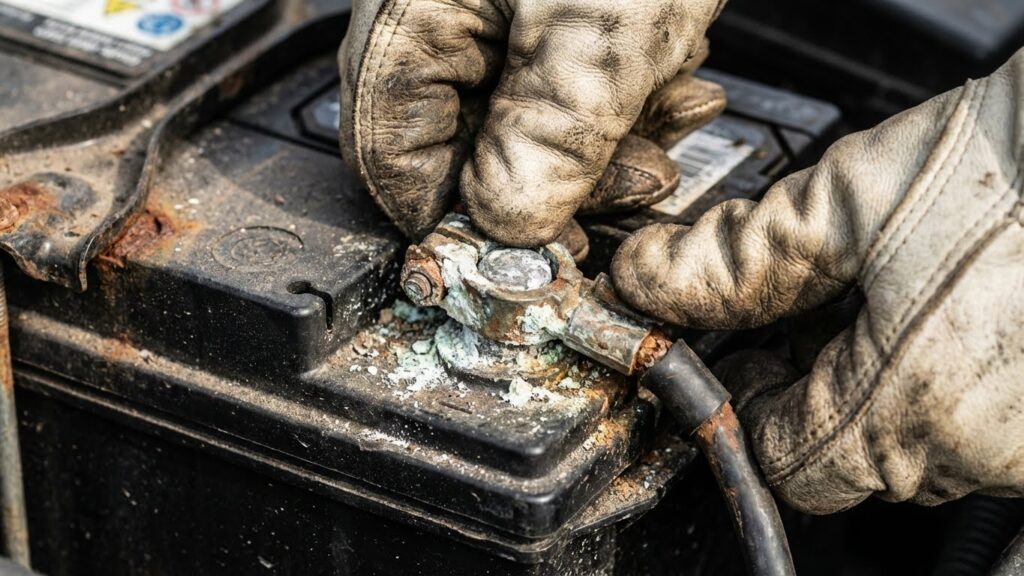
Battery terminals and cables must be clean and tight to let current flow smoothly. Corrosion, dirt, or loose connections often cause clicking when trying to start.
First, inspect the battery terminals for any white or greenish buildup. Clean terminals carefully with a wire brush or terminal cleaner if needed.
Next, check the cable connections on both the battery and starter motor. Make sure connectors are secure and wires are not frayed or damaged.
A loose ground cable can also cause clicking by interrupting the electrical path. Ensure the ground strap from the battery to the frame or engine block is solid.
Testing battery voltage with a multimeter will confirm if the battery holds enough charge. If voltage is below 12 volts, charging or replacement might be required.
Battery-Related Problems
Battery issues are a common cause of clicking noises when starting a Jeep Wrangler. Problems like poor connections, low voltage, or dead batteries can stop the engine from cranking. Checking the battery’s condition, its charge, and the ability to get a quick start helps pinpoint the issue.
Visually Inspecting The Battery
Start by looking over the battery terminals and cables. Corrosion, dirt, or loose connections often block power flow. Look for white or blue powder on the terminals. If present, it needs to be cleaned with a wire brush or battery cleaner. Make sure the cable clamps are tight and secure. Damaged or frayed battery cables should be replaced. Also, check for cracks or leaks on the battery case which can indicate a failing battery. Good visual condition is essential for proper electrical flow and reduce the chances of clicking noises caused by weak power delivery.
Testing Battery Voltage
Measuring the battery voltage gives a clear idea of its health. A fully charged 12-volt battery should read about 12.6 volts or higher with the engine off. If it reads below 12.4 volts, the battery may be weak or partially discharged. Using a multimeter is the best tool for this. If the voltage falls much lower, below 12 volts, it will likely fail to start the engine and cause clicking. Batteries that test low can sometimes be recharged, but if they can’t hold a charge, replacement is necessary. Testing under load or during a start attempt can reveal hidden issues.
Jump Starting The Vehicle
Jump starting is a quick way to rule out a dead battery as the cause of the clicking noise. Use jumper cables and a properly charged donor battery or jump pack. Connect the positive cable first to the dead battery, then to the good battery. Do the same with the negative cables, but connect the donor cable’s negative end to a metal ground on the engine block, not directly on the battery. Once connected, try starting the Jeep. If it starts, the problem was a low or dead battery. After jump starting, the battery or charging system should be tested to prevent future failures.
Starter System Troubleshooting
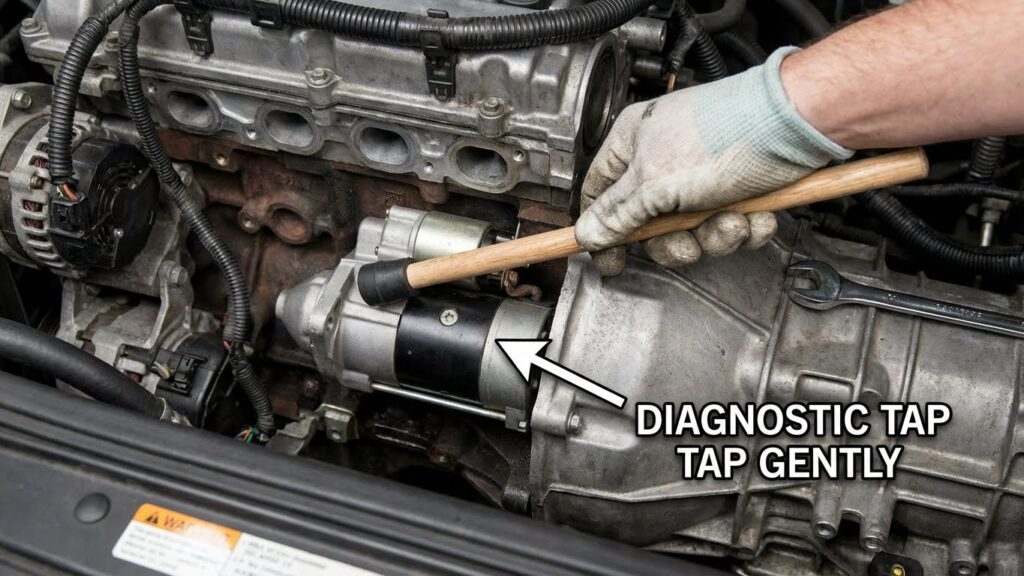
Troubleshooting the starter system involves finding the starter and solenoid, then checking the starter relay. These parts work together to send power to the engine and start it. Identifying their condition helps pinpoint the issue when the Jeep makes clicking noises but won’t start.
Locating The Starter And Solenoid
The starter motor is usually mounted near the bottom of the engine, close to the transmission. The solenoid is either attached directly to the starter or mounted very near it. It looks like a small cylinder or canister on top or on the side of the starter.
To access it, one may need to lift the Jeep or remove some parts depending on the model year and engine type. Look for thick battery cables attached to one side of the solenoid. Identifying these parts clearly is key before testing or replacing them.
Testing Starter Relay Function
The starter relay controls power sent to the solenoid. It is often located in the fuse box under the hood. To test it, first check if the relay clicks when trying to start the Jeep. A click means the relay is getting power and trying to work.
If there is no click, swap the relay with another one of the same type or test with a multimeter. The relay should allow current to pass through when activated. A faulty relay can cause the starter to click but not turn the engine over.
Other Mechanical And Electrical Causes
Clicking noises when starting a Jeep Wrangler can come from parts beyond the battery or starter. Electrical components like the ignition switch and wiring play key roles. Mechanical failures in these areas often cause intermittent or persistent clicking that stops the engine from turning over properly.
Ignition Switch Failure
The ignition switch sends power to the starter motor circuit. If it starts to fail, the switch may not fully engage, causing quick clicking sounds when the key turns. A worn ignition switch can prevent enough current from reaching the starter relay or solenoid.
Drivers might notice the clicking only happens sometimes or when the key is in a certain position. This is because partial internal contact inside the switch disrupts the electrical flow. Testing the ignition switch involves checking for voltage output when the key is turned.
Replacing a faulty ignition switch often resolves the clicking and no-start issue. It is important to ensure the replacement is correct for the Jeep model and year, as connectors and specifications vary.
Faulty Wiring Or Fuses
Damaged or corroded wiring can cause a clicking noise by interrupting power delivery to the starter. Key spots to inspect include battery terminals, starter motor cables, and the starter relay wiring. Corrosion builds resistance, limiting the current needed to crank the engine.
Fuses related to starting circuits may also cause clicking when blown or loose. Checking fuses in the fuse box for any damage or poor seating helps eliminate this cause.
To diagnose wiring issues, a multimeter can test continuity and voltage drop in the circuits. Cleaning corroded terminals and tightening connections often clears the problem. In some cases, rewiring or fuse replacement is necessary to restore proper function.
When To Seek Professional Help
If the Jeep Wrangler keeps making a clicking noise when starting despite basic checks, it is time to consult a professional mechanic. Persistent clicking often indicates an issue that needs expert diagnosis and repair.
Signs to watch for include:
- Multiple failed attempts to start the engine
- Clicking noise accompanied by dim lights or electrical faults
- No improvement after replacing or charging the battery
These symptoms may point to problems beyond a simple battery issue, such as a faulty starter motor, bad connections, or wiring issues.
Attempting to fix these can risk further damage or lead to unnecessary parts replacement. A professional has the right tools and experience to pinpoint the exact cause. They can test the battery, starter, and electrical system precisely.
If unusual noises continue after a jump start or battery replacement, the problem could involve the starter solenoid, wiring harness, or internal engine components. In such cases, delaying professional help might cause more serious mechanical failures.
In short, persistent clicking noises combined with starting issues indicate it is time to get a qualified mechanic involved. Early professional intervention helps avoid costly repairs and keeps the Jeep reliable.
Preventive Maintenance Tips
To avoid a clicking noise when starting a Jeep Wrangler, regular battery care is essential. Checking the battery terminals for corrosion and cleaning them if needed helps maintain a strong connection. Tightening loose terminals also ensures proper electrical flow.
Battery health should be tested often, especially before cold weather or long trips. Replacing an old or weak battery in time prevents starting issues.
The starter and its wiring need attention too. Inspecting cables for damage or looseness can catch problems early. If the starter shows signs of wear, replacing it before failure can save time and trouble.
Keeping the engine’s oil at the right level supports smooth starting. Low oil or dirty oil can cause ticking noises and engine strain. Regular oil changes and level checks are vital.
Using a checklist like this can help:
| Task | Frequency | Notes |
|---|---|---|
| Battery terminal check | Every 3 months | Clean corrosion |
| Battery voltage test | Twice a year | Replace if weak |
| Starter inspection | Annually or as needed | Check wiring and mounts |
| Oil level and quality | Monthly | Change oil per schedule |
Following these steps reduces the chance of clicking noises and starting failure. Routine maintenance keeps the Jeep running reliably.
Potential Long-Term Effects Of Ignoring Clicking Noises
Ignoring clicking noises when starting a Jeep Wrangler can lead to serious issues over time. The noise often points to a weak battery or a faulty starter. If left untreated, these problems can worsen.
A failing battery can cause repeated unsuccessful attempts to start the engine. This cycle drains the battery further and can leave the vehicle stranded. Over time, it may also reduce the battery’s overall lifespan.
Faulty starter parts, such as the solenoid or motor, may suffer permanent damage if the clicking noise is ignored. This can result in costly repairs or the need for a full replacement.
The ignition system can also be affected. Continuous stress on the electrical components might lead to wiring damage or corrosion. This increases the risk of electrical failures beyond just the starting process.
| Issue | Possible Effect | Result |
|---|---|---|
| Weak Battery | Drained battery | Vehicle may not start |
| Faulty Starter | Mechanical wear or failure | Expensive repairs or replacement |
| Ignition System Stress | Wiring damage or corrosion | Broader electrical problems |
Ignoring the clicking noise might also cause inconvenience. Repeated trouble starting the Jeep can lead to missed appointments or dangerous situations.
Early diagnosis and repair can save money and prevent further damage. It is important to address the cause of the clicking noise promptly.
FAQs
Why does my Jeep Wrangler make a clicking noise when starting?
A clicking sound usually means the starter solenoid is trying to engage the starter motor but can’t. This often happens because of a weak or dead battery, poor battery connections, or a failing starter. Checking the battery and terminals is a good first step.
Can a clicking noise happen if the battery tests OK?
Yes. Even if the battery tests good, corroded or loose battery terminals and cables can cause clicking. Sometimes the starter motor or solenoid may be faulty. It is important to inspect all electrical connections carefully.
What should be checked if the Jeep clicks but won’t start?
First, test the battery voltage and charge level. Next, look for corrosion on battery terminals and wiring problems. A failing alternator or starter motor can also cause this issue. The National Institute for Automotive Service Excellence recommends a full system diagnosis in such cases.
Is it safe to keep trying to start the Jeep when it clicks?
Repeated attempts can drain the battery further and potentially damage the starter. It is better to diagnose and fix the root cause rather than continuously trying to start the engine.
Can a bad starter solenoid cause clicking but no start?
Yes, the solenoid connects the battery power to the starter. A bad solenoid may click but fail to start the engine. Replacing the solenoid or starter often solves this problem.
More detailed information on Jeep electrical issues can be found at Jeep.com.
Conclusion
A clicking noise when starting a Jeep Wrangler often points to an electrical or power issue. The most frequent cause is a weak or dead battery. This problem can make the starter motor click rapidly without turning the engine over.
Other possible reasons include poor battery connections, corroded terminals, or a failing starter or solenoid. These parts are essential for delivering power to the engine. If any of them fail, the Jeep may not start and produce the clicking sound.
To address the issue, it is important to check battery voltage, clean and tighten connections, and test the starter and solenoid. Sometimes, a simple battery replacement or terminal cleaning can fix the problem quickly. However, if electrical parts are faulty, they may need repair or replacement.
Key areas to inspect:
| Component | Action |
|---|---|
| Battery | Test charge and replace if weak |
| Battery terminals | Clean corrosion and tighten |
| Starter motor | Test and replace if faulty |
| Solenoid | Test for proper operation |
He or she should always start troubleshooting with the battery and connections. These are the easiest to inspect and often the root cause of clicking noises. Persistent clicking after these checks means a deeper electrical fault might exist. In that case, professional assistance may be necessary.