

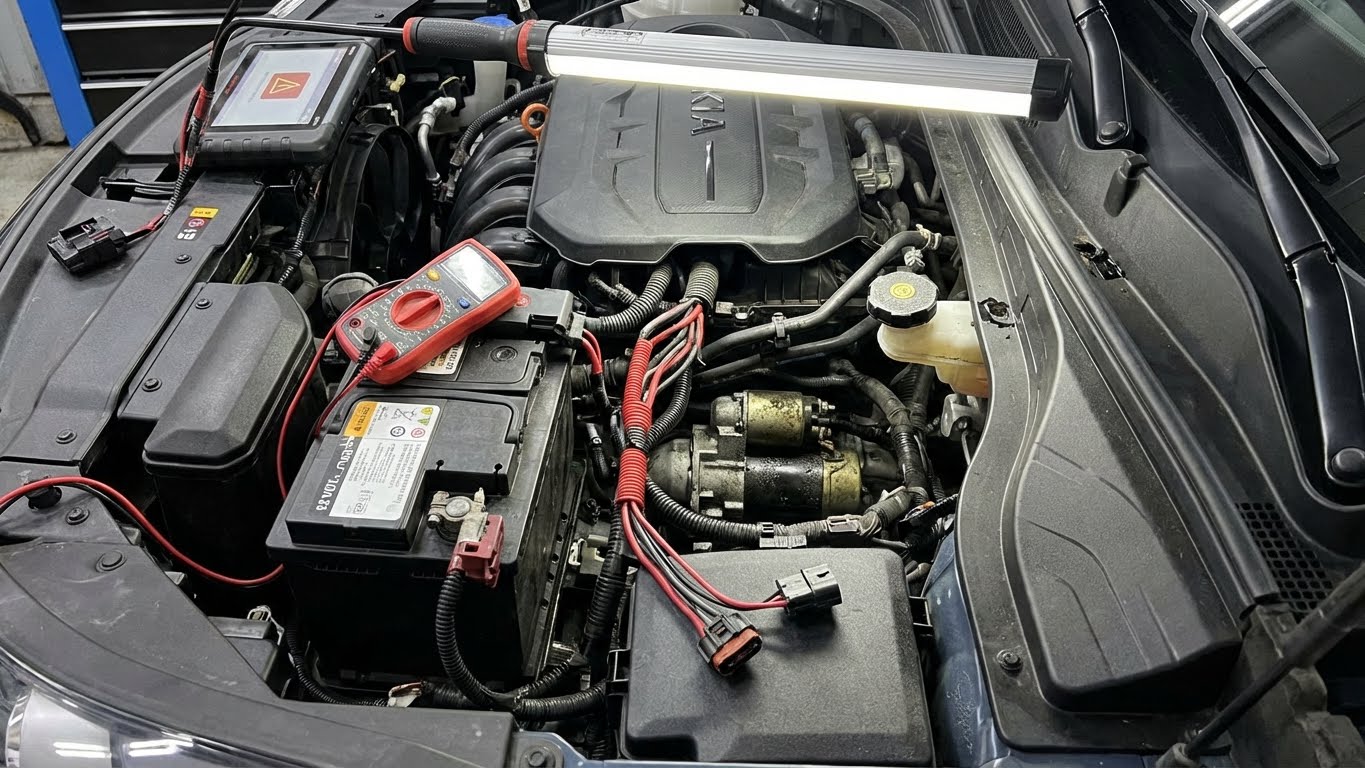
A clicking noise when starting a Kia Sportage usually means the engine isn’t getting enough power to crank. The most common cause is a weak or dead battery, but loose connections and starter issues can also be responsible. This problem often stops the engine from turning over, leaving drivers stuck and frustrated.
While the cause is often simple, like a corroded battery terminal or a low charge, more complex issues can sometimes be the reason. Knowing what to check first can save time and money. Understanding these causes helps drivers decide if they can fix it themselves or need professional help.
This guide will walk through common reasons for the clicking noise and clear steps to diagnose and fix the problem. It will also cover when it’s best to get a mechanic involved to avoid bigger issues.
Key Takeaways
- A weak battery is the most frequent cause of clicking noises when starting.
- Checking battery connections and starter components can quickly identify the problem.
- Professional help is advised when simple fixes don’t solve the issue.
Contents
- 1 Common Causes of Clicking Noise When Starting Kia Sportage
- 2 Diagnosing the Clicking Sound in Your Kia Sportage
- 3 How to Fix Kia Sportage Clicking Noise When Starting
- 4 When to Seek Professional Help
- 5 Preventing Future Clicking Noises in Your Kia Sportage
- 6 Impact of Climate and Driving Conditions
- 7 Costs Associated With Repairing Clicking Noise
- 8 FAQs
- 9 Conclusion
Common Causes of Clicking Noise When Starting Kia Sportage
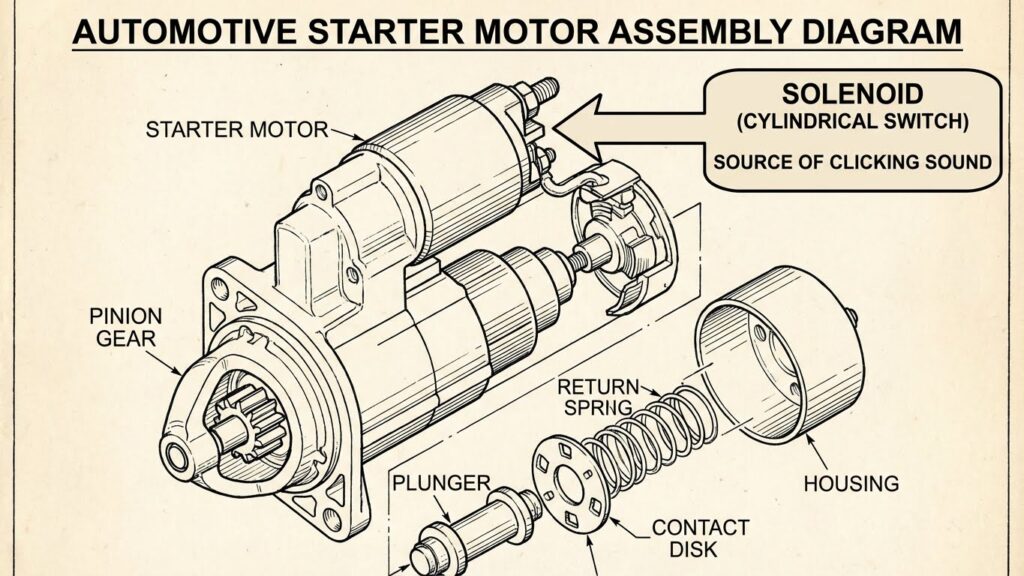
A clicking noise when starting a Kia Sportage usually means there is an issue with power delivery to the starter or a problem within the starting system itself. The cause often lies in parts that control or deliver electricity to the engine’s starter motor.
Starter Motor Issues
The starter motor is responsible for turning the engine over to start the car. If it is failing, it may create a clicking sound without cranking the engine. Worn brushes, a damaged armature, or a stuck gear can cause the motor to malfunction.
Sometimes, the starter motor’s internal parts wear down after repeated use, which weakens its ability to start the engine. A motor drawing too much current can also cause the battery to weaken. If the clicking happens repeatedly and the engine fails to start, the starter motor should be tested and possibly replaced.
Signs of starter issues include a rapid clicking noise and no movement from the engine. Repair should focus on either fixing or swapping the starter motor.
Battery Problems
A weak or dead battery is the most common cause of clicking noises when starting a Kia Sportage. The clicking happens because the battery does not have enough power to run the starter motor. This causes the starter solenoid to repeatedly engage and disengage without enough power to turn the engine.
Battery terminals that are corroded, loose, or dirty can block power flow as well. This stops the battery from delivering the voltage and current necessary for starting.
Testing battery voltage with a multimeter can help diagnose low charge or a failing battery. Jump-starting the car often works as a temporary fix. However, if the battery is old or cannot hold a charge, replacement is needed.
Faulty Solenoid
The solenoid acts as a switch that sends power from the battery to the starter motor. If the solenoid is defective, it may fail to send enough power to crank the engine. This causes a clicking sound as the solenoid tries to engage but can’t complete the circuit.
Wear and tear or electrical faults can cause the solenoid to malfunction. This can also create intermittent starting problems, where the car sometimes starts and sometimes only clicks.
Testing involves checking for voltage at the solenoid and ensuring it activates properly. A faulty solenoid usually needs replacing to restore reliable starting.
Wiring or Connection Faults
Loose, corroded, or damaged wiring in the starting system can cause clicking noises. Poor electrical connections reduce the current reaching the starter motor and solenoid, leading to insufficient power for engine cranking.
Common problem spots include battery terminals, starter motor connectors, and ground cables. Even slightly loose connections can cause voltage drops that result in the clicking sound without engine turnover.
Inspecting and cleaning battery terminals, tightening connections, and checking wiring for breaks or corrosion can often fix starting issues. Proper power flow is crucial for starting, so wiring faults should be repaired promptly.
Diagnosing the Clicking Sound in Your Kia Sportage
When a Kia Sportage makes a clicking noise at startup, it often points to specific mechanical or electrical issues. Understanding the click type, finding its exact source, and recognizing any warning signs helps pinpoint the problem quickly.
Identifying the Type of Click
The clicking sound can vary in tone and frequency. A rapid clicking, often repeated several times when turning the key, usually signals a weak or dead battery. This happens because the starter motor does not get enough power to engage fully.
A single sharp click might mean the starter solenoid is trying to activate but failing. This solenoid is a part that connects the battery to the starter motor.
If the click happens along with a grinding sound, it could indicate worn starter gears. Noting whether the click is slow, fast, single, or repeated helps narrow down the cause.
Locating the Source of the Noise
The clicking typically comes from the engine area, near the battery or starter motor. Checking under the hood, the battery terminals and cables should be inspected first. Corrosion or loose connections here can cause insufficient power flow, leading to clicking sounds.
If the battery and cables appear fine, the focus should shift to the starter motor and solenoid. These parts are usually mounted on the engine’s side or near the transmission.
Sometimes, clicking noises may come from other systems like the dashboard or suspension, but checking the engine bay is crucial when the noise occurs during startup.
Checking Warning Signs
Before attempting repairs, other symptoms around the clicking noise offer clues. Dim or flashing dashboard lights often accompany a weak battery or poor electrical connection.
If the engine cranks slowly or not at all, this reinforces the battery or starter as the problem. Occasional clicking without engine turnover means the starter solenoid might be faulty.
Unusual smells or smoke during attempts to start indicate serious electrical issues needing professional attention.
Recording the exact conditions, like weather or time since last start, can assist mechanics in diagnosing the problem faster.
How to Fix Kia Sportage Clicking Noise When Starting

If a Kia Sportage makes a clicking sound when trying to start, it usually points to power or starter system issues. Checking the battery’s condition, inspecting the starter motor, and securing electrical connections are key steps. These actions often solve the problem without major repairs.
Testing and Replacing the Battery
The battery is the most common cause of a clicking noise when starting. First, test the battery voltage using a multimeter. A healthy battery should read around 12.6 volts when the car is off. Anything below 12.4 volts usually signals a weak battery.
Next, check the battery’s charge by attempting to start the car. If the clicking persists and the engine won’t crank, the battery might not have enough power. Recharging the battery or jump-starting the Sportage can temporarily fix the issue.
If the battery is old, usually over 3-5 years, or fails voltage tests, it should be replaced. A new battery can restore proper power to the starter motor. Make sure terminals are clean before installing the new battery.
Inspecting Starter Motor Components
When the battery is good but the clicking noise continues, the starter motor or its solenoid may be faulty. The solenoid engages the starter motor to turn the engine over.
First, listen for any consistent clicking from the starter area during startup. If clicking occurs but the motor does not turn, the solenoid might not be activating properly.
It’s important to inspect the starter motor for wear or damage. A worn-out starter can fail to crank the engine. Removing the starter for a bench test or replacement is often needed if it shows signs of failure.
Securing Electrical Connections
Loose or corroded electrical connections can cut power to the starter, causing a clicking sound without cranking. Checking all cable connections between the battery, starter motor, and ground points is crucial.
Start by inspecting battery terminals for corrosion. Clean off any buildup with a wire brush or battery cleaner. Tighten terminals until secure but avoid over-tightening.
Next, check the starter motor’s electrical connections, including the thick cable carrying main power and the smaller wire connecting to the solenoid. Ensure all connectors are firmly attached and free from rust or damage.
Properly secured and clean electrical connections help ensure full power reaches the starter motor, often resolving the clicking-no-start issue.
When to Seek Professional Help
Some clicking noises during starting can be fixed by checking basic parts. However, persistent or complex problems often need expert attention to avoid further damage and ensure the vehicle runs properly.
Persistent Clicking After DIY Fixes
If clicking sounds continue after the owner has checked or replaced the battery, cleaned the terminals, and ensured all connections are tight, it signals a deeper issue. Problems with the starter motor, solenoid, or faulty wiring may be causing the noise. These components require diagnostic tools and skill to test accurately.
Ignoring persistent clicking can lead to more serious damage or a complete failure to start. At this stage, professional mechanics can perform a thorough electrical and mechanical inspection. This helps pinpoint the exact cause and avoid unnecessary part replacements.
Recurring Electrical Issues
When the clicking noise happens repeatedly and is accompanied by other electrical problems—like dimming lights, dashboard warning signals, or inconsistent starting—it suggests an underlying electrical fault. This could involve the alternator, battery health beyond a simple charge issue, or wiring shorts.
Electrical systems in modern Kia Sportages are complex. Professionals use specialized equipment to check the battery voltage under load and scan for error codes. They can detect issues that are otherwise hard to see with basic tools. Persistent and recurring electrical problems should be addressed promptly by a professional to maintain reliability and safety.
Preventing Future Clicking Noises in Your Kia Sportage
Maintaining smooth starting and avoiding clicking noises requires careful attention to both vehicle upkeep and battery condition. Paying close attention to proper service routines and electrical health helps keep the Kia Sportage reliable and quiet when starting.
Regular Maintenance Tips
Routine checks of the starter system and related components can prevent clicking noises. It is important to inspect the starter motor and its electrical connections for signs of wear, corrosion, or looseness. Tightening or cleaning terminals can stop poor electrical flow that causes clicking sounds.
Suspension and engine mounts should also be checked regularly. Worn mounts can indirectly affect how the engine and starter vibrate, sometimes causing unusual noises. Replacing these parts when aged can reduce extra noise and improve overall vehicle stability.
Keeping engine oil fresh and at the right level ensures smooth engine startup. Dirty or low oil can strain the starter and increase clicking or ticking sounds during ignition.
Monitoring Battery Health
The battery is often the main cause of clicking noises when starting a Kia Sportage. It is critical to check battery voltage regularly, especially before long drives or in cold weather. A voltage below 12.4 volts may signal a weak battery that needs replacing.
Battery terminals must be clean and free from corrosion. Corroded terminals reduce power flow, causing insufficient energy to the starter and resulting in clicks without engine cranking.
Using a multimeter to test the battery’s charge and inspecting the alternator’s output can reveal electrical issues early. Replacing an old battery proactively prevents unexpected no-start problems and clicking noises in the future.
Impact of Climate and Driving Conditions
Cold weather can cause a Kia Sportage to make a clicking noise when starting. Low temperatures reduce battery power and thicken engine oil, making it harder for the starter motor to turn the engine. This often leads to the clicking sound from the starter relay trying to engage but failing.
In hot climates, high temperatures can strain the battery and starter components. Heat can cause battery fluid to evaporate, reducing battery life and power. Driving in stop-and-go traffic or on hilly terrain also places extra load on the starter, increasing the chance of clicking noises.
Wet or humid conditions may lead to corrosion on battery terminals and starter connections. Moisture can cause electrical resistance, weakening the current flow needed to start the engine. This corrosion is a common cause of clicking sounds related to poor electrical contact.
| Climate/Condition | Effect on Starting System | Possible Result |
|---|---|---|
| Cold Weather | Battery power drops, thick oil resistance | Clicking noise, engine no crank |
| Hot Weather | Battery fluid loss, starter strain | Weak starts, clicking |
| Wet/Humid | Corrosion on terminals and cables | Intermittent clicking noise |
| Rough Driving | Increased starter load | Premature starter wear |
Regular maintenance can reduce the impact of climate and driving conditions. Checking battery health and cleaning terminals helps ensure a strong start. Drivers in extreme climates should consider appropriate battery and oil types to minimize starting issues.
Costs Associated With Repairing Clicking Noise
Repairing a clicking noise when starting a Kia Sportage can vary in cost depending on the underlying cause. Many times, the noise points to a weak battery or issues with the starter motor. Diagnosing the problem typically costs between $88 and $111.
If the problem is a weak battery, replacing it will usually cost around $100 to $200, depending on the battery type and labor charges. Battery replacement is one of the more affordable fixes.
If the starter motor is the issue, costs can rise. Starter repairs or replacements can range from $200 to $500, as parts and labor are more involved. Labor fees alone average about $95 based on industry estimates.
Sometimes, loose or corroded battery terminals cause the clicking, which may only require cleaning or tightening. This is usually the least expensive fix and often included within diagnostic fees.
| Repair Type | Estimated Cost | Notes |
|---|---|---|
| Battery Replacement | $100 – $200 | Includes parts and labor |
| Starter Motor Repair | $200 – $500 | Labor intensive |
| Cleaning Terminals | Minimal or included | Quick fix, diagnostic fee |
Costs also vary by location and service provider. It’s best to get a detailed estimate before committing to repairs.
FAQs
What causes a clicking noise when starting a Kia Sportage?
The most common cause is a weak or dead battery. If the battery doesn’t have enough power, the starter motor can’t turn the engine over, leading to a clicking sound. Corroded or loose battery terminals also often cause this issue.
Can a faulty starter cause the clicking noise?
Yes, a damaged starter solenoid can produce clicking sounds. The solenoid engages the starter motor, and if it fails, the motor won’t spin properly. Checking the starter and its connections is important.
How can one fix a clicking noise when starting?
First, check the battery voltage and clean any corrosion on terminals. Jump-starting the car with a good battery often resolves the issue. Inspecting the starter’s electrical connections can also help.
Is it necessary to see a mechanic immediately?
Not always. Many clicking noise problems are simple to diagnose and repair without professional help. However, if basic checks don’t fix the problem, a mechanic should inspect the starter system or electrical components.
Where can one find more detailed troubleshooting help?
Websites like AutoZone offer step-by-step guides. The Battery University site also has good tips on battery care and testing.
What other signs suggest battery problems in a Kia Sportage?
Dim lights, slow dashboard response, or no dashboard lights may indicate battery issues. Regular battery checks can prevent unexpected no-start problems.
Conclusion
A clicking noise when starting a Kia Sportage often signals an issue with the starting system. The most common causes include a weak or dead battery, corroded battery terminals, or poor electrical connections. These problems stop enough power from reaching the starter motor.
In some cases, the starter solenoid or the starter motor itself may be faulty. This part helps engage the engine when turning the key. If damaged, it can cause rapid or single clicking sounds without the engine turning over.
To diagnose the problem, checking the battery voltage and connections is a good first step. If the battery is low, jump-starting might restore power. Cleaning or tightening the terminals can also help. If these steps don’t fix the issue, the starter or electrical wiring may need professional inspection.
Key points to check:
| Cause | Description | Quick Fix |
|---|---|---|
| Weak or dead battery | Not enough power for starter | Jump-start or replace |
| Corroded battery terminals | Poor electrical contact | Clean and tighten |
| Faulty starter solenoid | Starter not engaging engine | Replace starter parts |
| Loose electrical cables | Intermittent power flow | Secure connections |
Ignoring clicking noises can lead to bigger problems. Early diagnosis and repair often save time and cost. Regular battery and electrical system checks can prevent this issue from occurring.