

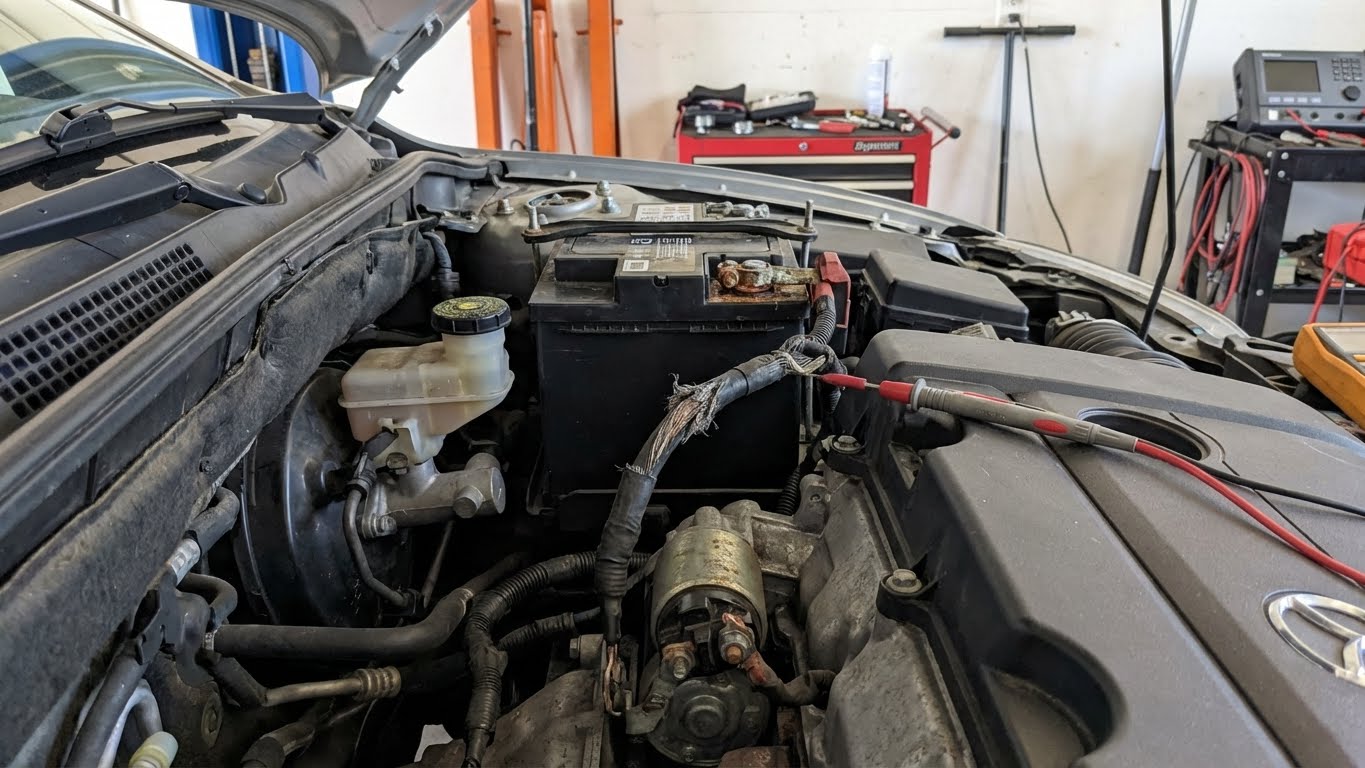
Many Mazda 3 owners notice a clicking noise when they try to start the car, which can be frustrating and confusing. This clicking sound usually means the starter motor is trying to engage but can’t turn the engine over, often caused by issues like a weak battery, poor electrical connections, or a faulty starter. Understanding the source of the click can save time and money by targeting the exact cause.
The noise may come as a single click or a series of rapid clicks, each pointing to slightly different problems. Sometimes the issue is simple, like corroded battery terminals or loose wiring, but other times it could be a sign of a failing starter motor or relay. Knowing the key reasons behind the clicking can help the owner troubleshoot the problem more effectively or decide when to get professional help.
Key Takeways
- A clicking noise when starting usually signals a problem with the starter or battery.
- Checking connections and battery health is a good first step in diagnosing the issue.
- Persistent clicking often means the starter motor or related parts need attention.
Contents
- 1 Common Causes of Mazda 3 Clicking Noise When Starting
- 2 Diagnosing the Clicking Sound in Your Mazda 3
- 3 How to Troubleshoot Clicking Noise on Startup
- 4 Battery-Related Issues and Solutions
- 5 Starter Motor and Relay Complications
- 6 Electrical System Checks for Mazda 3
- 7 Preventing Future Starting Problems in Your Mazda 3
- 8 When to Seek Professional Help
- 9 FAQs
- 10 Conclusion
Common Causes of Mazda 3 Clicking Noise When Starting
A clicking noise when starting a Mazda 3 usually points to issues in the power delivery from the battery to the engine or problems with the starter system. This sound often means the engine is not getting the proper power to turn over fully. Several key parts can cause this condition, including the battery, starter motor, and electrical components.
Weak Battery or Corroded Terminals
The most frequent cause of clicking noise is a weak or dead battery. When the battery lacks enough charge, it cannot supply the power needed to start the engine. This leads to a rapid clicking sound as the starter tries to engage but fails to turn the engine over.
Corroded or dirty battery terminals make this worse by restricting electrical flow. If the terminals have built-up corrosion, the connection weakens, even if the battery is still good. Cleaning the terminals and ensuring tight connections can solve this issue.
Testing the battery voltage with a multimeter is useful. A fully charged Mazda 3 battery should read between 12.4 to 12.7 volts at rest. Anything lower often causes starting problems and clicking noises.
Faulty Starter Motor
If the battery is in good shape but the clicking noise continues, the starter motor may be the culprit. The starter motor is responsible for turning the engine’s flywheel to begin the combustion process.
Common signs of a failing starter motor are a loud clicking sound when the key is turned or the engine cranking slowly. Sometimes, the starter motor’s internal parts wear out or get stuck, causing it to fail in engaging the engine.
In some cases, the starter’s solenoid (which pushes the starter gear to the flywheel) may be faulty. Replacing or repairing the starter motor often fixes this clicking noise.
Electrical System Issues
Electrical problems such as loose or poor connections in the wiring between the battery, starter, and ignition can also cause clicking noises. Faulty grounds or damaged cables reduce the power flow needed to start the engine.
When wires are loose or corroded, the electrical current weakens, causing the starter to click repeatedly without turning the engine. Checking all wiring and connections under the hood, especially the ground cables, is essential.
Sometimes blown fuses or relay problems in the starting circuit can lead to similar symptoms. Testing these components and replacing any faults restores proper current flow.
Ignition Switch Problems
The ignition switch controls sending power from the key turn or push start to the starter motor. If the switch is faulty or worn out, it may fail to send the correct signal or power.
A bad ignition switch often causes intermittent clicking noises or failure to start. In some cases, the switch may work sometimes, then fail suddenly.
Diagnosing ignition switch issues involves testing electrical signals when the key is turned. Replacing the switch usually solves the problem when all other components are confirmed to be working properly.
Diagnosing the Clicking Sound in Your Mazda 3
A clicking sound when starting a Mazda 3 often points to specific electrical or mechanical issues. Pinpointing the exact cause requires checking the noise source, understanding when it happens, and noting other symptoms that come with it.
Identifying the Noise Source
The clicking noise in a Mazda 3 usually comes from the starter motor or the battery area. If the sound is a rapid clicking near the engine bay, it often means the starter solenoid is trying to engage but lacks power. This can be caused by a weak battery, poor battery connections, or corroded terminals.
Sometimes, the noise might not come from the starter but from parts like the CV shaft or suspension, especially if the clicking changes with vehicle speed or road conditions. Checking these parts requires listening carefully to where the sound is loudest and whether it matches engine or wheel movement.
When the Noise Occurs
Most clicking noises happen right when the key is turned to start the engine. If the car fails to start and only clicks, it usually signals electrical issues. Clicking during engine cranking but with no turning of the engine means the starter is not fully engaging.
Clicking noises can also occur while driving or coasting if linked to suspension or drive components. In those cases, the noise varies with speed and road bumps. Identifying the exact time helps determine if the clicking is related to starting or a different system.
Recognizing Accompanying Symptoms
Other signs often come with the clicking noise. A dimming dashboard or failure of electrical systems points to battery or charging problems. If the engine does not crank but the lights turn on, a weak battery or bad connections are likely causes.
Mechanical symptoms like jerking, loss of power, or changes in the clicking speed can suggest issues with the drivetrain or CV joints. Paying attention to these additional symptoms narrows down the problem and guides proper repair steps.
How to Troubleshoot Clicking Noise on Startup
When a Mazda 3 makes a clicking noise at startup, the problem often lies with the battery, starter, or electrical connections. Identifying the exact cause requires a clear process, the right tools, and careful attention to safety.
Step-By-Step Troubleshooting Process
First, check the battery voltage with a multimeter. A healthy battery should read around 12.6 volts when the car is off. If the voltage is below 12 volts, the battery may be weak or discharged.
Next, inspect the battery terminals for corrosion or loose connections. Clean and tighten as needed. Corrosion can block current flow and cause the clicking sound.
If the battery and connections are good, test the starter motor. This can be done by listening for a single click or multiple clicking sounds when turning the key. A single click often points to a bad starter or a weak electrical connection. Jump-starting the car can help determine if the battery is at fault.
Finally, check the ground wire from the battery to the chassis and engine. A poor ground can interrupt the starter circuit. Fix any damaged wires or loose connections.
Essential Tools for Diagnosis
A multimeter is essential for checking battery voltage and starter current. It helps measure electrical flow accurately.
Wrenches and pliers are needed to clean and tighten battery terminals and cables. They allow access to tight spaces around the battery.
A battery charger or jump starter is useful for testing if low battery voltage is the cause.
FLASHLIGHTS or work lamps help see clearly under the hood, especially in dim conditions.
A starter relay tester or basic test light may assist in checking starter relay function, depending on the model.
Safety Precautions During Inspection
Always disconnect the battery’s negative terminal before working on electrical parts to prevent short circuits.
Wear insulated gloves and eye protection. Batteries contain acid and can release harmful gases.
Avoid loose clothing and jewelry that could get caught in moving parts like belts or fans.
If the car is running or the starter is engaged, keep hands and tools away from engine parts.
Work in a well-ventilated area to reduce exposure to fumes and avoid risk of carbon monoxide buildup.
Battery-Related Issues and Solutions
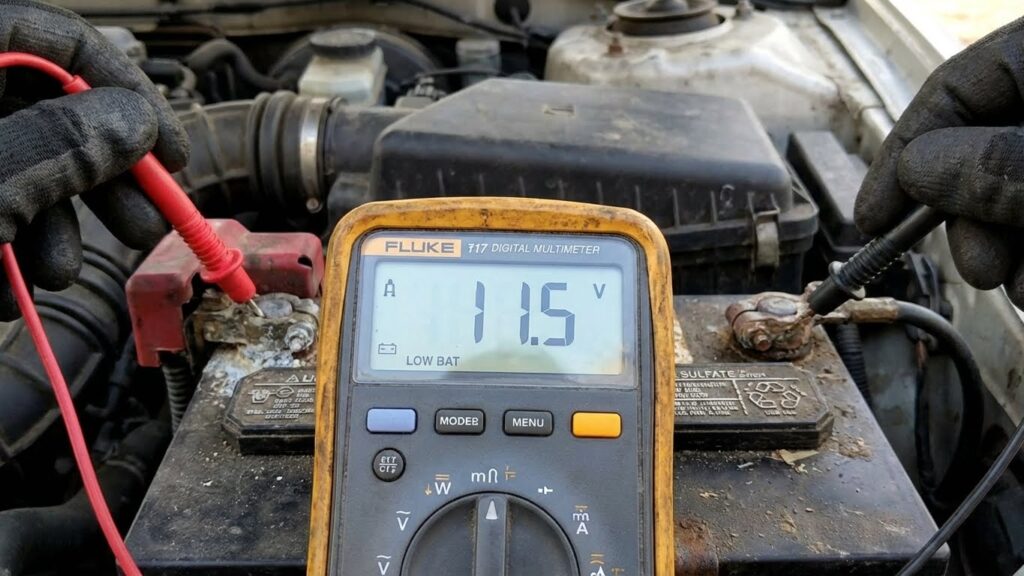
A weak or faulty battery is often the cause of a clicking noise when starting a Mazda 3. Checking the battery’s voltage and cleaning the terminals are two key steps to diagnose and fix this issue. These actions help ensure proper electrical flow needed to start the engine.
Testing Battery Voltage
Testing the battery voltage reveals if the battery can hold enough charge to start the car. A fully charged battery should read between 12.4 and 12.7 volts when the car is off. Anything below 12.4 volts indicates a weak or discharged battery.
To test voltage, use a digital multimeter set to DC volts. Connect the red lead to the positive terminal and the black lead to the negative terminal. If the voltage is low, the battery might need charging or replacement.
Voltage should also be tested with the engine running. It should read around 13.5 to 14.5 volts, showing the alternator is charging the battery. A low running voltage could mean an alternator problem draining the battery.
Cleaning Battery Terminals
Corrosion on battery terminals can block electricity flow, causing starting problems and clicking noises. Cleaning the terminals restores a good connection and is often a quick fix.
First, disconnect the negative (-) terminal, then the positive (+) to avoid shorts. Use a battery terminal cleaner or a mixture of baking soda and water with a stiff brush to scrub away corrosion. Rinse with water and dry completely.
After cleaning, reconnect the positive terminal first, then the negative. Tighten the clamps properly to ensure a solid connection. Applying a thin layer of petroleum jelly or terminal grease can prevent future corrosion.
Starter Motor and Relay Complications
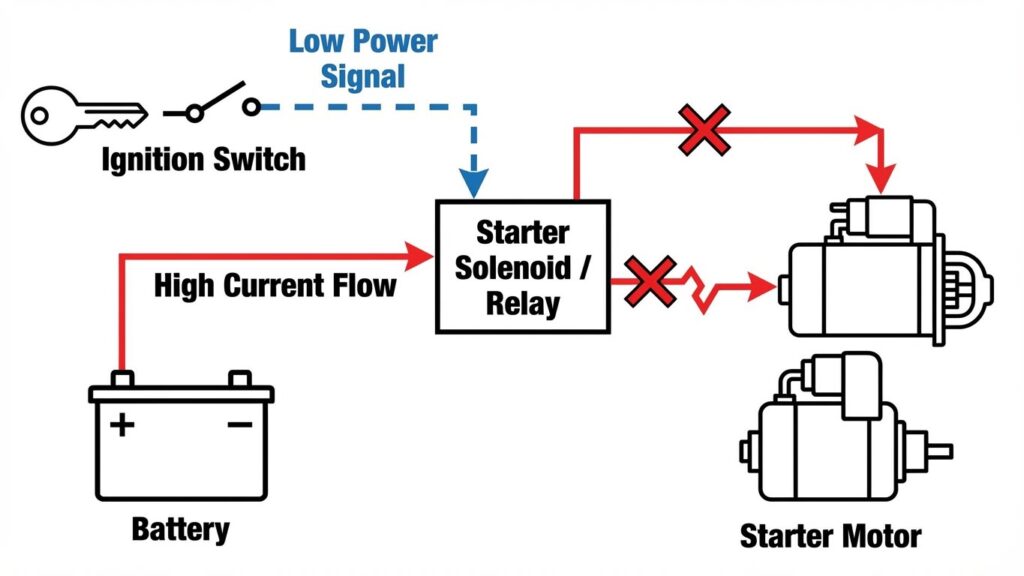
Clicking noises when starting a Mazda 3 often point to issues within the starting system, focusing mainly on the starter relay and the starter motor. Both parts are essential for the engine to crank. Problems here can stop the engine from turning over even if the battery is good and the ignition is working.
Inspecting the Starter Relay
The starter relay acts as a switch that sends power from the battery to the starter motor. When the ignition key is turned, the relay receives a low power signal and then supplies higher power to the starter solenoid. If this relay fails, the solenoid doesn’t get enough power, causing a clicking noise without the engine cranking.
Checking the relay involves locating it, often in the fuse box under the hood, and testing it with a multimeter or swapping it with a known good relay if possible. Loose contacts or corrosion inside the relay can cause failures. Replacing a faulty relay is usually simple and inexpensive.
Starter Motor Replacement
The starter motor turns the engine over to start it. Over time, the motor can wear out or develop internal faults. When this happens, it might click once but fail to crank the engine. Common signs of a bad starter motor include slow cranking, grinding noises, or no movement at all when trying to start the car.
Before replacing the starter motor, the battery and electrical connections should be checked to rule out other issues. If the starter motor is confirmed faulty, replacement involves removing the old motor and installing a new or remanufactured unit. This process might require some mechanical skill and tools, but it solves the problem when the clicking noise is due to a failing starter.
Electrical System Checks for Mazda 3
When a Mazda 3 makes a clicking noise but won’t start, the problem often lies in the electrical system. Checking fuses, wiring, and the alternator can help pinpoint issues preventing the car from starting properly.
Fuses and Wiring Inspection
Fuses protect the electrical components by breaking the circuit if there’s a fault. In a Mazda 3, it’s important to check fuses related to the ignition, fuel pump, and starter motor first. A blown fuse can stop the starter from working, causing clicking sounds without engine turnover.
Wiring should be inspected for damage or loose connections, especially around the battery terminals and starter relay. Corroded or frayed wires may cause poor electrical flow. Clean the battery terminals and ensure wires are tight. Checking grounds is crucial—if the main ground connection is weak, it can mimic a dead battery or faulty starter.
Alternator Role in Starting
The alternator charges the battery while the engine runs. If it’s not working correctly, the battery may not have enough power to start the car, even if it seems charged. A faulty alternator can cause dim lights and clicking noises when starting.
Testing the alternator output with a voltmeter should show around 13.5 to 14.5 volts while the engine runs. Anything lower may mean the battery isn’t charging fully. Repair or replace the alternator if it fails this test to ensure reliable starting and electrical system function.
Preventing Future Starting Problems in Your Mazda 3
Keeping the Mazda 3 starting smoothly relies on regular care and knowing the signs of trouble early. Proper upkeep of the battery, connections, and starter system is key. Recognizing minor issues before they grow can save time and money.
Routine Maintenance Tips
The battery should be checked often for charge and cleanliness. It needs a resting voltage between 12.4 and 12.7 volts. Corroded terminals reduce power flow, so cleaning them with a proper battery terminal cleaner is important. Loose or damaged cables should be tightened or replaced.
The starter and its electrical connections also need inspection. A poor ground or worn wires can cause clicking noises or failure to start. Testing the starter and replacing worn parts helps avoid sudden breakdowns.
Including battery health checks during oil changes or regular service visits ensures problems are caught early. Keeping fluid levels stable and the engine free of dirt supports overall electrical performance.
Recognizing Early Warning Signs
Clicking sounds when turning the key often mean the battery is weak or there’s a loose connection. Dim dashboard lights or slow cranking are also signs the battery needs attention. If the starter clicks but the engine doesn’t turn over, the starter motor or solenoid may be failing.
Intermittent starting issues signal early failure. Jump-starting can work temporarily but is not a fix. Paying attention to these signs allows for timely repairs before complete failure.
Regular monitoring of starting behavior combined with prompt action on small problems prevents bigger, costly repairs down the line.
When to Seek Professional Help
If simple fixes like jump-starting or cleaning the battery terminals do not stop the Mazda 3 from making a clicking noise when starting, it may be time to consult a professional. Persistent clicking without the engine turning over could indicate a deeper electrical or mechanical problem.
Situations that require expert attention include repeated starter motor failures, complex wiring issues, or signs of internal engine damage. Problems such as a failing starter solenoid, damaged ignition switch, or a faulty ground connection often need specialized tools and knowledge to diagnose accurately.
Here are common signs that professional help is necessary:
- The clicking noise continues after battery replacement or charging
- The engine sometimes cranks but does not start
- The car shows dim dashboard lights or no power at all
- Electrical components behave erratically
- There is a smell of burning or visible corrosion on parts
A mechanic can perform detailed tests on the starter system, battery, and related wiring. They can also check for issues like a slipping timing belt or engine flooding that are not easily fixed without experience.
Attempting to repair complex starter or engine problems without proper skills may lead to more damage. Professionals also have access to OEM parts designed specifically for the Mazda 3, ensuring reliable repairs.
In short, if basic troubleshooting fails, it is safer and more efficient to bring the car to a qualified repair shop. This can save time and prevent further damage to the vehicle’s electrical or mechanical systems.
FAQs
Why does my Mazda 3 make a clicking noise when I try to start it?
The most common cause is a weak or dead battery. When the battery lacks enough power, the starter motor cannot turn the engine over, causing a clicking sound. Corroded battery terminals or loose connections can also create this problem.
Can a starter motor cause the clicking noise?
Yes. A failing starter motor can produce a single loud click or repeated clicking sounds. If the starter motor’s internal parts wear out or the electrical connection is poor, it may fail to engage properly.
What should I check first if my Mazda 3 won’t start and clicks?
Start by testing the battery voltage. A healthy battery should read around 12.4 to 12.7 volts when resting. Cleaning the battery terminals and ensuring tight connections can often fix the issue. If the battery is good, then have the starter and wiring inspected.
Is it safe to keep trying to start the car when it clicks?
Repeated attempts can cause further damage to the starter or battery. It’s better to diagnose and fix the root cause quickly.
Where can someone find reliable information about car starting issues?
Resources like the Car Care Council and AutoZone’s repair guides offer helpful tips on diagnosing and fixing common problems.
Could a clicking noise mean a more serious engine problem?
Usually, clicking on startup relates to the electrical system. However, unusual knocking or grinding sounds during startup may need professional inspection to rule out engine damage.
Conclusion
A clicking noise when starting a Mazda 3 often points to issues with the battery, starter, or electrical connections. The most common cause is a weak or dead battery, which can usually be fixed by charging or replacing it. Corrosion on battery terminals or poor wiring can also stop the car from starting properly.
If the starter makes a single click but the engine does not turn over, it may be a sign of a failing starter motor or a bad electrical connection. Checking these parts early can save time and money. In some cases, repeated attempts to start the engine can flood it, making the problem worse.
Key points to check:
| Issue | What to Do |
|---|---|
| Weak Battery | Charge or replace the battery |
| Corroded Terminals | Clean battery terminals |
| Starter Motor Problems | Test or replace the starter |
| Poor Electrical Ground | Inspect and tighten connections |
Addressing these issues quickly helps prevent further damage. If basic steps don’t fix the noise or the car won’t start, professional diagnosis is recommended. Ignoring the problem can lead to more expensive repairs. Being aware of these common causes helps in troubleshooting and ensures the Mazda 3 starts reliably.