

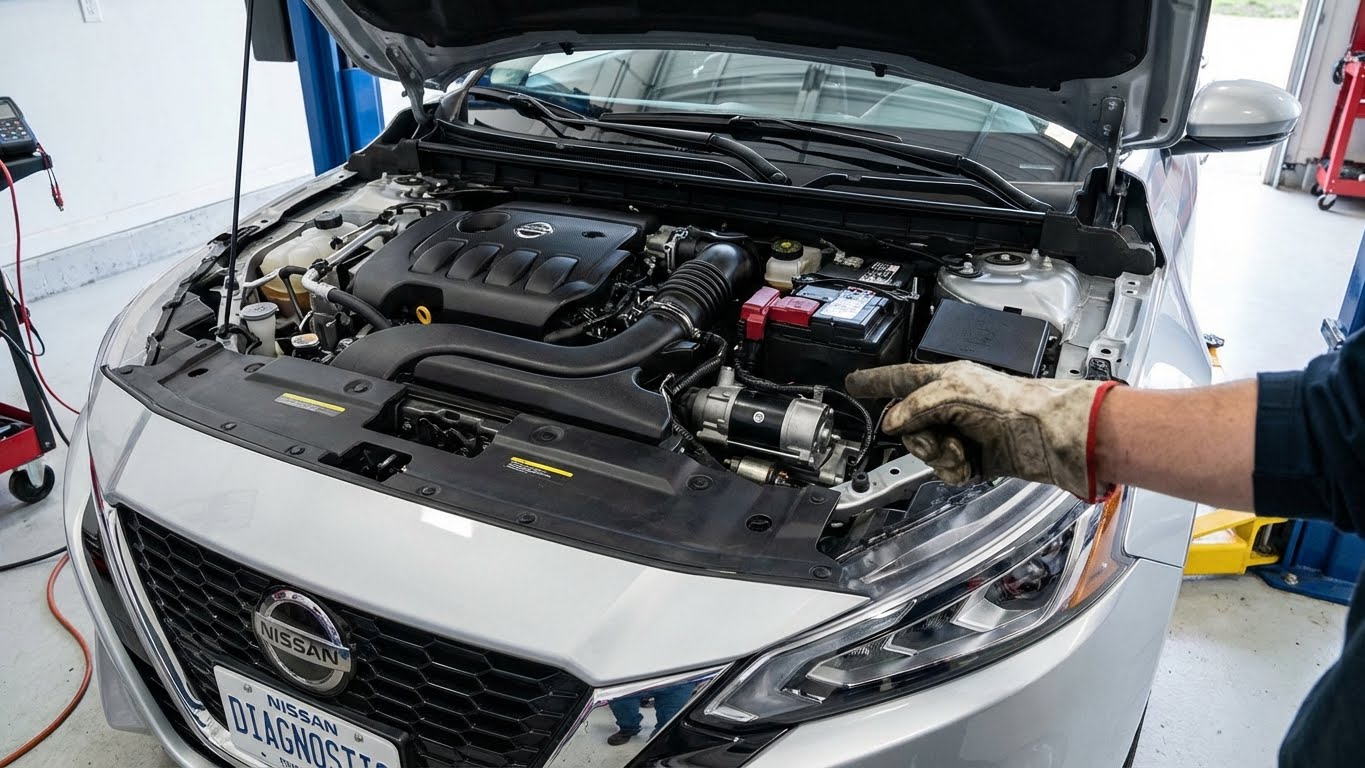
Many Nissan Altima owners notice a clicking noise when they try to start the engine. This clicking sound usually points to a weak battery, poor electrical connections, or starter system problems. These issues stop the engine from cranking, which means the car won’t start even though you hear the clicking noise.
Sometimes, corrosion on the battery terminals or a failing starter can cause this problem. Electrical faults or a slow oil supply to engine parts might also create unusual noises. Understanding what causes the clicking noise can help drivers avoid unnecessary repairs and get their Altima back on the road quickly.
Knowing how to check the battery, inspect wiring, and recognize starter issues is key to diagnosing the problem. Acting on these signs early can prevent bigger repairs and keep the car running smoothly.
Key Takeways
- Clicking often means a weak battery or bad starter connection.
- Checking electrical parts can identify many starting issues.
- Early diagnosis helps avoid costly repairs later.
Contents
- 1 Common Causes Of Clicking Noise When Starting A Nissan Altima
- 2 How To Diagnose The Source Of The Clicking Sound
- 3 Starter System Issues Specific To Nissan Altima
- 4 Electrical Problems That Can Cause Clicking Sounds
- 5 Other Mechanical Causes Of Clicking Noises
- 6 Temporary Solutions And What To Avoid
- 7 When To Consult A Professional Mechanic
- 8 Long-Term Maintenance Tips To Prevent Clicking Noises
- 9 FAQs
- 10 Conclusion
Common Causes Of Clicking Noise When Starting A Nissan Altima
When a Nissan Altima makes a clicking noise at startup, it often points to electrical or mechanical issues. These problems usually stop the engine from cranking properly. The common causes include battery problems, starter motor faults, issues with the starter relay, and poor battery connections. Each plays a key role in the starting system.
Weak Or Dead Battery
A weak or dead battery is the leading cause of the clicking noise. The battery provides the power needed to crank the engine. When it loses charge or fails, it cannot supply enough electricity to turn the starter motor. Instead, the driver hears a rapid clicking sound.
Symptoms often include dim headlights and dashboard lights when trying to start the car. The battery may appear fine but still lack enough power for the starter. Testing the battery voltage or jump-starting the car can confirm this issue. Replacing or charging the battery usually resolves the problem.
Faulty Starter Motor
The starter motor is responsible for turning the engine over during starting. If it fails or has internal mechanical problems, it may cause the clicking noise. The motor’s gear might not engage the engine flywheel due to wear or damage.
Signs of a bad starter motor include repeated clicking with no engine turnover. The engine won’t crank even if the battery is fully charged. Sometimes, the starter motor overheats or produces a burning smell. Repair or replacement of the starter motor is required to fix this issue.
Defective Starter Relay
A defective starter relay can also cause clicking noises and prevent engine start. The relay acts as a switch that sends power from the battery to the starter motor. When it fails, it may click but not complete the electrical circuit.
Symptoms include hearing a click without engine movement. The relay’s contacts can wear out or become stuck, blocking current flow. Testing the relay with a multimeter or swapping it with a known good relay can identify this cause. Replacing the starter relay often restores normal starting function.
Corroded Or Loose Battery Connections
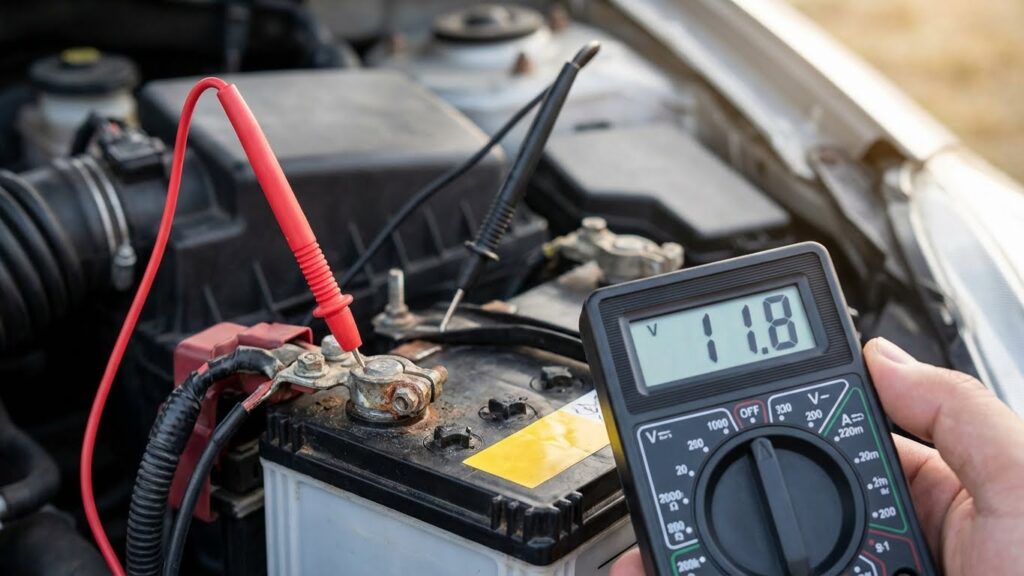
Corrosion or loose connections at the battery terminals disrupt the flow of electricity. Even with a good battery, poor contact can result in a clicking sound when trying to start the Altima. Corrosion forms a barrier that weakens electrical current.
Inspecting the battery terminals for white or green powdery buildup is important. Tightening loose cable connections and cleaning corrosion with a wire brush can restore the connection. After cleaning, the clicking noise often stops, and the car starts normally without replacing parts.
How To Diagnose The Source Of The Clicking Sound
Identifying why a Nissan Altima makes a clicking noise when starting involves careful listening, visual checks, and basic electrical testing. Focusing on these areas helps narrow down whether the problem is the battery, starter, or other parts.
Listening For The Type Of Clicking Noise
First, listen closely to the clicking sound. A rapid “click-click-click” usually points to a weak battery struggling to send power. If the clicks are slower and more solid, it might be the starter motor or solenoid attempting to engage.
The location and pattern of the noise matter. Clicking from the engine area when turning the key often signals starter issues. If the sound changes with ignition position or stops when the battery is replaced, the problem likely relates to electrical power.
Note if the clicks appear with dimming or flickering lights. This detail supports battery or connection problems rather than mechanical faults.
Visual Inspection Of Components
Next, inspect visible parts under the hood. Start with the battery terminals. Check for corrosion—white or green build-up can block electrical flow. Make sure terminals are tight; loose terminals reduce current.
Look at the starter motor and wiring. Loose or broken wires, damaged insulation, and disconnected grounds can cause clicking. Also, check for oil or dirt on starter parts that might interfere with the connection.
The condition of cables from the battery to the starter is critical. Any cracks, fraying, or worn spots should be noted, as they may cause power loss.
Testing Battery Voltage
Use a voltmeter or multimeter to test the battery’s voltage. A fully charged battery should read about 12.6 volts with the engine off.
If the voltage is below 12.4 volts, the battery might be too weak to start the car. When the key is turned, voltage often drops further, so testing while attempting to start can reveal if voltage falls too low under load.
It’s also helpful to check voltage at the starter if possible. If the battery reads fine but the starter gets low voltage, wiring or relay issues may be the cause.
Checking Fuses And Relays
Fuses and relays control power flow to the starter and ignition. Locate the fuse box and look for blown fuses related to the starting system.
Test relays by swapping them with identical ones in the fuse box, if available, to see if the clicking stops and the engine starts.
Relays can click when activated, so a constant clicking may mean a stuck or bad relay. This check can quickly rule out simple electrical failures before focusing on more complex parts.
Starter System Issues Specific To Nissan Altima
Some common starter system problems cause the clicking noise when starting a Nissan Altima. These issues often involve the ignition switch or the starter solenoid, both of which can prevent the engine from turning over properly.
Ignition Switch Failure
The ignition switch in a Nissan Altima plays a key role in sending power to the starter motor. When the switch fails, it may not send the right signal or enough power to the starter. This can cause a clicking noise without the engine starting.
Ignition switch failure can result from worn contacts inside the switch or electrical problems like loose wires. Symptoms include intermittent starting issues or complete failure to start. This problem is more common in older models but can happen anytime.
Testing usually involves checking for power at the starter when the key is turned. If no power reaches the starter, the ignition switch or related wiring is often at fault. Repair usually means replacing the switch to restore reliable starting.
Starter Solenoid Problems
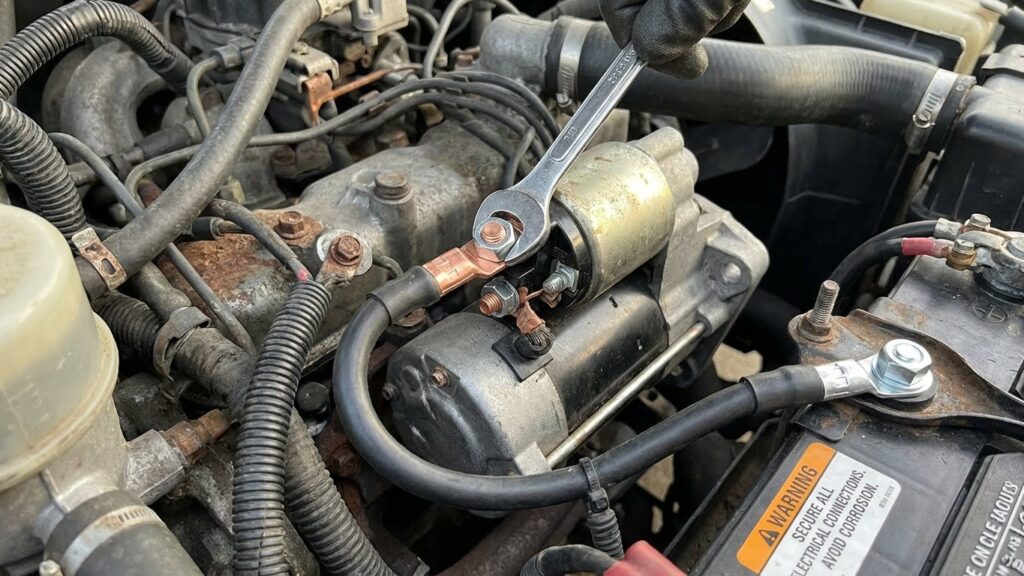
The starter solenoid acts as a relay, connecting the battery power to the starter motor when the key is turned. In the Nissan Altima, a faulty solenoid often causes the clicking noise heard during a failed start attempt.
Common solenoid issues include burned contacts, stuck plunger, or coil failure. These prevent the solenoid from completing the circuit, so the starter motor doesn’t get enough power to crank the engine.
Signs of starter solenoid problems include rapid clicking or a single loud click with no engine turnover. Testing involves measuring voltage at the solenoid terminals and checking for mechanical movement inside. Replacing the solenoid or the entire starter is often needed to fix this problem.
Electrical Problems That Can Cause Clicking Sounds
Certain electrical issues in a Nissan Altima can cause the clicking sound when trying to start the engine. These problems often affect the connection and flow of current needed to power the starter motor. Two common causes include damaged wiring and faulty engine grounds.
Wiring Harness Damage
Damage to the wiring harness can interrupt the electrical signals needed for the starter to operate properly. Wires may become frayed, corroded, or disconnected due to age, heat, or physical wear. When this happens, the starter motor might only receive partial power, causing it to click but not fully engage.
Typical signs include intermittent clicking sounds, as some wires might still deliver current while others do not. Visual inspection helps identify broken or exposed wires. Repair often involves replacing or reconnecting damaged wires to restore a stable electrical connection.
Faulty Engine Grounds
The engine ground provides a path for electrical current to return to the battery. If the ground connection is weak or corroded, the starter motor will not get enough current to turn the engine over. This causes the clicking sound to occur as the starter solenoid tries to engage without success.
Symptoms of a bad ground include dim dashboard lights or electrical systems that don’t work consistently along with the clicking noise. Cleaning or tightening the ground strap usually fixes the issue by ensuring a solid connection between the engine and chassis.
Other Mechanical Causes Of Clicking Noises
Clicking noises when starting a Nissan Altima can signal problems beyond the battery or starter. Some issues come from internal engine parts or the charging system. These faults require attention to avoid further damage and ensure the car starts reliably.
Seized Engine Components
Engine parts like pistons, valves, or bearings can seize if not properly lubricated. When this happens, the moving parts lock up and cause clicking or tapping sounds during startup. A seized component often results from low oil levels or dirty oil that fails to protect the engine.
This condition may also cause the engine to crank but not start. The clicking can be rhythmic or irregular depending on which part is affected.
Signs of seized components include:
- Loud clicking or tapping on startup
- Engine failing to turn over smoothly
- Oil warning lights on the dashboard
Fixing this may require engine inspection or repair, often involving oil changes or replacing damaged parts. Ignoring it can lead to major engine failure.
Malfunctioning Alternator
The alternator helps keep the battery charged and powers electrical systems when the engine runs. When it malfunctions, it may not provide enough power to the battery. This weak power supply can cause a clicking noise during starting, especially if the battery energy is low.
A faulty alternator might also cause issues like:
- Dimming lights while driving
- Battery warning light on the dashboard
- Electrical accessories working intermittently
Testing the alternator with a multimeter can confirm the problem. Repair usually involves replacing the alternator or its components to restore proper power flow. Without a working alternator, the battery will drain quickly, leading to more frequent clicking noises on startup.
Temporary Solutions And What To Avoid
When a Nissan Altima makes a clicking noise while trying to start, the first step is to check the battery. A weak or dead battery is often the main cause. Jump-starting the car can offer a quick fix in many cases.
Cleaning the battery terminals is another simple solution. Corrosion or loose connections can prevent proper power flow. Using a wire brush or battery terminal cleaner can help improve the connection.
It is important to avoid repeatedly trying to start the engine if the clicking noise persists. Constant attempts can drain the battery further or damage the starter motor. Waiting a few minutes between tries allows the battery to recover slightly.
Using starting fluid or other additives is not recommended unless a professional advises it. These can cause damage or mask the true issue.
Here is a quick list of temporary actions to try:
- Check and clean battery terminals
- Jump-start the car if the battery is weak
- Tighten any loose cables on the starter or battery
- Wait before retrying to start
Actions to avoid include:
- Repeated rapid attempts to start the engine
- Using unknown additives or sprays
- Ignoring the problem for too long
These steps can often get the car started temporarily. However, it is still best to have the vehicle checked by a mechanic to prevent further issues.
When To Consult A Professional Mechanic
If the Nissan Altima makes a rapid clicking noise but the engine does not start, it often points to a problem beyond simple user fixes. When basic checks like battery charge and terminal cleaning do not resolve the issue, a mechanic should be consulted.
Signs that require professional attention include:
- Persistent clicking despite a fully charged battery
- Dashboard lights flashing erratically during start attempts
- Clicking sounds combined with other symptoms such as engine hesitation or unusual noises under the hood
A trained mechanic can properly diagnose if the problem lies with the starter motor, electrical wiring, or more complex engine components. Attempting to fix these without experience might lead to further damage.
If the issue is related to the starter solenoid, corrosion is suspected deep within wiring, or the battery’s condition is difficult to test, a visit to a service center is recommended. Professionals have the tools to measure electrical flow and pinpoint faults.
Additionally, if the clicking noise occurs intermittently with other driving problems, such as strange noises when turning or accelerating, a mechanic should evaluate the suspension and driveline components.
In summary, any clicking noise that persists after simple fixes or comes with other warning signs should be checked by a mechanic to ensure safe and reliable vehicle operation.
Long-Term Maintenance Tips To Prevent Clicking Noises
Regular battery care is essential for preventing clicking noises when starting a Nissan Altima. They should check the battery terminals for corrosion and clean them if needed. A weak or old battery often leads to poor electrical flow, causing the starter to click without engaging.
Periodic inspection of the starter motor and its connections helps avoid future issues. Loose wires or poor ground connections can cause the starter to make clicking sounds. Ensuring all electrical connections are tight and secure is important.
Scheduling routine engine checks allows early detection of valve or engine mechanical problems. Clicking noises may come from wear in the valvetrain, so timely service can prevent these noises from worsening.
Using a quality engine oil and changing it at recommended intervals keeps the engine parts lubricated. Proper lubrication reduces metal-on-metal contact, which can cause ticking or clicking sounds.
Owners should also maintain the vehicle’s electrical system. That means checking alternators and fuses regularly to support proper starter function.
Maintenance Checklist:
| Task | Frequency |
|---|---|
| Battery terminal cleaning | Every 6 months |
| Starter motor inspection | Annually |
| Engine oil change | Every 5,000-7,500 miles |
| Electrical system check | Annually |
Sticking to these maintenance habits helps reduce the chance of clicking noises and supports reliable starting performance over time.
FAQs
Why does my Nissan Altima make a clicking noise when I try to start it?
The clicking sound usually means the starter is trying to turn the engine but can’t. Common causes include a weak battery, poor battery connections, or a failing starter motor.
Can a dead battery cause the clicking noise?
Yes. A weak or dead battery is the most common cause. The battery may have enough power for lights and accessories but not enough to crank the engine.
How can someone check if the battery is the issue?
They can test the battery voltage with a multimeter. If the voltage is below 12 volts, it likely needs charging or replacement.
Could the problem be something else besides the battery?
Yes. Corroded or loose terminals, blown fuses, bad starter solenoid, or faulty ignition switch can also cause clicking without engine start.
What signs show the starter might be bad?
If the clicking is rapid or accompanied by no engine movement, dim dashboard lights, or a burnt smell near the starter, the starter might be failing.
Is it safe to keep trying to start the car when it clicks?
It’s best to avoid repeated attempts since it can drain the battery quickly and possibly damage the starter.
What should be checked first?
Always start by inspecting the battery and its terminals. Clean or tighten connections before moving on to test the starter or fuses.
Conclusion
A clicking noise when starting a Nissan Altima usually points to an electrical or battery-related issue. Weak batteries, corroded terminals, or poor starter connections are common causes that can often be checked quickly.
It is important to test the battery first. If the battery is low or old, replacing or charging it might fix the problem. Corrosion on the battery terminals should be cleaned to improve the connection.
Starter motor problems may also cause clicking sounds. In some cases, the starter relay or wiring could be faulty, requiring further inspection or professional repair.
Drivers can use a simple checklist to diagnose the issue:
| Step | Action |
|---|---|
| 1. Check battery | Test voltage and age |
| 2. Inspect terminals | Clean if corroded |
| 3. Listen to clicking | Identify rapid or single clicks |
| 4. Test starter | Use a jumper or consult a mechanic |
By following these steps, the cause can often be found without guesswork. If the problem persists or is more complex, a mechanic’s help is recommended. Regular maintenance helps reduce the risk of such starting issues, keeping the car reliable on the road.