

A Nissan Murano making a clicking noise when trying to start is a common problem that often points to an issue with the battery or the starter motor. The most frequent cause is a weak battery or poor electrical connections preventing the starter from turning the engine. This simple fact helps narrow down the problem quickly, saving time and frustration for the driver.
Other causes can include corrosion on battery terminals, a faulty starter solenoid, or problems within the starter motor itself. Identifying the exact reason behind the clicking sound is crucial because it can guide whether a battery replacement or a more involved repair is needed.
Many Nissan Murano owners face this issue at some point, but it is usually something that can be fixed without expensive tools or professional help. Understanding the likely causes helps anyone get closer to a solution and avoid unnecessary repairs.
Key Takeways
- Most clicking sounds when starting come from battery or electrical issues.
- Corrosion and poor connections can prevent proper power flow to the starter.
- Checking the battery and starter motor can help pinpoint the problem quickly.
Contents
- 1 Common Causes of Clicking Noise When Starting
- 2 Diagnosing the Source of Clicking Sounds
- 3 Battery and Electrical System Troubleshooting
- 4 Starter Motor and Relay Assessment
- 5 Other Potential Problems Specific to Nissan Murano
- 6 When to Seek Professional Help
- 7 Preventing Future Starting Issues
- 8 FAQs
- 9 Conclusion
Common Causes of Clicking Noise When Starting
A clicking noise when starting a Nissan Murano often points to issues in the electrical or starting system. The problem typically involves components that supply or control power to the engine’s starter. Addressing these causes requires checking specific parts and connections.
Dead or Weak Battery
A dead or weak battery is the most frequent cause of clicking noises during startup. If the battery does not have enough power, the starter motor can’t turn the engine over properly. The clicking sound is usually the result of the starter solenoid trying to engage but failing due to insufficient voltage.
Batteries can lose charge over time or fail due to age, extreme weather, or leaving lights on. Battery terminals can also corrode, restricting power flow. Simple tests with a voltmeter or jump-start attempts can confirm if the battery is the problem. Regular maintenance includes cleaning terminals and ensuring a tight connection.
Faulty Starter Motor
The starter motor is responsible for turning the engine when the key is turned. If it fails internally, it can cause clicking noises because the solenoid might engage but the motor won’t turn. A worn-out starter motor or stuck gears inside it can cause the noise and prevent starting.
Replacing the starter motor usually resolves the issue if the battery is healthy and connections are solid. Symptoms of a bad starter motor can mimic a dead battery but jump-starting won’t help. A mechanic may test the starter motor’s operation using diagnostic tools or bench testing.
Bad Starter Relay
The starter relay acts as a switch sending electrical current from the battery to the starter motor. A faulty relay can click when it tries to operate but fail to pass enough power for the motor to work. This can cause rapid clicking sounds during startup.
Relays can fail due to worn contacts, corrosion, or electrical problems. Testing the relay involves checking for continuity and ensuring it clicks properly when activated. Replacing a bad relay can restore normal starting without expensive repairs.
Electrical Connection Issues
Poor electrical connections or damaged wiring can also cause clicking noises when starting. Loose or corroded battery terminals, bad ground wires, or poor connections at the starter can reduce power flow and cause the solenoid to click without turning the engine.
Inspecting the battery terminals, starter connections, and ground cables is essential. Cleaning corrosion, tightening cables, or replacing damaged wires often fixes the starting problem. Faulty wiring should be repaired promptly to prevent further electrical issues or damage.
Diagnosing the Source of Clicking Sounds
Clicking noises when starting a Nissan Murano can point to different problems. Pinpointing the exact type of clicking, listening for other sounds, and carrying out a visual check help narrow down the cause rapidly and accurately.
Identifying Single Click vs. Repeated Clicking
A single click usually means the starter solenoid is trying to engage but failing. This often ties back to a weak battery or a loose electrical connection. It signals the starter motor isn’t getting enough power to turn the engine.
On the other hand, repeated clicking typically suggests the battery does not have enough charge to crank the engine fully. The clicking happens as the solenoid repeatedly tries to engage without success. In rare cases, this can also be due to bad starter motor parts or a failing relay in the fuse box.
Distinguishing between these two clicking patterns helps focus the next steps during troubleshooting.
Listening for Additional Unusual Sounds
Beyond clicking, other sounds can hint at underlying issues. A ticking noise might come from an electrical relay or flasher. A knocking or clunking sound could mean mechanical problems in the engine or suspension.
Pay attention to whether these extra noises happen only when starting or continue afterward. Sounds that occur with the engine running might point away from electrical issues and toward mechanical ones. Locating the noise’s source, such as near the fuse box or starter motor area, directs the diagnosis more precisely.
Visual Inspection Techniques
A simple visual check can reveal obvious faults causing the clicking noise. Examining the battery terminals for corrosion or looseness is crucial. Corroded terminals block electrical flow, making the starter work harder or fail.
Next, inspect wiring connections to the starter and fuse box for frayed or loose wires. Also, check the condition of the starter relay for signs of damage or burning. Sometimes, the clicking noise results from faulty relays.
Finally, look for any visible fluid leaks around the starter motor or battery area, as these can affect the components and cause starting problems.
Battery and Electrical System Troubleshooting
A clicking noise when starting a Nissan Murano often points to issues in the battery or electrical system. Checking the battery voltage and inspecting the battery terminals and cables are critical steps. These steps help identify power delivery problems that stop the engine from cranking.
Testing the Battery Voltage
The battery should deliver about 12.6 volts when the car is off. Anything below 12.4 volts means the battery is partially discharged. When the engine is running, the voltage should rise to about 13.5–14.5 volts, showing that the alternator is charging the battery properly.
Use a digital multimeter to measure voltage at the battery terminals. If the reading is low with the engine off, the battery likely needs charging or replacement. If the voltage is low even with the engine running, the alternator or charging system may be faulty.
Checking Battery Terminals and Cables
Corrosion or loose connections at the battery terminals can prevent the starter from getting enough power. Inspect the terminals for white or greenish buildup, which indicates corrosion.
If corrosion is present, clean the terminals with a mixture of baking soda and water using a wire brush. Make sure the terminal clamps are tight and secure. Also, check the cables for any damage or fraying and replace them if necessary. Proper connections ensure efficient electrical flow and help avoid the clicking noise when attempting to start.
Starter Motor and Relay Assessment
Checking the starter motor and relay is key when addressing a clicking noise during engine start. Both parts control power flow needed to turn the engine over. Faults in either can cause the car to click but not start.
Inspecting the Starter Motor
The starter motor is responsible for turning the engine’s flywheel to start the vehicle. If it fails, the engine won’t crank and will produce a clicking sound. Physical inspection should begin by checking for loose or corroded electrical connections at the starter. Corrosion or poor contact can reduce power flow.
Next, testing the starter motor itself with a multimeter can show if it draws proper current. A motor drawing too little or no current might be defective. Additionally, the starter solenoid, mounted on the starter motor, should be checked since it pushes the starter gear into the flywheel. A malfunctioning solenoid can cause rapid clicking without engine turnover.
Evaluating the Starter Relay
The starter relay acts as a switch to send power from the battery to the starter motor. If the relay fails, the starter may not get enough power, creating a clicking noise. Testing the relay involves listening for clicking sounds when the ignition is turned or using a multimeter to check for continuity.
Damaged or burnt relay contacts can prevent full power flow to the starter. If the relay is easily accessible, swapping it with a similar relay in the fuse box can help determine if it’s faulty. A failed starter relay is less common than starter motor issues but should not be overlooked during diagnosis.
Other Potential Problems Specific to Nissan Murano
Some issues causing a clicking noise when starting can come from less obvious parts. Problems with the ignition switch or engine ground can disrupt the starting process and lead to repeated clicking sounds.
Ignition Switch Issues
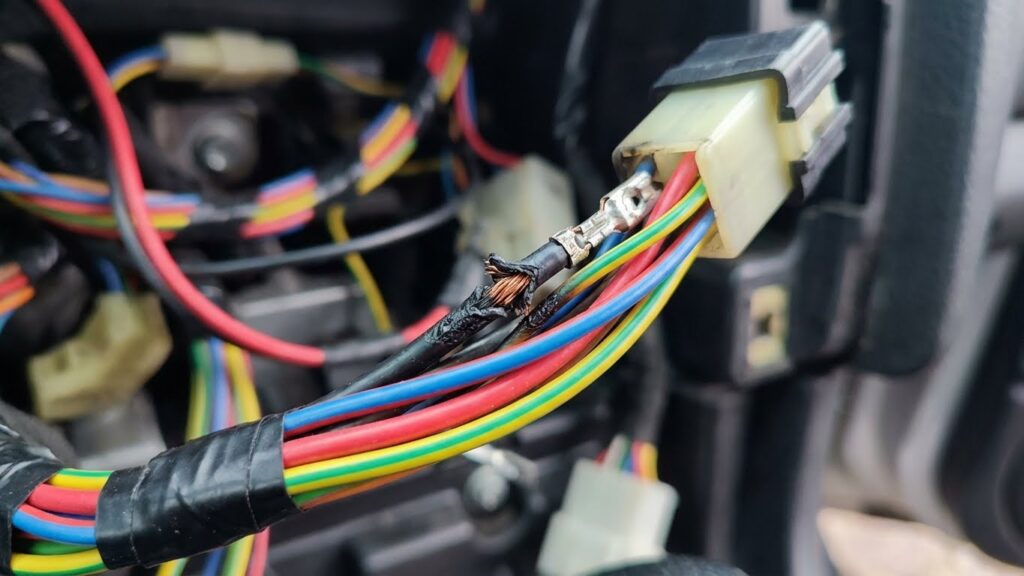
The ignition switch in a Nissan Murano plays a vital role in delivering power to the starter motor. If the switch is worn out or faulty, it may fail to send enough current to start the engine.
Signs of ignition switch problems include:
- Intermittent clicking noises when turning the key
- Dead or unresponsive starter motor
- Dashboard lights flickering or not turning on
These issues often occur after years of wear or exposure to moisture. Replacing the ignition switch can restore consistent power flow and stop the clicking noise. It is important to have the switch tested, as some symptoms can mimic a weak battery or starter motor failure.
Engine Ground Problems
The engine ground connection ensures proper electrical flow between the battery and the engine components. A loose or corroded ground strap can cause voltage drops, leading to clicking noises during attempts to start the Murano.
Key points about engine ground issues:
- Ground straps can corrode over time due to heat and moisture
- Poor grounding reduces current to the starter motor
- Clicking sound may come in rapid succession as the starter tries to engage
Checking and tightening the engine ground wires or replacing corroded straps often eliminates starting problems. This fix is commonly overlooked but critical for reliable electrical system performance in the Nissan Murano.
When to Seek Professional Help
Determining when to get a professional involved can save time and prevent more damage. It is important to recognize clear warning signs and know how to choose the right mechanic to address the clicking noise issue effectively.
Signs of Severe Mechanical Trouble
If the clicking noise is accompanied by dim or flashing lights, or if the engine fails to turn over after several attempts, this often points to more serious electrical or starter problems. Persistent clicking despite attempts to jump-start or charge the battery also signals that the issue may go beyond a simple weak battery.
Other signs include burning smells, smoke, or unusual grinding noises when trying to start the vehicle. These symptoms may indicate damage to the starter motor or other critical components. If the vehicle suddenly loses power or stalls during driving, it requires immediate attention.
Ignoring these signs could lead to costly repairs or leave the vehicle stranded. At this stage, timely professional diagnosis is essential.
Selecting a Qualified Technician
Choosing the right technician involves looking for experience with Nissan vehicles or specific knowledge of the Murano model. A qualified mechanic should have proper diagnostic tools to test the battery, starter, and electrical connections accurately.
Certified technicians or dealerships usually offer reliable service backed by warranties. Verify credentials such as ASE certification or manufacturer training, which ensure a higher level of expertise.
Additionally, clear communication is vital. The technician should explain the cause of the clicking noise, possible repairs, and provide a detailed estimate before starting work. This helps the vehicle owner make informed decisions about repairs.
Preventing Future Starting Issues
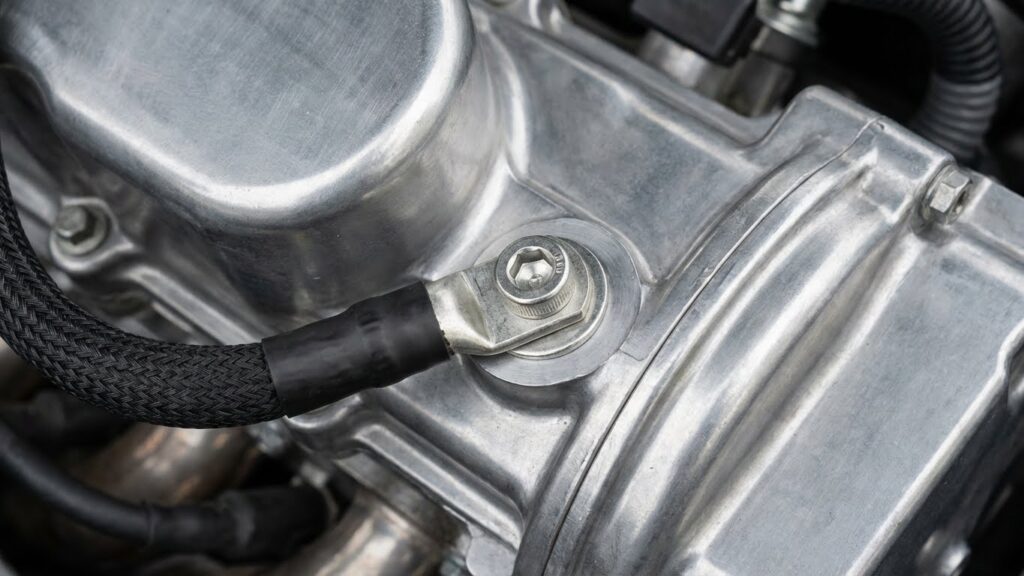
Proper care of the battery and electrical system is key to avoiding the clicking noise and starting problems. Paying attention to battery health and keeping electrical connections clean helps keep the Nissan Murano running smoothly.
Regular Battery Maintenance
The battery is often the main cause of clicking noises when starting. It should be checked at least twice a year. This includes testing the voltage and inspecting for signs of wear or damage. A weak or old battery typically shows low voltage readings below 12.4 volts.
Cleaning the battery terminals is important. Corrosion can block the flow of electricity and make starting difficult. To clean, disconnect the battery cables, scrub the terminals with a mix of baking soda and water, rinse, and dry thoroughly.
Replacing the battery every 3 to 5 years is recommended. If the car is used in extreme weather or short trips, more frequent checks help avoid sudden failures.
Periodic Electrical System Checks
The electrical system should be inspected regularly to ensure solid connections. Loose or damaged wiring, especially around the starter motor and ground cables, can cause clicking and starting issues.
Technicians should check battery cable tightness and look for corrosion inside fuse boxes and relay contacts. Testing the starter motor and ignition switch ensures they send the proper signals during starting.
Using a multimeter, mechanics can verify that voltage reaches the starter motor without interruption. Tightening or replacing worn parts prevents future electrical faults.
Keeping the electrical system clean and secure reduces the risk of intermittent or no-start conditions caused by poor power delivery.
FAQs
Why does my Nissan Murano make a clicking noise when I try to start it?
The clicking sound usually means the starter motor is getting power but not enough to turn the engine. This is often caused by a weak or dead battery, corroded battery terminals, or a faulty starter solenoid.
Can a bad battery cause the clicking noise?
Yes, a weak battery is the most common cause. If the battery doesn’t have enough charge, it can’t provide the power needed to start the engine, causing the starter solenoid to click instead.
How can corrosion on battery terminals affect starting?
Corroded terminals block the electrical flow. This prevents enough current from reaching the starter motor, so the engine won’t turn over, resulting in the clicking sound.
Could the starter motor be the problem?
Yes, if the starter motor or its gears are worn or damaged, it might click but not engage the engine properly. A faulty starter relay or solenoid can also cause this issue.
What steps should be taken to diagnose the clicking noise?
- Check the battery charge and terminals for corrosion.
- Test the starter motor and relay.
- Inspect the starter solenoid.
Is jump-starting the car a good solution?
It can be a quick test to see if the battery is the problem. If the car still clicks after jump-starting, the issue may be with the starter or electrical connections.
Conclusion
A clicking noise when starting a Nissan Murano usually points to an issue with the battery, starter, or electrical connections. Most cases are caused by a weak battery or corrosion on the battery terminals. These problems are often easy to fix with basic maintenance or a battery replacement.
If the battery is fine, the starter motor or starter relay could be the next area to check. Faulty starters or solenoids can cause insufficient power to the engine, leading to the clicking sound without the engine turning over. Worn starter gears may also create grinding noises along with clicking.
Here are key checks to consider:
- Battery charge and terminals: Clean and tighten connections, test battery health
- Starter motor and solenoid: Inspect for faults or wear
- Starter relay: Ensure it works properly and replaces if faulty
Following these steps can often resolve the problem without needing extensive repairs. If the issue persists, professional diagnostics can identify deeper electrical or mechanical faults.
Using reliable service and quality parts helps maintain the Murano’s starting system. This approach improves the chance of quick, cost-effective repairs and dependable vehicle performance.