

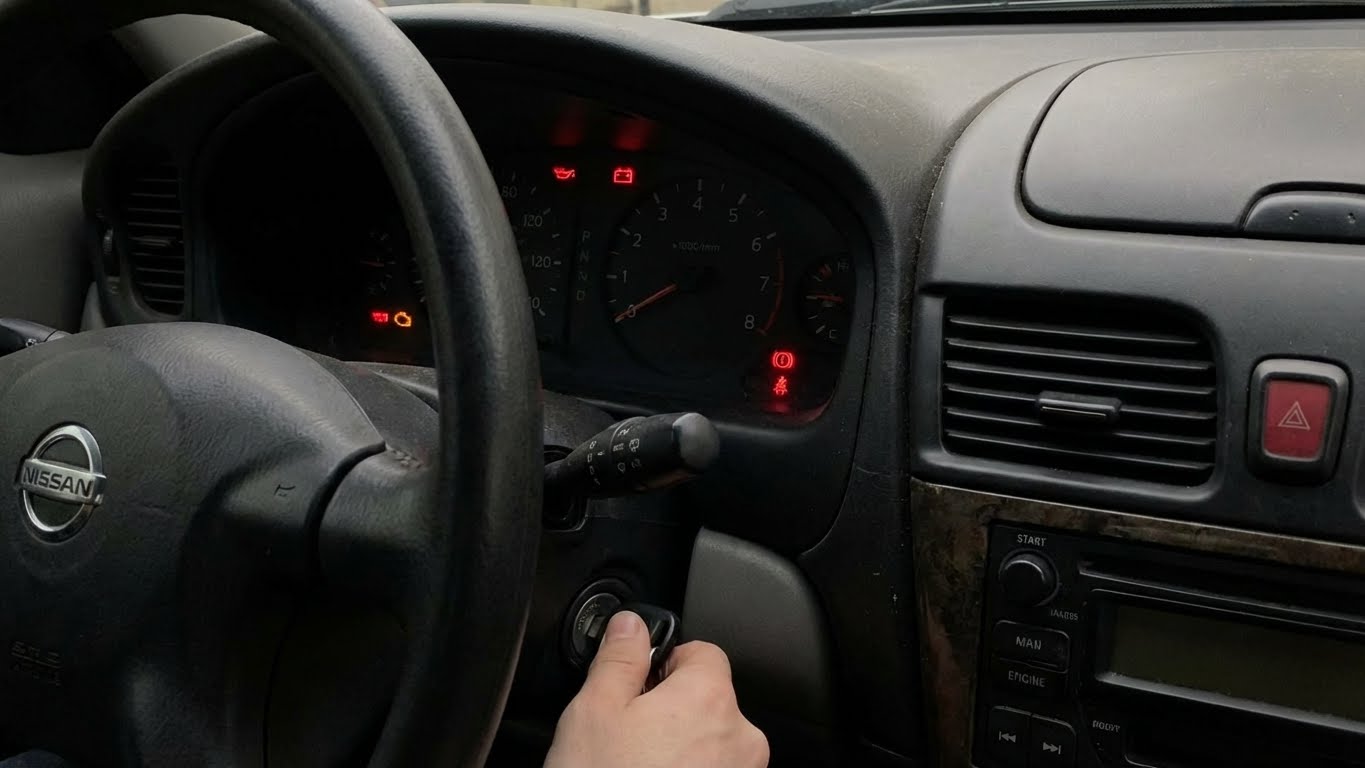
If a Nissan Sentra makes a clicking noise but won’t start, the most common cause is usually a weak or dead battery. This clicking sound often means the starter motor is not getting enough power to turn the engine over. Other possible reasons include corroded battery terminals, a faulty starter motor, or issues with the electrical system.
Many drivers hear a single click or repeated clicking when their car won’t start. This can help pinpoint what might be wrong, like battery problems versus starter motor faults. Simple checks, such as inspecting battery connections and testing the battery, often solve the issue without needing expensive repairs.
Understanding why the Nissan Sentra clicks when starting can save time and money. Knowing when it’s a simple fix or when professional help is needed is important for keeping the car reliable and running smoothly.
Key Takeways
- Clicking sounds usually signal battery or starter motor problems.
- Checking battery health and connections helps identify the issue.
- Early diagnosis can prevent costly repairs and keep the car running.
Contents
Common Causes Of Clicking Noise When Starting
A clicking noise when starting a Nissan Sentra often points to issues related to the car’s electrical system. These problems usually prevent the engine from turning over, which stops the vehicle from starting properly. The main reasons involve the battery, starter motor, and the connections between them.
Dead Or Weak Battery
A dead or weak battery is the most frequent cause of clicking noises during startup. When the battery doesn’t have enough power, it can’t provide the electricity needed to turn the engine over. Instead, the starter solenoid clicks repeatedly, trying to engage but failing.
This lack of power can happen due to the battery being old, drained, or not fully charged. Cold weather can also reduce battery efficiency. If the battery light is on or the dashboard lights are dim, it often confirms a battery issue.
Faulty Starter Motor
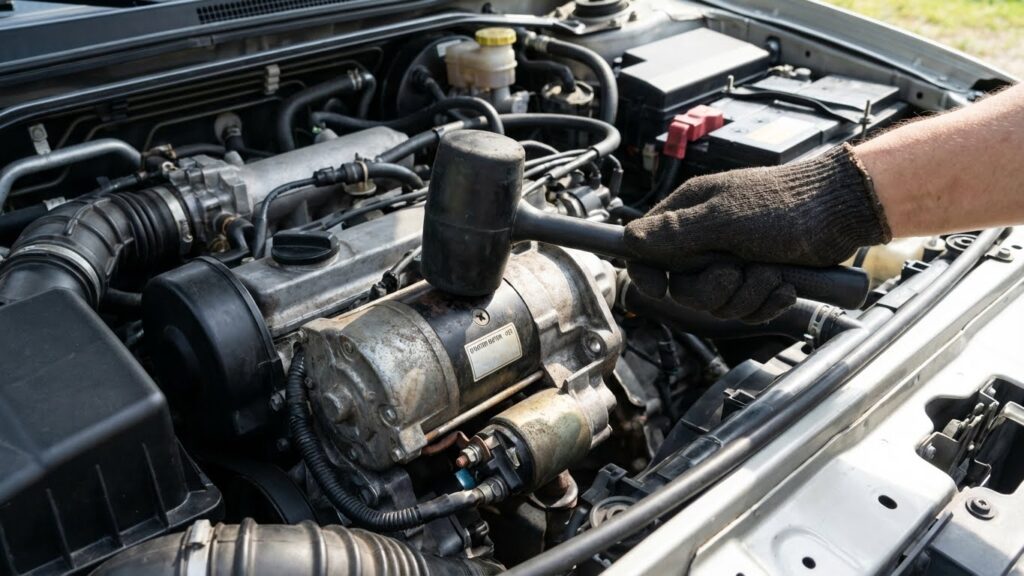
The starter motor helps crank the engine. If it is faulty, the motor may fail to engage properly, leading to the clicking noise. This can happen because of worn-out parts inside the starter or electrical failure.
A damaged starter won’t spin the engine, but it can still send the clicking sound from the solenoid. Sometimes, tapping the starter lightly can temporarily fix the problem, but the starter usually needs to be replaced for a permanent solution.
Loose Or Corroded Battery Connections
Loose or corroded connections at the battery terminals can block the flow of electrical current. This interruption causes the starter solenoid to click without enough power to start the engine.
Corrosion looks like a white or greenish powder around the battery posts. Loose connections can happen if the terminals aren’t tightened properly. Cleaning the corrosion and tightening the connections often restores proper electrical flow and fixes the clicking noise.
How To Diagnose The Clicking Sound
Diagnosing a clicking noise when starting a Nissan Sentra involves checking key electrical parts like the battery and the starter. Understanding the type of clicking noise and testing the starter circuit helps pinpoint the issue more accurately. Each step focuses on common causes to save time and avoid unnecessary repairs.
Inspecting The Battery Terminals
The first step is to check the battery terminals for corrosion or loose connections. Corroded terminals reduce the flow of electricity, causing the clicking noise and preventing the engine from starting. Use a wire brush or battery cleaning tool to remove any corrosion visible on the terminals.
Next, ensure the battery cables are tight and secure. Loose cables can also cause poor electrical contact. If the terminals appear clean, test the battery voltage with a multimeter. A fully charged battery should show about 12.6 volts. If the voltage is lower, the battery may be weak and need charging or replacement.
Listening For The Type Of Clicking Noise
Pay close attention to the clicking sound when the key turns. A single, loud click usually points to a faulty starter relay or solenoid. This means the electrical current is not reaching the starter motor properly.
If the clicking happens repeatedly or rapidly, it often signals a weak battery or poor battery connection. Sometimes, a grinding noise combined with clicking suggests worn starter gears that fail to engage the engine’s flywheel properly.
Identifying the exact clicking pattern helps narrow down if the problem is electrical or mechanical within the starter system.
Testing The Starter Circuit
Testing the starter circuit involves checking the starter motor and related wiring. Start by inspecting the starter relay and fuse for damage or wear. Replace any faulty parts found during this inspection.
Then, test the starter motor by applying direct power from the battery using jumper cables or a specialized tester. If the motor does not engage or produces strange noises, it probably needs repair or replacement.
It is important to check the wiring harness and connectors for breaks or loose connections, as these can interrupt the current going to the starter motor. Testing the circuit confirms whether the starter is the root cause or if other components are involved.
Starter Issues In Nissan Sentra
Starter problems are a common cause of clicking noises when trying to start a Nissan Sentra. These issues usually involve the starter relay or the starter motor and solenoid. Understanding the symptoms can help diagnose and fix the problem efficiently.
Signs Of A Bad Starter Relay
A bad starter relay often causes a rapid clicking sound when the key is turned. This relay acts like a switch, sending power to the starter motor. If it fails, the starter won’t receive enough current to turn the engine over.
Common signs include:
- Repeated clicking noise without engine turnover
- No sound at all when turning the key
- Car starts sometimes, then fails intermittently
Checking the relay involves locating it in the fuse box. Swapping it with a similar relay can test if the relay is faulty. A bad relay may also show visible signs like corrosion or burning marks.
Motor or Solenoid Failure
The starter motor or solenoid can cause similar clicking noises if they fail. The solenoid pushes the starter gear to engage with the engine flywheel, while the motor spins to start the engine.
Key signs of motor or solenoid failure are:
- Clicking without engine turning
- Engine turns slowly or not at all
- No response despite a strong battery
If the battery and relay are fine, the motor or solenoid might be worn out. Testing usually requires removing the starter. Sometimes tapping the starter gently can get it working temporarily, but replacement is often needed for a permanent fix.
Battery-Related Problems
Battery issues are a common cause of the clicking noise in a Nissan Sentra when starting. These problems often involve the battery’s power supply and how it is maintained or drained. Proper battery function depends on both the alternator’s performance and avoiding unwanted electrical drains.
Alternator Output Issues
The alternator charges the battery while the car is running. If the alternator fails or produces low output, the battery does not get enough charge to start the engine. Symptoms of alternator problems include dim headlights, electrical issues, and a battery that frequently dies.
When the alternator output is low, the battery voltage drops, causing the starter motor to click but not turn over the engine. Testing the alternator with a voltmeter can reveal if the voltage is below the typical 13.5-14.5 volts range while the engine runs. If the alternator is malfunctioning, replacing or repairing it is necessary to restore proper battery charge and prevent future starting problems.
Parasitic Battery Drain
Parasitic drain happens when an electrical device continues to use power after the car is off. This slow drain can weaken or fully discharge the battery, making it unable to provide enough power to start the engine.
Common causes include interior lights left on, faulty wiring, or malfunctioning aftermarket devices. To check for parasitic drain, a technician measures the current draw with the car off, looking for values above the normal range (usually less than 50 milliamps). Fixing the source of the drain or replacing fuses can restore battery life and stop the clicking noise caused by lack of starting power.
Electrical System Troubleshooting
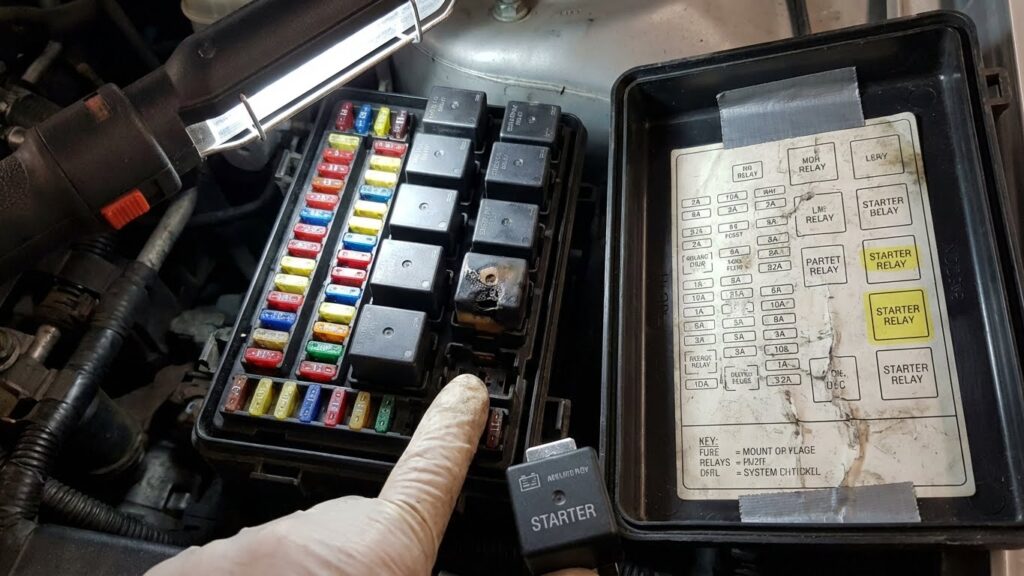
Troubleshooting the electrical system helps isolate issues that cause clicking noises when starting the Nissan Sentra. Key steps involve verifying that fuses and relays are intact and checking wiring and ground connections for damage or looseness.
Checking Fuses And Relays
Fuses and relays control the flow of electricity to critical components in the starting system. A blown fuse can interrupt power, causing the starter to click without turning the engine over. Using the Nissan Sentra’s manual, he or she should locate the fuse box and identify related fuses for the starter, ignition, and battery circuits.
Inspect each fuse visually. A broken filament means the fuse is blown and needs replacement. Relays, often overlooked, can fail or get stuck. Swapping a suspected relay with a similar one in the fuse box is a quick test. If the clicking stops or the car starts, replacing the relay solves the problem.
Inspecting Wiring And Ground Connections
Damaged or loose wiring can cause poor electrical flow and produce clicking noises. He or she should inspect battery cables and starter wiring for cracks, corrosion, or frayed ends. Battery terminals must be clean and tightly connected.
Ground connections play a crucial role by completing the circuit. A bad ground can lead to intermittent power issues and clicking sounds. Checking the main ground wire and its connection to the chassis or engine block is essential. Tighten bolts and clean corrosion to ensure proper grounding. Using a multimeter to test wires for continuity helps identify hidden breaks or shorts in the wiring system.
Preventive Maintenance Tips
Regular checks help avoid clicking noises in a Nissan Sentra when starting. A weak battery or corroded terminals are common causes. Inspecting these parts often can catch problems early.
He or she should clean the battery terminals to prevent corrosion. Corrosion can block electrical flow and cause the starter to click but not turn the engine over. Using a wire brush and baking soda solution works well for cleaning.
Routine battery testing is important. A weak battery may still power lights but fail to start the engine. Testing voltage and replacing the battery before it dies saves time and money.
Starting system wiring should be checked too. Loose or damaged cables can reduce power to the starter motor. Tightening connections and replacing worn wires keeps the system reliable.
It is helpful to schedule regular inspections with a technician. They can spot wear on the starter or related parts that are not obvious. Early fixes reduce the chance of breaking down.
Following a schedule for oil changes and fluid checks also supports engine health. Though less direct, a well-maintained engine stress level reduces starter issues.
Key points to remember:
| Task | Why it matters | How often |
|---|---|---|
| Battery terminal check | Prevents corrosion build-up | Every 3-6 months |
| Battery voltage test | Avoids weak battery failures | Twice a year |
| Starter and wiring check | Ensures good electrical flow | Annual inspection |
| Professional inspection | Finds hidden wear or damage | At least once a year |
When To Seek Professional Help
If the Nissan Sentra keeps making a clicking noise when trying to start, and simple fixes like checking the battery or cleaning terminals do not work, it is time to seek professional help. Persistent clicking could mean there is a deeper electrical or mechanical issue that needs expert diagnosis.
When the car shows multiple symptoms like dim lights, no engine turnover, or the clicking noise happens repeatedly despite battery checks, a mechanic should inspect the starter motor, ignition switch, or related wiring. These components can fail and may require repair or replacement.
Also, if the clicking noise comes with unusual engine sounds such as knocking or thumping during startup, this could indicate problems beyond the starting system. Suspension noises or creaks when turning or hitting bumps should also be evaluated by a technician to avoid further damage.
Here are signs that professional help is needed:
- Clicking sound remains after battery and fuse checks
- Multiple failed attempts to start the engine
- Other noises like knocking or creaking occur with the clicking
- Electrical components like lights or dashboard indicators behave erratically
Waiting too long to get help can worsen car problems. A trained mechanic can quickly identify if the issue is with the starter, battery, fuses, or something more complex. Early professional attention can save time and money.
Potential Repair Costs
Repair costs for a Nissan Sentra making a clicking noise when starting can vary depending on the cause. The most common and least expensive fix is a weak or corroded battery connection. Replacing or cleaning battery terminals usually costs under $100.
If the battery itself needs replacement, the price typically ranges from $100 to $200. This price depends on the battery brand and warranty. Labor costs for battery replacement are generally low since it is a simple job.
A more costly repair involves the starter motor. Starter replacement parts and labor can lead to repair bills between $200 and $500. The price depends on the model year and local labor rates.
Other possible causes include a faulty alternator or wiring issues. Alternator repairs or replacements can cost between $300 and $600. Electrical testing and diagnostics may add to the labor time and cost.
Below is an estimated cost summary:
| Repair Type | Estimated Cost Range | Notes |
|---|---|---|
| Battery Terminal Cleaning | $20 – $50 | Quick, simple maintenance |
| Battery Replacement | $100 – $200 | Depends on battery choice |
| Starter Replacement | $200 – $500 | Labor intensive |
| Alternator Repair/Replacement | $300 – $600 | More complex and costly |
Diagnostic fees may apply separately, often around $90 to $100. Prices vary by location and specific vehicle condition.
FAQs
Why does my Nissan Sentra make a clicking noise when I try to start it?
The clicking sound usually means the starter motor is trying to engage but can’t turn the engine. This often happens because the battery is weak or dead, or there is corrosion on the battery terminals.
Can a bad battery cause the clicking noise?
Yes. A weak or low battery is the most common cause. If the battery voltage is too low, the starter won’t have enough power to turn the engine, leading to the clicking sound.
What else can cause the clicking noise besides the battery?
Other causes include a faulty starter motor, bad ignition switch, or blown fuses related to the starting system. Loose or corroded wiring can also cause this issue.
How can someone check the battery condition?
They can test the battery voltage with a multimeter. A fully charged battery should read around 12.6 volts. Anything lower might cause starting problems like clicking noises.
Is the clicking noise a sign of a serious problem?
Not always. It often points to a simple issue like the battery or electrical connections. However, if ignored, it can lead to more serious starter or engine problems.
What should someone do first if their Sentra clicks but won’t start?
Start by checking the battery connections for corrosion or looseness. Testing or replacing the battery is a good next step. If the battery is fine, having a mechanic inspect the starter and related parts is advised.
Conclusion
A clicking noise when starting a Nissan Sentra usually points to common issues like a weak battery, corroded battery terminals, or a failing starter motor. These problems are often straightforward to diagnose and fix.
It is important to check the battery first. Testing the battery’s charge and cleaning terminals can solve most no-start clicking sounds. If the battery is good, the starter motor or related electrical parts like fuses and relays should be inspected next.
Regular maintenance helps prevent these issues. Keeping battery connections clean and ensuring all components are working correctly can save time and money.
Here is a simple checklist to consider:
| Possible Cause | What to Do |
|---|---|
| Weak battery | Test and recharge or replace |
| Corroded terminals | Clean terminals with a brush |
| Bad starter motor | Get the starter checked or replaced |
| Blown fuses/relays | Inspect and replace if needed |
Addressing the problem early avoids further damage to the vehicle’s starting system. When unsure, consulting a professional mechanic ensures the correct diagnosis and repair.