

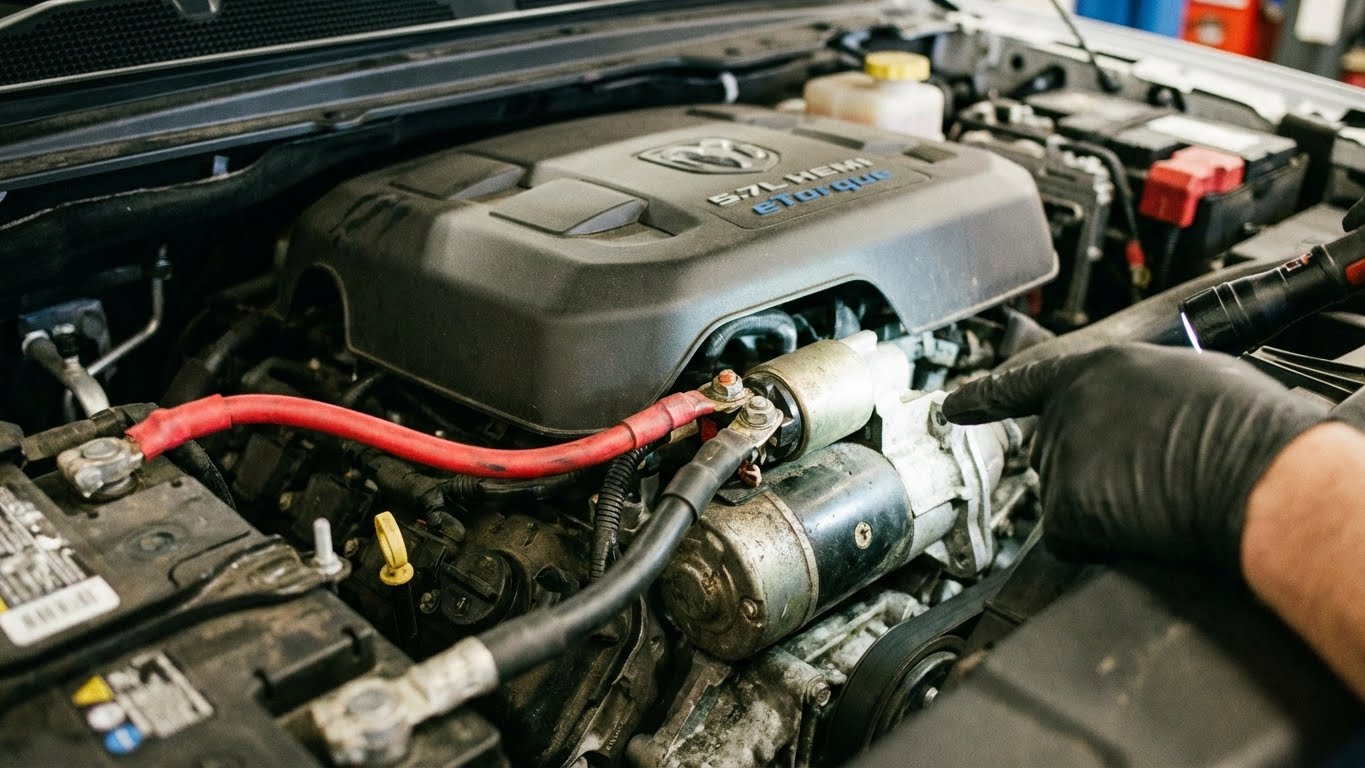
A clicking noise when starting a Ram 1500 often points to an issue with the electrical or mechanical parts involved in the starting process. The most common cause is a weak battery or a problem with the starter system, which prevents the engine from turning over properly. Sometimes, the noise can also be related to engine components like lifters or exhaust manifold leaks, especially if the clicking only happens during cold starts.
Understanding why the truck clicks can help avoid unexpected breakdowns and costly repairs. It’s important to diagnose the problem accurately by checking the battery condition, starter connections, and other related parts. Knowing what to look for allows owners to take timely action before the issue worsens, ensuring reliable performance from their Ram 1500.
Key Takeways
- Clicking sounds often come from electrical problems like a failing battery or starter.
- Mechanical issues such as lifters or manifold leaks can cause noise during cold starts.
- Early diagnosis and maintenance help prevent bigger engine or starting system failures.
Contents
Common Causes of Ram 1500 Clicking Noise When Starting
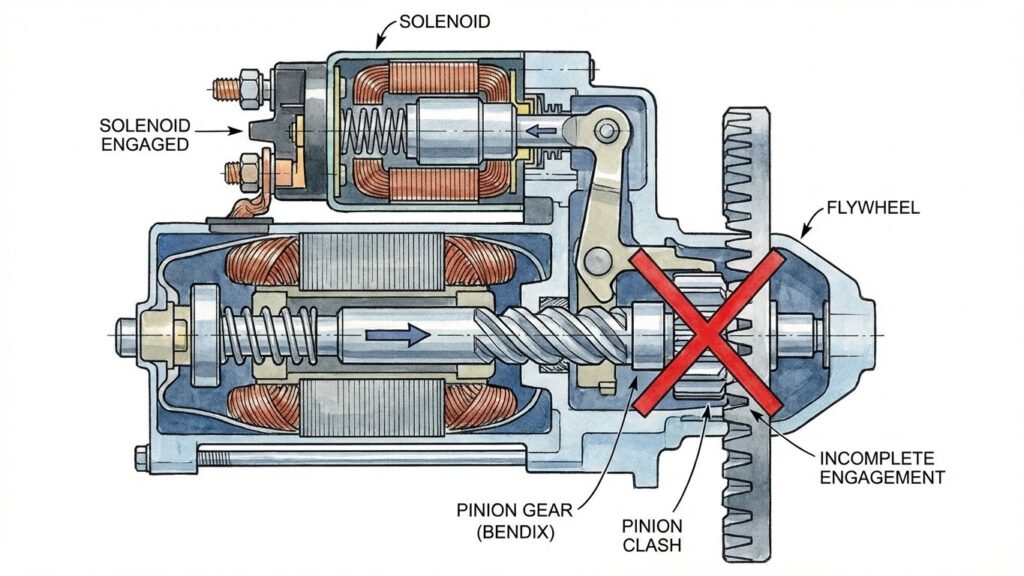
A clicking noise when starting a Ram 1500 usually means the engine is not getting enough power or the starter system has a problem. Issues with the battery, starter motor, relay switch, or battery connections are the most frequent causes. Each part plays a key role in delivering power to start the engine.
Dead Battery
A dead or weak battery is the most common cause of a clicking noise. When the battery is low on charge, it cannot send enough electricity to the starter to turn the engine over. This results in a rapid clicking sound as the solenoid tries to engage but fails.
A battery can die due to age, leaving lights or accessories on, or extreme cold weather. Jump-starting the truck often confirms this problem. If the battery is old or won’t hold charge after a jump, it needs to be replaced.
Faulty Starter Motor
The starter motor itself can cause clicking noises if it’s worn out or damaged. The starter has small parts like brushes and the solenoid that wear down with use. When they fail, the starter can’t engage the engine properly even if it gets enough power.
Signs of a bad starter include clicking that stops when the battery is fully charged or no engine turnover. Testing the starter by applying power directly can verify if it’s the cause. Replacing the starter motor usually fixes the issue.
Bad Relay Switch
The relay switch controls power flow from the battery to the starter motor. A faulty relay can cause intermittent or weak power delivery, leading to a clicking sound. It acts like a remote switch, and when stuck or broken, it can fail to provide consistent voltage.
Testing or swapping the relay with a similar known good one helps identify problems. If bad, replacing the relay restores proper current flow to the starter. A relay is cheaper and easier to change than a starter motor.
Loose or Corroded Battery Terminals
Loose or corroded battery terminals prevent the proper flow of electricity. Even with a good battery and starter, poor connection causes low voltage that results in clicking when trying to start.
Corrosion appears as white or green powder on the terminals. Cleaning the terminals and tightening the cables restores good contact. This is a quick fix and often overlooked but very important to prevent starting issues.
Electrical System Issues
Starting problems with the Ram 1500 can come from several electrical faults. These include small but critical components like fuses, switches, and wiring. Each part plays a role in making sure the starter and engine get power properly.
Blown Fuses
Fuses protect the truck’s electrical circuits by breaking the connection if too much current flows. When a fuse blows, power can’t reach the starter or other key parts. This often causes a clicking noise when trying to start because the starter solenoid gets power but the motor does not turn.
Inspecting fuses is simple. The fuse box is usually under the hood or inside the cab. A blown fuse will look darkened or have a broken wire inside. Replacing it with the correct amperage fuse can restore power. However, if the fuse blows again quickly, it indicates a deeper electrical issue that needs professional attention.
Ignition Switch Problems
The ignition switch sends power from the battery to the starter system when the key turns. If this switch becomes faulty or worn, it might not complete the circuit correctly. This can cause the starter to click without turning the engine over.
Signs of a bad ignition switch include intermittent starting, the dashboard lights flickering when turning the key, or the vehicle suddenly shutting off while driving. Testing or replacing the ignition switch requires some disassembly of the steering column and should be done carefully to avoid damage to the vehicle’s electronics.
Wiring Harness Damage
The wiring harness connects the battery, ignition switch, starter, and other electrical parts. Damage such as frayed wires, loose connections, or corrosion can block the power needed to start the engine. This often causes clicking noises without engine turnover.
Checking wiring involves inspecting areas where wires bend or pass near heat sources as those are common damage points. Repairing or replacing parts of the wiring harness can fix the problem but may require a mechanic for proper diagnosis and safe handling of electrical components.
Diagnosing Clicking Sounds in Ram 1500
Identifying the cause of a clicking noise in a Ram 1500 during startup requires careful listening and inspection. Key steps include distinguishing types of clicks, checking electrical connections, and using tools to pinpoint issues.
Listening for Single vs Repetitive Clicks
The first step is to listen closely to the clicking pattern. A single click usually points to the starter solenoid engaging. This can mean the starter motor is not turning over due to low power or a faulty starter.
Repetitive clicking often signals a weak or dead battery. In this case, the solenoid rapidly engages and disengages because it doesn’t have enough voltage. The sound is quick and consistent until the battery can’t supply any more power.
Noticing whether the engine attempts to crank alongside the clicks helps narrow the problem. No crank with repetitive clicking often indicates battery or electrical connection issues. A single click without crank suggests a possible starter failure or related wiring problem.
Visual Inspection Techniques
Visual checks help identify obvious issues causing clicking. Start by examining the battery terminals for corrosion or loose connections. Dirty or loose terminals often cause poor power flow and clicking on startup.
Next, inspect starter wiring for frayed cables or loose connectors. Damage here can interrupt current flow to the starter motor. A quick look under the hood for oil leaks around the starter or engine block can also reveal if lubrication issues might affect components.
Look for any blown fuses related to the starting system. Checking the grounding wires between the engine block and chassis ensures good electrical return paths, as a bad ground can create clicking noises.
Using Diagnostic Tools
Using tools streamlines diagnosing clicks in a Ram 1500. A digital multimeter can test battery voltage. Healthy batteries should read around 12.6 volts when off and drop slightly during cranking. Low voltage confirms battery weakness.
A load tester checks battery performance under higher current draw. This test reveals if the battery holds charge during startup, which can differentiate between a weak battery and other starter problems.
Scan tools or OBD-II readers can detect fault codes related to engine or starter system issues. Listening with a mechanic’s stethoscope near the starter motor helps confirm if it is engaging or failing mechanically.
Combining these methods quickly identifies if the root cause is electrical, mechanical, or battery-related.
Step-by-Step Troubleshooting Procedures
To fix a Ram 1500 that makes a clicking noise when starting, it’s important to check the battery, the starter motor, and the electrical connections. Each part plays a key role in delivering power to the engine. Identifying any weak points can save time and prevent unnecessary repairs.
Checking Battery Voltage
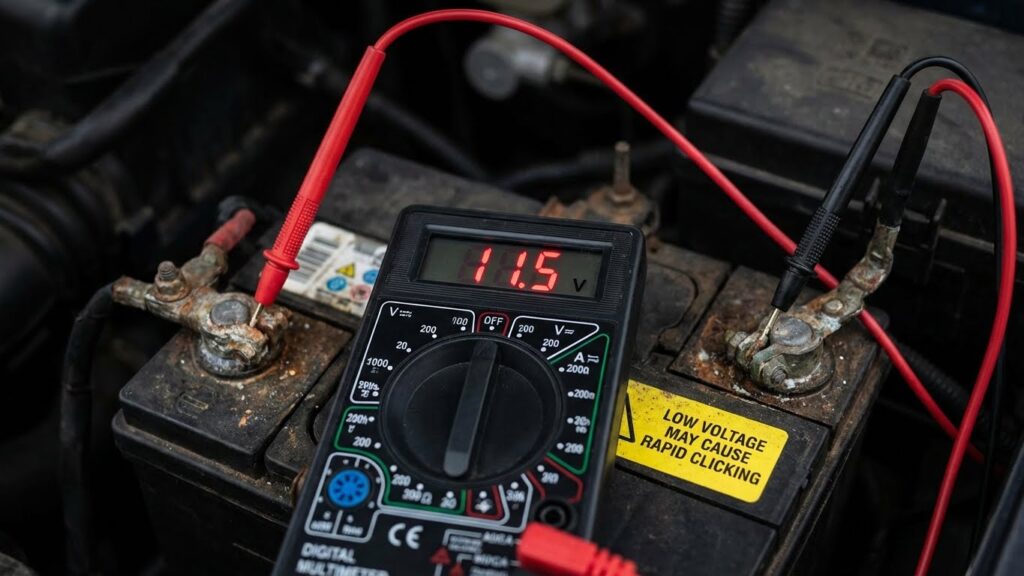
The battery must have enough voltage to start the engine. Use a multimeter to measure the voltage across the battery terminals. A healthy battery should read about 12.6 volts when the engine is off. If it reads below 12.4 volts, it may be too weak to operate the starter.
Next, test the battery while trying to start the truck. The voltage should not drop below 10 volts during cranking. If it does, the battery or battery cables may be faulty.
Also check the battery terminals for corrosion. Corroded terminals can block electrical flow even if the battery is strong. Clean the terminals with a wire brush and ensure the battery clamps are tight.
Testing the Starter Motor
If the battery is good, the problem could be the starter motor. The first step is to listen for a click from the starter solenoid when the key turns. A click with no engine turn may mean the starter motor isn’t spinning.
The starter can be tested outside the truck by supplying power directly to it. If it runs correctly when tested this way, the issue is not the starter itself.
If the starter does not run during the test, it likely needs to be repaired or replaced.
Inspecting Connection Points
Electrical connections must be clean and secure for the starting system to work. Check the wiring from the battery to the starter, including all fuses and relays.
Look for loose, damaged, or corroded wires around the starter and battery. These issues can cause a weak electrical flow, leading to a clicking noise instead of engine turnover.
It’s also important to inspect the ground connections. A poor ground can stop the starter from working properly.
Tighten any loose bolts and clean contact points to restore good electrical flow.
Potential Engine and Mechanical Concerns
A clicking noise when starting a Ram 1500 can indicate specific engine or mechanical problems. These often relate to parts that move or interact during startup and may need quick attention to avoid further damage.
Seized Engine Components
Seized engine parts like pistons, valves, or timing components can cause a distinct clicking or knocking when starting the truck. This happens if lubrication fails or components become warped or worn over time. Without enough oil pressure, parts can bind and make noise until the engine warms up or is fixed.
Symptoms include repeated clicking combined with rough startup or a loss of power. Persistent clicking might also signal issues with hydraulic lifters, which adjust valve clearance. If these lifters fail to receive oil fast enough, they cause tapping noises until oil circulates.
Regular oil changes and inspections help prevent seized components. Ignoring these sounds can lead to engine damage and costly repairs.
Flywheel or Flexplate Issues
The flywheel or flexplate plays a key role during engine start by connecting the starter motor to the engine. If damaged, worn, or missing teeth on these parts, the starter gear can slip, causing rapid clicking noises without engine cranking.
This clicking usually occurs when pressing the key or push button but the engine won’t start. A faulty flywheel or flexplate can prevent smooth power transfer, leading to repeated starter engagement and noise.
A mechanic can inspect these parts for visible damage. Early diagnosis and replacement avoid starter motor damage and ensure the engine will turn over correctly.
When to Seek Professional Assistance
If the Ram 1500 continues to have starting issues despite basic checks and repairs, it often indicates a deeper problem within the electrical or mechanical systems. Some situations require expert diagnostics to avoid further damage and ensure reliable operation.
Persistent Electrical Failures
When the truck shows signs of electrical problems beyond just clicking noises—like dimming lights, flickering dashboard indicators, or inconsistent power flow—professional help is necessary. These symptoms may point to issues with the battery, alternator, or wiring that are not easy to fix without specialized tools.
A pro can perform thorough tests on the battery’s charge capacity, alternator output, and starter connections. They can spot corrosion, loose cables, or faulty grounds that might be missed in a simple visual inspection. Ignoring persistent electrical failures risks complete starting system failure or damage to other components in the vehicle.
Recurring Clicking Noises After Repairs
If clicking noises come back after attempts like replacing the battery or cleaning the starter connections, it suggests the problem might lie deeper in the starter motor, solenoid, or ignition switch. In such cases, amateur fixes often don’t hold because the root cause could be worn parts or complex wiring faults.
A trained mechanic can dismantle the starter assembly and test each part to identify hidden faults. They also have the knowledge to check related systems like the neutral safety switch or electronic control modules that influence starting. This targeted approach prevents unnecessary replacement of parts and saves time and money.
Preventative Maintenance Tips
Keeping a Ram 1500 starting smoothly requires attention to key areas like the battery, terminal connections, and the electrical system. Regular care in these parts helps prevent the clicking noise that signals starting trouble.
Regular Battery Checks
The battery is the main power source for starting the Ram 1500. It should be tested often, especially before cold weather or long trips. A healthy battery should show about 12.6 volts when the engine is off.
If the voltage drops below 12 volts, the battery might be weak or failing. Checking the battery’s age is important, too, since most last about 3-5 years. Signs of trouble include slow engine crank or dim headlights.
Using a multimeter or visiting a mechanic for a load test can give clear battery health info. Regular charging or replacement when needed avoids low power that causes clicking sounds during startup.
Cleaning Terminal Connections
Corrosion on battery terminals can stop power flow, leading to clicking noises when starting. Terminals should be checked for white or green buildup. Dirty connections increase electrical resistance and interrupt current to the starter.
To clean, disconnect the negative cable first, then the positive. Use a wire brush or battery terminal cleaner to remove corrosion. After cleaning, reattach cables tightly to prevent loose connections.
Applying a small amount of petroleum jelly or terminal protector spray helps reduce corrosion return. This simple step keeps the electrical flow steady and avoids common no-start issues caused by poor contact.
Scheduled Electrical System Inspections
The Ram 1500’s electrical system includes the starter, solenoid, wiring, and fuses. Regular inspections identify problems before they cause starting clicks and no-crank events.
Professionals should check for loose wires, damaged insulation, or worn-out components at least once a year. Testing starter relay function and fuse integrity ensures proper current flow to the engine.
Cleaning grounds and making sure all connections are tight provides stable electrical grounding, which is critical for the starter to work properly. Early detection of faults saves costly repairs and prevents frustrating no-start situations.
FAQs
Why does the Ram 1500 make a clicking noise but not start?
This usually happens because the starter motor isn’t getting enough power. Common reasons include a weak battery, corroded battery terminals, or a poor electrical connection. Sometimes a bad ground or a faulty starter can also cause this issue.
Can a new battery fix the clicking noise?
Often, yes. If the battery voltage is low or the battery is old, replacing it can stop the clicking sound and allow the engine to start normally. It’s a good idea to test the battery and the charging system first. The Battery University site offers helpful tips on battery testing and care.
What if the starter clicks but still won’t crank the engine?
If the starter clicks but won’t turn the engine over, the problem might be the starter solenoid, the starter itself, or the wiring to the starter. Even when the starter seems fine outside the vehicle, a weak electrical connection can cause no start.
Could engine issues cause clicking sounds?
Yes. Some ticking noises come from engine parts like lifters or fuel injectors. A small exhaust manifold leak can also create a ticking noise when the engine starts. These sounds usually are different from the clicking related to starting problems.
Are there any warning signs before the clicking happens?
Dim or flickering dashboard lights when trying to start the engine can signal electrical problems. This might mean the battery or the alternator isn’t working well. Checking power and connections often solves the problem. For more detailed diagnostics, sites like AutoZone offer guides on starting issues.
Conclusion
A clicking noise when starting a Ram 1500 usually points to issues within the electrical system or engine components. Common causes include a weak battery, poor connections, a failing starter, or low oil pressure. Each of these problems affects the truck’s ability to turn over the engine properly.
Checking the battery and its terminals is often the first step. Corrosion or loose connections can stop enough current from reaching the starter. If the battery and connections are in good shape, the starter or its solenoid may need testing.
Sometimes, the clicking sound relates to engine parts like lifters, especially if the noise changes with RPM or disappears after a few seconds once the oil pressure stabilizes. This can indicate oil level or pressure issues.
Key points to check:
- Battery charge and condition
- Battery terminal corrosion or looseness
- Starter and starter solenoid operation
- Engine oil level and pressure
Addressing these areas helps avoid more serious damage and keeps the Ram 1500 running reliably. If these checks do not solve the issue, professional diagnosis is recommended to pinpoint less obvious causes.