

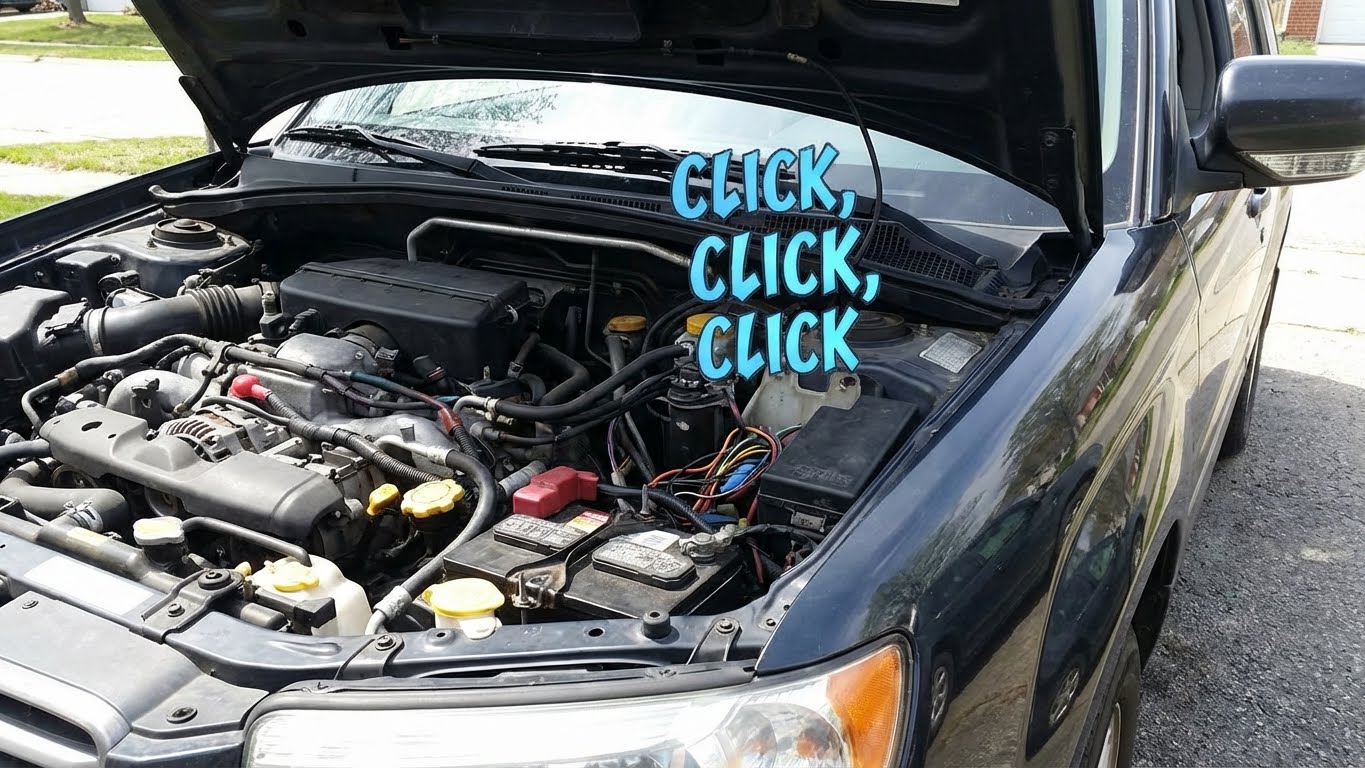
Many Subaru Forester owners notice a clicking noise when they try to start the engine. This clicking sound usually means the engine isn’t turning over because of issues like a weak or dead battery, corroded battery terminals, or a failing starter motor. These problems stop the car from starting even though the electrical system tries to engage.
The noise often happens because the starter motor’s solenoid clicks but fails to turn the engine over. Sometimes dashboard lights flicker or relays click, which points to electrical problems. While these issues are common and mostly fixable, knowing what causes the clicking can save time and money.
Understanding why the Forester makes this noise helps diagnose the problem faster and pick the right solution. This article will guide readers through the main causes and how to address them, so the vehicle starts smoothly again.
Key Takeaways
- Clicking noises usually come from battery or starter problems.
- Electrical signs like flickering lights can help locate the issue.
- Early diagnosis can prevent bigger and costlier repairs.
Contents
- 1 Identifying Types of Clicking Noises
- 2 Common Causes of Clicking Noise When Starting Subaru Forester
- 3 Electrical System Issues
- 4 Engine and Mechanical Factors
- 5 Diagnosing the Problem
- 6 Solutions for Clicking Noise
- 7 Preventive Maintenance Strategies
- 8 When to Consult a Professional Mechanic
- 9 FAQs
- 10 Conclusion
Identifying Types of Clicking Noises
Clicking noises during starting can mean different things depending on how often they occur, where they come from, and how long they last. Noticing these details helps pinpoint the cause of the problem and guides the necessary repair.
Single Click vs. Repetitive Clicking
A single click when turning the key usually points to an issue with the starter solenoid or the electrical connection. It often means the starter is trying to engage but not getting enough power. This might be caused by a weak battery, poor terminal connections, or a faulty starter relay.
Repetitive clicking often signals the battery is too weak to fully power the starter motor. It sounds like a rapid tapping noise. This can also result from corroded battery terminals or loose cables, cutting off the full current flow needed to start the engine.
Location of the Noise
Identifying where the clicking comes from helps narrow down the cause.
- Under the hood near the battery or firewall indicates issues with the starter motor or electrical parts like the starter solenoid.
- Noise coming from the engine block area may suggest internal engine problems, such as low oil pressure causing components to click.
- If the clicking is from the transmission area, it could be related to the drivetrain or transmission components, though this is less common during starting.
Listening closely while someone turns the key or using a mechanic’s stethoscope can help find the exact spot.
Sound Duration Analysis
The length of the clicking noise matters.
- A short, single click usually means a quick failed attempt to start, often linked to electrical faults.
- Continuous clicking lasting several seconds generally means the battery can’t maintain enough current for the starter motor to turn the engine over.
- If the clicking lasts for a moment and then the engine starts, this could be normal behavior indicating a slow starter or cold battery but should be watched for worsening.
Paying attention to how the noise changes as the car tries to start is critical in diagnosing the issue correctly.
Common Causes of Clicking Noise When Starting Subaru Forester
A clicking sound when trying to start a Subaru Forester usually points to electrical or mechanical issues in the starting system. These problems often stop the engine from turning over and are linked to the battery, starter motor, electrical relays, or battery connections. Understanding these causes helps diagnose the exact problem.
Weak or Dead Battery
The most frequent cause of a clicking noise during startup is a weak or dead battery. When the battery voltage is too low, it can power the solenoid to make the clicking sound but cannot supply enough current to turn the starter motor.
This happens if the battery is old, drained, or damaged. Cold weather and leaving lights or electronics on for long periods can drain the battery, causing no-crank conditions. Testing the battery voltage with a multimeter shows if it falls below 12 volts, which usually means a weak battery.
Jump-starting the car can fix this temporarily, but replacing the battery is often necessary if it cannot hold a full charge. Regular battery maintenance, such as cleaning and inspecting, can prevent these issues.
Faulty Starter Motor
A faulty starter motor can also cause clicking noises without engine cranking. When the motor’s internal parts, like brushes or armature, wear out, it fails to engage the engine properly even if the solenoid clicks.
Signs include repeated clicks or a single click with no engine response, especially if the battery is known to be good. The starter motor may draw power, but mechanical faults prevent it from turning the engine.
Testing involves checking for voltage at the starter and listening to the sound patterns. If the starter motor is defective, it usually needs replacement or professional repair.
Bad Starter Relay

The starter relay acts as an electrical switch that sends power to the starter motor. A bad relay can cause rapid clicking or no power flow, resulting in a clicking noise when trying to start.
Relays can fail due to electrical faults, internal contact wear, or corrosion. When the relay does not close the circuit fully, the solenoid clicks repeatedly but the motor never turns.
Diagnosing involves testing the relay by swapping it with a known working one or using a multimeter. If confirmed faulty, replacing the relay is a simple fix and restores proper starter function.
Corroded Battery Connections
Corroded or loose battery terminals inhibit proper electrical flow from the battery to the starter motor. Corrosion builds up over time, especially in humid or salty environments.
Even if the battery is good and the starter is fine, corroded terminals cause voltage drops, leading to clicking noises and failure to start. Visual signs include white or blue powdery deposits around the battery posts.
Cleaning the terminals with a wire brush and applying a corrosion inhibitor restores solid electrical contact. Tightening loose connections also prevents this problem and improves starting reliability.
Electrical System Issues
Electrical problems often cause a clicking noise when a Subaru Forester tries to start. These issues affect the flow of power needed to engage the starter motor or other components crucial for starting the engine.
Alternator Problems
The alternator charges the battery while the engine runs. If it fails, the battery may not hold enough charge to start the car, leading to clicking sounds when turning the key. A weak or dead battery often shows symptoms like dim headlights or electrical accessories not working properly.
Signs of a bad alternator include battery warning lights on the dashboard and fluctuating voltage levels. Testing the alternator output with a voltmeter can confirm if it is faulty. Repair or replacement is necessary to restore proper battery charging and prevent starting problems.
Ignition Switch Failure
The ignition switch sends power to the starter and other systems when the key turns. If it malfunctions, the starter may not receive enough power, causing repeated clicking sounds without engine turnover.
Symptoms may include no dashboard lights when turning the key or sudden loss of power to electrical components. Ignition switch failure can be diagnosed by checking if power reaches the starter motor terminal during the start attempt.
Replacing the ignition switch is usually required to fix this issue. Proper connections and clean contacts are important during installation to avoid further starting troubles.
Engine and Mechanical Factors
Clicking noises in a Subaru Forester at startup often come from key engine parts or timing belt issues. These areas should be checked carefully because problems here can affect engine performance and reliability.
Engine Component Malfunctions
A common cause of clicking sounds during startup is a malfunction in engine components like the starter motor or valve lifters. The starter motor may click if it struggles to engage the engine flywheel. This often signals a weak battery or poor electrical connection.
Valve lifters can also produce clicking noises if they lose oil pressure or become worn. This sound typically happens just after the engine starts. If left unchecked, it could lead to increased wear on the engine’s internal parts. Regular oil changes and inspections help reduce the risk of lifter noise.
Loose or worn parts such as spark plugs or fuel injectors may cause mechanical clicking. Mechanics should verify these components for proper fit and operation.
Timing Belt Concerns
The timing belt plays a critical role in synchronizing engine valves and pistons. If the belt is loose, worn, or damaged, it can cause a noticeable clicking or ticking noise at startup.
A failing timing belt risks slipping or breaking, which can cause severe engine damage. Forester owners should follow the manufacturer’s recommended replacement interval, usually around 60,000 to 100,000 miles.
Signs of timing belt issues include uneven engine sounds, misfires, or vibration during startup. Early detection by a professional can prevent costly repairs. Checking belt tension and condition regularly is crucial for engine health.
Diagnosing the Problem
A clicking noise when starting a Subaru Forester usually points to electrical or mechanical issues. Identifying the cause involves checking visible parts first and then using tools to pinpoint specific faults. Both approaches help isolate battery, starter, or circuit problems effectively.
Visual Inspection Steps
The first step is to inspect the battery terminals. Corrosion or loose connections on the terminals can cause clicking and prevent the car from starting. Cleaning the terminals and tightening the connections often fixes the issue.
Next, check the battery itself for signs of weakness. A weak or dead battery may show swelling or leaks. Using a flashlight, look at the starter motor and wiring for any damage or loose connections. Damaged wires or a damaged starter can cause clicks without starting.
Also, examine the fuses related to the starting system. A blown fuse in the ignition or starter circuit can block power, leading to clicking noises.
Using Diagnostic Tools
Using a multimeter is effective to check the battery voltage. A fully charged battery should read around 12.6 volts when the engine is off. If the reading is below 12 volts, the battery likely needs charging or replacement.
Next, testing the starter draw with an ammeter shows if the starter motor is working correctly. Excessive current draw can mean the starter is failing mechanically.
A scan tool connected to the vehicle’s OBD-II port can display error codes related to the starting system or electrical faults. This helps find issues like a faulty starter relay or alternator problems.
Combining voltage tests, starter draw measurements, and error codes gives a clear idea of the source of the clicking noise during startup.
Solutions for Clicking Noise
A clicking noise when starting a Subaru Forester usually points to electrical or mechanical issues. Fixing this problem often involves checking the battery or the starter motor, as these parts play key roles in engine startup. Addressing these areas carefully can stop the clicking sound and get the engine running again.
Battery Repair or Replacement
A weak or dead battery is the most common cause of clicking when starting the Forester. The battery may have low voltage due to age, cold weather, or leaving lights on. Corrosion on battery terminals can also reduce power flow.
First, the battery voltage should be tested with a multimeter. If it reads below 12.4 volts, charging or replacement is needed. Cleaning the battery terminals with a wire brush removes corrosion and improves connection.
If the battery is old (more than 3-5 years) or does not hold a charge, replacement is the best solution. Using the right battery size with proper cold cranking amps (CCA) ensures reliable starts, especially in cold weather.
Starter Motor Replacement
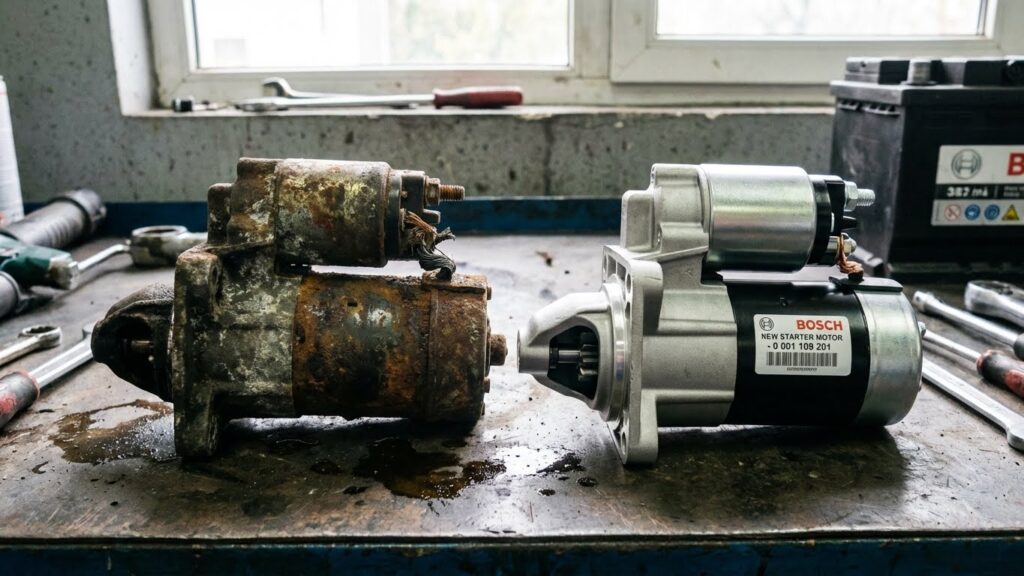
If the battery is in good shape but the clicking noise continues, the starter motor may be failing. The starter motor is responsible for cranking the engine. Over time, its internal parts like the solenoid or brushes wear out and cause clicking without starting.
Testing the starter includes checking voltage at the starter terminal during start attempts. A clicking noise with low or no engine crank indicates a problem inside the starter motor.
Replacing the starter motor involves disconnecting the battery, removing electrical connections, and unbolting the old starter. Installing a new or rebuilt starter restores proper function and silence to the starting process.
Both battery and starter motor issues are common but fixable causes of clicking sounds when starting a Subaru Forester.
Preventive Maintenance Strategies
Maintaining the Subaru Forester to avoid clicking noises at startup involves careful attention to battery health and the electrical system. Regular checks and inspections can catch issues before they cause failure. Proper care helps ensure reliable starts and prevents unexpected breakdowns.
Routine Battery Checks
Battery problems are the most common cause of clicking noises when starting a Forester. It is important to test the battery voltage regularly. A healthy battery should read about 12.6 volts when the engine is off. Anything below 12.4 volts indicates the battery needs charging or replacement.
Cleaning battery terminals is also crucial. Corrosion buildup can block electrical flow, causing weak starts and clicks. Use a mixture of baking soda and water to clean corrosion, and apply terminal protectors to prevent it. Checking battery cables for damage or looseness can stop electrical interruptions that lead to clicking sounds.
Electrical System Inspection
The starter motor and its wiring play a key role in starting the engine. Loose or damaged connections can cause clicking noises. Inspect all wiring connected to the starter for wear or poor contacts. Tightening connections and replacing damaged wires improves current flow.
Relays and fuses related to starting should be tested too. A faulty starter relay or blown fuse can lead to failure to crank, often heard as clicking noises from the dashboard. Replacing worn relays and checking the alternator’s output will keep the electrical system in good condition.
Regular inspections of these components reduce the risk of clicking noises and no-start situations.
When to Consult a Professional Mechanic
If the Subaru Forester makes a clicking noise when starting and the engine does not turn over, it is important to get help from a mechanic. This noise often points to an electrical issue like a weak battery, corroded terminals, or a faulty starter motor. These problems need proper testing and repair tools.
When the clicking noise persists after replacing obvious parts like the battery, a professional should inspect other components. They can check the starter system, alternator, and wiring for hidden faults that are hard to spot without experience.
Signs that require professional help include:
- Clicking noise continues despite a charged battery
- Car fails to start after multiple attempts
- Intermittent starting problems occur
- Electrical components like lights and dash behave oddly along with the clicking sound
Ignoring these symptoms can lead to further damage or leave the vehicle stranded.
A mechanic can also diagnose related issues such as poor ground connections or a failing ignition switch. These problems affect starting and are not always easy to find without proper tools and training.
In cases where the clicking follows recent repairs or recalls, a trained technician can verify if the issue relates to the service.
Getting professional help early prevents more costly repairs and keeps the Forester reliable.
FAQs
Why does the Subaru Forester make a clicking noise when starting?
A clicking sound often means the starter motor is not getting enough power. This can be caused by a weak or dead battery, corroded battery terminals, or a faulty starter. Sometimes, electrical issues in the starter circuit might also cause this noise.
Can a clicking noise happen if the battery looks fine?
Yes. Even if the battery shows normal voltage, it might not deliver enough current to start the engine. Checking battery terminals for corrosion or loose connections is important. A failing starter or relay can also cause clicking without starting.
What should be done first when hearing the clicking sound?
First, check the battery charge and terminal condition. Cleaning and tightening battery connections often solves the problem. If the battery and its cables are fine, the starter or fuse box could need inspection.
Is it safe to keep trying to start the car after hearing clicks?
Repeated attempts might wear down the starter motor or battery further. If the clicking continues, it is better to have the car inspected by a professional. Subaru owners can find specific advice and service options here.
Could fuel or other systems cause the clicking?
Fuel issues generally don’t cause clicking noises but may stop the engine from starting. Problems with the fuel filter or pump can cause no-start issues without clicking sounds. For more detailed troubleshooting, the Car Care Council offers helpful guides.
Conclusion
A clicking noise when starting a Subaru Forester usually points to electrical issues. The most common cause is a weak or dead battery. Corroded battery terminals or loose wiring can also lead to this problem.
Other possible causes include a faulty starter, a broken relay, or a problem with the alternator. These parts are essential for delivering power to start the engine. If the battery is in good condition, these components should be checked.
Regular maintenance helps avoid starting problems. Cleaning battery terminals and checking connections can prevent many issues. It is also important to test the battery and starter if the clicking persists.
Drivers should remember: a consistent clicking noise without engine crank means the power supply is disrupted. Quick battery tests or professional diagnostics can identify the root cause. Repair or replacement of faulty parts will restore reliable starting.
Key points to check:
- Battery charge and condition
- Battery terminal cleanliness
- Starter function
- Relay and wiring connections
This approach saves time and avoids unnecessary repairs. Understanding what makes the clicking noise helps keep the Forester running smoothly.