

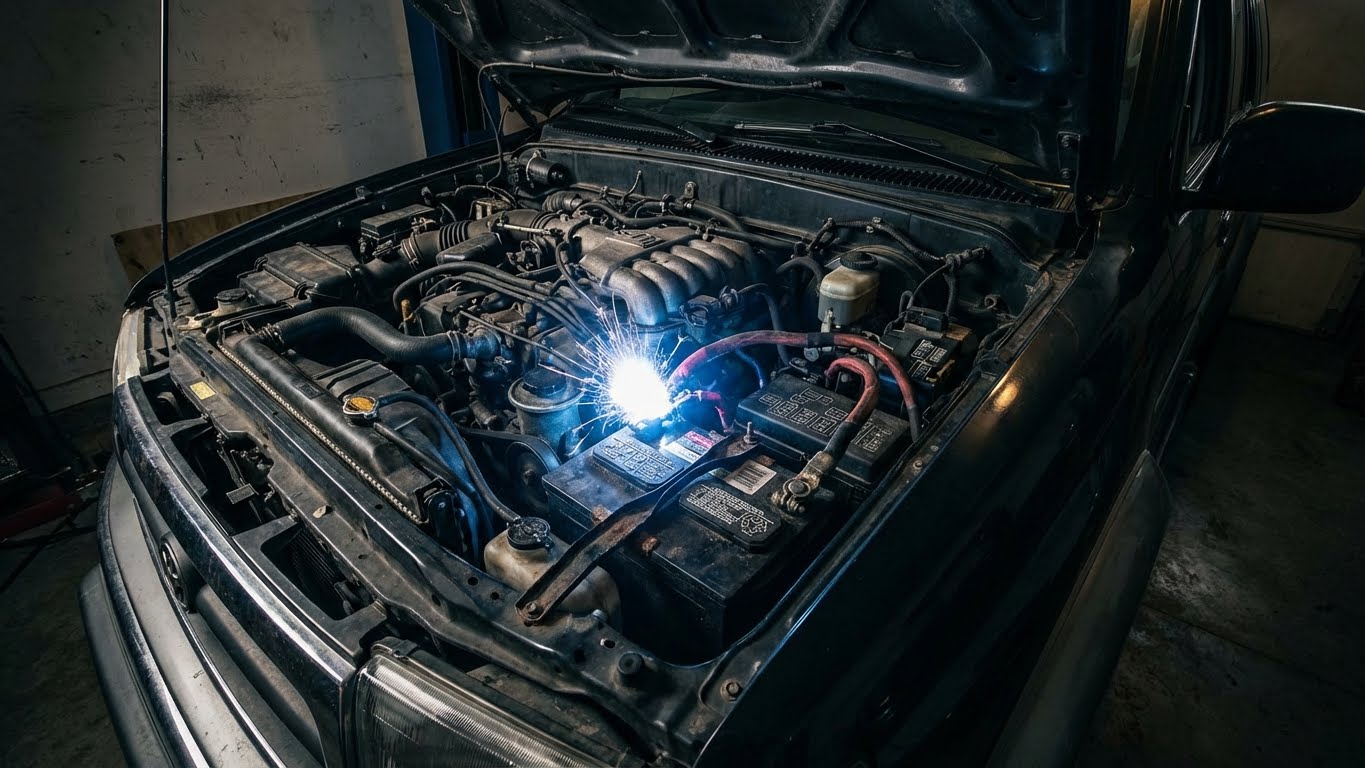
If a Toyota 4Runner makes a clicking noise when trying to start, it usually means the engine isn’t turning over. This clicking sound often points to a weak battery, poor electrical connections, or a problem with the starter motor. These issues prevent the engine from cranking, leaving the vehicle unable to start.
Many owners experience this problem and find it frustrating. Sometimes the fix is simple, like cleaning battery terminals or recharging the battery. Other times, the clicking signals a more serious issue that may require professional help, such as a faulty starter or wiring problem.
Understanding what causes the clicking noise and how to diagnose it can save time and money. This article explains the most common reasons for the clicking sound and offers steps to troubleshoot the problem safely and effectively.
Key Takeways
- Clicking usually means the battery or starter has a problem.
- Checking electrical connections is a good first step.
- Some issues require expert diagnosis and repair.
Contents
- 1 Common Causes Of Toyota 4Runner Clicking Noise When Starting
- 2 Diagnosing The Clicking Noise
- 3 Starter System Components
- 4 How To Troubleshoot A 4Runner That Clicks When Starting
- 5 Potential Electrical And Mechanical Issues
- 6 When To Seek Professional Help
- 7 Preventative Maintenance Tips
- 8 Understanding The Impact On Your Toyota 4Runner
- 9 FAQs
- 10 Conclusion
Common Causes Of Toyota 4Runner Clicking Noise When Starting
A clicking noise when trying to start the Toyota 4Runner usually points to specific electrical or mechanical issues. It often means the engine is not cranking because power isn’t reaching the starter properly or the parts needed to turn the engine are worn or failing.
Battery Issues
The battery is the most common cause of clicking noises when the engine won’t start. A weak or dead battery can’t supply enough power to the starter motor, causing rapid clicking sounds without engine cranking. Corrosion or loose connections at the battery terminals can also stop enough electricity from flowing.
Checking the battery voltage with a multimeter is a good first step. Clean and tighten terminals if corrosion or looseness is found. Sometimes, the battery might hold a charge but fail under load, meaning a replacement is necessary. Jump-starting the vehicle can temporarily solve the problem but doesn’t fix battery health issues.
Starter Motor Problems
When the starter motor fails, it can cause clicking sounds as it struggles to engage the engine’s flywheel. Worn or damaged gears in the starter can prevent proper engagement, resulting in a repetitive clicking noise. A bad starter solenoid, which controls the flow of electrical current to the starter, can cause the same symptoms.
Starter motor problems usually occur after some time of use. If the battery is fine but clicking continues, the starter motor and solenoid should be tested or inspected. Signs of failure include slow cranking, grinding noises, or no response at all when turning the key.
Faulty Starter Relay
The starter relay acts as a switch that sends power from the battery to the starter motor. If it fails or has poor electrical contacts, the relay may click repeatedly but not send enough current to turn the engine over. This can create a clicking sound similar to a bad battery or starter.
Testing the relay typically requires swapping it with a known good relay or checking it with a multimeter. A faulty relay can cause intermittent starting issues and may need replacement to restore normal function. It is less common than battery or starter motor problems but still important to consider when diagnosing clicking noises.
Diagnosing The Clicking Noise
The clicking noise when starting a Toyota 4Runner often points to specific electrical or mechanical issues. To find the exact problem, one should focus on where the sound comes from and inspect key electrical connections. This helps narrow down what needs repair or replacement.
Identifying The Sound’s Location
The clicking sound usually originates near the battery or starter motor. If the noise is coming from the engine area, it often means the starter relay or solenoid is attempting to engage but can’t turn the engine over. Rapid or repeated clicks often indicate low battery voltage or a weak battery.
If the clicking comes from the fuse box or under the dashboard, a faulty relay or loose wiring could be the cause. It’s important to listen carefully to distinguish if the clicks are fast or slow, continuous or intermittent. This detail helps identify whether the starter motor, relay, or another electrical part is involved.
Checking Electrical Connections
Poor connections at the battery terminals or starter cables can cause clicking sounds. Corrosion, loose clamps, or damaged wires reduce current flow, leading to starting problems.
The battery voltage should be tested first. Cleaning the terminals with a wire brush and tightening connections often restores proper power flow. Checking the ground cable’s connection to the chassis and engine block is also critical because a bad ground can cause the starter to struggle.
If all connections are clean and tight but the clicking continues, the issue may be a weak battery, a failing starter motor, or a faulty starter relay.
Starter System Components
The starter system in a Toyota 4Runner includes key parts that work together to start the engine. These parts ensure electrical power is sent properly to turn the engine over. Problems in any of these areas often cause clicking noises and prevent the engine from starting.
Function of the Starter Solenoid
The starter solenoid acts as a switch that controls high electrical current flow to the starter motor. When the driver turns the key, a small current activates the solenoid. This closes the circuit and sends battery power to the starter motor.
Inside the solenoid, an electromagnet pulls a plunger that connects the battery to the starter. If the solenoid fails, the motor won’t receive enough power, causing a clicking noise without engine turnover.
Corrosion or loose connections at the solenoid can prevent proper current flow. Testing the solenoid and checking its wiring is important when troubleshooting starting issues with a clicking sound.
Role of the Ignition Switch
The ignition switch sends the initial electrical signal to the starter solenoid and other systems when the key is turned. It acts as the control input for the entire starting process.
If the ignition switch is faulty, it may fail to send power to the solenoid. This causes the solenoid to click repeatedly or not engage at all. Signs of a bad ignition switch include an intermittent start or no electrical response when turning the key.
Because the ignition switch handles low current signals, other electrical faults like worn contacts or damaged wiring can disrupt its function. Testing the switch and inspecting wiring helps identify problems when a clicking noise occurs but the 4Runner won’t start.
How To Troubleshoot A 4Runner That Clicks When Starting
A clicking noise when trying to start a Toyota 4Runner usually means there is an electrical issue. The problem often lies with either the battery or the starter motor. Checking the battery voltage and the condition of the starter motor are the most effective first steps to diagnose the cause.
Assessing Battery Voltage
The battery must have enough voltage to power the starter and ignition system. Using a multimeter, measure the battery voltage when the vehicle is off. A healthy battery should show around 12.6 volts. If the voltage is below 12.4 volts, the battery is weak or partially discharged.
Next, test the voltage while trying to start. If it drops below 10 volts during cranking, the battery may not supply enough power.
Check the battery terminals for corrosion or looseness. Clean the terminals with a wire brush and tighten any loose connections. Corrosion and bad connections can prevent adequate current flow even if the battery is healthy.
If the battery is weak or damaged, jump-start or replace it. Often, a clicking noise disappears when the battery voltage is restored.
Testing The Starter Motor
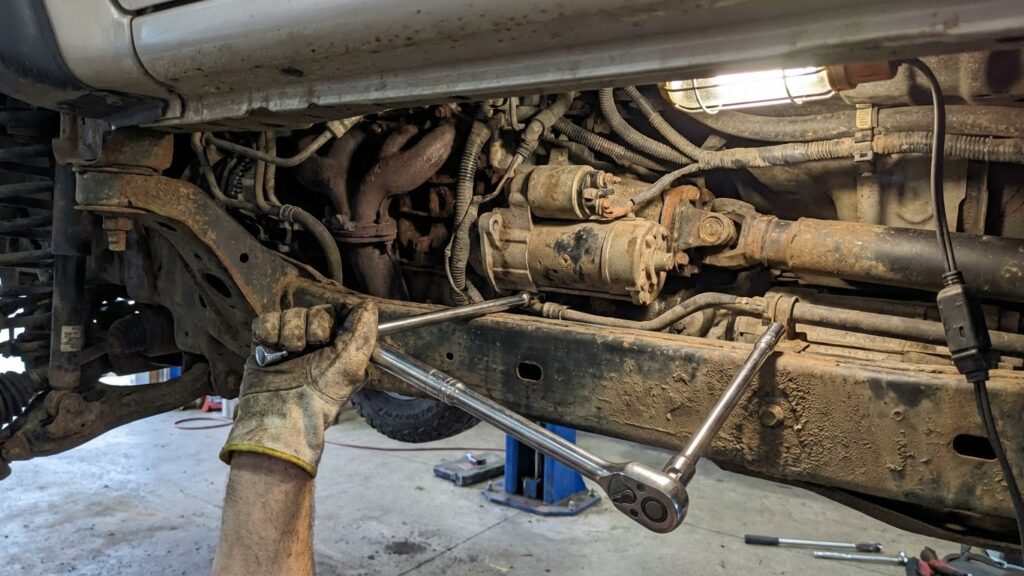
If the battery is in good condition, the issue may be the starter motor or its relay. Listen closely for a single click or repeated clicks when turning the key. A single click usually means the starter solenoid is working but the motor itself isn’t turning.
Test the starter by checking the voltage at the starter terminal while someone turns the key. It should read close to battery voltage. If it does and the motor doesn’t turn, the starter motor likely needs repair or replacement.
Inspect the wiring and connectors going to the starter for damage or corrosion. Faulty connections may mimic a bad starter.
If the starter does not engage even with proper voltage and good connections, it is probably failing and should be replaced to fix the clicking and no-start issue.
Potential Electrical And Mechanical Issues
A clicking noise when starting often points to issues within the vehicle’s electrical system or starter mechanism. Problems in wiring, fuses, and battery connections can interrupt the flow of electricity needed to start the engine.
Damaged Wiring or Fuses
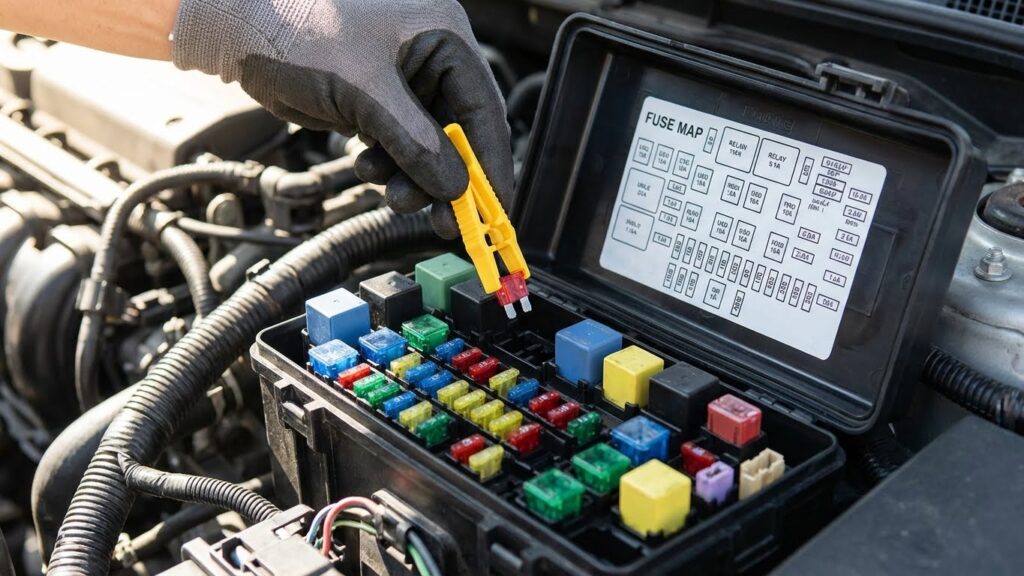
Damaged wiring or blown fuses can stop electrical current from reaching the starter motor. Over time, wires may become frayed or broken due to heat, vibration, or corrosion. This damage interrupts the power supply and causes the starter to click without turning the engine over.
Checking the wiring harness and fuse box for any visible damage or burnt fuses is important. Repairing damaged wires or replacing fuses with the correct rating restores proper electrical flow. Using a multimeter can help test continuity and verify if current reaches the starter.
Ignoring faulty wiring or blown fuses can lead to repeated starting failures. Addressing these issues early prevents other electrical components from being affected.
Corroded Terminals
Corroded battery terminals are a common cause of poor electrical contact in vehicles. When corrosion builds up, it increases resistance, reducing the power that reaches the starter motor. This causes the clicking noise because the starter receives weak or inconsistent voltage.
Cleaning terminals involves disconnecting the battery, removing corrosion with a wire brush or battery cleaner, and applying a protective coating to stop future corrosion. Tightening the terminal clamps ensures a solid electrical connection.
Regular inspection of battery terminals helps avoid unexpected starting problems linked to corrosion. Corroded terminals are easily fixed but can cause frustrating no-start conditions if left unattended.
When To Seek Professional Help
If the Toyota 4Runner continues to make a clicking noise but won’t start after basic checks like testing the battery and cleaning terminals, it may indicate a more serious issue. In such cases, professional help is recommended.
A persistent clicking sound can mean problems like a faulty starter motor, a bad starter relay, or wiring issues. These problems require special tools and knowledge to diagnose and fix. Trying to repair these yourself could lead to further damage.
Also, if the battery is fully charged but the engine still doesn’t crank, it signals a problem beyond the battery. Professionals can test electrical components more accurately to find the exact cause.
If the clicking noise is accompanied by other symptoms like dim lights, electrical failures, or no response at all when turning the key, the issue may be with the vehicle’s electrical system. A mechanic should inspect this to avoid electrical shorts or damage.
In summary, seek expert help when:
- The clicking noise continues after replacing or charging the battery
- The engine won’t start despite multiple attempts
- Other electrical problems occur alongside the clicking
- There is no improvement after basic troubleshooting
Addressing these problems promptly with professional assistance helps avoid bigger, costlier repairs later.
Preventative Maintenance Tips
Regular checks of the battery are key to avoiding clicking noises when starting a Toyota 4Runner. The battery should be tested for charge and replaced if weak. Cleaning the battery terminals helps prevent corrosion, which can block electrical flow.
Inspecting the starter and its connections is also important. Loose or damaged wires can cause poor electrical contact. Tightening connections and replacing worn cables can improve starter performance.
Keeping the alternator in good condition ensures the battery stays charged. A failing alternator can drain the battery and cause starting issues. It should be checked during routine maintenance.
Using a quality battery and ensuring all parts are compatible with the 4Runner model helps. Avoid cheap replacements that may cause problems.
Drivers should listen for any unusual sounds during start-up and act quickly. Early attention to clicking noises can save on costly repairs later.
A simple maintenance schedule could look like this:
| Task | Frequency | Notes |
|---|---|---|
| Battery testing | Every 6 months | Check voltage and terminals |
| Starter inspection | Annually | Tighten wires, check wear |
| Alternator check | Annually | Test output voltage |
| Battery replacement | Every 3-5 years | Based on battery condition |
Following these steps helps keep the 4Runner starting smoothly and reduces the chances of clicking noises caused by electrical issues.
Understanding The Impact On Your Toyota 4Runner
A clicking noise when starting a Toyota 4Runner often signals an issue that affects the vehicle’s ability to start properly. This noise usually means the engine is trying to turn over but can’t fully start.
The most common cause is a weak or dead battery. When the battery can’t provide enough power, the starter motor clicks but fails to engage the engine. Corrosion on battery terminals or loose connections can also cause this problem.
In some cases, a faulty starter motor is to blame. It may not engage the engine gear properly, resulting in clicking sounds without starting the engine.
If left unaddressed, this issue can worsen. The starter motor and battery might experience further damage, leading to higher repair costs.
| Possible Cause | Impact on 4Runner | Signs to Watch For |
|---|---|---|
| Weak Battery | Car won’t start, repeated clicks | Dim lights, slow cranking |
| Corroded Terminals | Reduced power flow, clicking | Visible corrosion on battery terminals |
| Faulty Starter Motor | Engine won’t crank, clicking | No engine turn-over despite clicking |
Listening carefully to the clicking can help diagnose the problem early. A simple battery check can often resolve the issue. When more complex, professional inspection of the starter and electrical system is required. Regular maintenance reduces risk and keeps the 4Runner reliable.
FAQs
Why does my Toyota 4Runner make a clicking noise when I try to start it?
The clicking sound usually means the starter motor isn’t getting enough power. This can happen because of a weak battery, corroded battery terminals, or a faulty starter relay. Checking battery health and connections is a good first step.
Can corrosion on battery terminals cause the clicking noise?
Yes, corrosion can block electrical flow between the battery and starter. Cleaning the terminals often solves this issue. It’s a simple fix that can restore proper current flow.
What should be done if the clicking continues after checking the battery?
If the battery and terminals are fine but the clicking persists, the starter motor itself or wiring issues might be the problem. At this point, a professional diagnosis is recommended to avoid further damage.
Is it safe to try jumping the battery to fix the issue?
Jump-starting the 4Runner can help if the battery is weak. However, if the problem lies with the starter or electrical system, jumping the battery won’t fix the clicking noise. For more on battery care, visit the Battery University website.
What does a single click versus rapid clicking mean?
A single click often points to a starter relay fault or wiring issue. Rapid clicking usually signals that the battery isn’t supplying enough power. Both symptoms require careful testing to identify the root cause.
When should a professional mechanic be called?
If basic checks like battery charge and terminal cleaning don’t solve the problem, professional help is necessary. They can test the starter motor, solenoid, and electrical system comprehensively.
For detailed starter motor inspection tips, the AAA website has useful guides on starter-related issues.
Conclusion
A clicking noise when starting a Toyota 4Runner usually points to an electrical issue. The most common causes are a weak battery or poor battery connections. Cleaning the battery terminals and checking the battery voltage often solves the problem quickly.
If the battery and terminals are in good condition, the starter motor or starter relay might be faulty. These parts may cause the clicking sound but prevent the engine from cranking. Diagnosing these issues generally requires more technical knowledge or professional help.
Some key points to remember:
- Weak battery is the leading cause.
- Corroded or loose battery terminals reduce electrical flow.
- Starter motor problems are less common but possible.
- Faulty wiring or relays can also trigger clicking noises.
When the clicking persists despite basic fixes, further inspection of the starter and wiring is recommended. Inexperienced users should consider professional diagnosis to avoid damaging the vehicle’s electrical system.
Handling this issue early can prevent getting stranded and avoid larger repair costs. A proper check-up of the battery, connections, and starter system is the best way to resolve clicking noises at startup.